REVIEW · MARRAKESH
Marrakech: Guided 2-Day Trek to Imlil and Imnan Valleys
Book on GetYourGuide →Operated by Marrakech Day Trips - Tours · Bookable on GetYourGuide
Toubkal views without the Toubkal grind. This guided two-day trek from Marrakech to Imlil & Imnane gives you big Toubkal-area panoramas, plus villages you reach at a human walking pace. It’s built for small groups (up to 6) with a local English/French-speaking guide.
What I especially like is the contrast you feel as you walk: you start in the more developed Imlil valley, then shift into Imnane, where agriculture, herding, and terraced fields still shape daily life. You’ll be staring out at passes and valleys while local life quietly keeps going around you.
One thing to plan for: overnight temps can be seriously cold outside warm-season months. The trek is active, but the mountain lodge/guesthouse nights can get chilly fast, so pack warm layers and expect you’ll need them.
In This Review
- Key things you’ll notice on this trek
- Why Imlil and Imnane feel like two different Morocco
- Day 1: Imlil to Tizi n’Tamatert, then down for lunch and up to Tacheddirt
- What to watch on Day 1
- Overnight at a Berber guesthouse or mountain lodge (what it’s really like)
- Day 2: Imnane valley life, Tizi n’Aguersioual, then Aguersioual river lunch
- Guide skills: why pace and people matter more than distance
- Mule help and realistic walking expectations
- Price and what you actually get for $112
- Pickup and timing: make your meeting point easy
- What to bring (and what to avoid)
- Who this trek suits best
- Should you book this 2-day Imlil and Imnane trek?
- FAQ
- How long is the Marrakech to Imlil and Imnane guided trek?
- Where does the trek start?
- What’s included in the price?
- What is not included?
- How big is the group?
- What languages are offered?
- What are good things to bring?
- Is pickup from Marrakech included?
- Who should not book this tour?
Key things you’ll notice on this trek
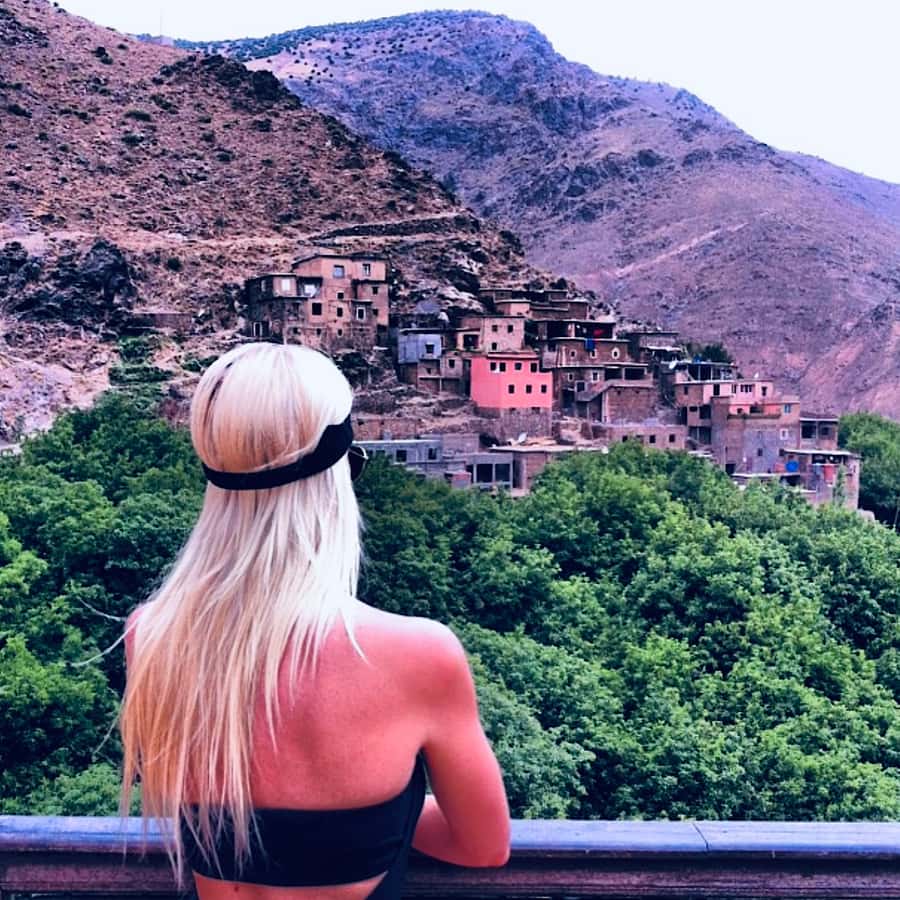
- Big pass views on Day 1 at Tizi n’Tamatert and Day 2 at Tizi n’Aguersioual, with wide panoramas across both valleys
- Two different rural rhythms: modern Imlil (shops and building activity) versus Imnane’s working farms and herding
- Village walking, not just scenery through areas like Ait Souka, Tamatert, Tachedirt, and Aguersioual
- Local pace and support, including mule team help with gear and a guide who can adjust when altitude hits
- Meals that feel part of the day, with lunch breaks in the valleys and dinner/breakfast handled at your overnight spot
Why Imlil and Imnane feel like two different Morocco
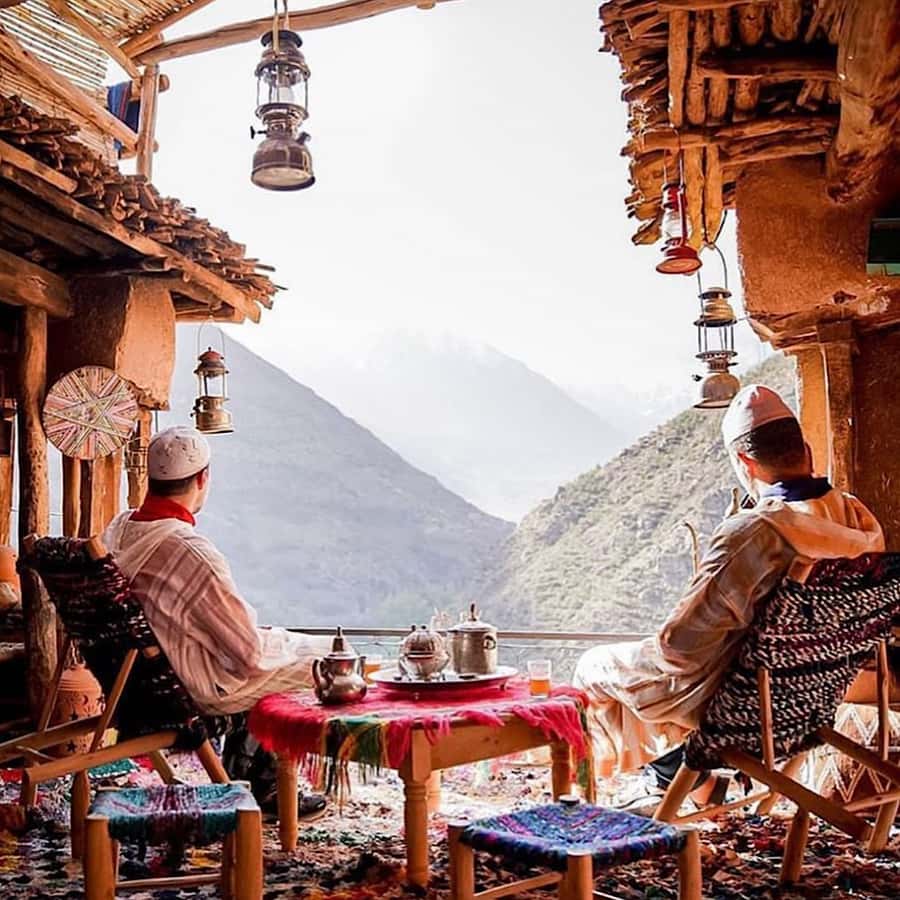
This trek is mostly about walking high in the Atlas Mountains, but the real magic is the contrast between the two valleys. Imlil feels more modern on the surface: you’ll notice development, shops, and more visible services. It’s not “urban,” but it’s clearly where more visitors and business activity concentrate.
Then you shift toward Imnane, where the scenery comes with a calmer, slower logic. People still make their living from agriculture and herding. The terraced fields are cut into the valley sides, and a river stream splits the area, which makes the whole place feel extra quiet once you’re out of the busier hubs.
That contrast matters because it helps you understand Morocco beyond a photo. You’re not only seeing views; you’re seeing how livelihoods differ over just a couple of valleys and a couple days of walking. And on a small group trek, you get time to actually notice it.
Day 1: Imlil to Tizi n’Tamatert, then down for lunch and up to Tacheddirt
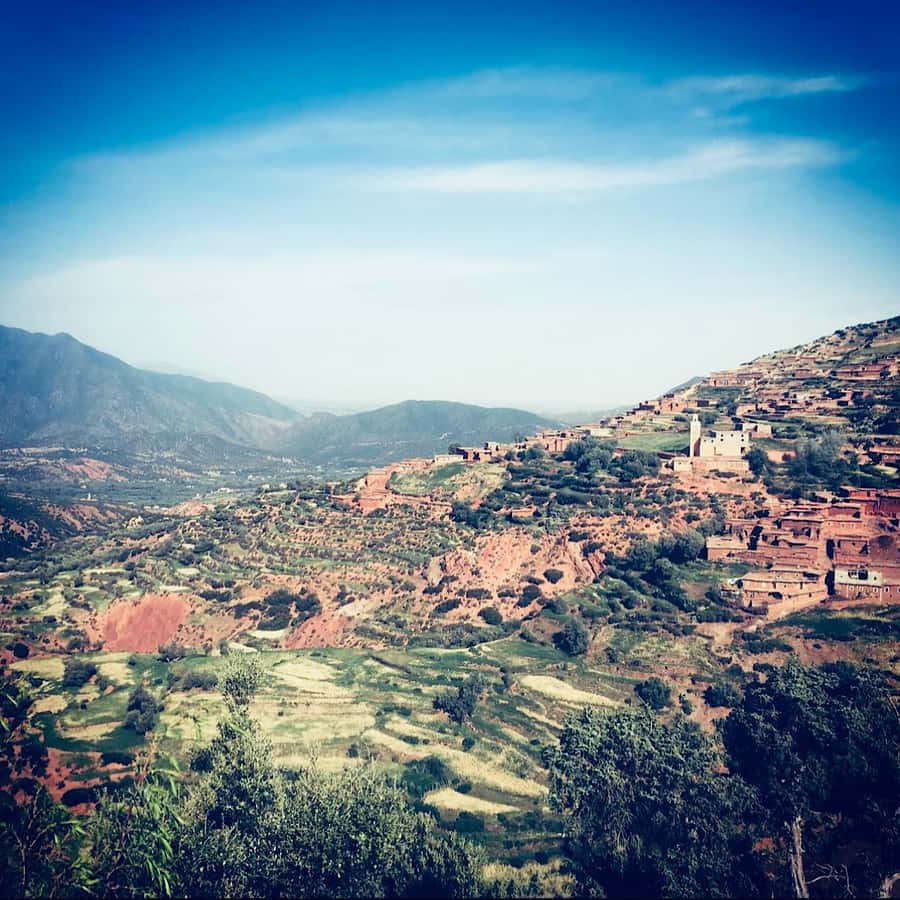
The day starts in Imlil at about 1740m. You meet your guide and mule team in the morning, then you’ll likely get a welcome mint tea before anything starts moving. After that, your gear goes with the mules so you can focus on your footing and breathing.
From there, you head toward the first big objective: Tizi n’Tamatert (2270m). Early on, the route threads past small villages such as Ait Souka and Tamatert, so you’ll get a sense of what life looks like right near the hiking corridors—houses, gardens, and everyday routines rather than tourist staged scenes.
The hike climbs through forested trails before the pass. This is where the walking payoff usually clicks: the views back and forward get dramatic, and the top of the pass feels like a natural lookout point. You’ll pause at the pass area and you may stop for something simple and local, like freshly squeezed orange juice from a small kiosk.
After the pass, the trail drops down to the valley floor for lunch. This part is useful because it’s your first chance to reset—cooler air, flatter ground by comparison, and enough time to eat without rushing. Then you start the next climb up the valley toward Tacheddirt (around 2400m), where you spend the night.
Tacheddirt is higher, so your legs feel it a bit more, but it’s also one of the best chances to feel the altitude without needing any extreme effort. You’ll arrive at your overnight spot (a Berber guesthouse or mountain lodge), and dinner is handled there.
What to watch on Day 1
- The climb to Tizi n’Tamatert is the moment you’ll feel most in your calves and lungs.
- If it’s chilly, start warm. By the pass, you’ll often heat up—then cool down quickly when you stop.
- Trekking poles can help, especially if you’re already thinking about second-day footing.
Overnight at a Berber guesthouse or mountain lodge (what it’s really like)
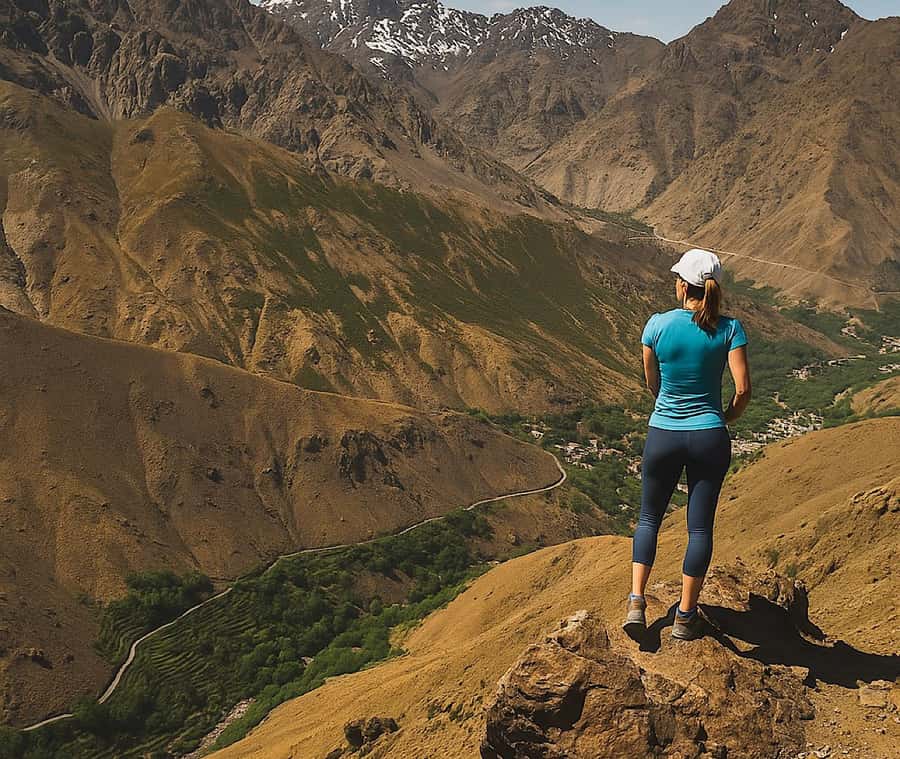
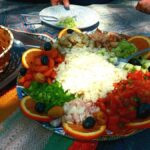
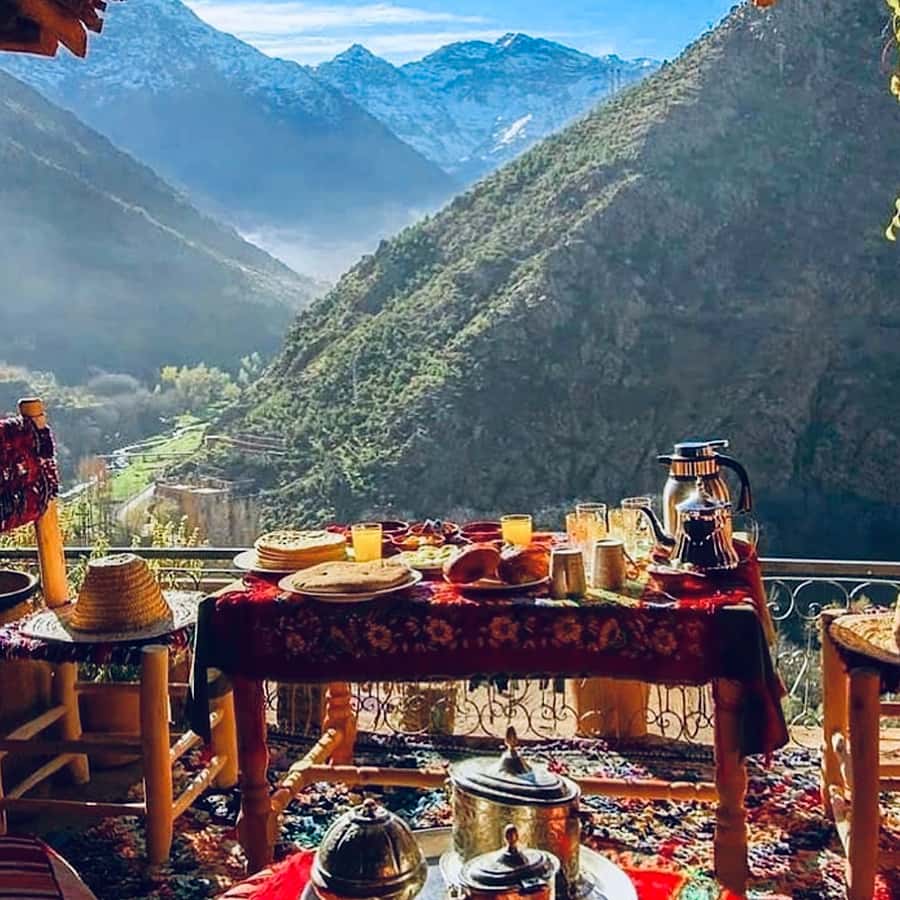
Your first night is in a Berber guesthouse or mountain lodge, and it’s intentionally simple. Meals are included: lunch and dinner on Day 1, then breakfast on Day 2. In real terms, it means you’re not scrambling for food, and you get to eat like the people running the household or lodge expect.
Some groups describe the stay as very authentic and well-run, with clean rooms and proper dinner setups. You may even find it feels more like a traditional riad-style lodging in the Imlil area depending on the exact property assigned for your group.
The one honest caution I’d give you is about cold nights. Even when the day trek feels manageable, mountain temperatures drop. If you’re traveling in winter months, plan for real chill after sunset—bring warm layers you can actually wear, not just a light jacket.
Day 2: Imnane valley life, Tizi n’Aguersioual, then Aguersioual river lunch
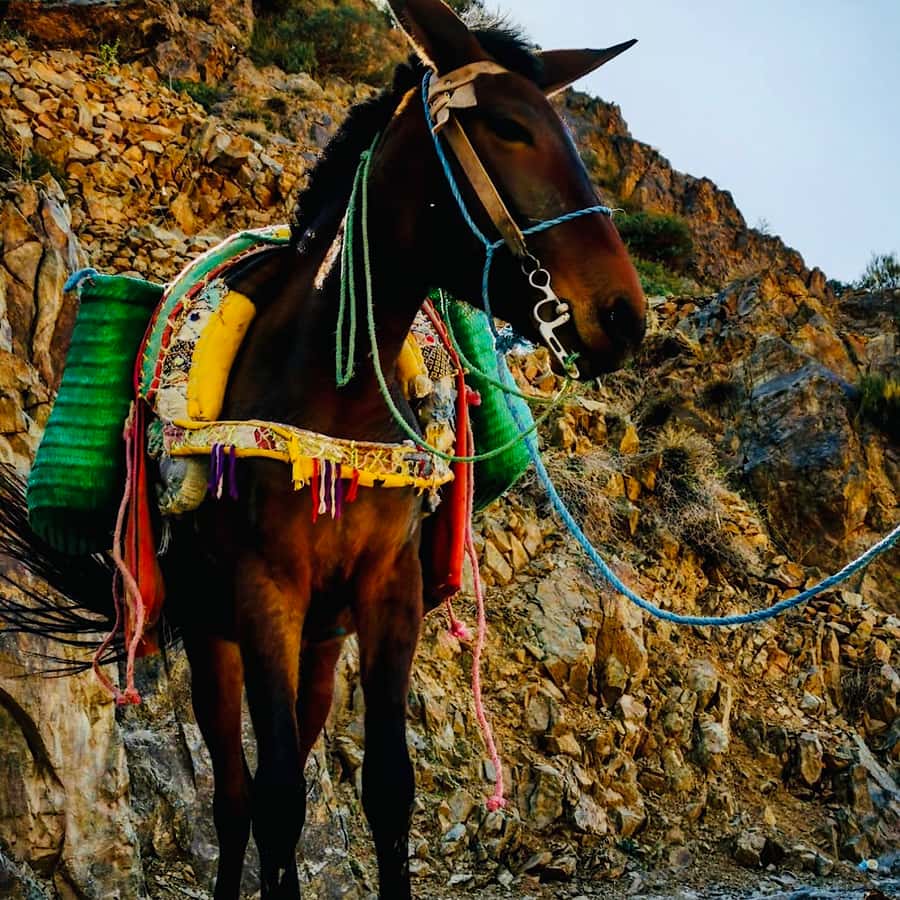
Day 2 starts with a local breakfast and then mules get packed again, so your carry remains manageable. The trekking theme shifts: instead of a single big climb right away, you move along the valleys passing through Berber villages. This is the day where village life is closer to the trail.
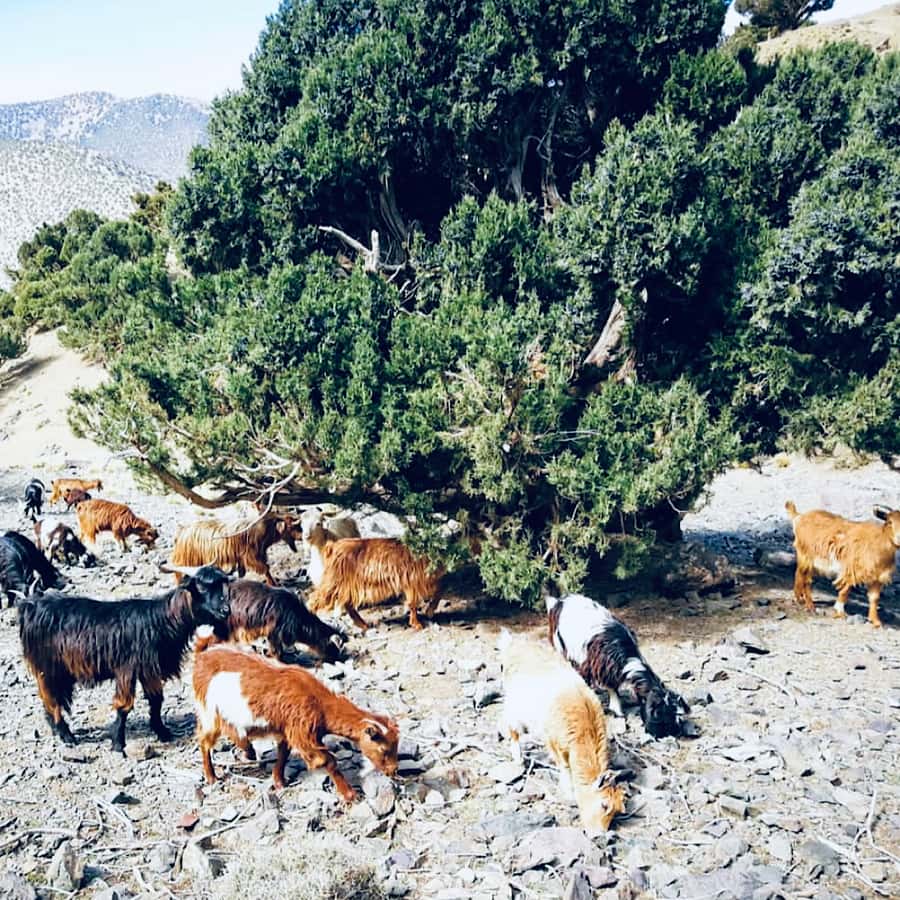
You’ll see people working through routine tasks—tending crops, feeding animals, and handling daily needs—while you pass by at walking speed. It’s one of the more respectful ways to experience rural Morocco because you’re not pulling up in a bus and moving on. You’re simply there, briefly, watching how communities keep themselves going.
Then the route starts winding uphill toward Tizi n’Aguersioual (around 2100m). At this high point, the views matter because they show both valleys at once. It’s a classic “you can see the shape of the whole place” moment. You’re basically straddling the geography—where the valley systems meet and how the terrain funnels toward the lower villages.
After the pass, the trail descends. You’ll pass villages perched on mountain sides and then head toward Aguersioual (about 1650m), where your transport waits. You wrap up with lunch in the valley by the river, which is a nice way to end: you finish your walking day and still get a real meal rather than a rushed stop.
Afterward, you can return to Marrakech, or you might have the option to stay nearby in a guesthouse.
Guide skills: why pace and people matter more than distance
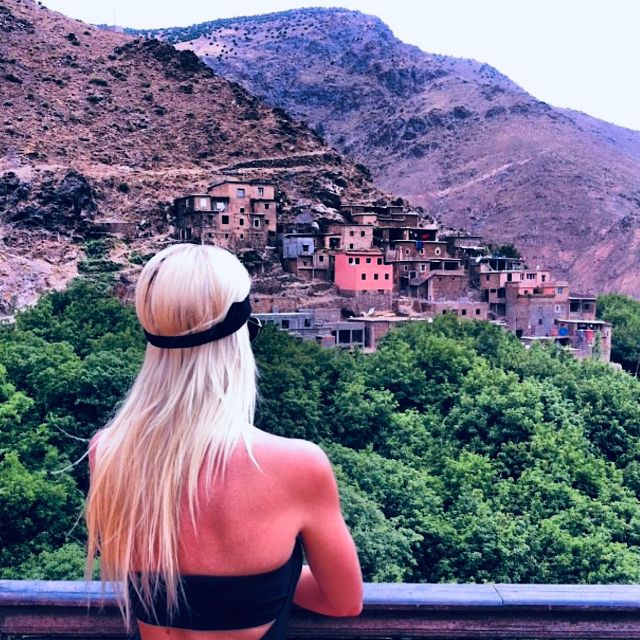
On this kind of trek, the difference between a good experience and a great one often comes down to the guide. You’re walking in a place where altitude and uneven footing can sneak up on you. A good guide doesn’t just lead you from point to point; they manage comfort and safety.
What I like about this trek is that it’s built for adjustment. In one account from a previous group, the guide handled altitude sickness by adapting the hike and keeping the pace cautious. That’s the kind of leadership you want in the Atlas—calm, attentive, and ready to change plans when your body needs it.
You’re also working with a professional local mountain guide who speaks English and/or French (Arabic is also listed as available). Small group size (max 6) helps here. There’s less crowding on narrow trails, and it’s easier for the guide to check in with everyone.
If you’re someone who appreciates explanations, you’ll likely get plenty: names of valleys and villages, how people live through farming, and what to look for as you walk. Some guides even share more about local culture and biodiversity in their own way.
Mule help and realistic walking expectations
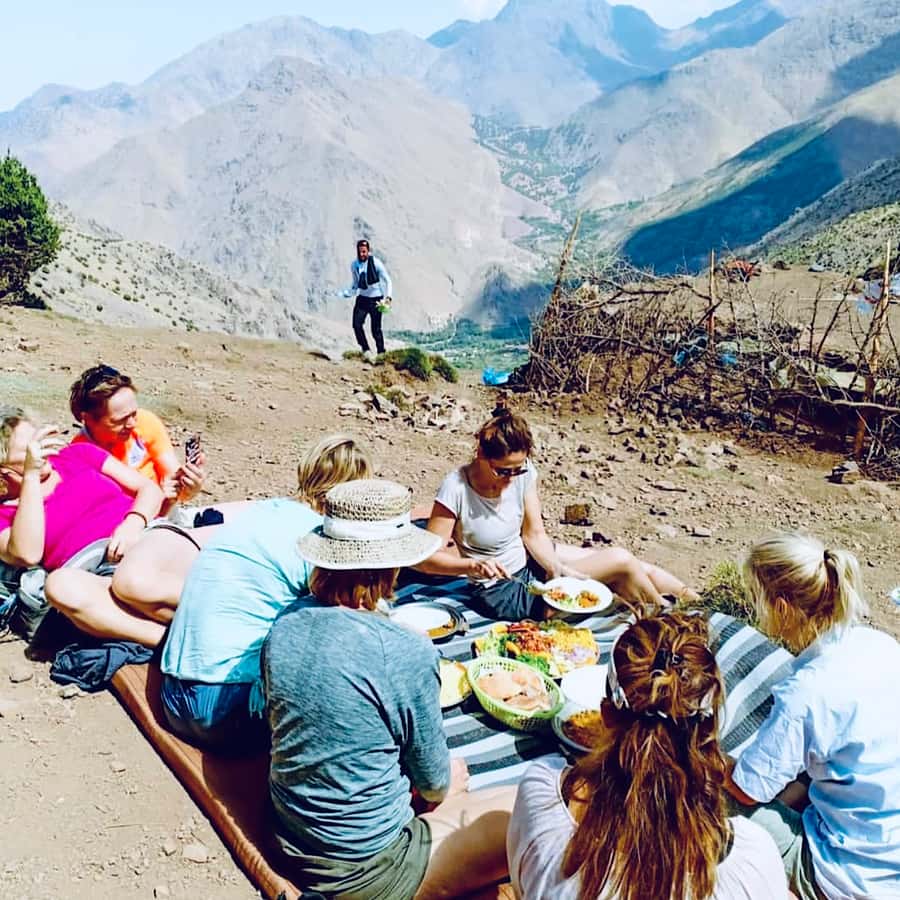
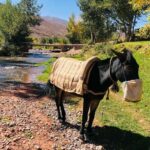
This is a trekking route that uses mules for gear, which is a big comfort plus if you’re traveling light but still want to carry a camera, a jacket, and water. You’ll meet your mule team on Day 1 and gear gets stowed there before the trek begins.
As for the walking load, it’s not marketed as an extreme expedition. One recent group described Day 1 as roughly 10 km with about 600 m of elevation gain, and Day 2 as around 8 km with about 300 m. Your numbers can vary depending on your pace, the exact route conditions, and how the guide structures breaks, but you should picture a couple of solid half-days of uphill walking with pauses.
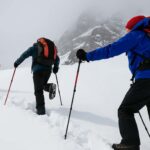
The trail can also include rocky or slippery sections. That’s why I strongly recommend proper hiking shoes. If you’ve ever done a rocky descent on a mountain and thought, I should have worn better footwear, this is that scenario. Sticks can help too, especially on the second day once you’re a bit tired.
Price and what you actually get for $112
At $112 per person for two days, the value comes from what’s bundled, not from the headline cost. You’re paying for:
- A local professional guide (English/French-speaking)
- Round-trip transport from Marrakech to Imlil and back
- All meals during the trek (breakfast, lunch, dinner)
- Overnight stay in a Berber guesthouse or mountain lodge
- Mineral water and mint tea during the trek
- A small group setting (up to 6)
In other words, you’re not just buying walking time. You’re buying planning, local coordination, food, and a night in the mountains. When you compare that to the price of tickets plus food plus lodging plus a guide you’d arrange yourself, this starts to make sense.
The one thing not included is gear rentals such as walking shoes or sticks, if you need them. If you don’t travel with the right shoes, factor that into your prep budget.
Pickup and timing: make your meeting point easy
Marrakech pickup is included, and the plan is to meet you at your hotel reception. If your specific pickup location isn’t accessible by car, you should confirm the meeting point via WhatsApp or email at least 24 hours before departure.
This is small, but important. You save stress when you double-check the exact meeting spot and time the day before. Also, if your hotel is in a tight alley or far from road access, it’s smart to be ready to walk out to the nearest reachable point.
What to bring (and what to avoid)
The essentials are straightforward, but this is one of those trips where “almost right” gear turns into pain.
Bring:
- Passport
- Comfortable shoes (this matters a lot on rocky/steep stretches)
- Comfortable clothes you can layer
- Camera
- Cash
Also, pack for temperature swings. Even if you dress for warm walking, nights in the mountains can surprise you. Reviews specifically mention cold nights in December and the need for extra warmth. If you have a good down layer or a warm fleece, this is where it earns its keep.
If you’re thinking about hiring gear, note that shoes or sticks are not included. Plan ahead so you’re not rushed at the last minute.
Who this trek suits best
This trek is a great fit if you want:
- A guided Atlas experience with real local villages, not just viewpoints
- A moderate two-day format (short enough to feel doable, long enough to feel meaningful)
- Small group comfort, with up to 6 people
- Time to see both sides of rural Morocco: more modern on one valley and more agricultural on the other
It’s not suitable for pregnant women, and it’s not for people over 95 years.
If you’ve had altitude issues before, take that seriously. The option to slow down and adjust is part of why it’s good to go with a guide who stays alert. Still, if you know you react badly to altitude, ask your doctor before committing.
Should you book this 2-day Imlil and Imnane trek?
I think you should book this if you want an honest Atlas trek that mixes big mountain views with working village life, and you like the comfort of meals and lodging handled for you. The small-group format, mule-carry for gear, and inclusion of transport from Marrakech make it easier than planning an Atlas hike on your own.
Hold off or ask more questions first if you’re traveling in deep winter and hate cold nights, or if you’re missing proper hiking shoes and warm layers. This is the kind of trek where your comfort gear matters.
If you’re ready to walk through Imlil’s modern edge, then out into Imnane’s terraced quiet, this is a very solid way to experience the High Atlas in two days—without pretending it’s easy, but also without turning it into a suffering contest.
FAQ
How long is the Marrakech to Imlil and Imnane guided trek?
It’s a 2-day trek in the Atlas Mountains.
Where does the trek start?
You meet your guide and mule team in the Imlil area in the morning, and the route includes passes and villages across both valleys.
What’s included in the price?
The price includes a professional local mountain guide (English/French-speaking), overnight stay in a Berber guesthouse or mountain lodge, all meals during the trek, mineral water and mint tea, and round-trip transport between Marrakech and Imlil.
What is not included?
Walking gear rentals such as walking shoes or sticks can cost extra if you want to hire them.
How big is the group?
This is a small group limited to 6 participants.
What languages are offered?
You’ll have a live guide in Arabic, English, and French.
What are good things to bring?
Bring your passport, comfortable shoes, comfortable clothes for layering, a camera, and cash.
Is pickup from Marrakech included?
Yes. Pickup is included at your hotel reception if it’s accessible by car. If not, you’ll confirm the meeting point via WhatsApp or email 24 hours before.
Who should not book this tour?
It’s not suitable for pregnant women or people over 95 years.