REVIEW · HANOI
3-Day Sapa Trek, visit Fansipan (cable car) from Hanoi with local
Book on Viator →Operated by Vietmountain Travel · Bookable on Viator
Sapa can feel like a postcard. This trek makes it feel like a day with real people, from Cat Cat to Lao Chai and Ta Van, ending at Fansipan by cable car. I especially like that your days are built around village trails, not just a single viewpoint, and I also like the practical “get moving, then eat well” rhythm with meals included. One heads-up: the trekking is genuine downhill and uphill, so you’ll want decent shoes and a body ready for mountain steps.
I also like how the trip keeps the logistics tight. You ride a sleeping bus from Hanoi, get picked up in Sapa, and finish with shuttling back to the bus office with a packed sandwich for the road. The one potential trade-off is lodging can be simple, and at least one guest noted an issue with bed odor, so it’s worth keeping expectations realistic.
In This Review
- Key highlights (the stuff that matters)
- Entering Sapa: Why This Trek Works Better Than a Sightseeing Trip
- Hanoi to Sapa by Sleeping Bus: The First “Real” Day Starts Early
- Day 1 to Cat Cat: Downhill Rice Terraces, Water Power, and a Return That Climbs
- Start in Sapa, then head for Cat Cat at 2:30 pm
- Cat Cat Village: hydropower, crafts, and Hmong culture
- 5:30 pm return trek and dinner in town
- Day 2 from Lao Chai to Ta Van: Indigo Textiles and Bamboo-Grove Quiet
- 8:30 am Lao Chai trail: Hmong farming and natural indigo
- Lunch at noon, then onward to Ta Van
- Return options and the 5:30 pm finish
- Day 3 to Fansipan: Cable Car Effort Saved, Temple Time Added
- 7:30 am start and the cable car to Vietnam’s highest point
- Return to Sapa and the Hanoi shuttle with a packed sandwich
- Comfort, Pace, and the Small Group Advantage (Max 15)
- What You Eat on the Trek (and Why That Matters More Than You Think)
- Price and Value: Paying for Tickets, Trails, and Fewer Headaches
- Weather Reality in Sapa (and How This Tour Handles It)
- Who Should Book This Sapa Trek, and Who Might Want a Different Pace
- Should You Book This 3-Day Sapa Trek?
- FAQ
- How long is the Sapa trek?
- When do we leave Hanoi?
- What time do we reach Sapa on Day 1?
- Is Fansipan included, and how do we get to the top?
- Which villages are included in the trek?
- Are entrance fees included?
- What meals are included?
- What should I pack for the trek?
- What happens if weather is bad?
Key highlights (the stuff that matters)
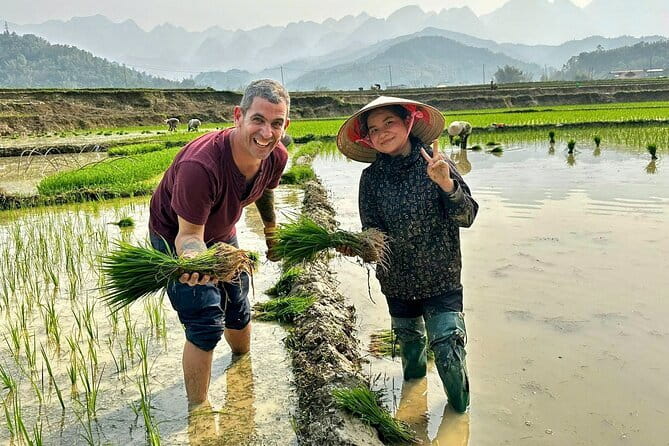
- Small group size (max 15) helps the pace feel human and the guide easier to ask questions.
- All village visits and key fees included, so you’re not juggling extra tickets mid-trek.
- Fansipan via cable car means you get big views and temple time without the full hike.
- Meals are built in (2 breakfasts, 3 lunches, 2 dinners) with vegetarian available on request.
- Longer village trails on Day 1–2, including a downhill into Cat Cat and a return that climbs back up.
- Hotline support + English-speaking local guide keeps the experience smooth if plans shift with weather.
Entering Sapa: Why This Trek Works Better Than a Sightseeing Trip
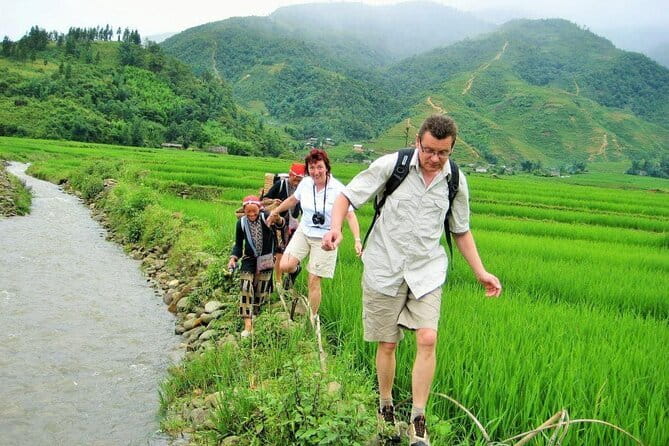
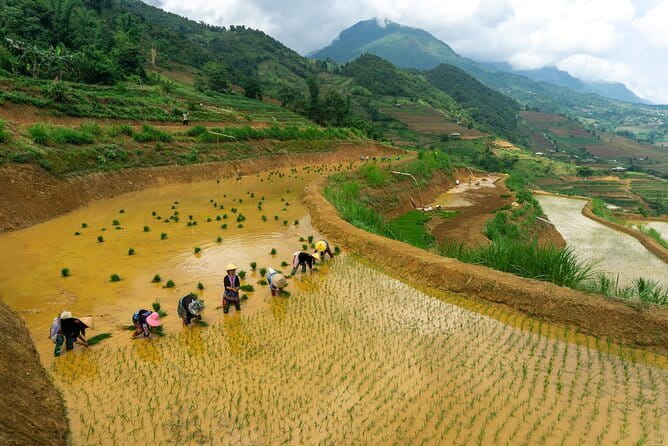
This is the kind of Sapa trip that makes sense if you want more than dramatic mountain photos. The schedule is designed around daily life in the hills: textile work, farming practices, and village community rhythms. You’ll still get classic scenery—terraced rice fields, misty valleys, bamboo groves—but you’ll be moving through it with context, not just stopping for snaps.
The other thing that helps: you’re not doing everything alone. A local expert guide leads the trekking days, and you’re handed meals, water, and transport so you can focus on the trail and conversations. That’s a big value add when you’re trying to coordinate a multi-day rural route from Hanoi.
Just be honest with yourself about effort. This is not a flat walk. You’ll be descending and then climbing again on Day 1, and you’ll spend long stretches on dirt paths and village tracks on Day 2. If your knees get cranky on stairs, plan ahead.
You can also read our reviews of more tours and experiences in Hanoi.

Hanoi to Sapa by Sleeping Bus: The First “Real” Day Starts Early
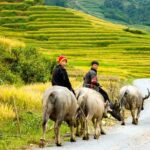
You depart Hanoi around 7:00 am on a comfortable sleeping bus for about 4.5 to 5 hours. The sleeping-bus setup is practical here because it reduces travel waste—you land in Sapa with enough time to actually do something after lunch and check-in.
The tour includes a clean, modern bus with air-conditioning and a safe driver, which matters in Vietnam where road conditions can vary. You don’t have to think about finding a transfer, and you’re not stuck negotiating for taxi pricing once you arrive. That keeps day one from turning into a logistics headache.
When you reach Sapa, you get picked up from the bus office by the local guide. You then go to lunch and check-in, so you’re fueled before the trekking starts later in the afternoon.
Day 1 to Cat Cat: Downhill Rice Terraces, Water Power, and a Return That Climbs
Day 1 is a classic first-trek day: a scenic downhill, village culture up close, then a climb back to town.
Start in Sapa, then head for Cat Cat at 2:30 pm
After you arrive, eat lunch, and settle in, you start the trek at 2:30 pm with a walk from Sapa town to Cat Cat Village. It’s about a 3-kilometer downhill route, which is a smart way to ease into the trip while still feeling like a real trek.
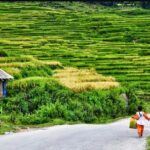
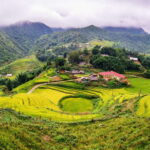
On the way, you’ll get photo opportunities of terraced rice fields and misty mountain views, plus stilt houses that mark the area’s traditional architecture. This is where you’ll start to notice how the villages sit in the valley—close to water, farms, and the paths people actually use day to day.
Cat Cat Village: hydropower, crafts, and Hmong culture
Cat Cat Village is also one of the most organized cultural stops on the route. Highlights include:
- Cat Cat Waterfall and a hydropower station, tied to a French-built structure
- Traditional crafts, including hand-woven fabrics and silver jewelry
- Hand-forged tools and Hmong cultural performances
Even if you’re not shopping, this part helps you understand how the community earns income and keeps traditions alive. You’ll see how textiles and metalwork fit into daily life, not just staged demonstrations.
One practical note: Cat Cat is a downhill experience at first, so bring a mindset that your thighs will feel it later. The path can be uneven, and you’ll appreciate having shoes with grip.


5:30 pm return trek and dinner in town
At 5:30 pm, you start the 4-kilometer return trek back to Sapa. That timing is nice because you still have daylight, and it gives you a different angle on the same terrain as you ascend.
Back in town by around 7:00 pm, dinner is included, and you get free time to rest and hang out in Sapa at night. This is useful if you want to do a slow walk around town, buy small essentials, or just recover before Day 2 ramps up.
Day 2 from Lao Chai to Ta Van: Indigo Textiles and Bamboo-Grove Quiet
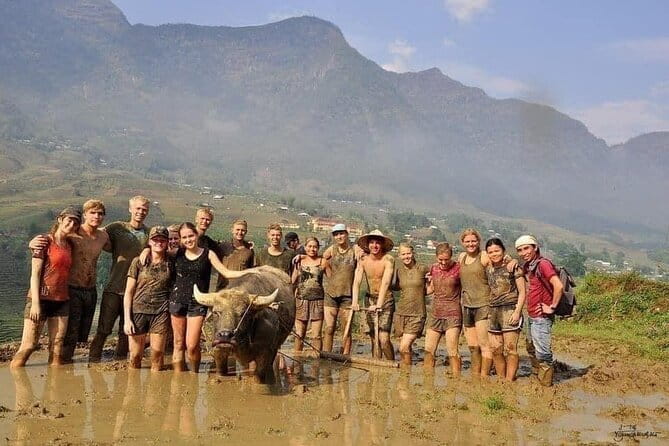
Day 2 is longer on village time, and it’s where the trip shifts from single highlights to a more connected “this is how life runs up here” feeling.
8:30 am Lao Chai trail: Hmong farming and natural indigo
You wake up early, eat breakfast, then hit the trek around 8:30 am toward Lao Chai Village—described as the heart of the Hmong community.
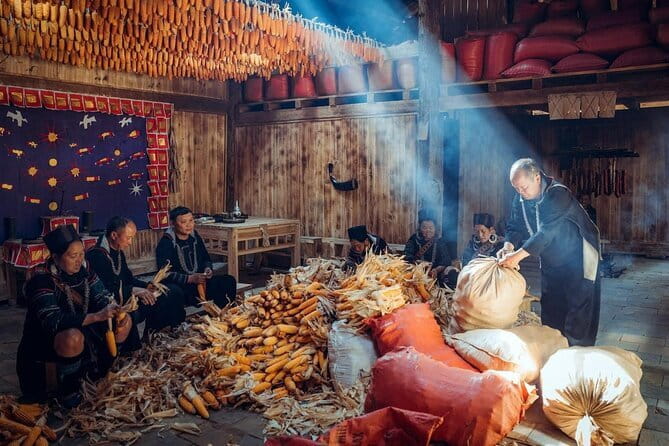
You’ll learn about daily life and observe traditional farming techniques. The most memorable theme here is textiles dyed with natural indigo. Watching how indigo-based dye work connects to the rhythm of village production gives you a reason to look closely instead of just passing by.
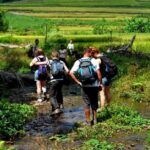
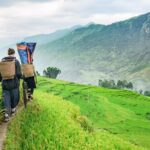
The trail also offers strong photo chances: lush valleys, flowing streams, and viewpoints where the terraced pattern becomes obvious. This is the day you’ll likely want your camera ready, but not in a way that slows you down too much.
Lunch at noon, then onward to Ta Van
Around 12:00 pm, you stop for lunch with sweeping valley views. Lunch on trekking days matters because you’re not stuck hunting food halfway through a route. Having it scheduled also helps keep the group moving at a steady pace.
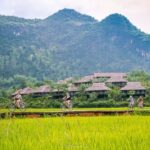
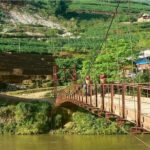
After lunch, you continue to Ta Van Village, a community shared by the Hmong and Giay people. The route features bamboo groves and meandering rivers, plus rustic paths that locals use. It’s a calmer vibe than a town, and it pairs well with the idea of cultural exchange instead of quick sightseeing.
Return options and the 5:30 pm finish
The trek returns toward the main road, and you may have the option to catch a car/mini van back to town if you prefer. Then you’re back in Sapa around 5:30 pm for dinner and free time.
This day is the one where you’ll feel your stamina the most. If you take it steady, stop for photos without sprinting, and drink water often, you’ll likely enjoy it. If you push speed, the path will punish you—especially if it’s wet.
Day 3 to Fansipan: Cable Car Effort Saved, Temple Time Added
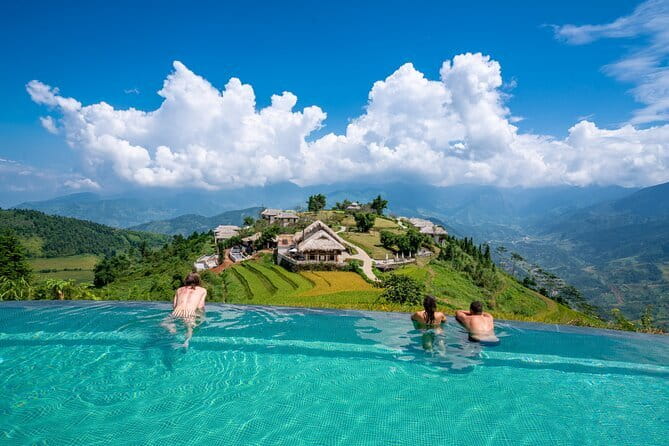
Day 3 is the reward day. You still get mountain views and a sense of place, but you’re not relying on hours of hiking to reach the top.
7:30 am start and the cable car to Vietnam’s highest point
After breakfast, you drive about 3 kilometers to the Fansipan cable car station. Fansipan is the highest peak in Vietnam and Indochina, and the cable car is the smartest way to get the summit experience with less leg strain.
At the top, you spend time exploring the area, visiting temples, and seeing the huge Buddha statue described as the highest on the mountain. This isn’t just a view stop. It’s structured time to walk around, look closely at religious architecture, and feel the scale of being so high above the valley.
You also get back down by cable car at 12:00 pm, and lunch is included at the base. That lunch timing is practical because it gives you a clear plan before heading back to Sapa.
Return to Sapa and the Hanoi shuttle with a packed sandwich
You head back to Sapa around 2:00 pm, and then you have time to shower and freshen up at the hotel. At 3:00 pm, the shuttle takes you to the bus office, and you get help with check-in plus a packed sandwich for the road.
You’re scheduled to arrive in Hanoi around 7:30 pm. It’s a full day, but the pacing feels logical: summit, food, reset, then travel home.
Comfort, Pace, and the Small Group Advantage (Max 15)
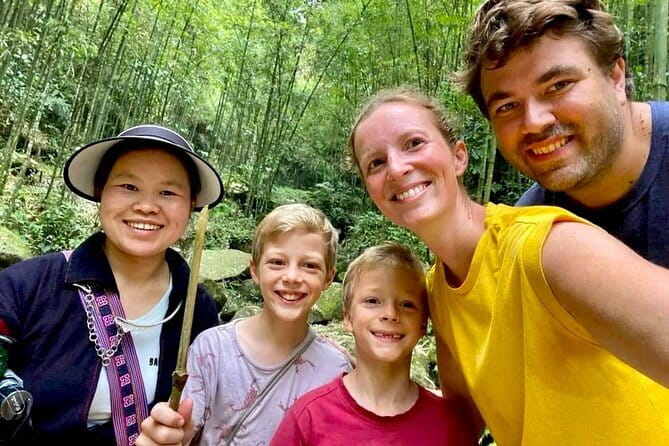
This tour caps at 15 travelers, which changes the experience. You’re less likely to feel like a number, and the guide can actually manage timing on village paths where foot traffic, stairs, and weather can slow people down.
Transport is also part of the comfort picture. The inclusion of an air-conditioned sleeping bus helps on both ends—getting you out of Hanoi early without losing energy to transfers. Pick-up in Sapa is handled, and you’re also supported at the end when returning to Hanoi.
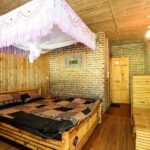
That said, lodging is where expectations need a little reality-check. The tour description promises clean, modern support, but one guest specifically noted a bed odor issue and described the hotel as not very comfortable. Another guest said the hotel was simple but clean, with a soft bed. So yes, you should expect basic comfort, not luxury. If you’re sensitive to smells, pack a small travel odor solution and plan to air out your room when you can.
What You Eat on the Trek (and Why That Matters More Than You Think)

Meals are included every day in a way that supports the trekking. You get:
- Breakfast (2)
- Lunch (3)
- Dinner (2)
Bottled water is included, and vegetarian food is available if you request it.
Why I like this arrangement: when you trek in rural areas, hunger becomes a distraction fast. Scheduled meals keep your energy steady, which improves how much you enjoy the scenery and the village interactions. You’re also less likely to end up paying extra or eating something you don’t like just because it’s close.
Also, having meals included can be a quiet value booster in Vietnam, where food costs can add up across multiple stops. Here, the “what’s next” is handled.
Price and Value: Paying for Tickets, Trails, and Fewer Headaches

At $195 per person, the price isn’t only for hiking. It covers:
- Entrance fees, including Fansipan cable car
- Trekking activities and village visits
- Meals and bottled water as specified
- An English-speaking local guide
- Round-trip transport structure from Hanoi to Sapa and back
When value feels good on trips like this, it’s usually because you’re not paying twice for the same thing. Here, the key paid components—cable car and village access—are included, so you’re not hunting down ticket booths or paying on the fly.
You also get 24/7 hotline support and a guarantee that there’s no extra charge after confirmation, which reduces stress when you’re traveling in a region where plans can shift with weather.
The main cost not included is tips for the guide and beverages/personal expenses. Those are normal, but it’s smart to set aside a little cash so you’re not deciding last minute.
Weather Reality in Sapa (and How This Tour Handles It)
This trek depends on good weather. If poor weather forces a cancellation, you’ll be offered a different date/experience or a full refund.
I like that you’ll get an updated weather forecast so you can prepare. The practical takeaway for you: pack layers and bring trekking shoes that handle mud and moisture. On mountain trails, one wet patch can turn a “manageable downhill” into a slippery one.
Who Should Book This Sapa Trek, and Who Might Want a Different Pace
This works best if you want:
- Real village route time: Cat Cat, Lao Chai, Ta Van
- A culturally guided feel with an English-speaking local expert
- The Fansipan summit experience without a full day of steep hiking
You’ll also probably enjoy it if you like having structured days. The itinerary is clear about start times and what happens next, including your return to Hanoi around 7:30 pm.
If you have serious mobility limits or your fitness level is low, you might find the Day 1 and Day 2 trekking difficult, especially the combination of downhill and the return uphill on Day 1.
Should You Book This 3-Day Sapa Trek?
If you want Sapa with a plan, this is a solid pick. The price makes sense for what’s included: cable car access to Fansipan, multiple village visits, a guide, and meals that keep energy steady. The small group size (max 15) also helps the experience feel more personal.
Book it if you’re ready for real trekking days and you’re okay with simple lodging. Skip it if you’re expecting a high-comfort hotel situation or if you’re worried about smells in rooms—there’s evidence it can be inconsistent.
If your goal is a mountain trip that balances culture, hikes, and summit views without you managing every detail yourself, this is the kind of tour that hits the right notes.
FAQ
How long is the Sapa trek?
The tour runs for about 3 days.
When do we leave Hanoi?
Departure from Hanoi is around 7:00 am on Day 1.
What time do we reach Sapa on Day 1?
The bus ride takes about 4.5 to 5 hours, and you arrive in Sapa in the late morning/early afternoon, then have lunch and check-in before trekking later that day.
Is Fansipan included, and how do we get to the top?
Yes. You visit Fansipan using the cable car. The ticket is included, and you also have time for temples and the large Buddha statue.
Which villages are included in the trek?
You’ll visit Cat Cat Village, Lao Chai Village, and Ta Van Village.
Are entrance fees included?
Yes. Entrance fees, trekking activities, and village visits are included, along with the Fansipan cable car ticket.
What meals are included?
The package includes 2 breakfasts, 3 lunches, and 2 dinners. Bottled water is also included, and vegetarian meals are available on request.
What should I pack for the trek?
Wear comfortable shoes and clothing for trekking and outdoor activities. Bring a small backpack, hat, sunglasses, and mosquito spray.
What happens if weather is bad?
The tour requires good weather. If it’s cancelled due to poor weather, you’ll be offered a different date/experience or a full refund.