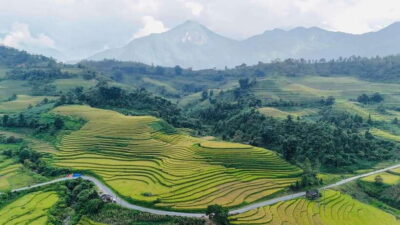
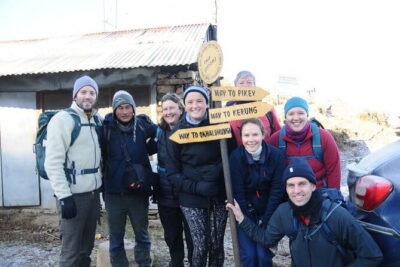
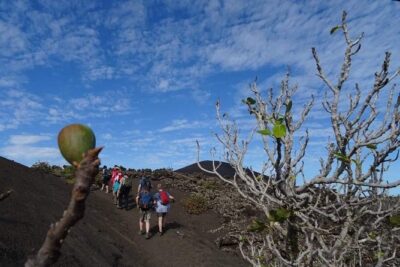
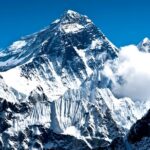
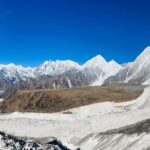
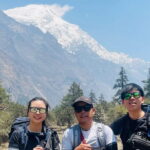
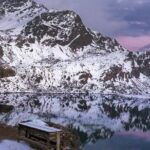
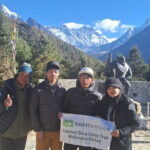
Mardi Himal is the kind of trek that surprises you. You get serious mountain views without the brutal altitude push, topping out around 4,500m, and you do it at a pace that feels realistic in a private setup. I love how the route mixes forest trails with high-alpine scenery, plus the itinerary builds in breathing room so you’re not marching nonstop. The one thing to keep in mind: it is still a real trek with steep days and long walks, so you’ll want solid moderate fitness and good footwear.
If you’ve been looking at Everest-size treks and thinking, No thanks, this is your alternative. You’ll start in Kathmandu (Thamel), ride to Pokhara early, then head into the Annapurna region via Kande and quieter paths through rhododendron forests. Your guide supports the whole time, including helping you slow down when your body asks for it, which matters a lot at these elevations.
In This Review
- Key things I’d plan around
- Why Mardi Himal feels doable at 4,500m
- Your 8-day flow: Kathmandu, Pokhara, and a steady climb into the Annapurnas
- Day 1 in Kathmandu: Thamel for gear, vibes, and an easy reset
- Day 2: Pokhara Lakeside and the river-road start
- Day 3: Kande to Australian Camp and Pothana through forest views
- Day 4: A quieter Annapurna section with rhododendron trees
- Day 5: Gradual ascent, tree line change, and Mardi Himal finally showing up
- Day 6: Early viewpoint hike, then High Camp breakfast and rest
- Day 7: Final descent, forest and settlements, then back to Pokhara
- Day 8: Back to Kathmandu and a final transfer
- Teahouses and meals: what’s included and what you should plan for
- Private guiding and pace control that actually helps
- Price and value: is $666.67 worth it?
- Packing tips for a moderate trek that still hits altitude
- Who this trek suits best (and who should reconsider)
- Should you book Mardi Himal Base Camp for 8 days?
- FAQ
- What is the maximum altitude on this trek?
- Is this trek private?
- What meals are included?
- Do I stay in teahouses?
- What’s the start time?
- Do you include pickup?
- What is the cancellation window?
Key things I’d plan around
- Private pace: you can stop for breaks without feeling rushed.
- Real altitude, not extreme: max around 4,500m while still reaching big-view territory.
- Teahouse comfort level: basic but practical, with included breakfasts.
- Quiet-feeling days: you spend time on less crowded sections of the Annapurna region.
- Guides who communicate: praised for being welcoming, informative, and helpful on the ground.
- Meals included: 7 breakfasts, 5 lunches, and 5 dinners (drinks are not included).
Why Mardi Himal feels doable at 4,500m
Mardi Himal’s appeal is simple: you get that high-mountain feeling without needing to train for a death-march. The trek’s top altitude is listed at 14,760 feet / 4,500m, which is high enough to require acclimatization and smart pacing, but it’s not the same kind of altitude game you’ll play on higher routes.
What I like for you is that the schedule gives you time to adapt. The trek is designed around moderate daily effort with multiple chances to slow down and absorb the altitude, rather than stacking hard, high-elevation days back-to-back. That’s a big deal when you want the views, not just the survival story.
One more point: the route still has variety. You move from forest sections into higher alpine terrain above the tree line, and the scenery shifts as your day progresses. That keeps the trek interesting even when your legs are asking for mercy.
You can also read our reviews of more tours and experiences in Kathmandu.
Your 8-day flow: Kathmandu, Pokhara, and a steady climb into the Annapurnas
This is an 8-day program built around moving you into the trekking zone smoothly. You don’t start with a steep climb the moment you land. Instead, you get a Kathmandu overnight, then an early bus ride to Pokhara, then a drive out to the trailhead area before you begin hiking.
The private style matters here. You’re only with your own group, and a guide is there to handle the logistics so you’re not negotiating guesthouses, trail decisions, or timing day by day. Multiple reviews highlight that the setup feels organized and supportive, and that solo travelers felt comfortable.
Also, the start time is early: 6:15am is listed for the experience start. Translation: don’t plan on sleeping in on day one.
Day 1 in Kathmandu: Thamel for gear, vibes, and an easy reset
Day 1 is all about getting your bearings in Kathmandu. You arrive and transfer to your hotel, then spend time in Thamel. It’s a good place to handle basics you might still need—water, snacks, or last-minute comfort items—because you’re already in the tourist gear world.
What makes this day worth it is pacing. You’re not being shoved into a long ride or a night hike. You’re settling your body and your schedule first, so the next morning’s early departure doesn’t feel like punishment.
Tip: if you’re prone to overpacking, Thamel is where you’ll discover what you actually use for a cold hike. Keep it simple.
Day 2: Pokhara Lakeside and the river-road start
You leave Kathmandu early by tourist bus around 6:30am. The drive follows along the Trishuli and Marshyangdi rivers, which makes the ride feel less like a boring transfer and more like a warm-up into Nepal’s scenery.
Once you reach Pokhara, you get an evening walk around Lakeside. This is useful in a practical way: it helps you wake up your appetite, get some light movement after the bus, and pick up any final trekking comforts before the trek begins.
If you’re the type who needs food and clarity before big days, this evening in Pokhara is the calm before the climb.
Day 3: Kande to Australian Camp and Pothana through forest views
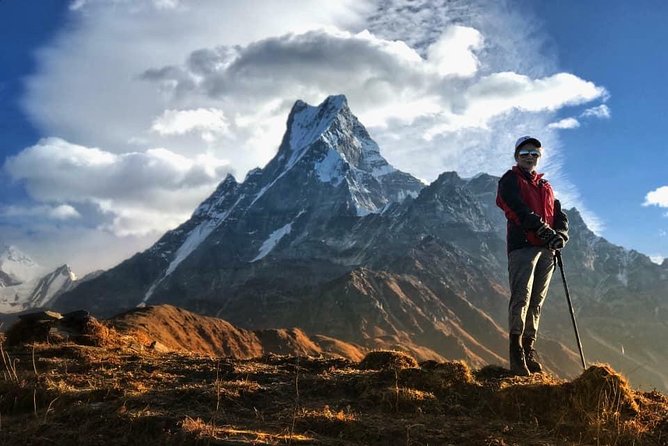
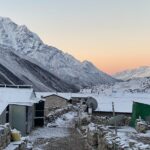
On day 3, you drive about 1.5 hours to Kande, then you start trekking through Australian Camp and Pothana. The trail is described as forested, with mountain views of Annapurna and Machhapuchhre.
This is a smart start for a moderate trek. Forest trails help your body transition from city altitude and routine into trekking rhythm. Meanwhile, the early mountain glimpses let you feel the payoff without waiting until day five to see anything impressive.
One drawback to be aware of: forest days can be cooler and sometimes damp. Pack for layering, not just sun.
Day 4: A quieter Annapurna section with rhododendron trees
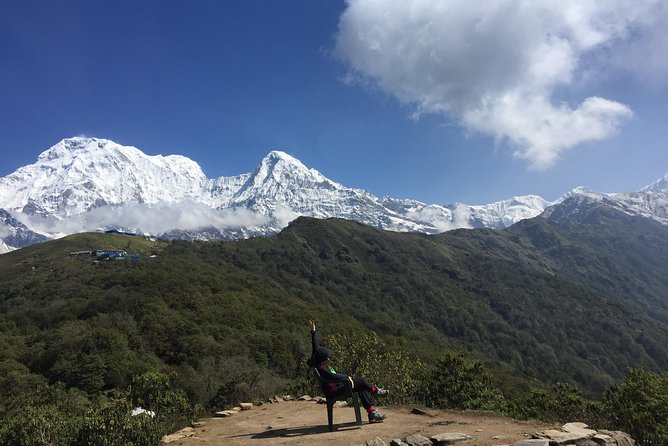
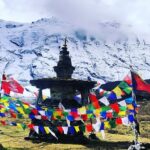
Day 4 leans into the less crowded side of the Annapurna region. You’ll be on a quiet trail through rhododendron forests, which changes the whole feel of the hike.
This kind of day matters if you’re trying to avoid the bottleneck effect. Instead of feeling like you’re passing people every 5 minutes, you get more space—mentally and physically—to walk at your own pace, stop when needed, and enjoy the atmosphere.
If you love photos, rhododendron sections can be a mood-changer because the light and color contrast with open, exposed terrain later.
Day 5: Gradual ascent, tree line change, and Mardi Himal finally showing up
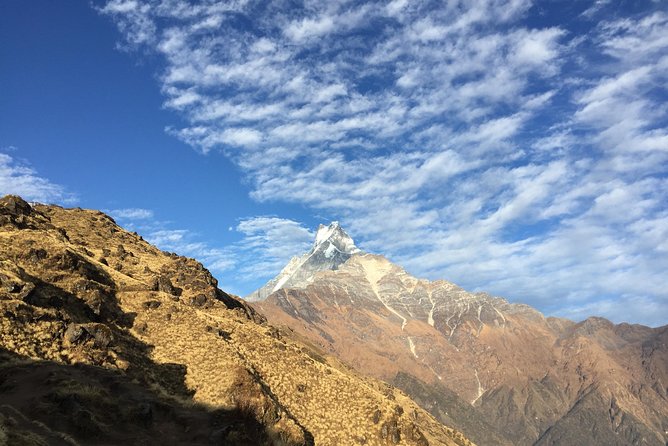
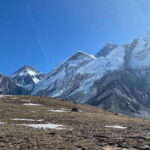
Day 5 is the big transition. You’ll take a gradual ascent with stunning views of Mardi Himal and Machhapuchhre. The trail rises above the tree line into more alpine terrain, and the hiking day is listed at about 6 hours.
This is the day where you’ll likely feel the trek’s altitude more than on the earlier forest sections. “Above tree line” usually means more wind exposure, sharper temperature swings, and fewer natural distractions from the work of walking.
A practical mindset for you: aim for steady movement, short breaks, and consistent breathing. Multiple reviews mention not feeling overwhelmed and taking breaks as needed. That’s the right strategy—use your guide to adjust pacing rather than forcing it.
Day 6: Early viewpoint hike, then High Camp breakfast and rest
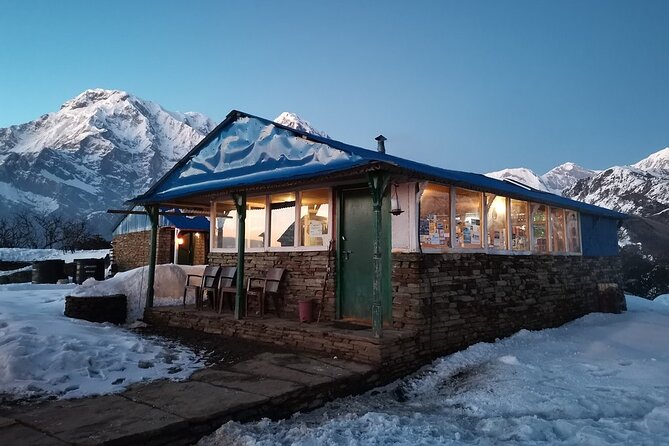
Day 6 is built around views and timing. You start with an early morning hike to a viewpoint for panoramic scenes of Annapurna South, Hiunchuli, and Machhapuchhre. After that, you return to High Camp for breakfast and rest.
This structure is great for you if you’re chasing the classic mountain-moment but don’t want to spend your entire day walking. The early start gives you the best chance for clearer sightlines, then you get the payoff and a recovery block.
The return to High Camp for breakfast and rest is also useful because it reduces the chance you’ll turn a scenic day into a fatigue spiral. At higher elevations, you’ll feel better when you plan for food and downtime.
Day 7: Final descent, forest and settlements, then back to Pokhara
Day 7 is your descent day, described as a final descent through forest and small settlements. Then you drive back to Pokhara, with a free evening at Lakeside for relaxation.
This is not just a convenience day. Descent is often easier than ascent mentally, but it can still batter your knees and shins. If you’ve got trekking poles, this is where they earn their keep. Walk controlled, take shorter steps, and treat the descent like part of the workout, not a victory lap.
Your free evening in Pokhara is the chance to celebrate with a hot meal, do laundry if you want, and reset for the trip back to Kathmandu.
Day 8: Back to Kathmandu and a final transfer
On day 8, you take a tourist bus back to Kathmandu and transfer to your hotel on arrival. The listed drive time is about 6 hours.
If you keep your schedule flexible, you can treat this as a recovery day. Don’t pile on big plans that require peak energy. You just hiked in high altitude air and walked several days in a row.
Teahouses and meals: what’s included and what you should plan for
Food and sleep are often the make-or-break part of a trek like this. Here’s what’s included:
- Breakfast: 7
- Lunch: 5
- Dinner: 5
Drinks are not included.
The trek uses basic but comfortable teahouses, including breakfasts. That wording usually means: warm enough, clean enough, and simple. Expect single rooms or shared arrangements depending on availability, and bring the attitude of a realist—hot showers aren’t guaranteed, and space can be tight.
Practical tip: bring a light layer you’ll actually use at night. Even when days feel warm, mountain evenings can cool fast at around 4,500m.
Private guiding and pace control that actually helps
The private format isn’t just a pricing gimmick. It changes how the day feels.
A guide is there to support you, tell you about nature and culture along the way, and help you keep a pace that fits your body. Reviews praise the guides for being welcoming and informative, and for making the trek feel not overwhelming. One solo traveler specifically noted feeling no safety concern, which is exactly the kind of comfort you want when you’re hiking in a region where weather can shift.
Also, organization matters. Reviews mention that the company handled everything ahead of time—tea houses, the flow of days, and general efficiency. That kind of planning reduces decision fatigue, which is a sneaky energy drain on a trek.
If you’re someone who asks lots of questions, you’ll likely appreciate the guide’s patience. That was called out positively in other trekking experiences with the same operator.
Price and value: is $666.67 worth it?
At $666.67 per person, this trek sits in a mid-range zone for an 8-day private Himalayan experience. The value isn’t the mountain views alone—it’s what’s wrapped around them:
- Private guiding and support
- Transport segments between Kathmandu, Pokhara, and trailhead areas
- A structured route with acclimatization time
- Basic teahouse lodging with included breakfasts
- A full meals package (7 breakfasts, 5 lunches, 5 dinners)
- Customization to suit your needs (within reason)
So you’re not paying just for walking. You’re paying for a system that reduces hassles: fewer logistics to manage, fewer decisions under stress, and a pace that’s less likely to push you beyond what your body can handle.
The tradeoff is that this price won’t cover drinks, and teahouse basics still mean you’ll handle your own comfort items. Bring layers and expect simple rooms. That’s normal for this kind of trekking style.
Packing tips for a moderate trek that still hits altitude
Based on the trek’s height (max 4,500m) and the mix of forest and above-tree-line hiking, pack like you expect temperature shifts. Focus on layers and weather readiness:
- Footwear with traction for uneven stone and dirt
- Warm mid-layer for mornings and higher sections
- Lightweight rain protection (forest days can be damp)
- Sunglasses and sun protection (higher sections can be bright)
- Trekking poles if you like knee-friendly descents
- A headlamp or small flashlight for early starts
And don’t forget the practical stuff: snacks you like, a refillable water plan, and a small first-aid kit. Drinks aren’t included, so you’ll want to manage hydration intentionally.
Who this trek suits best (and who should reconsider)
This Mardi Himal trek is a good match if you want:
- A moderate Himalayan experience
- Strong mountain scenery without going too high
- A private pace with a guide by your side
- Included meals and simple teahouse stays
It’s also a good fit if you don’t want to feel overwhelmed. Reviews repeatedly mention pacing, breaks, and feeling supported rather than pushed.
You might reconsider if you’re looking for an easy stroll with minimal effort. Even with acclimatization time, you’ll have steep moments and multi-hour days, including a trek day listed around 6 hours and a viewpoint day that starts early.
Should you book Mardi Himal Base Camp for 8 days?
I’d book this if you want a realistic trek that still rewards you with big views and a calmer pace. The private setup, meals included, and the altitude capped around 4,500m make it a strong choice for people who want mountain time without turning it into an extreme altitude project.
Book if you’re ready to hike with some effort, pack for cool mornings, and let your guide help you pace well. Skip it if you’re chasing a fully luxury comfort level or you’re expecting the walk to be short and gentle every single day.
If that sounds like you, Mardi Himal is the kind of trek that leaves you with more than photos. It leaves you with that quiet satisfaction of earning the view at a pace you chose.
FAQ
What is the maximum altitude on this trek?
The highest point is listed as about 14,760 feet (4,500 meters).
Is this trek private?
Yes. It’s a private tour, so only your group participates.
What meals are included?
Breakfast is included for 7 days, and lunch and dinner are included for 5 days each. Drinks are not included.
Do I stay in teahouses?
Yes. You’ll stay in basic but comfortable teahouses, including breakfasts.
What’s the start time?
The listed start time is 6:15 am.
Do you include pickup?
Pickup is offered.
What is the cancellation window?
Free cancellation is available up to 24 hours in advance of the experience start time for a full refund.