REVIEW · SA PA
Sapa: Ta Phin Village Trek with Lunch and Bathing Experience
Book on GetYourGuide →Operated by HELEN · Bookable on GetYourGuide
Sapa walks start slow, end wonderfully. This 9-hour Ta Phin Village trek takes you through cardamom valleys, working rice paddies, and two ethnic communities of northern Vietnam, then finishes with a herbal bathing experience for full-body cooldown. You’ll also visit Ta Phin Cave and see local brocade making along the way.
I really like how the route feels small and human. In my kind of day, you’re not stuck staring at screens for hours—you’re watching buffalo, chickens, and daily life, then stepping into a Hmong-family lunch with mountain views. I also like the way the tour doesn’t treat the herbal bath as a gimmick; it’s built in as a real reset after hiking.
One drawback to weigh: if you expect lots of long breaks and heavy cultural storytelling at every stop, this may not match your style. There are also a couple practical concerns to keep in mind, like Ta Phin Cave being dark and potentially slippery, and the herbal bath facilities being basic.
In This Review
- Key takeaways before you go
- Starting from Hoàng Văn Thụ: how the day is timed and paced
- Cardamom trails and Suối Hồ: where the trek starts with real life
- Rice paddy walking to Ma Tra: the lunch stop you actually remember
- Ta Phin village: Hmong and Dao traditions in daily practice
- Ta Phin Cave: exciting, but treat it like cave terrain
- The herbal bath: local remedy after you’ve earned it
- What the walk feels like: distance, weather, and your comfort level
- Group size and guide support: English varies, so ask smart questions
- Price and value: why $28 can be a good deal (or not)
- Respect on the trail: rules that keep the experience authentic
- Should you book the Ta Phin Village trek with lunch and bath?
- FAQ
- How long is the Sapa Ta Phin Village trek with lunch and bathing?
- What time does the tour start and when do you return?
- Is lunch included, and where is it served?
- Do I get to visit Ta Phin Cave during the tour?
- What does the herbal bath experience include?
- Is the tour offered in English?
- What should I bring for the trek?
- Who should not join this tour?
- What is not allowed during the experience?
Key takeaways before you go
- Cardamom valleys early on: you’ll spot cardamom trees in small valley paths before the main trek
- Black Hmong village walk (Suối Hồ): old, small houses and everyday animal life along the trail
- Lunch with a Hmong family: outdoor patio seating with a view, included in the price
- Ta Phin culture stops: Hmong marriage traditions, Red Dao herbal medicine, and brocade making
- Herbal bath as the finish: a local remedy after a day of walking, sometimes with private or shared bathing areas
- Ta Phin Cave is not a walk-in park: go carefully, especially if the lighting is limited
Starting from Hoàng Văn Thụ: how the day is timed and paced
The day runs long enough to feel like a real experience, not a quick photo loop. You get picked up around 9:00 from your accommodation, then the guide leads you to the trail. The group stays small, with a maximum of 10 participants, which helps the pace feel more manageable and less chaotic on narrow paths.
After a morning of walking and village stops, you’ll have lunch in the middle of the trek, then continue to Ta Phin village and Ta Phin Cave. Transport back to Sapa happens around 16:30–17:00, so you should plan for a full day in the mountains.
If you’re the type who likes breathing room, you’ll still want to keep expectations realistic. Most of the time, the tour moves through several locations in sequence, and you’ll get photo stops and guided context—just not every step turns into a long museum-style talk.
You can also read our reviews of more tours and experiences in Sa Pa.
Cardamom trails and Suối Hồ: where the trek starts with real life
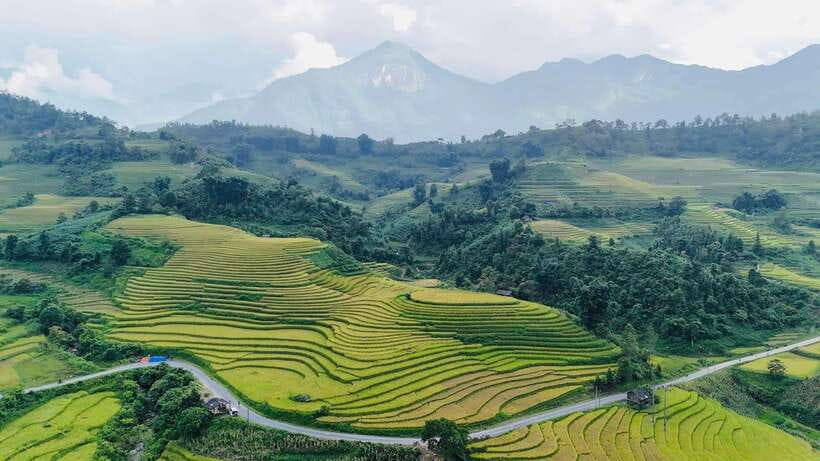
Right after the introduction, you walk about 5 minutes to reach a small trail where you can see cardamom trees growing in the valley. It’s a neat early marker because cardamom is one of Sapa’s prized local crops, and seeing it in its actual growing environment makes the region feel specific instead of generic.
Then the hike heads downhill to Suối Hồ, a village area associated with the Black Hmong minority. You’ll notice the houses are older and smaller, which changes the vibe fast. Instead of modern-looking scenery, you’re seeing a place that looks lived-in, with tight spaces and practical building styles.
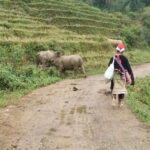
This morning section also includes animal life you’ll likely recognize but rarely see up close in a controlled way. Depending on where you pass, you may see water buffalo, chickens, dogs, and pigs. It’s not staged. The value here is that the trail runs through how people actually farm and manage daily routines.
Practical tip: wear shoes that handle uneven ground. Even early on, the footing can be slippery or muddy depending on the weather.
Rice paddy walking to Ma Tra: the lunch stop you actually remember
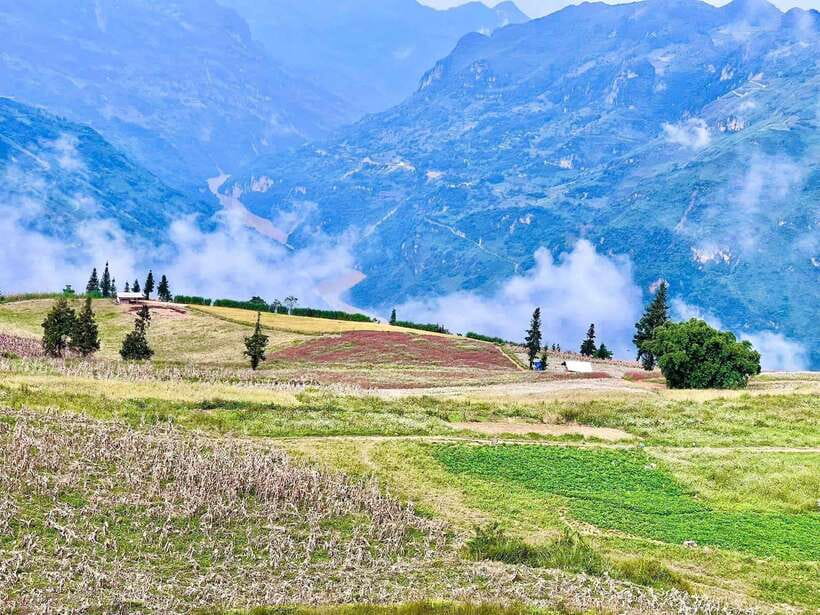
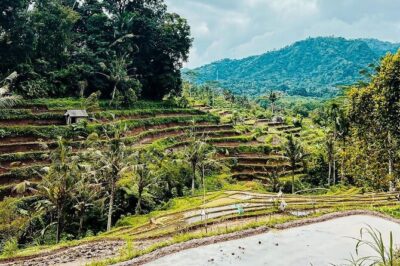
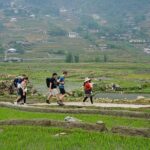
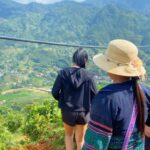
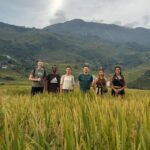
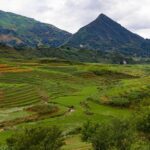
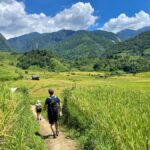
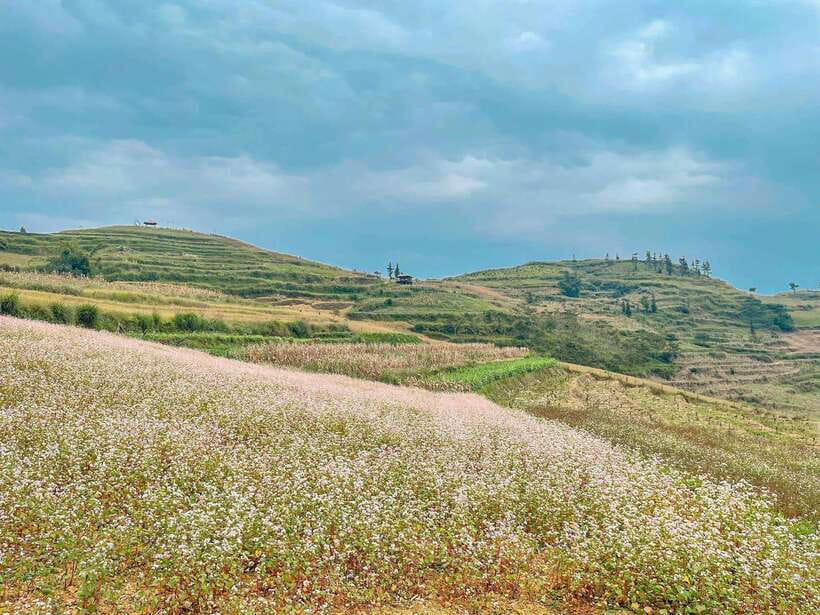
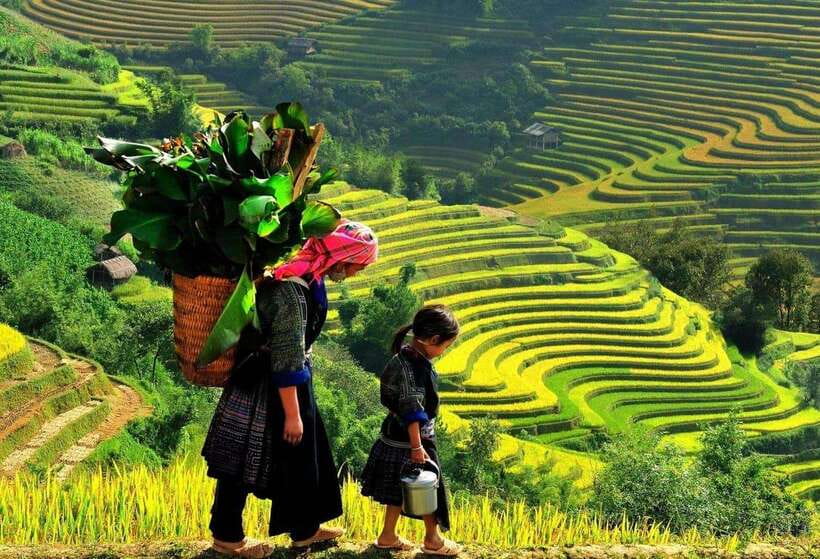
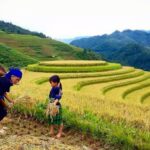
After Suối Hồ, you continue trekking on a small road that runs inside the rice paddies toward Ma Tra. This is the part where the day shifts from village streets into working agriculture. The paddies change the light and the sound. It’s easier to feel the scale of the fields, and you’ll likely get frequent chances to pause for photos.
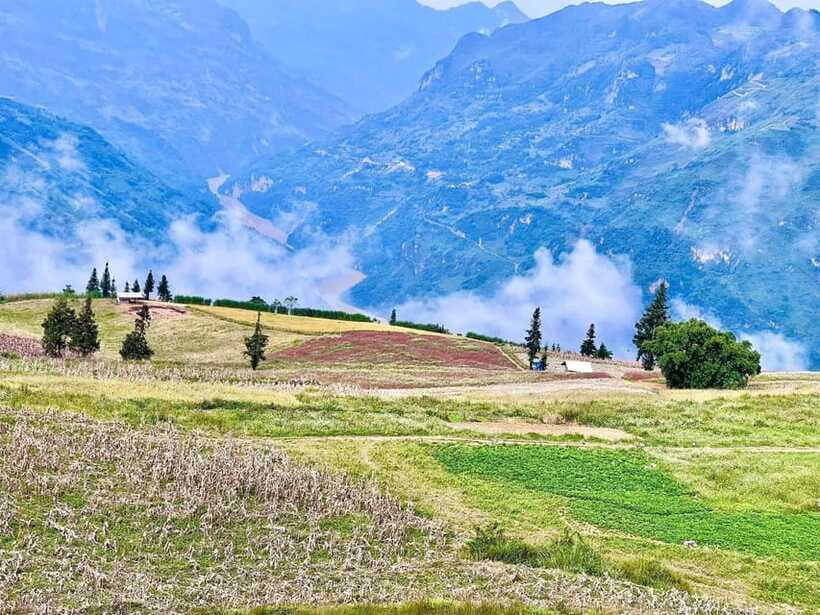
At Ma Tra, lunch is included at a small restaurant run by a traditional Hmong family. The best part isn’t just that it’s included. It’s that lunch is served in a setting with an outdoor patio and amazing views, so the food and the mountain air become part of the memory.
A couple notes so you’re not surprised:
- Drinks at lunch are not included, so bring cash or plan your water strategy.
- You’ll likely be hungry by this point, and the meal is your recovery window. Take it.
If you’re sensitive to spicy food, you may want to ask about what’s on the menu. The tour data doesn’t specify exact dishes, so it’s worth checking with the guide before you assume anything.
Ta Phin village: Hmong and Dao traditions in daily practice
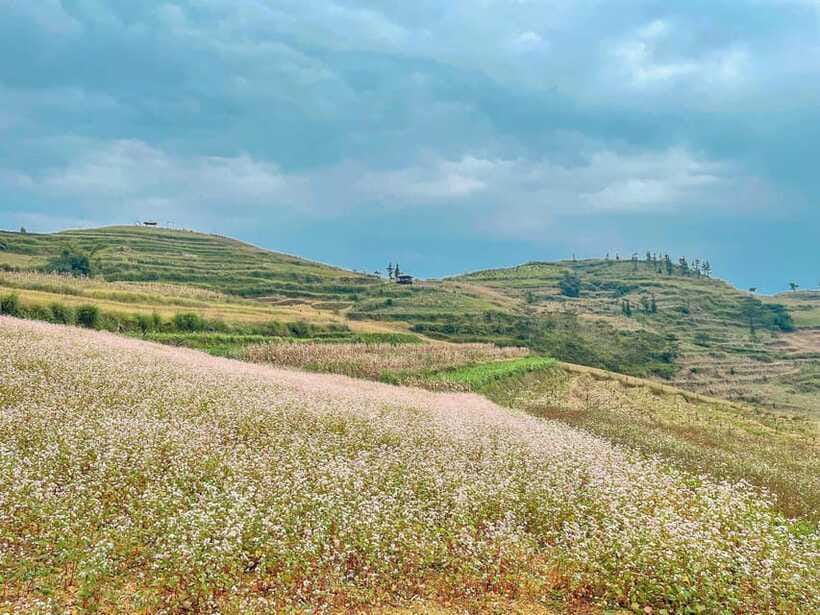
After lunch, you head toward Ta Phin village, described as a living community of Hmong and Dao ethnic groups. This is one of the main reasons the trek feels more than a walking route: you get cultural context while you’re still moving through the area.
Two cultural themes are highlighted:
- Hmong marriage traditions, which are distinct and tied to community practices
- Red Dao herbal medicine, where plants from the land are used to treat many illnesses
You may also encounter local craft work. The tour includes a moment where you can see women making brocade products to sell. Watching the process matters because brocade isn’t just something you buy; it’s skill, time, and household practice. Even if you don’t plan to purchase, it’s useful context for how items become income and identity.
This is also a good place to ask questions. The most satisfying moments in Sapa usually come when you show curiosity instead of racing to the next photo.
Ta Phin Cave: exciting, but treat it like cave terrain
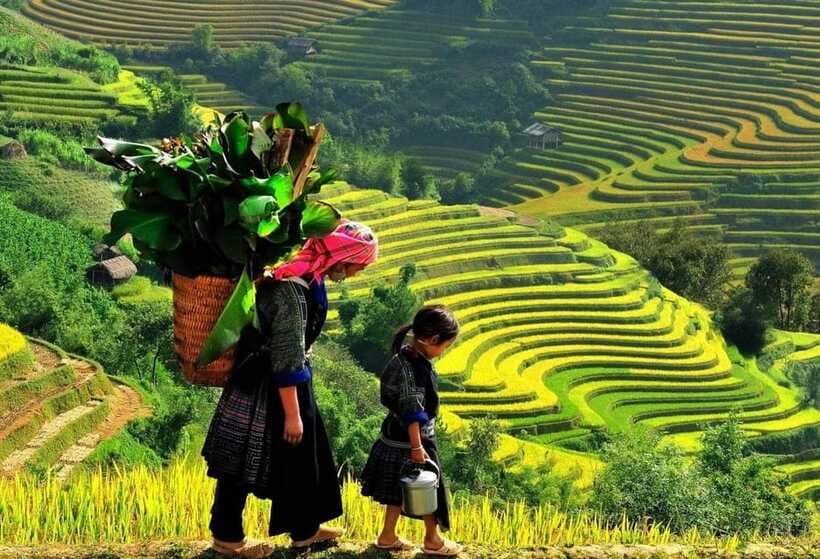
Ta Phin Cave is included as a stop, with entrance fees covered. The cave is described as going very deep into the mountains, and that’s your cue to slow down. Caves are cooler than the outside air, and they can be darker than you expect.
One real caution: some departures may have limited support for exploring safely. If you notice there isn’t adequate lighting, don’t force it. Ask the guide directly about how far you’re meant to go and how the cave is handled in darker spots.
Also, be prepared for potentially slippery surfaces. Even with good footwear, cave steps and uneven stone can be tricky. Move deliberately and don’t rush to prove anything.

The herbal bath: local remedy after you’ve earned it
The finishing touch is a herbal bath experience at a local bathing place. This is where the day stops being about views and starts being about recovery. After hours of walking—plus uneven ground—your legs will appreciate the idea of soaking in a local remedy made from plants.
The tour runs this as a guided experience, not a DIY stop. You’ll be able to immerse yourself in relaxation and use the herbal bath area as your cooldown.
A couple specifics you can plan around:
- Some guides include the option to bathe privately or in shared spaces
- You may find the environment is simple and not spa-clean by resort standards
That last point matters. One concern raised was that the bathing space can feel damp and basic. You can’t change that reality from inside the schedule, but you can prepare your expectations. Bring your comfort sense, follow the guide’s instructions, and don’t overthink it as long as you can keep the experience respectful and safe.
If you hate surprises in hygiene settings, you might want to rethink. If you’re okay with hands-on, local-style experiences, this part can be the best payoff of the day.
What the walk feels like: distance, weather, and your comfort level
The tour data calls it a considerable amount of hiking, and the experience description assumes you’ll bring the right gear. You’ll want comfortable shoes, plus a hat, sunscreen, insect repellent, and water.
Weather in Sapa can shift fast. Even if the morning starts bright, clouds and mist can make paths slippery. Plan like that: hat and sunscreen still matter, and repellent is smart around village edges.
One review mentioned a total distance of about 15 km by the end of the day. That’s not guaranteed for every group, but it gives you a reasonable sense of effort. Treat this as a proper hike, not a stroll.
You’re also told the tour is not suitable for:
- children under 6
- pregnant women
- people with back problems
- people with mobility impairments
- wheelchair users
That’s not just legal wording. The terrain and long walking hours make the restrictions practical.
Group size and guide support: English varies, so ask smart questions
This is a small-group tour capped at 10 participants, and it’s led by a live English-speaking guide. In recent trips, guides named Su and Vang have been mentioned as leading the day. That’s good news because it means you can get real conversation time, not just a loud microphone and a checklist.
What to do if language clarity is a concern: ask questions early and keep your tone simple. If you want more culture context, ask for it. One less-satisfying experience centered on not learning much about local history and having difficulty understanding a guide. You can reduce the risk by being proactive.
The best moments in this tour come from a guide who listens and answers follow-ups. If your guide is interactive, the day can feel genuinely personal—like someone is explaining their home, not reciting a route.
Price and value: why $28 can be a good deal (or not)
At $28 per person for a 9-hour experience, the value depends on what you want from Sapa. Here’s what you do get included:
- pickup and drop-off at your accommodation
- an English-speaking guide
- lunch at a traditional Hmong family restaurant (with views)
- Ta Phin Cave entrance
- herbal bath experience
Not included:
- drinks at lunch
- personal expenses
- tip for the guide
So you’re not just paying for walking. You’re paying for guided access to villages, a structured meal, a cave entry, and the bathing portion. In a region where you can easily spend money chasing experiences one by one, this package can be efficient.
The trade-off is that you’re also signing up for a fixed schedule. If your top priority is lots of breaks or deeper stops, you might feel a little rushed. One critique was that the day felt underwhelming because there were few interesting pauses and the cave visit didn’t feel fully supported. That’s why I suggest you go in with a hiking mindset first, then let the culture and bath be the bonus.
One extra perk: after your trip, you get a 20% discount on massage at Massage Lits, 01 Hoàng Văn Thụ. It’s a small detail, but in a place like Sapa it can be the perfect way to finish the day with sore-muscle recovery.
Respect on the trail: rules that keep the experience authentic
The tour lays out simple expectations that keep things respectful and safe:
- no smoking
- no littering
- no feeding animals
- no touching plants
These rules are more than instructions. They protect the village environment and reduce friction between visitors and locals. If you want authentic experiences in Sapa, you’ll get more goodwill by acting like a careful guest.
Also, village visits run better when you move quietly and ask before you point or photograph. The tour is built to be community-friendly, and your behavior is part of how that works.
Should you book the Ta Phin Village trek with lunch and bath?
Yes, if you want a small-group Sapa trek that mixes real village paths, rice paddy walking, and cultural stops for Hmong and Dao traditions, then rewards you with a herbal bath that helps your body reset.
I’d also say yes if you enjoy guides who talk through agriculture and daily life—especially if your guide is someone like Su or Vang, who have been highlighted for being kind and easy to engage with.
I’d hesitate if you need frequent breaks, deep historical storytelling at every stop, or strong cave safety support. If you’re picky about facilities and want a spa-like cleanliness level for the bath, this may not feel like your kind of day. And if you struggle with English clarity, be ready to ask simple questions and keep expectations flexible.
If you book, go prepared, walk with purpose, and treat the day like a mix of culture + hiking. Done right, Ta Phin feels like the kind of Sapa that actually belongs to the place.
FAQ
How long is the Sapa Ta Phin Village trek with lunch and bathing?
The tour runs about 9 hours.
What time does the tour start and when do you return?
You’re picked up at your accommodation at around 9:00 and you return by transport from Ta Phin to Sapa around 16:30–17:00.
Is lunch included, and where is it served?
Yes. Lunch is included and served at a small restaurant run by a traditional Hmong family, with an outdoor patio and mountain views.
Do I get to visit Ta Phin Cave during the tour?
Yes. Entrance to Ta Phin Cave is included.
What does the herbal bath experience include?
You’ll enjoy a local remedy herbal bath after the trek as part of the tour. The experience is included.
Is the tour offered in English?
Yes. The tour includes a live English-speaking guide.
What should I bring for the trek?
Bring comfortable shoes, hat, camera, sunscreen, water, and insect repellent.
Who should not join this tour?
It’s not suitable for children under 6, pregnant women, people with back problems, people with mobility impairments, or wheelchair users.
What is not allowed during the experience?
You’re asked to not smoke, not litter, not feed animals, and not touch plants.