REVIEW · SAPA
Trekking 1 circle the local village to admire Muong Hoa valley
Book on Viator →Operated by Saparis Horizon Travel · Bookable on Viator
A mountain walk with real village stops beats the town circuit. This 2-day Muong Hoa valley trek takes you off the main drag and into a string of minority villages, with rice terraces, stilt houses, and moments that feel like daily life—not a quick photo stop. Two things I really like: the route is built around scenic mountain trails, and you get time for cultural contact instead of only viewpoints.
You’ll also appreciate the panoramic stop over Sapa town and the terraced fields, plus an overnight in Su Pan where local food and village routines are part of the plan. One consideration: this is active, and the walking between villages can add up across two days, so plan for tired legs (and pack for uneven paths).
In This Review
- Key highlights you should know
- Why This Muong Hoa Circle Trek Feels More Local
- Price and What You Actually Get for $85
- Day 1: Pickup in Sapa, Hang Da, and the Black H’Mong Trail
- Hau Thao to Su Pan: Lunch, Rice Fields, and a Homestay Night
- Panoramas Over Sapa and Muong Hoa: The Viewpoint Moment
- Day 2: Giang Ta Chai (Red Dao) to Ta Van (Giáy) Rice Terraces
- Lao Chai and the Cross-Bridge Moment Into Muong Hoa Valley
- Food, Timing, and What to Pack for an Active Two-Day Trek
- Who This Trek Is Best For (and When to Skip It)
- Booking Tip: Make Sure the Trek Matches Your Comfort Level
- Should You Book This Circle Trek Around Muong Hoa?
- FAQ
- Where is this trekking experience located?
- How long is the trip?
- What does it cost?
- Is hotel pickup included?
- How many villages are included in the route?
- Do you stay overnight during the trek?
- Is lunch provided?
- Is it a private tour?
- What is the cancellation policy?
- How do tickets work?
Key highlights you should know
- A “circle” feel around the valley: multiple villages connected by local paths, not just one straight out-and-back hike
- Black H’Mong, Red Dao, Giay, and Black H’Mong again: you’ll see different ways of village life across the route
- Su Pan homestay night: an actual overnight in a local village, with local food included in the experience
- Panoramas over Sapa and Muong Hoa: you’re taken to viewpoints for wide terraced-field views
- Energetic, group-friendly guiding: the guides are praised as fun and active, which helps when the trail gets long
Why This Muong Hoa Circle Trek Feels More Local
Sapa can be easy to overdo: lots of shops, lots of sameness, and not much time with villagers as people. This trek is different because it’s structured like a day of moving through neighborhoods where rice grows and houses cling to the hillsides.
You start with a pickup from your Sapa hotel, then spend the day hopping village to village—Hang Da (Black H’Mong), Hau Thao, and eventually Su Pan for your homestay night. The second day continues with Giang Ta Chai (Red Dao) and Ta Van (Giáy), then rounds things out at Lao Chai as you head back toward town.
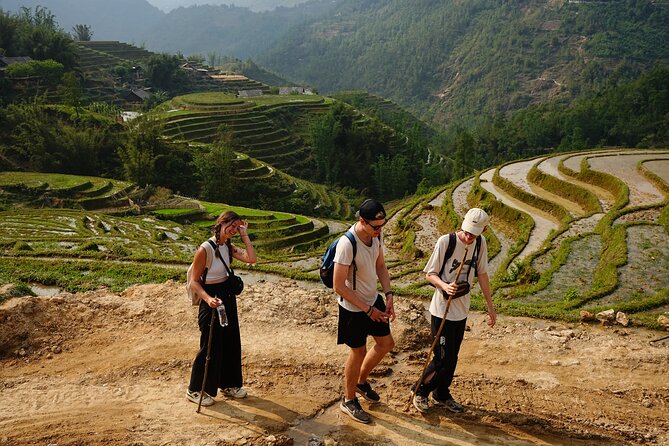
The “local” part isn’t just marketing. The route passes through village paths and terraced fields, so you’re not only looking at the countryside—you’re walking through it, with the rhythm of daily life alongside you.
Price and What You Actually Get for $85
At $85 per person for about 2 days, this sits in the mid-range for Sapa trekking tours. What makes it feel like decent value is that the price isn’t only for a guide and transport. You also get:
- A homestay night in Su Pan
- Time in several villages across the Muong Hoa area
- A schedule that includes lunch (and one review explicitly notes lunch is provided and comes with a lot of food)
- Transfer support in Sapa town via hotel pickup and return
Also, you’re traveling as a private tour/activity with only your group. That matters on a trek because it usually means less waiting around for strangers and more flexibility with your pace.
If you’re the kind of traveler who hates rushing, this price makes more sense. You’re paying for a full, structured village circuit—not a short scenic walk.
Day 1: Pickup in Sapa, Hang Da, and the Black H’Mong Trail
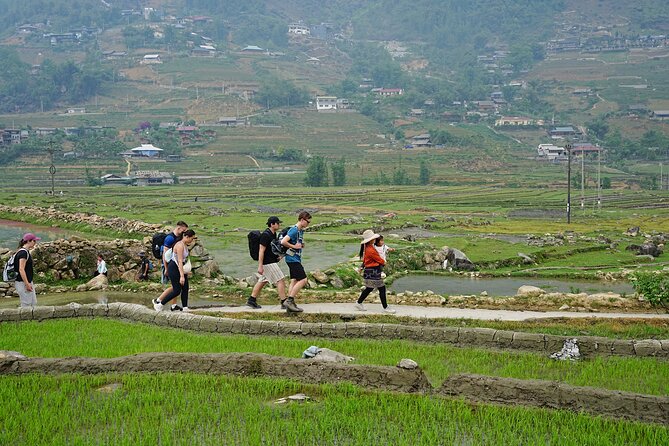
Your Day 1 begins early, with pickup between 08:00 and 08:30 from accommodations in Sapa town. That early start is one of the smart choices here: you beat some of the midday crowds and get better light for trekking views.
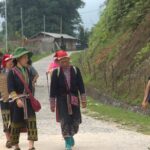
After a short welcome, you move downhill toward Hang Da Village, home to the Black H’Mong. The visit runs about 10:00 to 11:30, and the focus is on seeing village life and then walking the mountainside trails connected to the settlement.
What I like about this first village stop is that it sets the tone. You’re not dropped into a place that feels like a museum. You’re meeting people where homes, paths, and fields are part of the same system.
A practical note: early in the morning, paths can be slick or uneven. If you’re coming from Sapa town at elevation, give yourself 10–15 minutes to settle into the pace before you judge the trail difficulty.
Hau Thao to Su Pan: Lunch, Rice Fields, and a Homestay Night
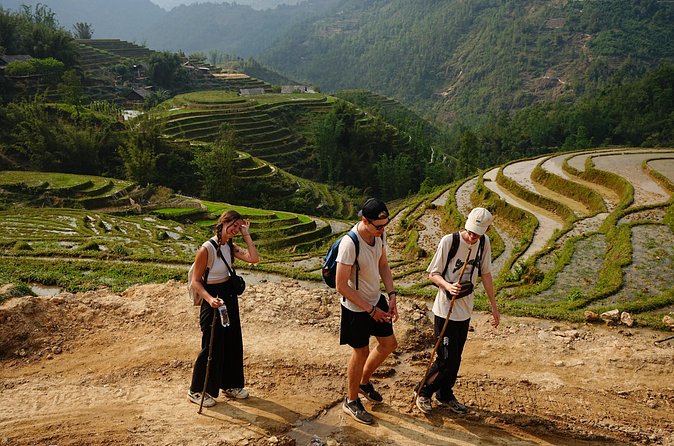
After Hang Da, the plan shifts toward Hau Thao Village. You continue trekking along small roads and reach Hau Thao around early afternoon, with about 2 hours to explore ethnic life and walk through rice-field scenery.
You’ll also have lunch before the continuation. One review highlights that lunch is provided and there’s plenty of it, which is exactly what you want on a trek day—good fuel without turning lunch into a scavenger hunt.
Then you head toward Su Pan, arriving in the mid-afternoon timeframe (around 14:30 to 15:00). The big value move happens here: you stay one night at a local homestay.
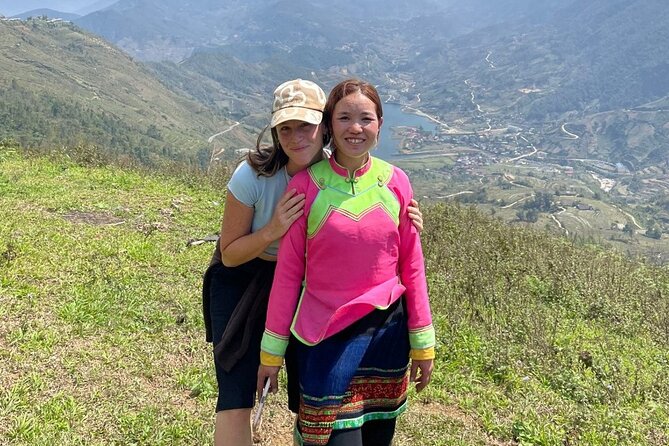
In the homestay, the experience is meant to be about the day after the walking—quiet village atmosphere, local food, and observing customs as the evening settles in. Reviews also describe the homestay/overnight vibe as part of a true local experience, even if some of the villages are still popular with visitors.
One thing to consider: a homestay night is not a hotel night. Your comfort level depends on what the homestay offers at the time (space, bathroom setup, heating/blankets). The upside is that this is where the trek turns from sightseeing into something more human.
Panoramas Over Sapa and Muong Hoa: The Viewpoint Moment
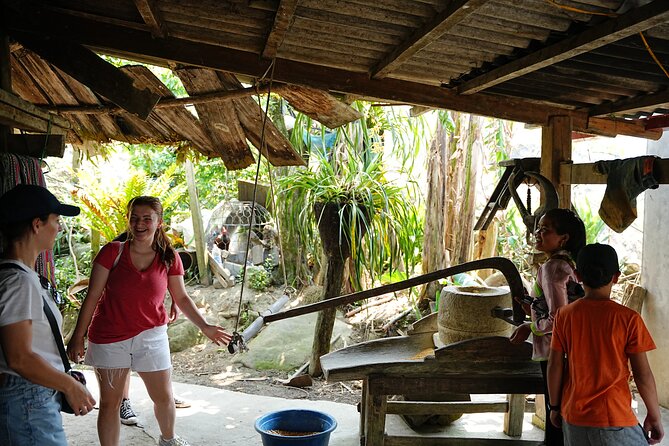
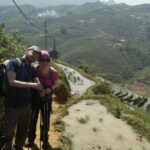
This trek is built around both village visits and wide views. The experience description specifically calls out a viewpoint for panoramic sights of Sapa town and the terraced rice fields in Muong Hoa valley.
On these routes, the viewpoint stops matter because they give context. When you’re walking between villages, it’s easy to think only about the next step. Then you look out and see how the terraces knit the hills together—like a quilt made by time and careful farming.
If you’re sensitive to cold mornings (Sapa can be chilly), you’ll be happiest with a layer system: a warm top for the start, then a lighter layer for the walk. Viewpoints are short, but you’ll stand still long enough to feel the air.
Day 2: Giang Ta Chai (Red Dao) to Ta Van (Giáy) Rice Terraces
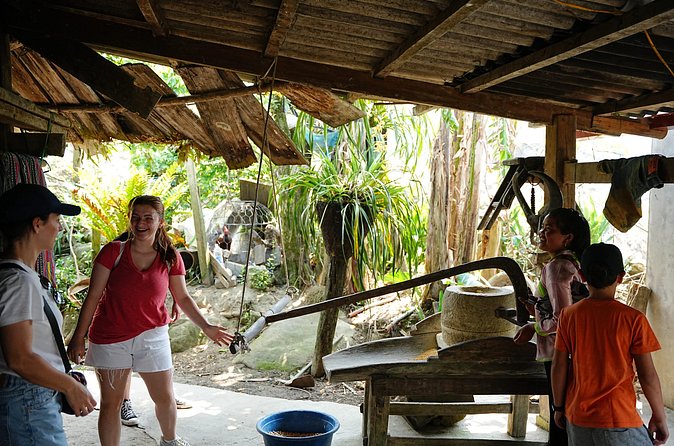
Day 2 starts with breakfast at the homestay, then you transition into another trekking segment. Around 08:30 to 09:00, you begin the morning trek to Giang Ta Chai, a Red Dao village.
Giang Ta Chai is described as small but full of things to see, with about 2 hours set aside for your visit and walking time. This stretch often feels like a shift from simply “getting from place to place” into slower observation—watching how people live with the terrain.
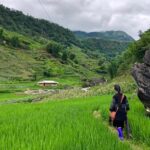
Then you move on toward Ta Van Village, home to the Giáy ethnic group. The schedule suggests you’ll be walking and interacting through a longer block (about 3 hours). Ta Van is specifically connected with large rice terraces, and this is where you’ll likely enjoy the strongest “walking among terraces” feeling of the trip.
In the earlier part of the hike, the villages set the cultural tone. Here, the terrace views start doing more of the heavy lifting visually. If you love photos, you’ll get plenty of chances—but the best ones usually come when you stop and watch the patterns of fields rather than chasing a single skyline shot.
Lao Chai and the Cross-Bridge Moment Into Muong Hoa Valley
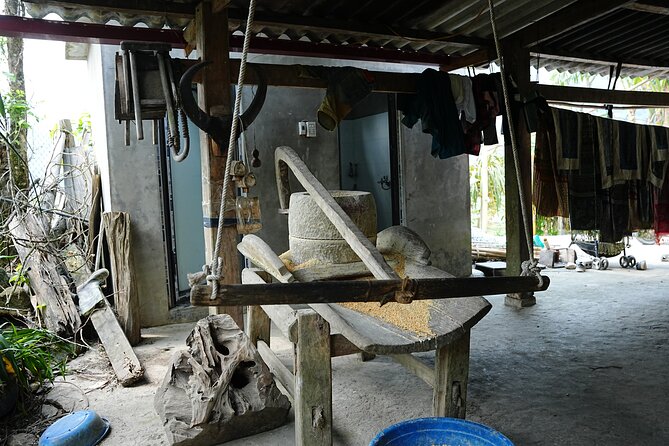
After Ta Van, the trek continues toward Lao Chai Village. You arrive in the early afternoon (around 13:30) and spend about 2 hours in the area.
Lao Chai is described as a large village of the Black H’Mong people. The key highlight here is that you cross a small bridge to enter Muong Hoa valley, then enjoy the valley’s peaceful scenery.
That bridge moment is small on paper, but it’s big in travel terms. It signals you’ve shifted fully into the valley experience, rather than bouncing between village edges. You’re now inside the terraced world for real.
After time in Lao Chai, you pause around 15:00 at the village center, and a car picks you up to return you to Sapa town and your accommodation.
If you’ve still got energy, Sapa town has its own distractions—but one review suggests adding a herbal bath after the long trek. That’s a smart “treat yourself” finish, especially if your calves feel like they volunteered for a job they didn’t apply for.
Food, Timing, and What to Pack for an Active Two-Day Trek
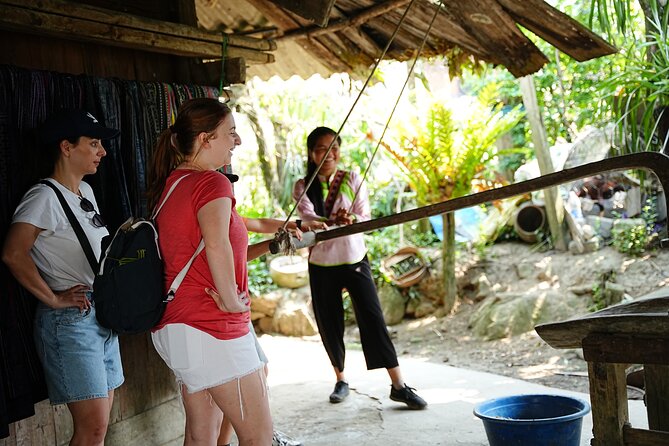
Food on this trip is better than many “trek-only” experiences. The schedule includes lunch during Day 1, and at minimum you can count on homestay-style local food for the Su Pan night. The review feedback also points to lunch being plentiful, which matters because hunger can ruin a trek day fast.
Timing-wise, the trip is built around multiple blocks: morning trekking, village exploration, then a longer midday and afternoon flow. In other words: you won’t be sitting still all day, but you also won’t be sprinting between villages every five minutes.
What to bring (based on the fact you’re trekking across mountainside paths and through terraces):
- Good hiking shoes with grip (paths can be uneven)
- A light rain layer (Sapa weather changes quickly)
- Layers for cool mornings and warmer afternoons
- Sunscreen + hat for terrace exposure
- A small day bag so you’re not juggling items while walking
If you’re prone to sore feet, consider bringing blister care. With the route spanning multiple village segments, small discomfort can grow into a big problem.
Who This Trek Is Best For (and When to Skip It)
This is a great fit if you:
- Want to see multiple minority villages instead of only one
- Prefer local paths and real walking over bus-and-look sightseeing
- Like the idea of an overnight homestay for local food and culture
- Enjoy active guiding and a fun group vibe (the guide energy is a clear theme in feedback)
You might want to skip or reconsider if you:
- Have limited tolerance for walking on uneven mountain paths
- Want a very relaxed, purely scenic day with minimal hiking
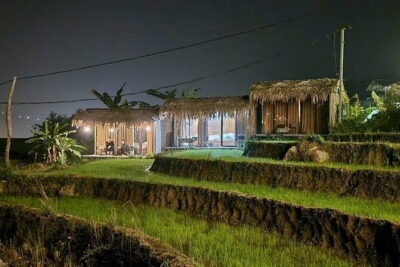
- Expect hotel-level comforts from the homestay night (it’s a local stay, not a resort)
Booking Tip: Make Sure the Trek Matches Your Comfort Level
Before you book, ask yourself one simple question: do I want a trekking day that’s active enough to make you tired, then calm down with village food and an overnight stay? If yes, you’ll likely enjoy this.
Also, since it’s a private tour for your group, it’s worth checking with your guide about your pace. If you’re slower or faster than average, the best tours flex with you.
Should You Book This Circle Trek Around Muong Hoa?
If you’re coming to Sapa and want something more meaningful than a town loop, I’d say yes—this route is designed to connect Sapa views, rice terraces, and village life across two days. The strongest reasons to book are the homestay night in Su Pan, the variety of village communities (Hang Da, Hau Thao, Giang Ta Chai, Ta Van, Lao Chai), and the way the day is organized for both walking and stops.
Just go in knowing it’s active. If you pack smart and keep a steady pace, this kind of trek tends to reward you with the kind of memory you don’t get from a single viewpoint.
FAQ
Where is this trekking experience located?
It takes place in Sapa, Vietnam, around the Muong Hoa valley area.
How long is the trip?
The duration is about 2 days (approx.).
What does it cost?
The price is $85.00 per person.
Is hotel pickup included?
Yes. The tour offers pickup from accommodations in Sapa town and also includes return transport back at the end.
How many villages are included in the route?
The experience includes stops at Hang Da, Hau Thao, Su Pan (with an overnight), and on Day 2 Giang Ta Chai, Ta Van, and Lao Chai.
Do you stay overnight during the trek?
Yes. You stay 1 night at a local homestay in Su Pan.
Is lunch provided?
Yes. The experience includes lunch (and it’s described as plentiful in feedback).
Is it a private tour?
Yes. It’s listed as a private tour/activity, meaning only your group participates.
What is the cancellation policy?
You can cancel for a full refund up to 24 hours in advance of the experience start time.
How do tickets work?
The tour uses a mobile ticket. Confirmation is received at the time of booking.