Quiet forests make winter feel unreal. This Winter Trek in Lapland (Inari) is built around quiet, untouched wilderness time, not just photo stops, with options to hike on snowshoes or forest skis depending on the snow. It’s the kind of guided day where the pacing makes sense and the woods feel genuinely empty.
I especially like that the route goes deep into the forest with no human-made structures or tracks, so you get that rare sense of real stillness. I also like the practical touch of an on-the-go lunch cooked on an open fire or a camping stove, because it turns the trek into a full experience instead of a quick walk-and-go. The one thing to consider is that winter weather can be unpredictable, so the experience depends on good conditions and may be rescheduled or refunded if it can’t safely run.
In This Review
- Key highlights you should care about
- Lapland in 6 hours: what this Inari trek is really about
- The start at Xwander Nordic: timing and small-group comfort
- Snowshoes or forest skis: how the choice changes your day
- Into the untouched wilderness of Inari: the part most people remember
- Lunch on the go: open fire or camping stove warmth
- The return walk in darkness: head torches and shadow-play
- The guide factor: what good local leadership does for you
- Price and value: does $139 make sense here?
- What to expect on the ground: pacing, comfort, and reality checks
- Who should book this Winter Trek, and who might skip it
- Should you book the Winter Trek with Xwander Nordic?
- FAQ
- Is this Winter Trek in Lapland based in Inari?
- What time does the trek start?
- How long is the Winter Trek?
- What will I use for the trek, snowshoes or skis?
- Will there be food during the trek?
- What wildlife can I expect to see?
- Do we walk in the dark?
- What’s the group size?
- What’s the weather and cancellation situation?
Key highlights you should care about
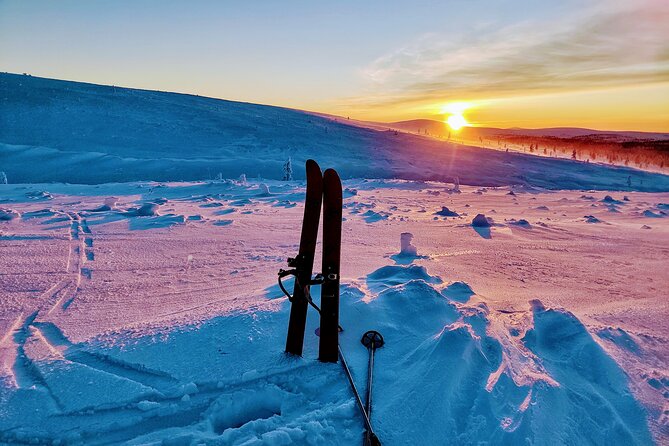
- Snow conditions decide the gear: you’ll use snowshoes or modern skin-based forest skis depending on what’s best out there
- No tracks, no shortcuts: the trek is into untouched forest, with no trails or structures to break the mood
- Wildlife potential (if the timing is right): you might spot willow grouses, grazing reindeer, or other animals and birds
- Open-fire lunch on the go: food is part of the journey, cooked either over an open fire or on a camping stove
- Head-torch walking in darkness: the return can be in low light, creating big shadows and a different kind of silence
- Small groups: up to 12 travelers, which usually means more personal attention from the guide
Lapland in 6 hours: what this Inari trek is really about
This is a winter outing designed for people who want the forest to do the talking. You’re in Inari, Lapland, and the whole point is getting away from set paths so the woods feel quiet in a way that’s hard to fake. Mid-winter forest is known for silence, and here that silence is part of the schedule, not an optional extra.
You also get a guided structure that keeps things calm and clear. The company emphasizes sustainability, local knowledge, and attentive multilingual guides, so you’re not just dropped at a trailhead and left to figure it out. In practice, that matters because snow travel changes fast with the conditions.
One reason I think this works well is the mix of active time and warm breaks. The trek itself is the main event, but the open-fire lunch (or stove version, depending on weather) gives you something tangible to look forward to without slowing the day too much.
The start at Xwander Nordic: timing and small-group comfort
Your tour begins at Xwander Nordic, address Xwander Nordic, Ivalontie 12, 99800 Inari, Finland, with a start time of 9:00 am. The activity ends back at the meeting point, so you don’t have to worry about a complicated route or getting stuck far from where you started.
Start time matters in winter. At 9:00 am you’re more likely to catch daylight for at least part of the trek, and that increases your odds of seeing the forest details clearly before it gets darker on the way back. Also, a 6-hour tour length keeps the day feeling doable if you’re not planning an all-day marathon.
With a maximum of 12 travelers, this should feel more like a guided walk with a group than a cattle-line experience. That small size is especially valuable in snowy conditions, where the guide may need to adjust pacing for comfort and safety.
Snowshoes or forest skis: how the choice changes your day
The experience adapts to snow conditions. Depending on what’s happening locally, you’ll hike using either snowshoes or modern skin-based forest skis. That’s not just gear trivia. The tool you use changes the motion, balance, and even the feel of the forest underfoot.
Snowshoes generally help you walk over deep snow without sinking, so the focus stays on steady movement and enjoying the surroundings. Forest skis with skins are designed for snowy routes where you want smoother travel across certain terrain. Either way, the goal is the same: keep you moving through the quiet, untouched area.
There’s also a practical benefit to getting the “right” option for the conditions instead of forcing everyone into one method. If snow is heavier or more variable, snowshoes may make the walk easier. If the surface is more ski-friendly, forest skis can make the trek feel more effortless.
Into the untouched wilderness of Inari: the part most people remember
This is where the experience earns its reputation. The trek is designed to take you deep into the forest with no human-made structures or tracks, just calm nature and untouched snow. That means you’re not constantly weaving around fences, cabins, or managed paths. You’re moving through winter like it’s meant to be lived in.
I like this approach because it changes what you notice. On a managed trail, you mostly see a route. Here you’re likely to notice sound—or the lack of it. Winter silence in the forest can be striking, and walking inside that stillness makes even simple movements feel slower and more intentional.
Wildlife is possible, but the experience does not treat animals like guaranteed sightings. If you’re lucky, you may see willow grouses in their snow-white winter outfit, grazing reindeer, or other animals and birds roaming in the forests. Even if you don’t, the “blank canvas” of untouched snow is still the payoff.
Lunch on the go: open fire or camping stove warmth
A winter trek only feels complete if you eat without turning it into a chore. Here, lunch happens while you’re out in the forest. It’s cooked on an open fire when weather allows, or using a camping stove if conditions make that the better choice.
That flexibility is a smart design detail. Open fire lunch feels like a true winter ritual, and you also get the comfort of heat while you keep moving. The stove option is the safety-minded version that still gets you a hot meal when the weather is less cooperative.
Also, timing-wise, on-the-go lunch is what keeps the day smooth. You’re not trekking all morning and then sitting still for ages. Instead, you eat as part of the walk rhythm, and that tends to keep energy levels steady.
The return walk in darkness: head torches and shadow-play
One of the coolest things about this kind of Lapland winter day is that it often gets dark faster than you expect. On the return trip to the car, it might be getting dark already, and that changes the mood completely.
If darkness arrives during your trek back, you’ll use head torches for safety. This matters because walking in snow at dusk or after dark can feel very different, and good lighting keeps the experience steady and confidence-building.
What you’ll likely notice is the way shadows stretch and distort the forest shapes. With torches you get deep, clear outlines, and the imagination can run wild in the best way. Even if the darkness is total, the combination of stillness and light can make the forest feel almost unreal.
The guide factor: what good local leadership does for you
The trip is run by friendly, multilingual, attentive guides, and that’s not just marketing language. In snowy environments, a good guide helps you move better, feel safer, and understand what you’re seeing. It also keeps the group relaxed so nobody feels rushed or left behind.
In related Xwander Nordic winter adventures, guides like Ossi are described as kind and experienced, and people specifically mentioned learning more about wildlife. Other local guide names that come up in the provider’s winter programs include Juhani and Emilia, praised for being well-organized and funny, with memorable moments like seeing reindeer and even northern lights on multi-day trips.
You shouldn’t assume you’ll get the exact same guide for this specific 6-hour trek, but the pattern is clear: this company puts effort into guide quality. On a short winter tour, that quality becomes even more important because there’s less time to “figure it out” yourself.
Price and value: does $139 make sense here?
At $139 for about 6 hours, the value depends on what you care about. You’re paying for guided winter movement in real Lapland conditions, small-group attention (up to 12 travelers), and an experience that includes a proper break with lunch cooked outdoors. That’s a lot more than “a walk plus a photo.”
You’re also paying for the fact that the route is designed for the right feel: untouched wilderness, no tracks, and the option of walking in darkness with head torches. Those are experience elements, not add-ons.
Is it the cheapest winter activity in Inari? Possibly not. But it’s the kind of price that often makes sense if you want something structured, warm, and genuinely wintry without spending days planning gear, route, and logistics. If you’re the type who enjoys nature but also likes to feel taken care of, this is a strong fit.
What to expect on the ground: pacing, comfort, and reality checks
This is a winter trek, so the main “work” is cold-weather movement: walking on snow with specialized footwear or skis. The tour says most travelers can participate, which is reassuring, but your comfort will still depend on your winter clothing and willingness to spend hours outside.
Because you’re in untouched forest with no tracks, the pace is likely to be steady and mindful rather than fast. The guide’s job is to keep you together and make sure your equipment choice matches the surface.
Another realistic factor is the day length and the darkness possibility on the return. That doesn’t mean you should avoid the tour. It means you should mentally plan for the atmosphere shift: daylight clarity out, torchlit shadows in.
Who should book this Winter Trek, and who might skip it
I’d book this if you want a genuine winter woods experience in Inari without doing all the planning yourself. It’s a good choice for couples, friends, and solo travelers who like small groups and want the forest to feel wild and quiet.
It’s also a good option if you like nature photography but don’t want the pressure of chasing a long list of sights. The day is more about atmosphere: silence, snow, wildlife chances, and that torchlit return.
You might skip it if you dislike moving outdoors for hours in cold weather or if you need very predictable daylight the whole time. Also, if you only want guaranteed animal sightings, the wildlife part may feel too “maybe.”
Should you book the Winter Trek with Xwander Nordic?
Yes, if you’re traveling to Lapland for the real winter feel and you want it guided, warm, and not overly complicated. This 6-hour trek gives you snowshoe or ski time through untouched forest, an outdoor lunch experience, and a return that can turn magical once darkness sets in.
If your main goal is comfort and simplicity with a small group, this fits well. If you’re flexible about snow conditions and weather (including possible rescheduling if conditions aren’t right), you’ll likely enjoy it even more.
FAQ
Is this Winter Trek in Lapland based in Inari?
Yes. The tour location is in Inari, Finland, and the meeting point is Xwander Nordic on Ivalontie 12, 99800 Inari.
What time does the trek start?
The start time is 9:00 am.
How long is the Winter Trek?
The duration is about 6 hours.
What will I use for the trek, snowshoes or skis?
Depending on snow conditions, you hike with either snowshoes or modern skin-based forest skis.
Will there be food during the trek?
Yes. You’ll have lunch on the go during the trek, cooked on an open fire or on a camping stove depending on the weather.
What wildlife can I expect to see?
If you are lucky, you might see willow grouses in their snow-white winter outfit, grazing reindeer, or other animals and birds roaming in the forest.
Do we walk in the dark?
It might be getting dark on the return. If that happens, you use head torches for safety and to experience the forest in low light.
What’s the group size?
The tour has a maximum of 12 travelers.
What’s the weather and cancellation situation?
The experience requires good weather. If it’s canceled due to poor weather, you’ll be offered a different date or a full refund. Free cancellation is allowed up to 24 hours in advance for a full refund.