A crisp mountain hike starts with one easy pickup. This 3-day Atlas trek from Marrakech links Imlil and the Azzaden Valley with vehicle support and mule help, so you can focus on walking and views.
I liked how the trip stays structured but still feels local: you move valley to valley, eat well in village guesthouses, and get guidance on the ground from people like Dris or Nassim. The small group size (up to 15) also makes the days feel more personal than rushed.
Two things I especially like: first, the luggage-and-mule setup means you’re not hauling your own pack up to high passes. Second, the route hits real Atlas scenery—terraced fields, big waterfalls, and viewpoints where you can spot Toubkal in clear weather from the Armed area.
One thing to consider: the second-night guesthouse is described as a bit basic, and showers/bathroom space and comfort are simple rather than hotel-level.
In This Review
- Key Things to Know Before You Go
- Why Imlil and Azzaden Work So Well for a 3-Day Atlas Trek
- Marrakech to Imlil: The Transfer That Actually Helps
- Day 1 in Imlil Valley: Waterfalls, Berber Villages, and a View Toward Toubkal
- Day 2 into the Azzaden Valley: Tizi Mazzik to the Biggest Waterfall
- The Hammam Optional Moment in Tizi Oussem
- Day 3 to Tizi Oudid Pass: Idaissa, Matat, and a River Lunch
- Accommodation Reality Check: Guesthouses Are Part of the Experience
- Group Size, Guides, and Mule Support: The Safety Combo
- What You’ll Eat (And Why It Matters on a 3-Day Trek)
- What to Pack for High Atlas Weather and Trail Conditions
- Price and Value: $211.49 for a Guided Mule-Back Atlas Trek
- Should You Book This 3-Day Imlil and Azzaden Trek?
- FAQ
- FAQ
- How long is the 3-day Atlas Mountains trek?
- What’s included in the tour price?
- Do I need to carry my own luggage?
- Is bottled water included?
- How big is the group?
- What kind of accommodation is provided?
- Can I cancel and get a full refund?
Key Things to Know Before You Go
- Mules carry your bags so you can hike with less weight on your back
- Village guesthouses include meals, with coffee and tea built into the flow
- Max 15 people keeps the trek calmer and easier to manage on narrow paths
- You’ll see major waterfall country on the Azzaden side
- Trek includes pass crossings like Tizi Mazzik and Tizi Oudid (not just valley strolls)
Why Imlil and Azzaden Work So Well for a 3-Day Atlas Trek
If you’ve got limited time, the smartest Atlas plan is one that gives you variety without marathon days. This route does that. You start in Imlil, which is the common gateway town for High Atlas trekking, then you work your way through the Azzaden side with climbs, a big waterfall day, and a final pass crossing before dropping back toward Agrsioual.
What makes it feel authentic is the rhythm. You don’t just hike from point A to point B like a checklist. You weave through Berber villages you’ll recognize by name—Targa Imoula, Achayn, Arghen, Mazzik, Matat—and you eat where locals host trekkers. The guesthouses may be simple in places, but that’s exactly the point: you’re sleeping inside the mountain community, not in a detached tourist bubble.
The other quiet win: safety and confidence. A guide is with you throughout, and a muleteer handles the pack logistics. That matters on trails where footing can be uneven and weather can shift fast.
You can also read our reviews of more tours and experiences in Marrakech.

Marrakech to Imlil: The Transfer That Actually Helps
Your day begins with a hotel-area pickup in Marrakech at the starting point near Hôtel Restaurant Café de France. Then you’re on the road into the High Atlas region with an early stop for photos in Azrou, an old Berber village.
From there, the route continues through Moulay Brahim gorges and the Asni Valley before you arrive at Imlil. This “drive-first, hike-second” setup is more practical than it sounds. You’re not losing half the day trying to figure out transport, and you’re starting your first trek day fresh.
One more detail that makes your life easier: the driver arranges luggage movement so your bag doesn’t become your job on Day 1. You walk; they handle the heavy stuff.
Day 1 in Imlil Valley: Waterfalls, Berber Villages, and a View Toward Toubkal
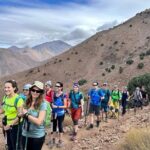
Day 1 is your entry ramp into the mountain world. You meet your local guide in Imlil and start hiking for about 4 to 5 hours. The walk takes you through the Ait Mizane Valley, where you pass the area’s main waterfall and move by multiple Berber settlements.
You’ll go by villages including Targa Imoula, Achayn, Arghen, and Mazzik. Even if you don’t speak the local language, it’s easy to read what’s going on. Terraced fields and irrigated plots show you where farming fits into this altitude life. And the villages are small enough that the trek never feels like you’re passing a film set.
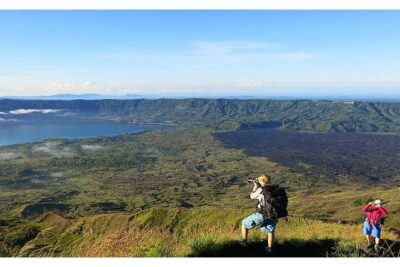
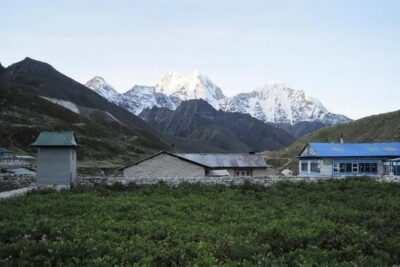
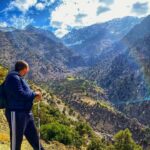
Later in the day, you stop off at Armed, which gives a chance to look out toward the high peaks—especially Toubkal (4167m) on clear days. You also get to see ancient irrigated terraces for barley, corn, and vegetables. That view is one of those Atlas reminders that this isn’t just scenic hiking. It’s a working landscape shaped by water and stone.
At the end of the day, you reach your overnight point and head into village guesthouse life for dinner and a first night.
Day 2 into the Azzaden Valley: Tizi Mazzik to the Biggest Waterfall
Breakfast comes first, then the pace turns a notch more “mountain trekking” than “valley walk.” Your guide and the muleteer join you to pack up and move toward the Azzaden Valley. It’s organized, which helps because you’re changing altitude and trail character during the day.
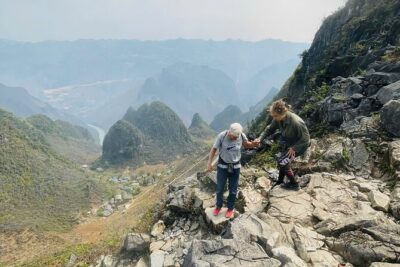
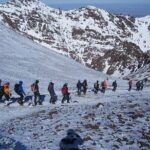
You start with a gentle walk down to the center of Imlil (at about 1750m), then you climb up toward Tizi Mazzik (2480m). This part is your climb day. The higher you go, the more the mountain feel changes—air gets cooler, and the paths can look narrower and more deliberate.
Lunch is served in nature under juniper trees, and the views are a big part of why this stop works. You eat while looking across multiple peaks and valleys, not just at the ground in front of you. It’s one of the moments where you realize you’re getting more than exercise—you’re getting Atlas framing.
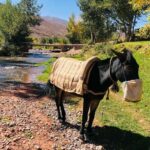
After lunch, the hike continues at a similar level until you reach the region’s biggest waterfall. You’ll take a break by the water, then follow shepherd paths down to Tizi Oussem village for your second night (around 1900m). The shepherd path style matters: it’s less formal than road-like trails and more like you’re walking what people actually use.
The Hammam Optional Moment in Tizi Oussem
One pleasant bonus: there’s the possibility of experiencing a Berber hammam there for a reasonable price. If you want the full reset after the climbs, this is the kind of optional add-on that feels worth it. The day also gives you a chance to assist in preparing dinner if you’re interested—handy if you like learning how meals get made when you’re not at a restaurant.

Day 3 to Tizi Oudid Pass: Idaissa, Matat, and a River Lunch
Your last day starts with breakfast in a guesthouse setting, described as on the rooftop. That means you wake up with that open-air feeling and a chance to take a last look before you head out.
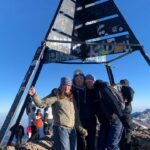
The hike begins with an easy walk along a dirt road to Idaissa village, then you switch to the trail going up toward Tizi Oudid pass (2010m). This day is shorter than you might expect, but it still gives you a pass moment—enough elevation to make it feel complete, not just like a return trip.
On the way, you get a small trail snack: dried mixed nuts. These kinds of snacks matter more than you’d think. They keep energy steady without turning the day into constant stopping.
From the pass, you follow your guide down through Matat village to Agrsioual village. Lunch is served by the river before you meet the driver and transfer back to Marrakech. The whole return feels like a smooth landing: hiking finishes, food comes, then you’re off the mountain.
Accommodation Reality Check: Guesthouses Are Part of the Experience
Two nights are included in village guesthouses, with meals built in. The first night is described more like a comfortable overnight within the trek flow. The second-night guesthouse is specifically noted as a bit basic, with shower/bathroom, mattress, and blankets provided.
So yes, you’re getting authentic village lodging. No, it won’t feel like you’re booking a modern hotel room. If you’re the kind of traveler who packs with “good enough” in mind, you’ll be fine. If you’re picky about bedding comfort or hot showers, it’s smart to mentally set expectations now.
Also, sleeping bags aren’t included, but blankets are provided, so your layering strategy is important.
Group Size, Guides, and Mule Support: The Safety Combo
This trek caps at 15 travelers, which keeps the trail experience manageable. In narrow valley sections, that matters. You’re not stuck behind a long line, and your guide can keep an eye on pacing and footing.
The guide role isn’t just telling stories. The guide helps manage route choice and makes sure you’re safe on the actual ground. In the experience, you’ll see that they adjust if conditions change—like weather shifts—so you still get a good trekking day.
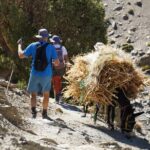
And the muleteers? They make the trip feel fair. With mules and muleteers carrying your luggage, you’re hiking with less strain. That can be the difference between a fun day and a day where every step becomes a negotiation.
What You’ll Eat (And Why It Matters on a 3-Day Trek)
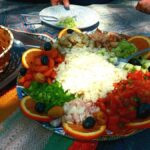
You get 3 lunches and 2 breakfasts + 2 dinners included. This is big value on a multi-day hike because food choices can get expensive quickly when you’re in trekking zones.
Meals are described as served in guesthouses and in nature (for example, lunch under juniper trees). You’ll also have coffee and/or tea included. That’s not a small detail. On cold mornings or after a climb, it’s morale fuel.
Dietary requirements are supported—vegetarian and vegan needs can be arranged, along with other dietary requests.
One practical tip: bottled water is not included, but the trek notes that you’ll have points to buy water during the journey. I’d still plan to carry a reusable bottle, and I’d buy when opportunities show up rather than waiting until you feel desperate.
What to Pack for High Atlas Weather and Trail Conditions
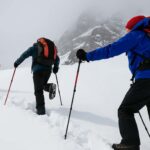
The trek is most enjoyable when your clothing and shoes are ready for changeable mountain conditions. The guidance is to bring waterproof and warm clothes and good walking boots, especially for winter-season timing.
Even in shoulder seasons, the High Atlas can shift from sunny to cool fast. Layers are your friend. Pack for comfort on both exposed viewpoints and shaded village paths.
Also, think about how you’ll handle rain: waterproof outerwear helps you stay warm enough to keep moving, and staying warm helps you enjoy the day rather than just survive it.
Price and Value: $211.49 for a Guided Mule-Back Atlas Trek
At $211.49 per person, you’re paying for more than hiking. You’re getting:
- Door-to-door round-trip transfers from Marrakech
- A local professional guide
- Mules and muleteers for your luggage
- Two nights in village guesthouses
- All meals listed above (breakfasts, lunches, dinners)
- Coffee/tea included during the experience
That bundle can feel like the main advantage. Trekking in the Atlas is usually a “figure it out” mess when you do it independently. Here, transport, lodging, and food are handled, so you can spend your energy where it belongs: on the trail and in the villages.
If you’re traveling on a budget but still want a guided, supported trek, this price lands in the zone where it makes sense—especially because you’re not paying separately for a guide plus logistics plus meals.
Should You Book This 3-Day Imlil and Azzaden Trek?
I’d book it if you want a real Atlas hiking experience in a short time, with enough structure to feel safe and cared for. It’s a great match if you like walking through working villages, want waterfall scenery, and appreciate the convenience of luggage support and meals included.
I might choose something else if you’re extremely sensitive to basic accommodations on the second night, or if you hate having any part of the day affected by weather. The route is flexible and guided, but mountains do their own thing.
Also, if you’re the type who wants a group that’s not too big—this one stays under 15—so it’s easier to enjoy the day without constant passing and waiting.
If you’re ready for that mix of hike, local guesthouses, and guided safety, this trek is a solid pick for your High Atlas days.
FAQ
FAQ
How long is the 3-day Atlas Mountains trek?
It’s listed as 3 days approximately. The hike times are around 4–5 hours on Day 1, 5–6 hours on Day 2, and about 5 hours on Day 3.
What’s included in the tour price?
The package includes hotel pickup and drop-off, transportation, a local professional guide, mules with muleteers, coffee and/or tea, 2 breakfasts, 3 lunches, and 2 dinners.
Do I need to carry my own luggage?
No. Mules and muleteers carry your luggage during the trek. On Day 1 and between sections of the hike, your luggage is handled for you.
Is bottled water included?
No. Bottled water isn’t included, but there are points during the trek where you can buy it.
How big is the group?
The trek has a maximum group size of 15 travelers.
What kind of accommodation is provided?
Two nights are spent in village guesthouses. The second-night guesthouse is described as a bit basic, with shower/bathroom, mattress, and blankets provided.
Can I cancel and get a full refund?
Yes. You can cancel up to 24 hours in advance for a full refund. If you cancel less than 24 hours before the start time, the amount paid isn’t refunded.