REVIEW · KATHMANDU
Gokyo Lake trek(gokyori trek, Chola pass trek, Renjola pass trek)
Book on Viator →Operated by Nepal Trekking Routes Pvt. Ltd · Bookable on Viator
Turquoise lakes at altitude change your pace. The Gokyo Lake Trek (with Chola Pass and Renjola Pass in the mix) brings you into a high, quiet corner of the Everest region where 19 freshwater lakes connect into a surreal setting. Climb up toward Gokyo Ri for big Everest views, including the Tibetan side, and you’ll see why this route gets people excited.
I also like the human side of this trek setup. You’re not left to guess what’s next, and you’ll see real names attached to the experience: CEO Shailesh Pokharel helps welcome you on arrival, and guide Bishnu Magar is part of the on-the-ground team. On a trek like this, that kind of local guide support matters.
One possible consideration: the trek demands strong physical fitness, and meals are not included in the tour price. So you’ll want to budget for food, plan your pace carefully, and make sure you’re ready for long, high-altitude days.
In This Review
- Key highlights to know before you go
- From Tribhuvan Airport to the Everest trail: how the trek starts
- Gokyo Lake Trek: 19 lakes, Sherpa culture, and UNESCO-level scenery
- Mong La to the Gokyo turnoff: using the classic Everest route as a spine
- Chola Pass Trek and Renjola Pass Trek: where your legs earn the views
- Gokyo Ri (5,357 m) and Everest View Hotel (3,880 m): the best “I get it” moments
- What you’re paying for: price, included support, and what to budget
- Gear, fitness, and pacing: the real decision factor
- Who this Gokyo-Chola-Renjola route suits best
- Should you book Nepal Trekking Routes for the Gokyo Lake Trek with Chola and Renjola Passes?
- FAQ
- Where does the trek start in Kathmandu?
- How long is the Gokyo Lake Trek?
- How much does the trek cost?
- What’s included in the tour price?
- What is not included in the price?
- Which passes and peaks are part of the route?
- Can I visit Everest Base Camp and Everest View Hotel on this trek?
- Is this a private tour?
- Can I cancel for a full refund?
Key highlights to know before you go
- 19 interconnected freshwater lakes around Gokyo create that signature turquoise-water feel.
- Gokyo Ri (5,357 m) adds a classic Everest-view payoff, with wider sightlines toward the Tibetan side.
- Chola Pass and Renjola Pass bring the real challenge and adventure edge to the route.
- Mong La Pass (3,610 m) is part of the early link to the classic Everest Base Camp trekking path.
- Sherpa culture stops include traditional villages plus the Sherpa Museum experience.
- Everest View Hotel (3,880 m) is a high-altitude viewpoint option you can add into the plan.
From Tribhuvan Airport to the Everest trail: how the trek starts
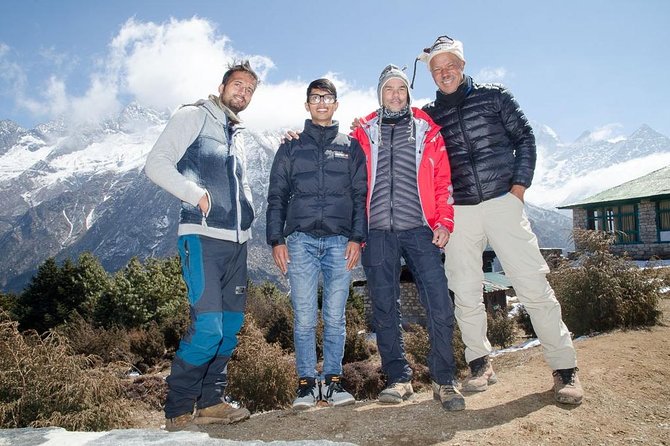
This is an 18-day trek based out of Kathmandu, and it starts where most Himalayan trips start: Tribhuvan Airport. The provider offers hotel/port pickup and drop-off, and you can use that to keep your first day from turning into logistics chaos. They also issue a mobile ticket, which is handy when you’re juggling multiple confirmations and flight-time changes.
You’ll want to treat the schedule like part of the adventure. Pickup windows run Monday from 6:15 AM to 7:45 PM, so if your plan involves early arrivals or late check-ins, aim to be in Kathmandu comfortably the day before you’d like to start moving. Confirmation happens at the time of booking, which helps you plan flights and gear without waiting around.
This is also a private tour/activity, meaning it’s just your group. That tends to feel better on a demanding trek because pace, questions, and decisions can be handled directly rather than by consensus. It can also mean higher costs if you’re traveling solo, but the tradeoff is more control and attention.
You can also read our reviews of more tours and experiences in Kathmandu.
Gokyo Lake Trek: 19 lakes, Sherpa culture, and UNESCO-level scenery
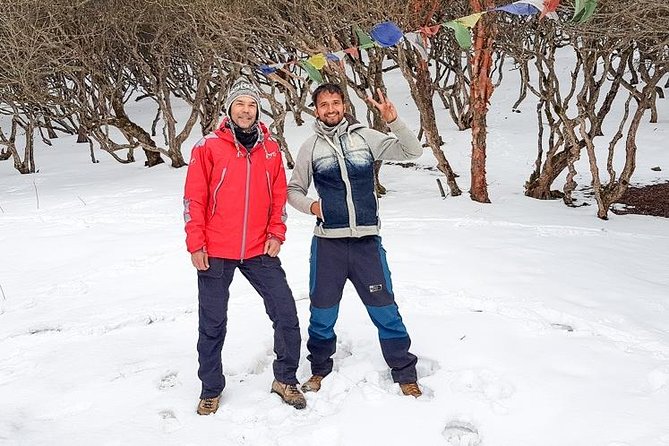
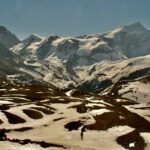
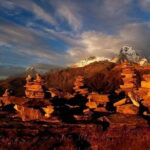
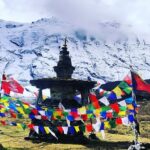
The heart of the Gokyo Lakes portion is the Gokyo area itself: a tranquil valley with 19 freshwater lakes interconnected with each other. The water color is the headline, but what makes it stick in your memory is the feeling of space. Even when you’re near popular trekking routes in Nepal, the Gokyo zone has a more open, quiet rhythm than the busiest trail sections.
On top of the views, you’re also walking through a Sherpa cultural setting. Traditional villages are not just scenery; they’re part of the experience. The Sherpa Museum experience and the chance to see local rites and rituals gives context to what you’re seeing outside your hiking bubble.
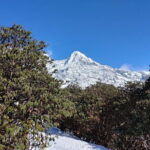
There’s also a conservation angle that’s worth paying attention to. This trek runs through a UNESCO World Heritage-listed high conservation area in the Everest region. The area includes pine, oak, and rhododendron forests, plus alpine birds and other animals. That means you’re not just trekking through altitude—you’re also moving through a living mountain ecosystem.
Practical takeaway: if you love trekking that mixes mountain drama with everyday local life, this is the right direction. You’re not racing from viewpoint to viewpoint only to forget them the next day.
Mong La to the Gokyo turnoff: using the classic Everest route as a spine
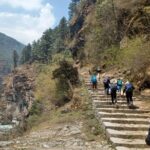
The route is built as an alternative spine to the classic Everest Base Camp trekking path. You follow the traditional Everest Base Camp route up to Mong La Pass (3,610 m), then the trek diverts toward the Gokyo lakes direction.
That matters for two reasons. First, it gives you the familiar structure of the Everest-region trekking experience—passes, changing terrain, and the gradual sense of higher country. Second, it makes the whole trip feel like a planned route rather than a random side quest. You still get that Everest-region feeling, then you earn your way into the Gokyo atmosphere.
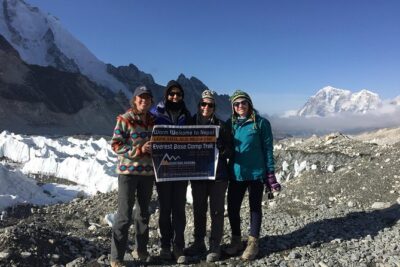
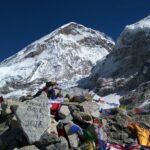
You’ll reach the broader Everest side of things in terms of altitude, too. The trek includes access to the Everest Base Camp area at 5,364 m, and you can visit the Sherpa valley either before or after reaching Everest Base Camp. If you’re choosing between the two iconic options, this route gives you a way to sample both without doing the classic path alone.
Chola Pass Trek and Renjola Pass Trek: where your legs earn the views
The big reason people pick this variation over a straight Everest Base Camp walk is the addition of high mountain crossings. In this route, you’re dealing with Chola Pass and Renjola Pass as major features of the trek design.
Renjola shows up in the geography around the Gokyo Ri foothills—think of it as part of that higher bowl of the Gokyo region. Chola Pass is mentioned as a junction point, meaning it’s not a casual detour; it’s a real part of the trekking character of this itinerary.
One of the best ways to think about this: Chola adds a more adventurous edge. It’s challenging, and if you like that feeling of earning your way through a harder day, you’ll probably enjoy this segment more than the easier-stepping rhythm of some popular treks. The route is famous for turning a sightseeing goal into a true mountain challenge.
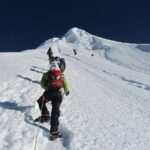
Here’s the practical consideration: these passes mean the trek is not only about views. It’s also about stamina, steady pacing, and being willing to work on tough uphill sections. If you’re tempted by the turquoise lakes only, make sure you also respect the passes. This trek is the full package.
Gokyo Ri (5,357 m) and Everest View Hotel (3,880 m): the best “I get it” moments
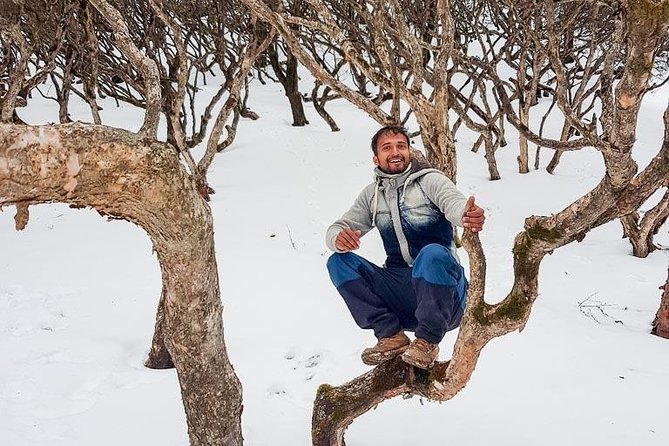
Two parts of this trek help you understand why Everest-region trekking can be so emotional: Gokyo Ri and the Everest View Hotel area.
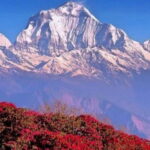
Gokyo Ri reaches 5,357 m, which puts you in prime position for big views of Everest and its surroundings. The route also highlights that you can see Everest including its Tibetan section. That’s a key detail because many viewpoints focus only on the main peak from one angle. From higher up near Gokyo Ri, the wider sightlines make the experience feel bigger than a single summit photo.
Then there’s Everest View Hotel at 3,880 m, noted as the world’s highest altitude hotel. Even if you’re not staying there, the chance to hike there gives you a lower-peak goal that still feels like high altitude. It’s also a useful option if you want an Everest view day that doesn’t require pushing to the highest trekking altitudes.
Practical takeaway: plan these as your “reward” moments. If you’re managing fatigue, treat them like milestones with a clear payoff, not like random detours.
What you’re paying for: price, included support, and what to budget
The price is $1,290 per person for an approximate 18-day trek. The included items are meaningful:
- Accommodation as per itinerary
- National Park fees
- Local guide
- Hotel/port pickup and drop-off
That’s not a small list. National park fees and a local guide are two things people often forget to price separately when comparing trek operators. Pickup/drop-off also helps you start smoothly instead of piecing together transfers after landing.
What’s not included is equally important, especially for your real budget. The tour does not include food and drinks, including lunch, breakfast, and dinner. Alcoholic drinks are also not included (and you can purchase them).
So here’s the honest value math: you’re paying for the trek framework—sleeping, a guide, and park fees—but you’ll still need to budget for day-to-day meals. Plan for that in advance so the trip doesn’t start feeling expensive halfway through.
If you’re deciding between this and other Everest-region itineraries, look at what’s included, not just the headline cost. A guide plus park fees plus pickup can make this feel more reasonable than it first appears.
Gear, fitness, and pacing: the real decision factor
The trek specifically says you should have a strong physical fitness level. That’s not just marketing language. You’re dealing with high elevations such as:
- Mong La Pass at 3,610 m
- Everest Base Camp at 5,364 m
- Gokyo Ri at 5,357 m
- Everest View Hotel at 3,880 m
Even without knowing every day-by-day altitude figure, you can see the pattern: you’ll be above 3,000 m for long stretches, and you’ll likely have multiple days of uphill walking and pass crossings.
Your best prep steps are simple and practical:
- Train for hills and sustained uphill effort before you arrive.
- Build time in Kathmandu for rest and gear organization.
- Keep a conservative pace once you’re moving uphill at altitude.
If you’ve never done a high pass trek before, ask yourself the right question: can you keep moving steadily even when you’re tired? This route rewards steady hikers more than sprinty hikers.
Who this Gokyo-Chola-Renjola route suits best
This trek fits best if you want a classic Everest-region experience but with a distinct twist. You’ll probably love it if you:
- Want turquoise lakes plus Sherpa culture, not only big mountain photos
- Are excited by the idea of Chola Pass and Renjola Pass as real trekking highlights
- Want wide Everest views from Gokyo Ri (5,357 m) and the Everest View Hotel area
It may not be the best match if you:
- Struggle with sustained climbs or high-altitude walking
- Don’t want to budget extra for meals since food and drinks are not included
Should you book Nepal Trekking Routes for the Gokyo Lake Trek with Chola and Renjola Passes?
If you want organized support and a trek that mixes mountain drama with cultural stops, I think booking makes sense. The operator’s CEO, Shailesh Pokharel, is specifically linked to a warm arrival welcome, and the guide Bishnu Magar shows up as part of the core on-the-ground team. That kind of direct, personal attention can matter a lot when conditions or schedules change on a high-altitude trek.
My rule for choosing this kind of trip is straightforward: book if your goals include both the lakes and the pass challenge. If you’re mainly chasing views and you’re not ready for long, demanding days, you may find other Everest routes easier to manage.
If you’re ready for the commitment, this route gives you a rare combination: UNESCO-level high-country trekking, 19 lakes, Sherpa culture moments, and Everest views from a less-only-crowded angle.
FAQ
Where does the trek start in Kathmandu?
Pickup is offered at Tribhuvan Airport in Kathmandu, Nepal, and the same area is listed as the meeting point for the start. Hotel/port pickup and drop-off are included.
How long is the Gokyo Lake Trek?
The duration is listed as approximately 18 days.
How much does the trek cost?
The price is $1,290.00 per person.
What’s included in the tour price?
Included are accommodation as per itinerary, national park fees, a local guide, and hotel/port pickup and drop-off.
What is not included in the price?
Food and drinks are not included, including lunch, breakfast, and dinner. Alcoholic drinks are also not included (though available to purchase).
Which passes and peaks are part of the route?
You’ll trek through the Everest region with Mong La Pass (3,610 m) as an early pass feature, and the route includes Chola Pass and Renjola Pass. You can also climb Gokyo Ri (5,357 m), and reach Everest Base Camp (5,364 m).
Can I visit Everest Base Camp and Everest View Hotel on this trek?
Yes. The Sherpa valley can be visited after or before reaching Everest Base Camp, and you can also hike to Everest View Hotel (3,880 m).
Is this a private tour?
Yes. It’s listed as a private tour/activity, so only your group will participate.
Can I cancel for a full refund?
You can cancel up to 24 hours in advance for a full refund. If you cancel less than 24 hours before the start time, the amount paid is not refunded.