REVIEW · FES
From Fes: 3 Day Magical Desert Camel Trek To Marrakech
Book on GetYourGuide →Operated by Fez to Anywhere · Bookable on GetYourGuide
A camel sunset in the Sahara fixes something in your head. This 3-day Fes to Marrakech desert trip takes you through Middle Atlas cedar country, then out to the big dunes of Erg Chebbi for an included camel ride and a night in a Berber desert camp. I also like how it stacks big, iconic stops with real-time village and gorge moments, like a visit around Azrou and the limestone drama of Todra Gorge. The main drawback to plan for is that this is a fast route with long drives, and the quality of guiding and accommodations can vary depending on who runs your day.
I’m especially encouraged by the fact that the trip can be run by strong people. Guides like Tarik and a desert-side host mentioned as Hassan from Rissani show up in the good versions of this experience, and a coordinator named Mustapha is called out for keeping things smooth. Just keep one thing in mind: the experience includes lodging and meals in Merzouga and Ouarzazate, but you should confirm the exact camp/riad names you’re paying for before you go, since mismatches have happened.
In This Review
- Key moments you’ll remember
- Fes to Marrakech by camel and kasbah: what this route is really like
- Day 1: Ifrane, Azrou, Midelt, and the push toward Erg Chebbi
- What can go wrong on Day 1
- Sunset camel ride in Erg Chebbi: the moment you came for
- The Merzouga desert camp night: private tent, dinner, and Berber music
- One caution: confirm your camp name and room setup
- Day 2: Rissani, Todra Gorge limestone walls, and Tinghir’s old ksars
- What makes Tinghir work for a short itinerary
- Day 3: Ait Ben Haddou UNESCO walk and the High Atlas Tizi n’Tichka pass
- Price and logistics: when this tour is great value and when it’s not
- My practical “book-smart” checklist for this specific tour
- Who this 3-day camel trek suits best
- Should you book this Fes to Marrakech desert tour?
- FAQ
- How many days is the tour from Fes to Marrakech?
- Where does the tour start and where does it end?
- Do you include camel riding?
- Is there a desert camp overnight?
- What are the main stops along the way?
- What meals are included?
- Are lunches and drinks included?
Key moments you’ll remember
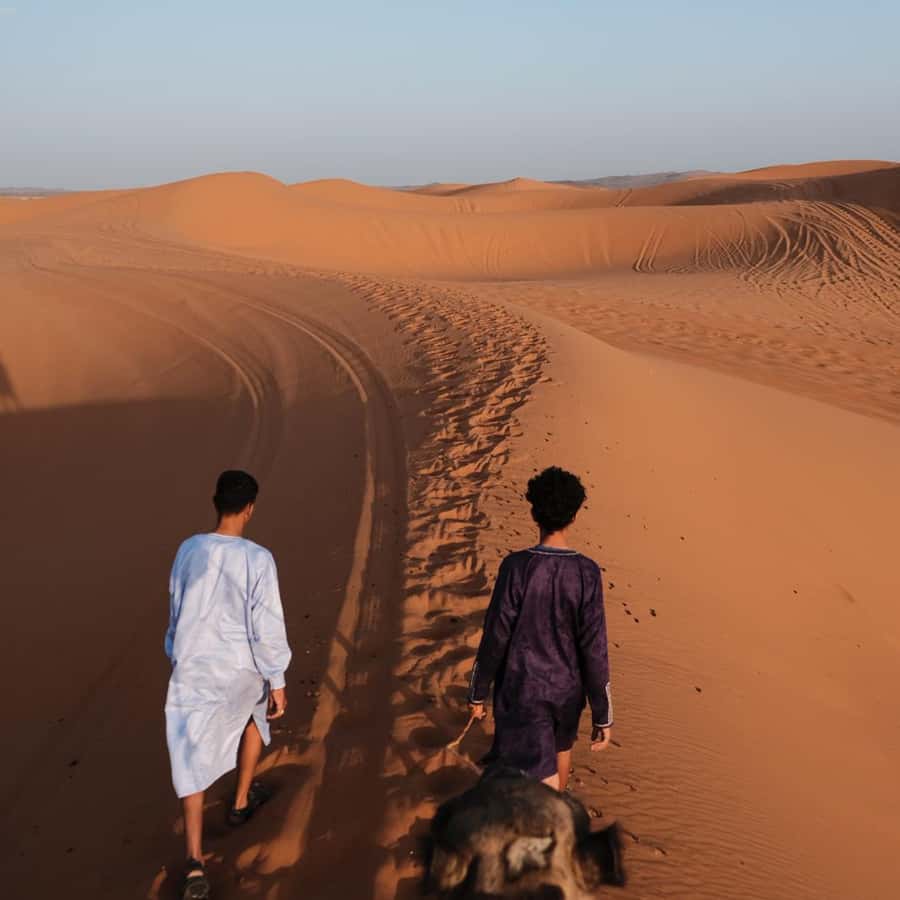
- Erg Chebbi at sunset: a camel ride timed for orange-and-red light over the dunes
- Middle Atlas hits fast: Ifrane and Azrou with cedar scenery and chances to spot Barbary macaques
- Real gorge walking at Todra: tall limestone walls up to 300 meters for a slow stroll vibe
- A Berber desert camp night: an equipped private tent, Moroccan dinner, and Berber music by the campfire
- UNESCO Ait Ben Haddou: a guided walk through a mud-clay ksar setting for major films and shows
- High Atlas views on Tizi n’Tichka: 2,260 meters of big-road panoramas before you reach Marrakech
Fes to Marrakech by camel and kasbah: what this route is really like
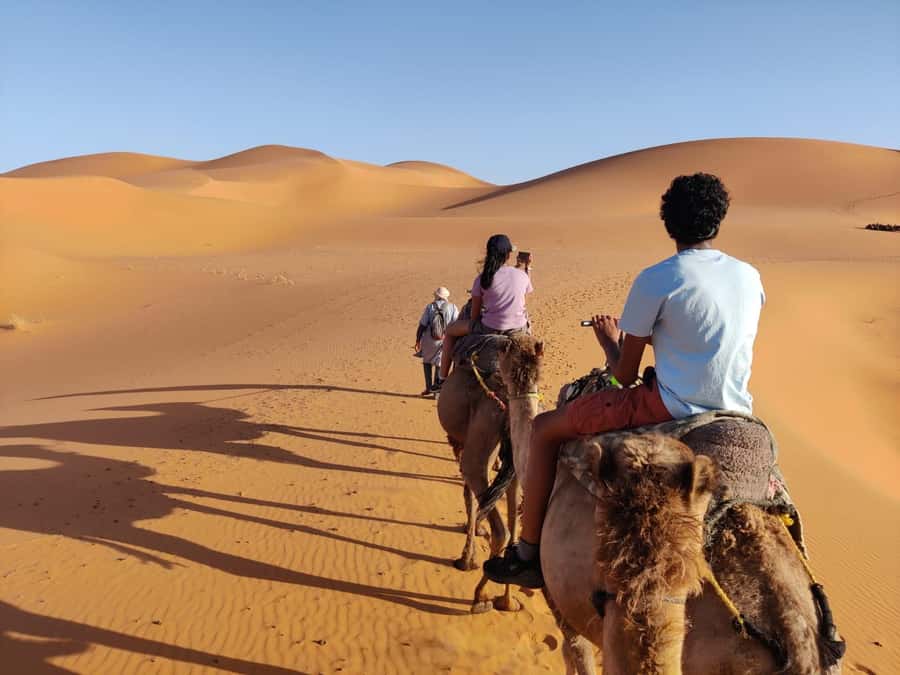
This tour is designed for one thing: compressing a lot of Morocco’s “wow” into a tight 3 days. You start in the imperial city (Fes), trade city streets for mountain air, then switch from cars to camels for the Sahara section. After that, you come back out through gorges and ksars, cross the High Atlas pass, and end in lively Marrakech.
What makes it compelling is the way the scenery changes by the hour. Day 1 moves from Middle Atlas towns into desert light; Day 2 turns into gorge geometry and palm-fringed old villages; Day 3 becomes a road-trip through the High Atlas up to a UNESCO kasbah and then into Marrakech street life. You’re not just collecting photos. You’re watching how people live in different regions, from village life around Azrou to desert routines in the Merzouga area.
Value-wise, you’re getting most of the hard-to-arrange pieces handled for you: air-conditioned transport, a local camel guide, a desert camp night with an equipped private tent, plus dinners and breakfasts at the camp and at your overnight stop in Ouarzazate. Lunches and drinks are on your own, so budget for that and for water during long stretches.
The main thing to watch is expectations around “guided.” The trip includes an English-speaking driver/guide on paper, but the experience you get can depend on the person behind the wheel and how much they explain along the way. If you want history and culture talked through clearly, be ready to ask questions and re-check details with your driver during the day.
Day 1: Ifrane, Azrou, Midelt, and the push toward Erg Chebbi
Day 1 is a scenery drive with a couple of well-chosen stops that break up the long road from Fes toward the desert.
First comes Ifrane, often called the Little Switzerland of Morocco for its clean feel and alpine-style look. A short walk here can help you reset after city traffic, and you might even see Barbary macaques around the area. I like this kind of stop because it’s not a museum trap. It’s a quick “stretch and breathe” moment.
Then you head through Azrou, where the trip is set up to show village life linked to Berber communities. This is one of those stops that can feel real only if your group actually takes time to look and listen. You’ll also be moving through cedar forest country in the Middle Atlas, so the drive isn’t just about getting from A to B. You get the green-and-cool air before the world turns sandy.
Midelt is your next leg. The town is known for apple farms and mineral-rich surroundings, and it’s a useful break if you want coffee, a bathroom stop, and a quick reset before deeper valleys and oasis scenery.
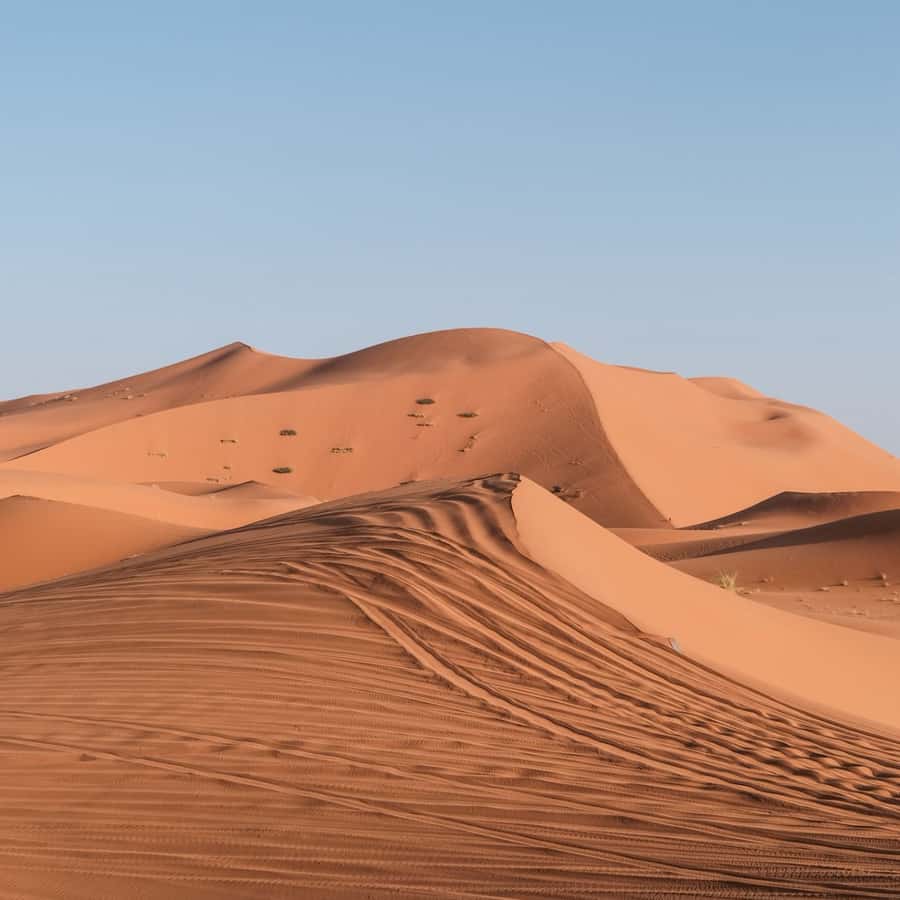
By late afternoon, the desert destination becomes visible as the road flattens out toward Merzouga’s Erg Chebbi dunes. This is the point where the whole trip starts to feel different. Erg Chebbi is the big show for Morocco’s dunes in this part of the country—huge, golden, and dramatic even before sunset.
What can go wrong on Day 1
Long drives are part of the deal. If you’re sensitive to car time, pack for comfort. Also, confirm what’s included beyond driving stops. One good version of the trip includes extra activities; another may feel more like a “transfer with quick stops.” That’s not automatically bad, but it changes how much you’ll learn.
Sunset camel ride in Erg Chebbi: the moment you came for
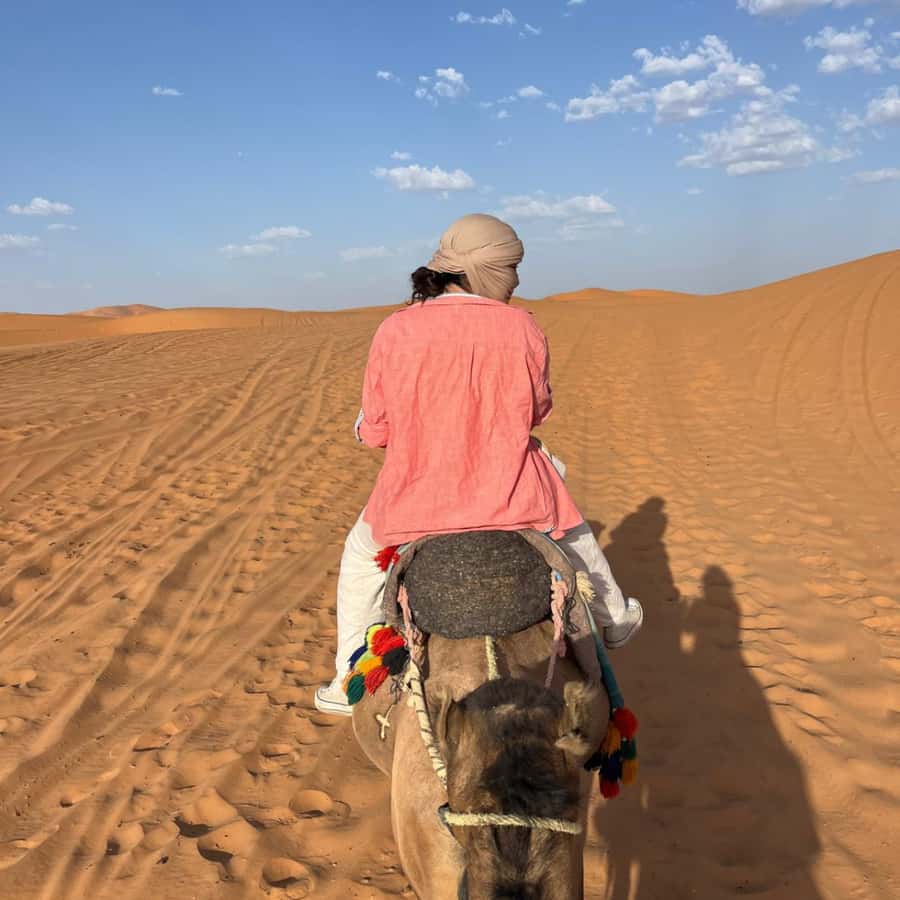
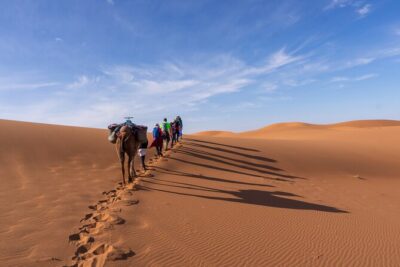
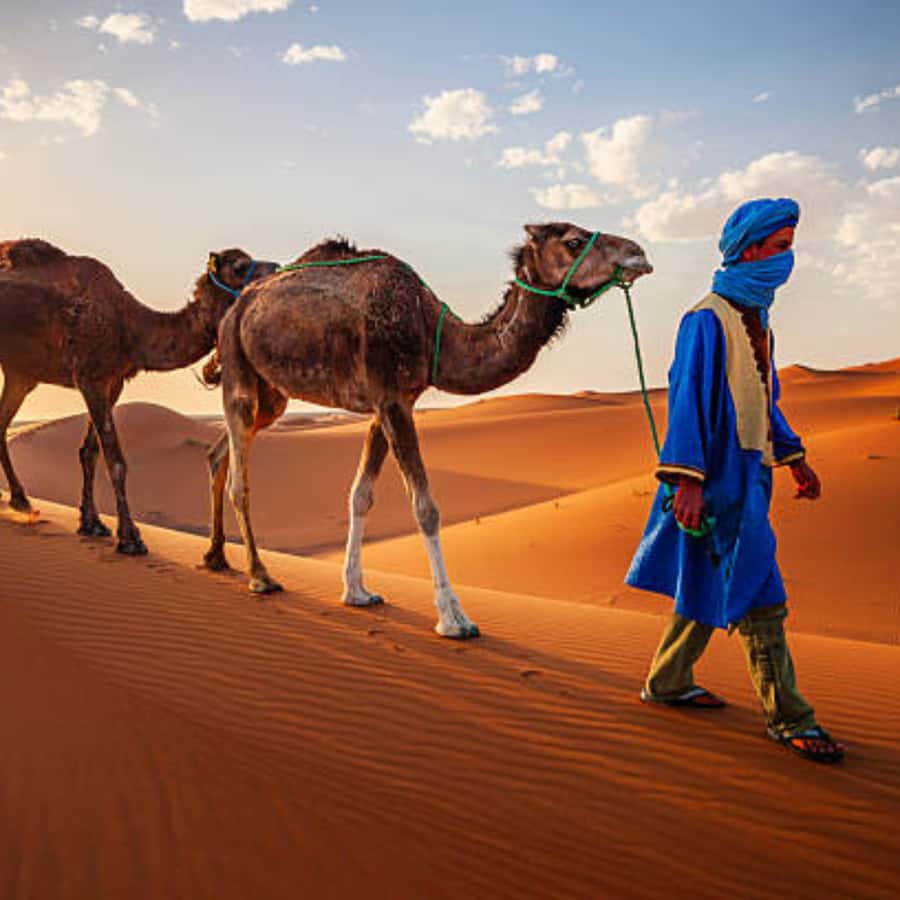
The camel ride is the heart of this itinerary, and it’s planned for sunset. That timing matters. Desert light turns the dunes into layers of color, and the sky shift makes the whole thing feel calmer than you expect. You’re trading engine noise for a steady rhythm, with a local camel guide to help keep it organized and safe.
As the sky changes—orange to deeper red—you’ll notice the silence in a way no city can copy. This is where people tend to stop thinking about schedules and start paying attention to the surroundings.
A practical note: the ride itself is the main event, but it’s paired with the desert camp experience. So treat the day like a build-up. You’re not just doing a ride; you’re transitioning into an overnight in the desert.
If you want the most meaningful version of this segment, I suggest asking your camel guide a couple of simple questions in plain language: where you’re walking, what the dunes look like in morning light, and what the camp routine is like. Even if English is limited, a local guide can usually point you toward the key parts.
The Merzouga desert camp night: private tent, dinner, and Berber music
After the camel ride, you sleep in a Berber desert camp in the Merzouga/Erg Chebbi area. This is where the “magic” stops being marketing and becomes routine you can feel.
Your night includes an equipped private tent, plus a Moroccan dinner and breakfast. The campfire setting and Berber music come with the night experience described for the trip, which is exactly what you want here: warm food, shared space, and a sky that looks bigger than you’re used to.
What I like about staying in a tent camp instead of only driving through the desert is simple. You get to experience the desert when the tourists are gone. Even on a short itinerary, that timing difference shows up in your photos and in your mood.
One caution: confirm your camp name and room setup
This is the part where you should be extra careful. There have been cases where a specific camp name was promised, then another camp was used instead, and quality ratings differed. Before you go, I’d confirm in writing:
- the exact camp name in Merzouga
- the tent type you expect
- whether you have a private tent as stated
This isn’t about fear. It’s about buying the right version of the desert night.
Day 2: Rissani, Todra Gorge limestone walls, and Tinghir’s old ksars
Day 2 starts with the return from the dunes toward the road. From there, the trip pushes you into some of the most photogenic geography in this region.
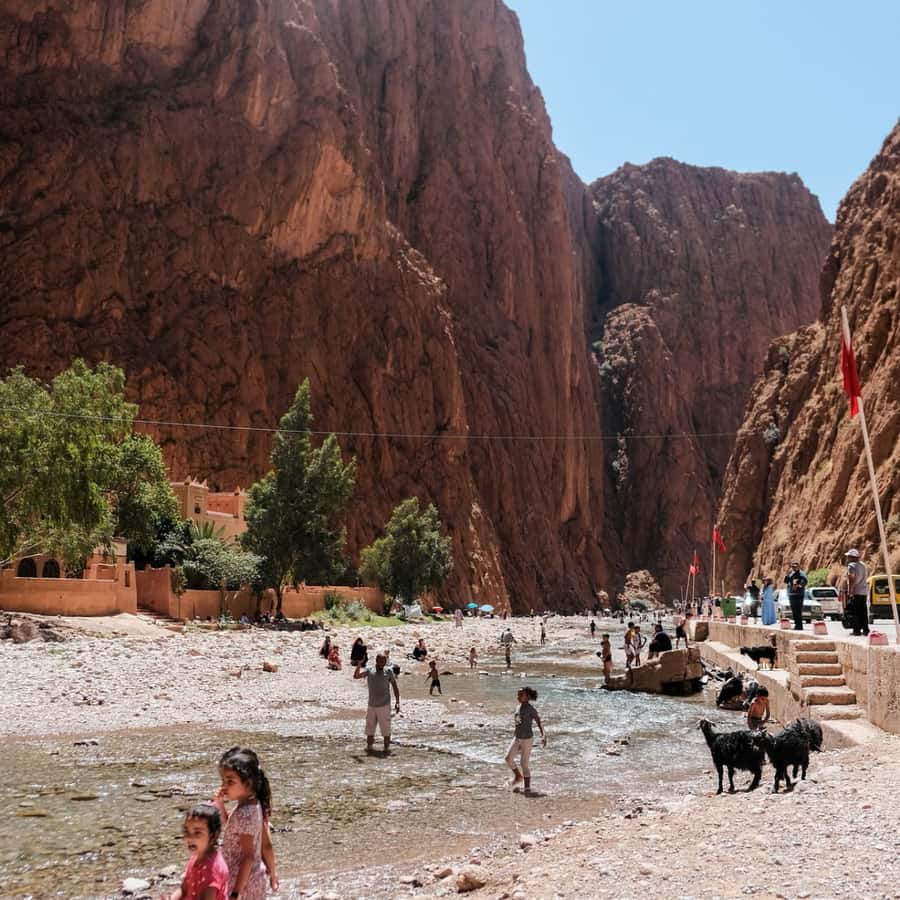
Rissani is on the way, and then you reach Todra Gorge. Todgha/Todgha (spelling varies) is famous for very tall limestone walls, up to about 300 meters, and for the narrow river cut that carves a passage through the rock. The area makes you slow down. It’s one of those walks where your brain keeps noticing vertical lines. If you like hiking, even a simple stroll along the gorge feels like a reward after the long transit of Day 1.
Rock climbers also love the setting, so if you see ropes and gear, that’s why. Even if you’re not climbing, you’ll feel the geology and the activity around the gorge.
In late afternoon, you reach Tinghir. Tinghir is bordered by palm trees and old ksars—fortified villages. This is a good place to have dinner and sleep because it’s not just a stopover. It gives you a glimpse of how people structure life in these highland valleys.
What makes Tinghir work for a short itinerary
You’re getting a second “sense of place” after the desert: palm shade, older stonework, and small-town pacing. It’s also a practical choice. It positions you well for Day 3’s drive toward Ouarzazate and Ait Ben Haddou, then on to Marrakech.
The possible downside is that Day 2 can feel busy if your group arrives late or if your stop at Todra is quick. If you want more time to walk, be ready to speak up respectfully when the driver plans the timeline.
Day 3: Ait Ben Haddou UNESCO walk and the High Atlas Tizi n’Tichka pass
Day 3 shifts from desert-and-gorge Morocco to the film-familiar kasbah world.
After breakfast, the drive heads west through scenery that keeps changing, with small Berber towns along the way. You then reach Ait Ben Haddou, a UNESCO World Heritage site. This is the trip’s big architectural highlight on paper, and it lives up to it because the structures are made from mud clay and built to survive. Your guided walk through the narrow streets and tall kasbah walls helps you understand how the place functions, not just how it looks.
Ait Ben Haddou has also been used as a backdrop for major productions like Gladiator and Game of Thrones. That pop-culture connection can be fun, but the real value here is seeing the kasbah as a living design—thick walls, compact streets, and a layout shaped by defense and climate.
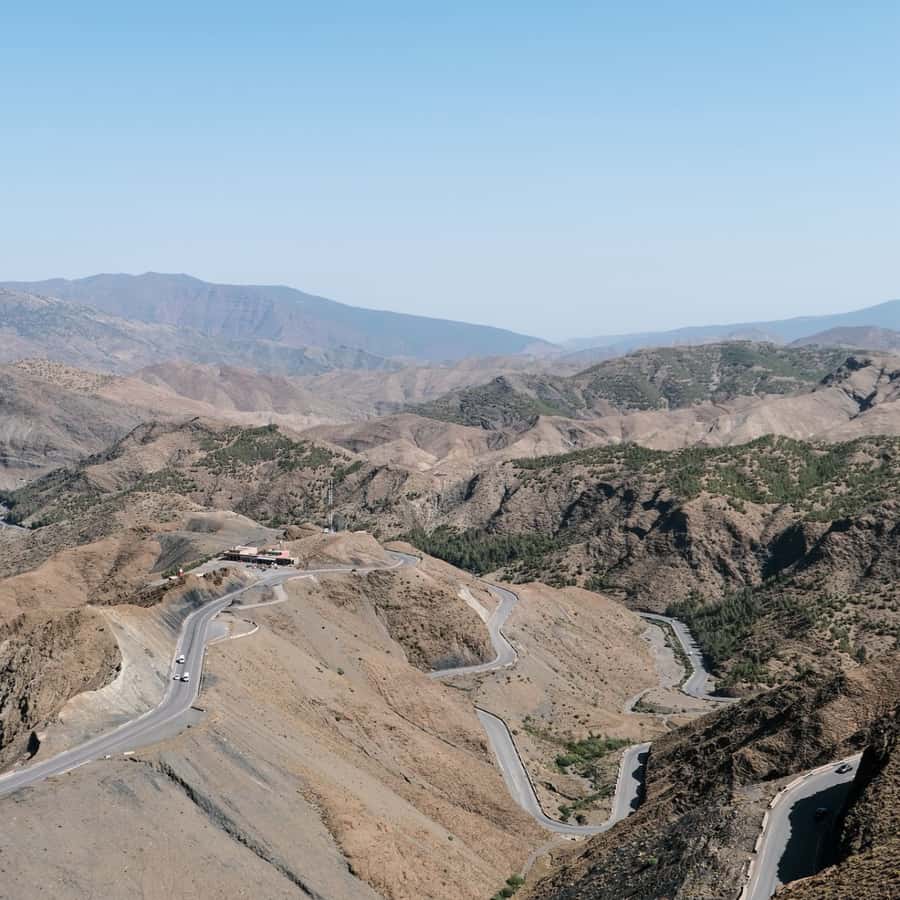
Next comes Tizi n’Tichka pass in the High Atlas Mountains at about 2,260 meters. This is your panoramic road moment, with valleys, hills, and winding road views before Marrakech traffic swaps the drama of rocks for city noise.
By evening, you reach Marrakech. After the road and the desert quiet, Marrakech can feel like landing in a different planet.
Price and logistics: when this tour is great value and when it’s not
This tour is the kind of “big Morocco in three days” package that can be great value because it includes several expensive-to-organize parts:
- air-conditioned transport in a minivan or 4×4
- a local camel guide for the Sahara ride
- 1 night desert camp in Merzouga with an equipped private tent
- dinner and breakfast at Merzouga
- another overnight in Ouarzazate (hotel/riad) with dinner and breakfast
- a guided walk at key stops like Ait Ben Haddou
Lunches and drinks are not included, so you’ll want to budget for that. You’ll also want to plan snacks and water for long drives, since the itinerary tends to be move-first and eat-when-stops-happen.
Where value can slip is in execution. Some past experiences report:
- brief stops that felt rushed
- limited guiding because the driver’s English wasn’t strong
- occasional mismatches in lodging quality or camp/tent details
- longer car time than expected on at least one leg
- missing some locations listed in the plan
That doesn’t mean you should avoid the route. It means you should buy it with your eyes open.
My practical “book-smart” checklist for this specific tour
- Ask for the exact desert camp name in Merzouga and the riad/hotel name in Ouarzazate before you pay.
- If you care about guided storytelling, request a clear English-speaking guide level.
- If Atlas Studios is a planned stop for your dates, treat it as optional in your mind and ask if it’s fixed or time-flexible. Some people prefer morning time in Ouarzazate town instead.
If you do those three things, the trip’s strengths—Sahara dunes, Todra Gorge, and Ait Ben Haddou—usually deliver exactly what you want.
Who this 3-day camel trek suits best
This tour suits you best if:
- you want a camel sunset and a Sahara night but have only 3 days
- you like big “region-to-region” transitions more than slow travel
- you’re okay with early starts and long road days
- you want guided stops at major sights like Ait Ben Haddou and time to walk Todra Gorge
It may be less ideal if you want a deeply paced, heavily explained tour with lots of free time, or if you strongly dislike uncertainty around lodging names. If that’s you, consider a shorter desert option or a private arrangement where you can lock in lodging and guide expectations.
Should you book this Fes to Marrakech desert tour?
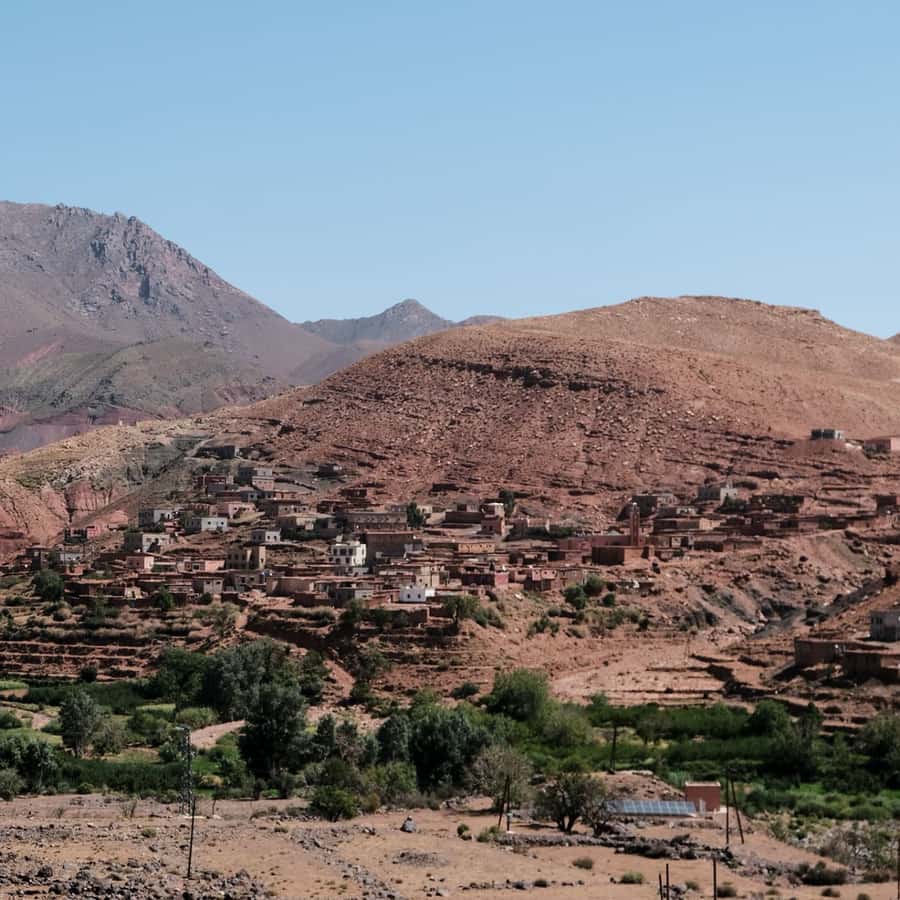
I’d book it if your priority list looks like this: Erg Chebbi sunset dunes, a true desert night with dinner and music, and at least two major “wow” stops on the way to Marrakech (Todra Gorge and Ait Ben Haddou). The route makes sense, and the included private tent desert setup is the main reason to choose a packaged tour instead of trying to stitch it together yourself.
I’d skip or re-check the details if you’re the type who needs everything exactly as written, with zero surprises about camp or hotel names, or if you need heavy English narration throughout the drive. In that case, spending extra time verifying the exact lodging and guide quality is non-negotiable.
If you go in with realistic expectations and a small confirmation checklist, this is a strong way to experience Morocco’s desert spine without losing an entire week.
FAQ
How many days is the tour from Fes to Marrakech?
It’s a 3-day guided desert tour, with pickup in Fes and the final return to the meeting point by the end in Marrakech.
Where does the tour start and where does it end?
The tour starts with pickup from your accommodation in Fez (depending on access). It ends back at the meeting point after arriving in Marrakech.
Do you include camel riding?
Yes. You’ll do a camel ride in Erg Chebbi at sunset, guided by a local camel guide.
Is there a desert camp overnight?
Yes. The tour includes 1 night in a desert camp in Merzouga, with an equipped private tent, plus dinner and breakfast.
What are the main stops along the way?
The trip includes stops in Ifrane and Azrou, then moves through Midelt and toward Erg Chebbi, followed by Rissani, Todra Gorge, Tinghir, Ait Ben Haddou (UNESCO), the Tizi n’Tichka pass, and finally Marrakech. It also includes the Door of the Sahara as a planned stop.
What meals are included?
Dinner and breakfast are included for the night in Merzouga. Dinner and breakfast are also included for the overnight stop in Ouarzazazt (Ouarzazate).
Are lunches and drinks included?
No. Lunches and drinks are not included.