REVIEW · POKHARA
4 Days Poon Hill Trek
Book on Viator →Operated by Swami Narayan Travels Pvt Ltd · Bookable on Viator
Poon Hill turns a short trek into a full-on mountain moment. This 4-day plan is built around sunrise over the Annapurna Range, with village stops, tea breaks, and rhododendron forest scenery along the way. I especially like the private guide and group setup (so you can move at a comfortable pace, even if you’re solo), and the guide support tends to feel personal, not rushed. The main consideration: meals aren’t included, and guest houses are basic (typically clean, but not a hotel).
You’ll start from Pokhara, ride to Nayapul, then trek through Hile and Ulleri, head to Ghorepani, and wake up early for Poon Hill before continuing toward Tadapani and Ghandruk. The route is popular for good reason: it’s short, view-heavy, and still gives you real village life instead of just a mountain commute.
In This Review
- Key highlights at a glance
- Why Poon Hill works as a quick Annapurna sampler
- Getting to Nayapul and starting your first day at Hile and Ulleri
- Day 2 to Ghorepani: rhododendron forests and big Annapurna views
- Day 3 sunrise at Poon Hill and the hike onward to Tadapani
- Day 4 Ghandruk downhill, Gurung village views, and the jeep to Nayapul
- Price and logistics: does $287.92 feel fair?
- Guides, pace, and the small decisions that matter
- Guest houses and food: basic, clean, and easy to plan
- Packing and fitness for a short, “moderate” trek
- Weather and sunrise expectations: the big variable
- Should you book this 4-day Poon Hill Trek?
- FAQ
- Where does the trek start and end?
- How long is the Poon Hill trek?
- What does the price include?
- Are meals included?
- Do I need to pay for Poon Hill?
- What kind of group size is this?
- What’s the cancellation policy?
Key highlights at a glance
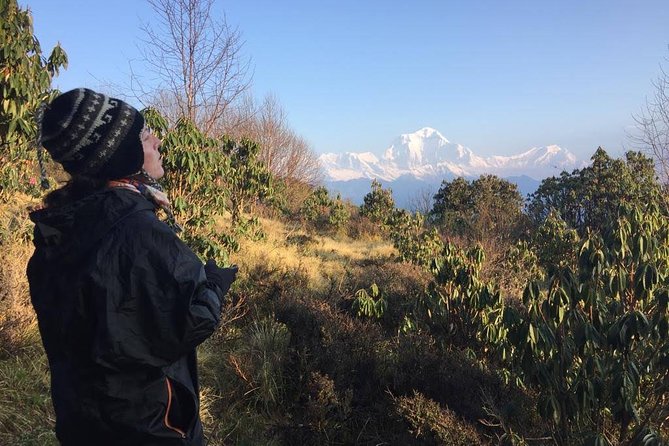
- Sunrise at Poon Hill with a big Himalayan panorama waiting if the sky cooperates
- Private group trekking pace with an English-speaking guide who stays with you
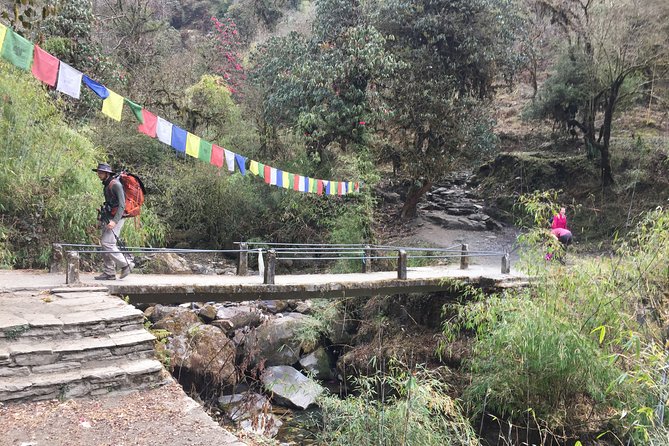
- Rhododendron forest on the way to Ghorepani, plus classic mountain-village tea stops
- Guest house nights that are basic but reported as clean and comfortable
- Transport included: hotel pickup/drop-off, private car to Nayapul, and a shared jeep back
- Permits handled with trekking permit and TIMS included in the package
Why Poon Hill works as a quick Annapurna sampler
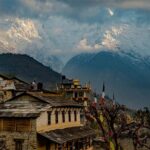
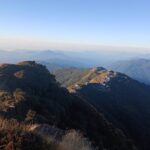
If you want Annapurna views without committing to a long trek, Poon Hill is one of the smarter bets in Nepal. You get a classic taste of the region: terraced hillsides, friendly village paths, and that gradual reveal of peaks as you gain elevation.
The “short and relatively easy” part matters because it changes the vibe. This isn’t a suffering-only slog. It’s a walk with lots of built-in pauses—tea, villages, and scenery breaks—so you can enjoy the experience even if you’re not training for Everest.
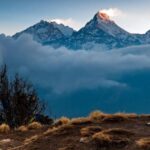
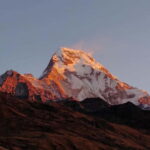
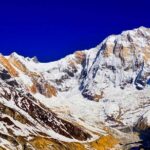
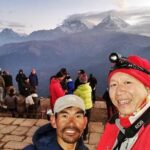
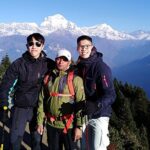
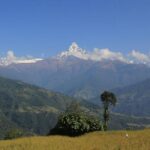
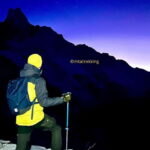
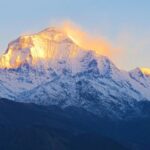
And that sunrise? It’s the reason people love this trek. You’ll be moving early, yes, but the payoff is the wide, dramatic view over the Annapurna Range and surrounding peaks when the light hits right. Multiple trekkers specifically call out how clear the sunrise view can be when weather cooperates.
One more thing I like: you’re not just trekking; you’re also living the route. The stops along the way are part of the cultural texture—how people make a living here, how villages are set up, and how tea breaks work in the mountains.
You can also read our reviews of more tours and experiences in Pokhara.
Getting to Nayapul and starting your first day at Hile and Ulleri
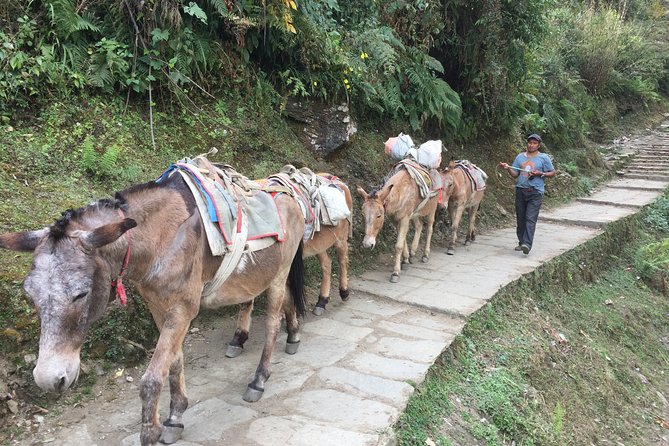
Your trek begins with an easy logistics win: you’ll be picked up from your Pokhara hotel and driven to Nayapul by private car (about 1.5 hours). That means day one starts as a real start, not an early-morning scramble.
Once you reach Nayapul, you begin trekking toward Hile. The plan has you passing through Hile Village, then continuing onward to Ulleri. This is a good first day because it lets your body wake up gradually. Three hours to Hile and about two more hours to Ulleri keeps it manageable while still putting you on a proper trail.
What I’d expect you to feel on day one: you’ll notice the air shift as you climb and the greenery comes in and out around the path. You also get the rhythm of village trekking—regular places to rest, buy tea, and rehydrate without long stretches where you’re wondering when the next stop will show up.
Practical note: since meals aren’t included, it helps to plan for buying snacks and drinks at stops along the way. Guest houses typically have food, but you should assume you’ll be paying for meals separately.
Day 2 to Ghorepani: rhododendron forests and big Annapurna views
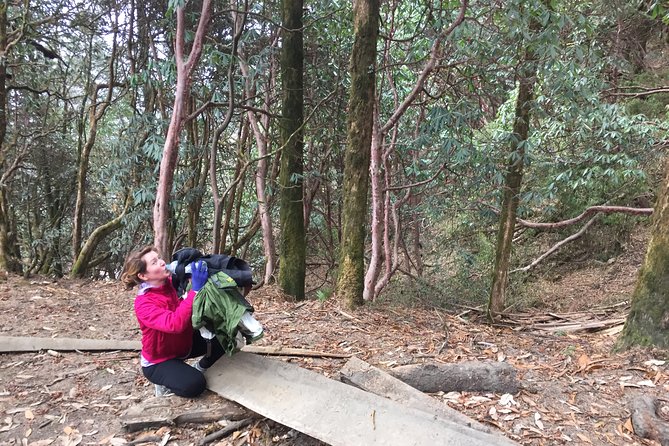
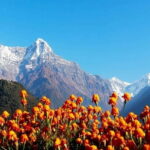
Day two is where the trek starts to feel more “trek-y” in a satisfying way. You’ll head to Ghorepani through rhododendron forests, and you’ll get mountain views along the way—Annapurna views in the background as you walk.
The time block here is about six hours, which is long enough to feel like progress, but not so long that it becomes exhausting. If you pace yourself and don’t overdo the early climbs, it’s a solid day for settling into the trek.
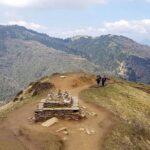
Rhododendron forest trails can be quiet and scenic in a way that feels pleasantly different from the villages. The path often gives you that steady rhythm—up, then a gentle relief, then up again—so you can focus on footing and breathing instead of constantly checking the map.
Also, Ghorepani is a classic staging point. You’re not just walking to a bed; you’re building toward the next day’s sunrise. When you arrive, you’re usually thinking ahead: early start, warm layers ready, and a plan for whatever time you need to leave for Poon Hill.
If you get a clear day, this is also where the mountains can start showing up more confidently. A few trekkers called out that the weather during their trek was one of the best parts, and that the sunrise view was especially clear.
Day 3 sunrise at Poon Hill and the hike onward to Tadapani
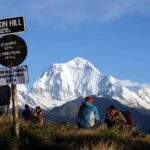
Day three is the headline act. You’ll head to Poon Hill for the sunrise viewpoint. Expect an early start and a short hike segment designed specifically for the timing—this is why the trip is built around a short 4-day window.
The only catch: Poon Hill has an entrance ticket that is not included. So budget a little extra for that, and keep the cash/card ready so you don’t have a stressful moment while you’re trying to catch the best light.
Once sunrise happens, you don’t just head back. The plan has you hiking down from Poon Hill back toward Ghorepani and then continuing on to Tadapani. That later part is longer—around six hours total for the day—so think of it as sunrise morning plus a proper walking afternoon.
This day often feels like two different treks in one:
- a calm, early-morning climb for the view
- a longer downhill-and-across journey afterward to your next village stop
What I’d watch for: fatigue. Sunrise mornings can be easier if you sleep well and don’t pack too tightly with layers you can’t manage. Even with the “moderate” level, the time in your legs adds up.
It’s also a day where a good guide really matters. The trekkers in the provided feedback highlight that their guides gave proper guidance, stayed supportive, and helped keep the experience smooth. One guide name that comes up is Mr. Krishna, and another is Mr. Sunil Dahal—both associated with strong care and good organization.
Day 4 Ghandruk downhill, Gurung village views, and the jeep to Nayapul
Day four is the payoff for patience: you get to trek down toward Ghandruk, including time in the Gurung village area. The walking time listed is about three hours, which keeps the final day from dragging.
Ghandruk is known for village life and the feeling that you’re arriving somewhere established rather than just passing through. You’ll feel the shift from “moving toward sunrise” to “landing in a real community.”
From Ghandruk, you’ll continue with transport: a shared local jeep to Nayapul (about two hours), then a private car ride back to Pokhara (about 1 hour 10 minutes). That combo is practical and common on this route because it avoids making you walk too far at the end after you’ve already done the climbs.
If you’re the kind of person who likes momentum, this day feels good. You finish trekking, then transition smoothly into the comfort of a vehicle ride.
Price and logistics: does $287.92 feel fair?
At about $287.92 per person, this package looks like it’s pricing in a few key “you don’t want to handle this yourself” pieces:
What’s included
- hotel pickup and drop-off
- trekking permit and TIMS
- an English-speaking trekking guide
- accommodation in guest houses as per the plan
- private trip setup
- private transfer to Nayapul, plus a shared jeep back from the finish area
What’s not included
- meals and personal expenses
- rescue cost in an emergency
- optional gratitude
- Poon Hill ticket (not included)
So you’re not just paying for walking time. You’re paying for permits, guiding, and the transport puzzle between Pokhara and the start/end points. That’s usually where independent planning can get fiddly fast—permits, timing, and transport consistency.
Meals are the big variable. Since meals aren’t included, the trip’s real daily cost depends on what you eat at guest houses and tea stops. If you eat simply, keep it moderate. If you snack constantly and order more than one hot meal, the trek can add up quicker.
Overall, the value feels strongest if:
- you want a guide who can manage pace and keep you comfortable
- you’d rather not deal with permits and transfers alone
- you want a short trek with real structure and fewer surprises
Guides, pace, and the small decisions that matter
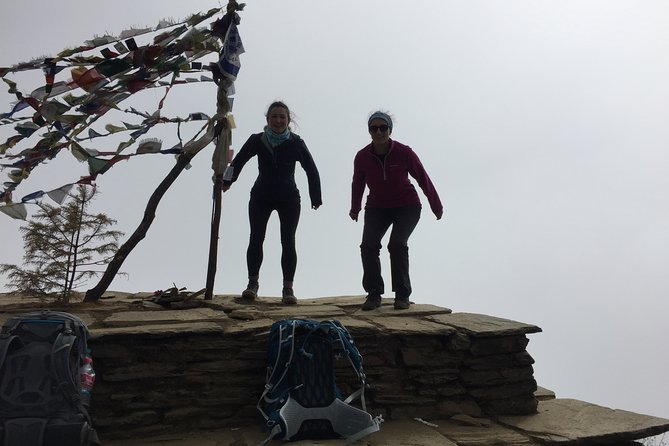
This is a private trip, so it’s not a “everyone speed-walks and hopes for the best” situation. You and your guide can set a workable pace, which is huge on a route like this where energy levels can vary a lot from person to person.
The feedback you provided leans heavily toward strong guide performance. Several trekkers mention:
- great guide support
- proper guidance throughout the trip
- feeling looked after even on a solo trip
One solo traveler specifically said they did not feel alone, which tells me the guide role here is more than pointing the trail. It’s also about checking in, making sure you’re okay, and helping you enjoy each day rather than just “survive it.”
Names that show up include Mr. Krishna and Mr. Sunil Dahal, both tied to excellent service and support. If guide choice is important to you, it’s worth asking your operator who you’ll be paired with before you go.
Guest houses and food: basic, clean, and easy to plan
You’ll be staying in guest houses each night. Based on the feedback, these lodges are basic but described as clean, and that cleanliness is a big deal on a trek.
Food is a mixed bag in most trekking areas, but the good news is you’ll have easy access to meals at guest houses and tea stops. One trekkler called out that the food provided was fresh and healthy. That fits with the typical rhythm of these routes: simple meals you can actually eat at altitude.
Because meals aren’t included in the package, you need to budget for them. Practically, I recommend you plan on:
- breakfast at the guest house or a nearby tea stop
- lunch during the trekking day (often at a village stop)
- dinner at your next guest house
Bring snacks if you like, but don’t assume you’ll find your exact favorite foods everywhere. The goal is steady energy for walking, not perfection.
Packing and fitness for a short, “moderate” trek
This trek is described as moderate with a moderate physical fitness level recommended. That doesn’t mean it’s easy-easy. It means the route is manageable if you walk steadily and don’t treat every uphill like a sprint.
For packing, think layers, because mornings around sunrise can feel cold and afternoons can feel warmer as you move. Also pack for comfort:
- supportive footwear for uneven paths
- a light rain layer, since mountain weather can change
- a water plan that works for you (and remember tea stops are common)
If you’ve done day hikes before, you’ll likely be fine. If you’re completely new to trekking, I’d still say you can do it—just go slow, take breaks, and don’t let ego set your pace.
Weather and sunrise expectations: the big variable
The trek is built around clear mountain views, but the key factor is the weather. Sunrise at Poon Hill is famous, but clouds can steal the show.
That said, multiple trekkers in the feedback talk about getting clear sunrise views and strong weather during their trek. So while you can’t control fog, you can increase your odds by being ready early, following your guide’s timing, and keeping your schedule flexible around sunrise hours.
One tip: don’t treat the forecast as gospel. In the mountains, conditions shift fast. Your best move is to prepare as if it could be cold, and stay calm if it’s not perfectly clear.
Should you book this 4-day Poon Hill Trek?
Book it if:
- you want an Annapurna taste in a short time window
- you like villages, tea stops, and gradual trail days rather than a grind
- you value a guide and private group setup so you can control your pace
- sunrise is your priority, and you’re willing to get up early
Skip it or consider alternatives if:
- you want a full meal plan included (this one doesn’t include meals)
- you’re expecting hotel-level comfort every night
- you dislike tickets and small extra costs (Poon Hill entrance ticket isn’t included)
If your goal is a well-organized, manageable trek with big-view payoff, this Poon Hill plan makes a lot of sense. It’s structured enough to feel easy to manage, but still authentic enough to feel like Nepal—not a bus ride with mountains in the background.
FAQ
Where does the trek start and end?
The trek starts from Pokhara and begins trekking after a drive to Nayapul. It also ends back in Pokhara, after jeep and car transfers from the trekking finish area.
How long is the Poon Hill trek?
The duration is about 4 days.
What does the price include?
It includes hotel pickup and drop off, trekking permit and TIMS, an English-speaking trekking guide, guest house accommodation as per the itinerary, and transfers (private car and shared jeep as described). It also notes that it’s a private trip.
Are meals included?
No. All meals and personal expenses are not included.
Do I need to pay for Poon Hill?
Yes. The Poon Hill stop lists an entrance ticket that is not included.
What kind of group size is this?
It’s a private tour/activity. Only your group will participate.
What’s the cancellation policy?
Free cancellation is available. You can cancel up to 24 hours in advance of the experience for a full refund, and within 24 hours there is no refund.