REVIEW · NICOLOSI
Catania, Etna trekking with guide and cable car at 3000 meters + transfer available
Book on GetYourGuide →Operated by Etna Grimper · Bookable on GetYourGuide
Etna feels different when you walk it, not just look. This guided trek from the Sapienza area blends real volcano science with a cable car shortcut, so you spend your time on the slopes instead of guessing where to go.
I like two things right away. First, you’re led by an authorized volcanological guide who explains what you’re seeing, and names like Giuseppe come up for teaching volcano basics in a clear, practical way. Second, the route targets major Etna features you actually want to see: the Barbagallo craters (erupted in 2002/03) and the Valle del Bove caldera.
One consideration: conditions can be cold up high, and the hike follows current safety rules, so how far you reach can change with volcanic risk levels. Also, it’s not a fit for everyone (vertigo and heart issues are deal-breakers).
In This Review
- Key highlights worth knowing
- Why this Etna trek feels like the real thing
- Getting to the Sapienza area and the cable car jump
- The first walking portion: fresh eruption ground and changing rules
- Barbagallo craters: seeing the 2002/03 eruption up close
- Valle del Bove: walking toward an ancient caldera
- Timing and pacing: how the full 5.5 to 6 hours plays out
- Gear, clothing, and the cold reality at altitude
- Price and value: what you pay, what you still pay for
- Who should book this Etna trek (and who shouldn’t)
- Small group dynamics: the guide’s job is to keep it understandable
- Meeting point and day-of details you’ll want to remember
- Should you book this Catania + Etna cable car trek?
- FAQ
- Where do I meet for the Etna trek?
- How long is the experience?
- What’s included in the price?
- Do I need to buy a cable car ticket?
- Is this tour suitable for kids or people with medical issues?
- What should I bring, and what’s not allowed?
Key highlights worth knowing
- Authorized volcanological guidance for a safer, more meaningful hike
- Cable car access that cuts the climb time and gets you near the 3,000m zone
- Barbagallo craters (2002/03) with views that make the geology click
- Valle del Bove caldera and the 2001 eruption area you can walk toward
- Small group pace and a break built into the route for photos and food
- Gear support: helmet included, walking sticks available on request
Why this Etna trek feels like the real thing
I’m a fan of volcano tours that don’t hide behind vague promises. This one is built around a clear idea: you walk with trained guidance in an area where the rules matter.
The biggest difference is that you’re not just “hiking Etna.” You’re following a volcanological plan. Your guide works under current regulations based on volcanic risk. That’s why the highest point allowed can shift. It also explains why your route is structured around safe, educational viewpoints rather than a random summit chase.
You’ll spend nearly five hours on Mount Etna with a multilingual guide (English, Italian, French). And yes, the science talk matters. When someone connects what you see on the ground—crater shapes, eruption zones, and old collapse areas—to why it formed, the whole trek becomes more than scenery.
You can also read our reviews of more tours and experiences in Nicolosi.
Getting to the Sapienza area and the cable car jump
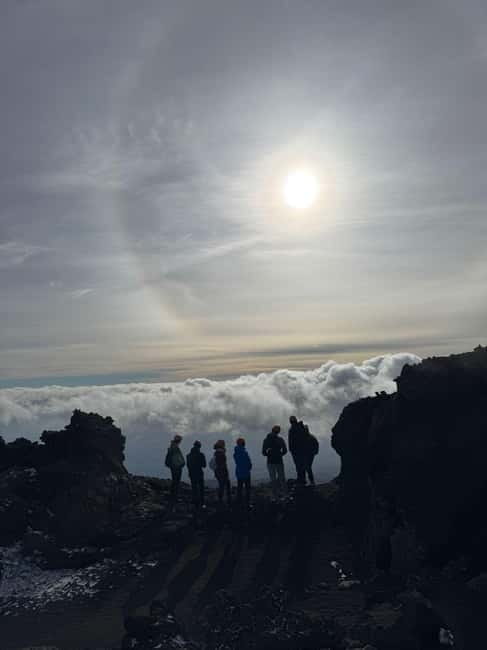
Most days start around Rifugio Sapienza, around 1,900 meters. You’ll meet at the Rifugio Sapienza square and look for promoters in fuchsia jackets with orange flags. If you haven’t found the group yet, message on WhatsApp as soon as you arrive.
From there, you’ll take the cable car up to about 2,500 meters. That altitude boost is a big value piece. It lets you reach high volcanic terrain without turning the day into a long conditioning workout before the interesting part begins.
Depending on your option, there’s also a scenic drive involved, and pickup can be available for a fee (round trip from your Catania-area hotel area, $35 per person). If you hate tight meeting-point hunts on vacation, this optional transfer can be worth it. It’s also a comfort choice if you’re traveling with limited time.
The first walking portion: fresh eruption ground and changing rules
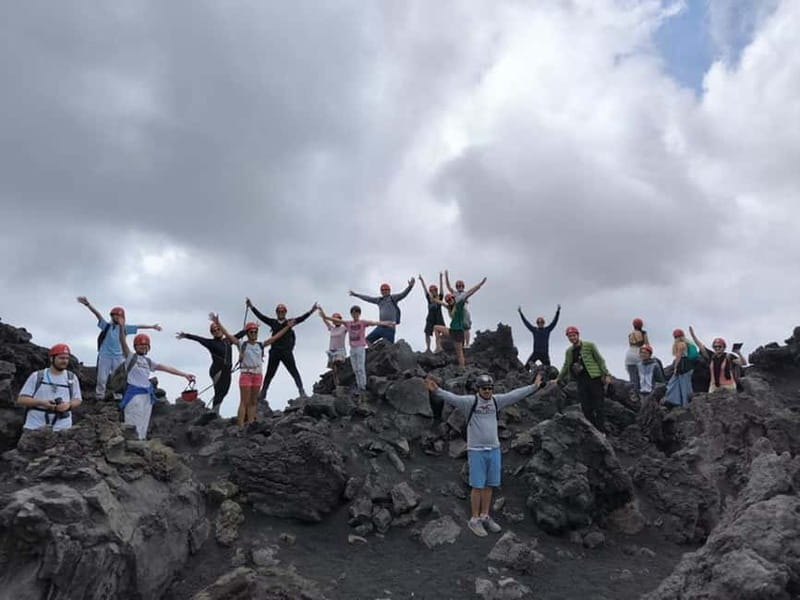
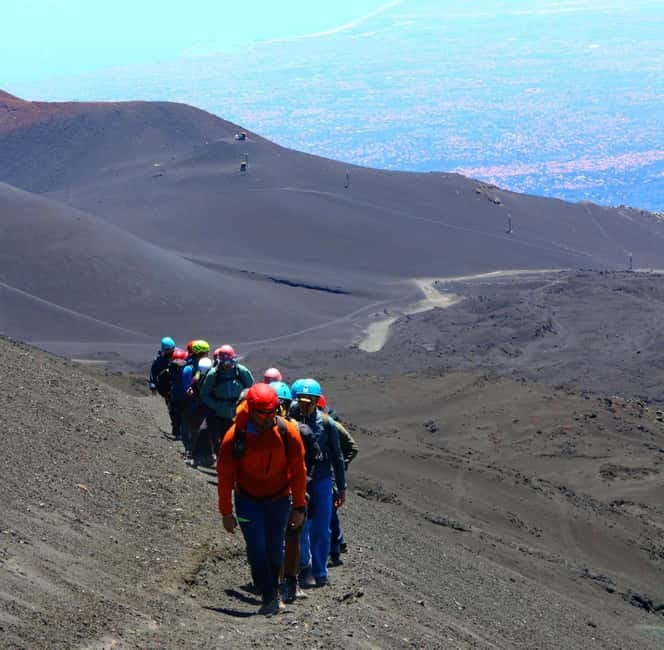
Once you’re out of the cable car zone, the trek starts by crossing areas tied to recent and important eruptions. This is one of the most “wow” parts, even before you reach the famous crater names.
Here’s what makes it special: you start moving through the evidence of Etna’s ongoing activity, and then your guide shapes the route based on what’s permitted that day. That highest point allowed is not fixed. It’s issued according to volcanic risk levels and can change.
Practical takeaway for you: if you’re the type who plans your photos like a checklist, keep expectations flexible. The tour still focuses on major Etna zones, but the exact ceiling of how high you go can vary to stay within safety regulations.
After this initial walking stretch, you’ll get about a 30-minute break to eat something, take photos, and enjoy the surroundings. Bring your own food and drinks, because you’ll need them for that break.
Barbagallo craters: seeing the 2002/03 eruption up close
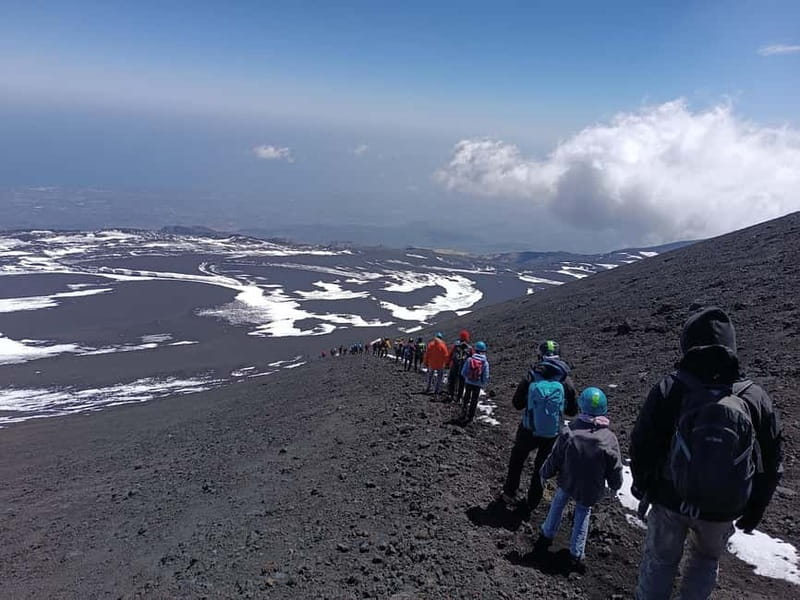
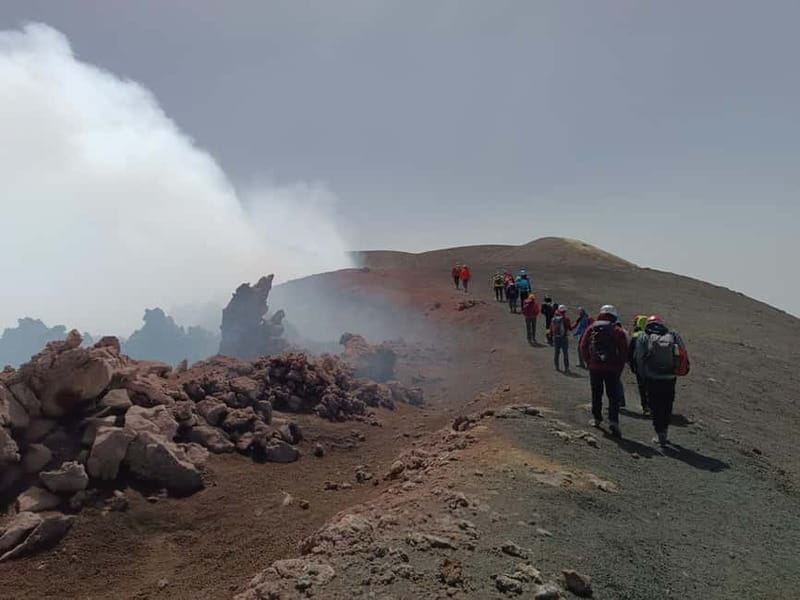
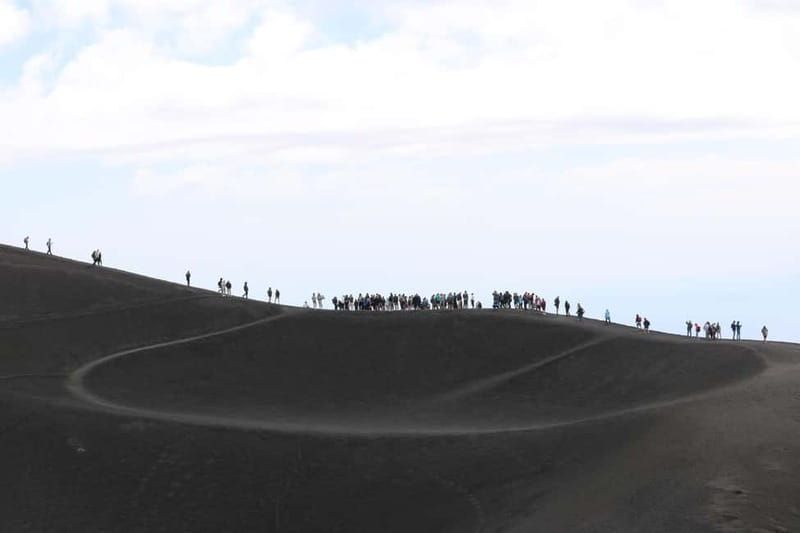
Next comes the climb toward the Barbagallo craters, linked to eruptions from 2002/03. You’re not just walking past a landmark—you’re moving across volcanic forms created by real events, which gives the geography a story.
What you’ll likely feel here is the shift from “scenic walk” to “terrain workout.” It’s still guided and paced as a group activity, but craters have slopes and uneven ground. This is where walking sticks (available on request) can help if your knees aren’t thrilled with uneven ground.
What I like about this segment is that the guide can explain what you’re standing on: crater structure, eruption impact, and how it all connects to what comes next. If you pay attention during the explanation, you’ll be able to look at the ground and understand why it looks the way it does, instead of just thinking it looks cool.
Valle del Bove: walking toward an ancient caldera
After Barbagallo, you’ll descend on the eastern side and head toward Valle del Bove, described in the tour as an ancient caldera. The formation is given as happening about 9,000 years ago, when Etna’s older eruptive centers collapsed.
That 9,000-year detail matters more than you might think. Caldera landscapes aren’t just “big hollows.” They’re the physical result of long-term evolution. When your guide frames this area as collapse and not just erosion, you start seeing the terrain as a timeline.
This part of the trek also supports great sightlines. You’ll continue south until you reach the base of a crater connected to the great eruption of 2001. From there, you cross into the next stretch of the route and finally head back toward the cable car for the descent to the starting area.
If you enjoy geology, this is the segment where the whole hike starts clicking into a coherent picture.
Timing and pacing: how the full 5.5 to 6 hours plays out
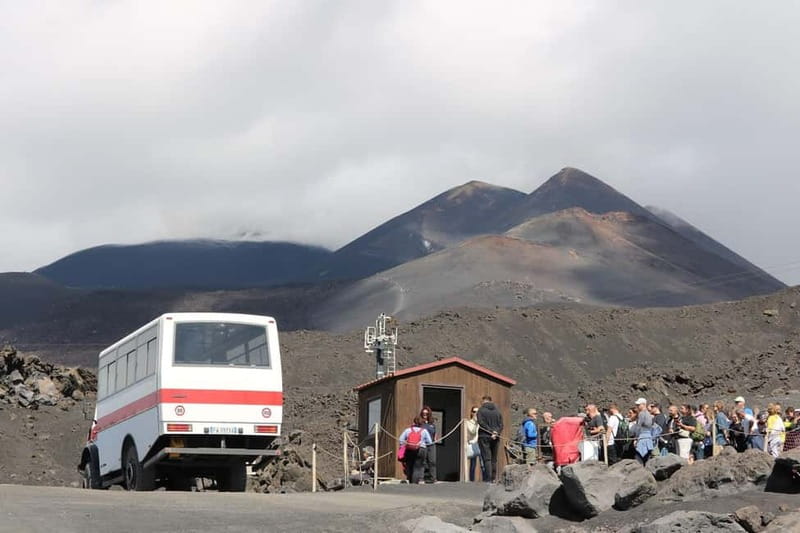
The total duration is listed as 5.5 to 6 hours. That sounds simple, but Etna days have a rhythm: altitude makes everything feel more “present,” from the air to the footing.
You’ll get:
- cable car time up,
- a guided walking plan on volcanic terrain,
- a short break for food and photos,
- a return walk to reach the cable car again.
The hike itself is often described as not too hard for people with an okay fitness level, but it’s still on uneven mountain ground at high altitude. I’d treat it as a moderate trek, not an easy stroll.
Small group format helps. With fewer people, your guide can keep an eye on the group and adjust the pace if someone needs a slower rhythm.
Gear, clothing, and the cold reality at altitude
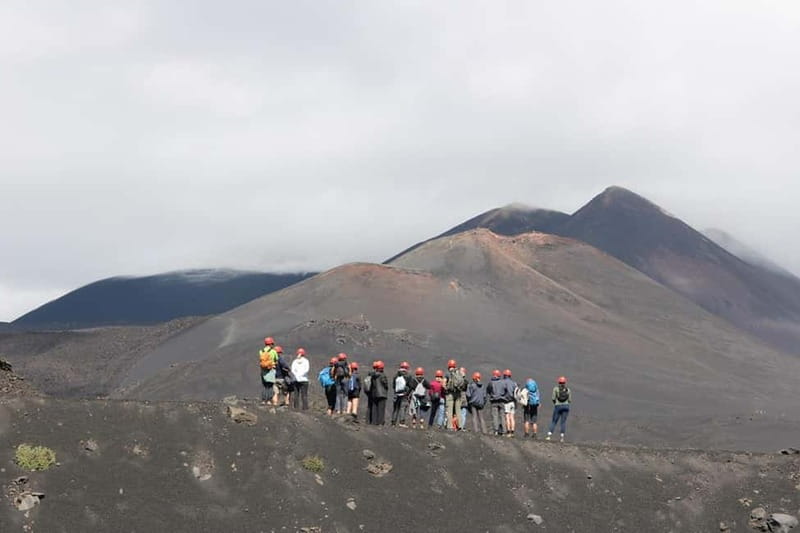
This is Sicily, but the elevation around Etna changes everything. The tour includes:
- a helmet
- shoes (as part of what’s provided)
- walking sticks on request
- insurance
You still need to show up prepared. Bring comfortable clothes and plan for cold conditions. Even when the weather looks good from the city, it can feel sharp at the top. One guide-led experience I saw noted how cold it was even with good weather, and that’s a common Etna reality. Layer up.
What to pack:
- food and drinks for the planned break
- warm layers (even if you think you won’t need them)
- sun protection (altitude glare is real)
- anything you use for footing confidence (some people prefer gloves or a light hat for wind)
What to avoid:
- red wine and alcoholic drinks (also no alcohol in the vehicle)
- alcohol and drugs
- nudity
Even if you’re tempted to make it a “fun picnic,” follow the rules. It’s a volcano trek, not a beach day.
Price and value: what you pay, what you still pay for
The published price is $76.47 per person, and that buys you the core guided experience: the multilingual volcanological guide, insurance, helmet, and walking-stick support on request.
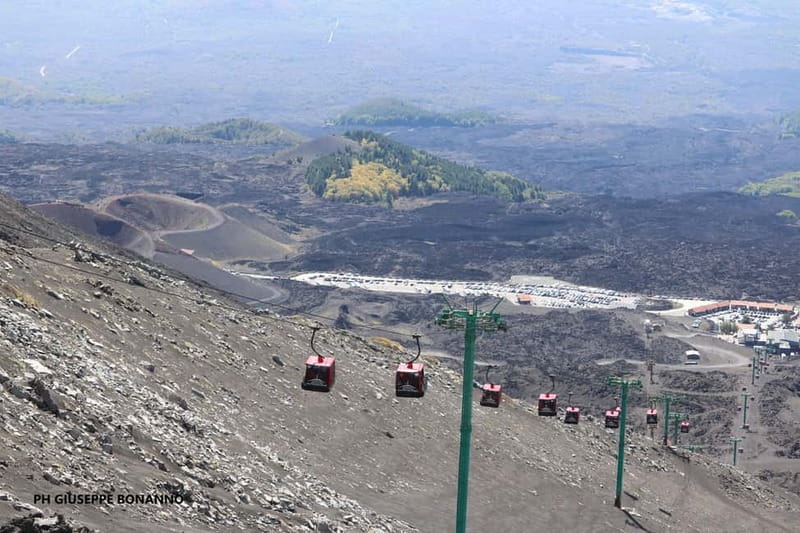
But you’ll also pay for the cable car ticket. The cost is listed as €52 per person (and €30 for children up to ten years old) and it’s paid directly to the guide for the purchase. That’s a key value detail. Even with the extra cable car payment, this setup can still be good value because the guide helps you handle the logistics like the ticket line (it’s described as skip-the-ticket-line).
Think of it this way: you’re paying for expert guidance plus access. The cable car payment is the toll that gets you into the high-altitude zone safely and efficiently.
If you’re comparing options, don’t just compare “cheap hikes.” Many tours without proper volcanological guidance end up feeling like a scenic walk with limited context. Here, the science-led framing is part of what you’re paying for.
Also worth noting: there’s pickup available for a fee ($35 round trip from your Catania-area hotel or nearby towns). If you’re staying outside easy reach, that convenience can be a real quality-of-life upgrade.
Who should book this Etna trek (and who shouldn’t)
This isn’t for everyone, and the limits are clear.
Not suitable for:
- children under 10
- people with heart problems
- people with vertigo
- people with respiratory issues
- people with motion sickness
- people with pre-existing medical conditions
- people over 80 years (and also guidance says over 95 years)
If any of those apply, skip this one and look for a different Etna-style option that matches your health needs.
Who it suits best:
- You want a guided, safe volcano experience rather than a self-led hike
- You enjoy learning while walking
- You’re comfortable with uneven terrain and high altitude
- You’d like a structured route that hits Barbagallo craters and Valle del Bove instead of random viewpoints
If you’re traveling as a couple or small group, the small group size can make it more comfortable, especially on a longer volcanic walk.
Small group dynamics: the guide’s job is to keep it understandable
In a good volcano guide, you don’t just get facts. You get timing, pacing, and a sense of where you are in the story.
The tour is offered with live guidance in English, Italian, and French, and the guidance style seems to focus on making volcano concepts usable. A guide named Giuseppe is specifically mentioned in experiences for being very good and for teaching a lot about Etna and volcanoes. That’s the kind of tour where you leave knowing what you saw, not just remembering how it looked.
With a small group, you also get less crowd friction. On windy, rocky high ground, that matters.
Meeting point and day-of details you’ll want to remember
A smooth day is mostly about not wasting time.
- Meet at Rifugio Sapienza square.
- Look for promoters with fuchsia jackets and orange flags.
- Message on WhatsApp when you arrive so you can find your group fast.
- The tour ends back at the meeting point.
One more practical point: regulations on Etna can change with volcanic risk. That’s not a “gotcha.” It’s part of how volcano safety works. Your route follows the permitted areas for that day.
Should you book this Catania + Etna cable car trek?
If you want Etna with real structure and real volcano guidance, I think this is a smart pick. The combination of authorized volcanological leadership, a cable car jump to high altitude, and a route that connects Barbagallo craters to Valle del Bove gives you both safety and meaning.
Book it if:
- you can handle cold and uneven mountain walking
- you want the geology explained in plain language
- you’d rather do one well-planned guided trek than cobble together separate logistics
Skip it if:
- you have vertigo, heart or respiratory concerns, motion sickness issues, or other pre-existing limitations listed for unsuitability
- you want a purely easy, stroller-friendly outing
FAQ
Where do I meet for the Etna trek?
You meet at the Rifugio Sapienza square. You’ll find promoters wearing fuchsia jackets with orange flags. Contact the operator via WhatsApp as soon as you arrive.
How long is the experience?
The duration is listed as 5.5 to 6 hours. Starting times depend on availability.
What’s included in the price?
The tour includes a multilingual volcanological guide, insurance, a helmet, and walking sticks on request. Shoes are also included.
Do I need to buy a cable car ticket?
Yes. The cable car ticket costs €52 per person (and €30 for children up to ten) and you pay it directly to the guide.
Is this tour suitable for kids or people with medical issues?
It’s not suitable for children under 10. It’s also not recommended for people with heart problems, vertigo, respiratory issues, motion sickness, pre-existing medical conditions, and for people over 80 years (and guidance also notes over 95).
What should I bring, and what’s not allowed?
Bring food and drinks, and wear comfortable clothes. Red wine, alcohol and drugs, alcoholic drinks in the vehicle, and nudity are not allowed.