REVIEW · KATHMANDU
Everest Base Camp Trekking 14 days
Book on Viator →Operated by Walk Mountain Pvt Ltd. · Bookable on Viator
One flight can change your body’s altitude story fast. This 14-day Everest Base Camp trek strings together Kathmandu comforts, a Lukla arrival, and steady acclimatization on the way to Everest Base Camp. You’ll walk through Sherpa villages like Namche Bazaar, Khumjung, and Khunde, then earn the big payoff near Gorakshep and Kala Patthar.
Two things I really like: the plan includes intentional acclimatization days (not just hike-up, hope-for-the-best), and you get structured support with an English-speaking trek leader plus a porter setup for comfort and safety.
The biggest consideration is the altitude. You’ll reach Kala Patthar at about 5,545 m / 18,192 ft, so you need to pace yourself hard and respect rest days. Also, tea houses are basic—think shared bathrooms in some places and extra fees for things like hot showers and battery charging.
In This Review
- Key Highlights You’ll Feel on the Trail
- Kathmandu First: Settle In Before the Thin Air
- The Lukla Flight: Fast-Track to the Starting Line
- Phakding to Namche Bazaar: Gateway Day into Sherpa Country
- Namche Acclimatization Day: Walk, Explore, Don’t Rush
- Namche to Tsengboche: Monastery Views and Rhythmic Climbing
- Tsengboche to Dingboche: Amadablam and Thamserku in Focus
- Dingboche Acclimatization: Chukkung and a Second Chance to Adjust
- Dingboche to Lobuche: Glacier-Proximity and Higher Air
- Lobuche to Gorakshep and Everest Base Camp: The Long Push That Pays Off
- Kala Patthar Day to Pheriche: Best South-Face Views, Hard Steps
- Pheriche to Tyangboche: Returning with a Different Kind of Energy
- Tyangboche to Lukla: The Closing Walk
- Fly Back to Kathmandu: When You Get Your Normal Breathing Back
- Meals, Lodges, and What “Tea House Comfort” Really Means
- Price and Value: What $1,440 Actually Buys You
- Equipment and Safety Stuff That’s Actually Useful
- Your Trek Team: Guides and Porters Make It Better
- Should You Book This Everest Base Camp Trek?
- FAQ
- What’s included in the trek price?
- How long is the Everest Base Camp trekking experience?
- Where does the trek start?
- Are flights included or do I trek to Lukla from Kathmandu?
- What meals are provided during the trek?
- Do I get a sleeping bag and trekking map?
- How is lodging handled on the trek?
- Is visa cost included?
- Is travel insurance included, including emergency helicopter rescue coverage?
- Is a single supplement available?
Key Highlights You’ll Feel on the Trail
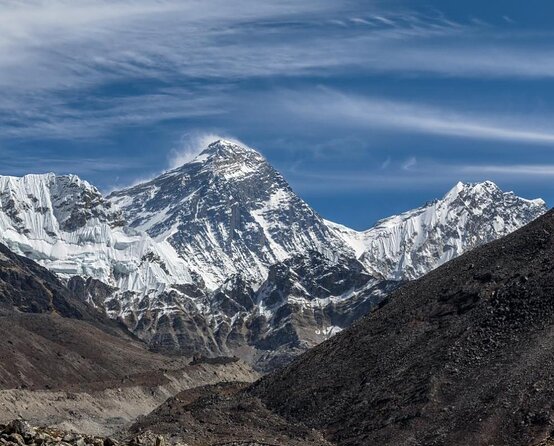
- Lukla flight included: a roughly 40-minute scenic jump-start that saves you days of road travel.
- Sagarmatha National Park entry: you’ll pass through Monjo and trek into a protected high-mountain zone.
- Real acclimatization rhythm: Namche rest day, plus later stops at Dingboche/Chukkung before pushing higher.
- Base Camp + Khumbu Icefall views: you’ll reach Everest Base Camp area and explore nearby, not just stare from far away.
- Kala Patthar optional climb: for most people, it’s the clearest south-face and ridge viewpoint day.
- Small group size (up to 12): easier logistics, less chaos in lodges, and a more personal trek pace.
Kathmandu First: Settle In Before the Thin Air
Your trip begins in Kathmandu with pickup and a transfer to a three-star hotel (Hotel Bliss International or similar). After you freshen up, you’ll get a welcome info briefing and time for last-minute shopping. This is a smart start because the trek gear list can feel long once you’re in Nepal.
You’ll sleep in Kathmandu for two nights total, with breakfast included. There’s also a welcome dinner and a farewell dinner, which helps your group bond before you disappear into the mountains for days.
Practical tip: if you need cash for small purchases (or you’re planning to handle your Nepal visa fee), use this Kathmandu day to sort it out. Small denomination cash and two passport photos are mentioned as required, so don’t leave that until the last minute.
You can also read our reviews of more tours and experiences in Kathmandu.
The Lukla Flight: Fast-Track to the Starting Line
Day 2 is your big jump: Kathmandu to Lukla by flight, followed by a hike to Phakding. The flight is described as nearly 40 minutes, and you’ll land around 2,800 m / 9,184 ft.
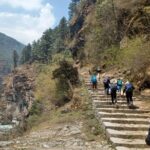
From Lukla, you’ll walk about 3–4 hours to Phakding (around 2,652 m). It’s a gentle first day compared to what comes later, and it gives you time to adjust your breathing and watch your energy level.
Why this matters: on the Everest route, feeling “okay” in the first hour doesn’t mean you’ll feel okay at 5,000+ meters. The earlier you learn your pace, the easier it gets to climb without turning every step into a fight.
Phakding to Namche Bazaar: Gateway Day into Sherpa Country
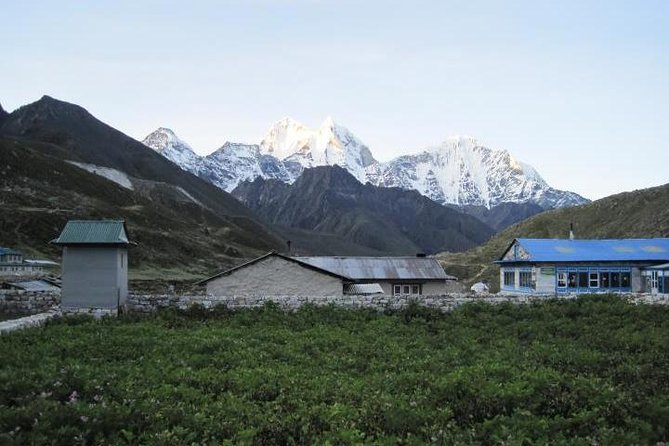
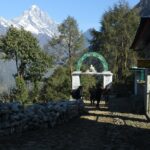
Day 3 takes you from Phakding to Namche Bazaar (about 3,440 m) over roughly 5–6 hours via Monjo. You’ll pass through the entrance gate for Sagarmatha National Park. That moment matters more than it sounds: it’s the shift from local trail life into a tightly managed trekking corridor.
Namche Bazaar is a key hub at high altitude, with government offices, ATMs, internet cafes, shops, and restaurants. There’s also a bakery and a colorful market. In other words, it’s not just a waypoint. It’s where you can get your bearings, top up small essentials, and feel human again after trekking days.
Mealtime on trek days is already built in (breakfast, lunch, dinner included), but in Namche you may also want to buy small extras. Just note the tour’s price does not include drinks, boiled/mineral water, or cold beverages during the trek.
Namche Acclimatization Day: Walk, Explore, Don’t Rush
Day 4 is an acclimatization day in Namche and nearby areas like Khumjung and Khunde Valley. You’ll also visit the Everest View Hotel, Hillary School, and Hillary Museum (all listed in the program).
This is the day you should treat as training for the rest of the week. You’ll get a mix of short walks and cultural stops, which keeps your mind engaged while your body processes altitude.
A tip that helps: keep moving, but keep it easy. The goal is to go up without draining yourself—saving strength for later climbs toward Dingboche, Lobuche, and Gorakshep.
Namche to Tsengboche: Monastery Views and Rhythmic Climbing
Day 5 hikes from Namche Bazaar to Tsengboche (around 3,870 m). You’ll walk 5–6 hours and explore the oldest Tsengboche Monastery.
This stretch is a classic part of the Everest region: steady uphill effort, villages, and big sky. The monastery stop adds more than a photo op. It’s where you feel the spiritual and cultural backbone of the Khumbu area while the mountains do the talking in the background.
If you get tempted to “power up” for views, remember the rhythm matters. You’ll still need energy later for higher, colder days.
Tsengboche to Dingboche: Amadablam and Thamserku in Focus
Day 6 brings you to Dingboche (around 4,360 m) over 5–6 hours. The route includes rhododendron forest walking and close mountain views, including Amadablam and Thamserku.
Dingboche sits at a higher altitude zone where the air feels thinner and the weather can change faster. Lodges here are still basic, but you’ll appreciate having time and food lined up each day.
What makes this day valuable: it builds a bridge between the mid-altitude towns (like Namche) and the harsher, more alpine sections that start feeling more stark and wind-prone.
Dingboche Acclimatization: Chukkung and a Second Chance to Adjust
Day 7 is another acclimatization day, with a hike around Chukkung and Dingboche (again listed as your options). You’ll stay at roughly the same altitude zone, so you can consolidate your acclimatization gains.
This is where you start understanding what “pacing” really means. Even if you feel okay, you’re not trying to win the hike. You’re training your body to recover between days.
The program’s altitude planning is one reason it’s easier to follow than a simple point-to-point trek.
Dingboche to Lobuche: Glacier-Proximity and Higher Air
Day 8 takes you to Lobuche (around 4,940 m) in about 2–4 hours, with the description pointing toward the Khumbu Glacier and mountain views.
Compared to earlier long days, this one is shorter on paper—but don’t treat that as “easy.” Higher altitude can make a short distance feel longer, and the air can get sharper and colder as you go.
On days like this, you’ll learn quickly why you should follow the guide’s pace and rest breaks, not just your enthusiasm.
Lobuche to Gorakshep and Everest Base Camp: The Long Push That Pays Off
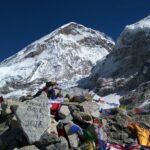
Day 9 is your big day: Lobuche to Gorakshep, then after lunch continue to Everest Base Camp (and the Khumbu Ice-fall area), then sleep in Gorakshep.
This is listed as 8–9 hours total. You’ll trek to Gorakshep first, put luggage, then go on to Everest Base Camp and explore the vicinity. The dramatic part here is obvious even before you see it: you’re reaching the base-camp zone under the highest peak on Earth.
What I like about this schedule is that it doesn’t pretend the day is light. It gives you a long walking block, with meals and an overnight at Gorakshep so you’re not scrambling for logistics after a hard effort.
Practical reality: the wind and temperature near Gorakshep can feel intense. Bring warm layers and use your headlamp plan if you’ll be outside around lodge time.
Kala Patthar Day to Pheriche: Best South-Face Views, Hard Steps
Day 10 is Gorakshep to Kala Patthar (about 5,545 m) then down to Pheriche (around 4,730 m). The walk is listed as 8–9 hours, with an optional hike to Kala Patthar at about 5,555 m.
The program specifically calls out views of Everest’s south face without climbing it, plus Changtse and the West-Ridge route, along with Mount Pumori and more. This is one of the main “why you came” days on Everest Base Camp treks.
Then you descend to Pheriche for the night. That’s not just convenience—it’s smart physiology. Descent helps your legs recover, and dropping in altitude can make sleep and breathing easier than staying high.
Pheriche to Tyangboche: Returning with a Different Kind of Energy
Day 11 moves from Pheriche down to Tyangboche (about 3,867 m) over 4–5 hours.
This is a shift day. You’re still trekking in thin-air conditions, but you’re not climbing toward the highest points anymore. Many people find this stage emotionally sweet: you’re tired, you’ve done the hard stuff, and the route feels more about finishing strong and enjoying the journey back.
Tyangboche to Lukla: The Closing Walk
Day 12 is Tyangboche to Lukla (about 2,800 m) over 5–6 hours. Then you sleep in a guest house in Lukla.
This day can feel deceptively long because you’re eager to be done. Still, this hike is part of the trek’s logic: you’re giving your body time to step down gradually so the return flight on Day 13 feels like relief instead of a shock.
Fly Back to Kathmandu: When You Get Your Normal Breathing Back
Day 13 is the flight back to Kathmandu (listed around 1,300 m). Overnight in a hotel with breakfast included. Day 14 is departure from Kathmandu.
One detail I really appreciate here: flight plans can shift with weather. In past experiences with this operator, delays happened and a guide arranged an earlier first flight for the group when conditions allowed. So it’s worth asking your guide how they handle rescheduling if your flight timing changes.
Meals, Lodges, and What “Tea House Comfort” Really Means
During the trek, you’ll get three meals a day: breakfast, lunch, dinner from the selected menu as per what’s available in tea houses and lodges. Kathmandu includes breakfast (and welcome and farewell dinners), but lunches and dinners in Kathmandu aren’t included.
Food quality: the program notes that trek food isn’t as decorated as Kathmandu, but it’s organic, delicious, and prepared locally in the region. That matches what you’ll likely notice on the route: you’re eating practical meals that keep you moving, not fancy plates.
Lodging: rooms are twin share throughout. Some places may have private bathrooms, but others use shared bathrooms. Hot water is described as available 24/7, though in tea houses it’s chargeable. Battery charging is also not included (you pay extra or sometimes get free charging in some lodges).
My advice: plan your comfort budget realistically. If you want reliable hot showers and full charging, factor in small extra payments.
Price and Value: What $1,440 Actually Buys You
At $1,440 per person, this trek includes a lot of the stuff people end up paying for separately on DIY plans. You get:
- Kathmandu hotel nights (2 nights) with breakfast
- Welcome and farewell dinners
- Flights Kathmandu–Lukla–Kathmandu with airport taxes
- All accommodations during the trek in local lodges/tea houses
- All trek meals (breakfast, lunch, dinner)
- An experienced English-speaking licensed trek leader plus a professional insured porter setup (1 porter for 2 guests)
- Government taxes and official trekking expenses
- A trekking map and a sleeping bag (returned after trip completion)
What’s not included (and matters): Nepal visa fee, international airfare, and travel/health insurance with emergency helicopter rescue coverage. Also not included are drinks and bottled/boiled water on trek days, Kathmandu lunches/dinners, hot showers/battery charges, and tipping.
Value verdict: this price feels fair if you want the big logistics handled—especially the flights, guide support, and meals. If you already have your own gear, insurance, and you’re comfortable making every reservation, the cost may feel higher than DIY. But if you want low-friction planning in a high-stakes environment, it’s the kind of package that reduces stress when conditions are unpredictable.
Equipment and Safety Stuff That’s Actually Useful
The trip provides sleeping bags from the office and mentions returning them after the trek. A trekking map is included too.
They also mention support items and guidance in your information kit: Diamox (for altitude sickness if needed) and water purified pills. Your guide carries first-aid kits, which helps you feel less alone in the mountains.
What I’d focus on for your packing list (since it’s also what the program emphasizes): UV protection sunglasses, sun hat or scarf, warm fleece options, gloves, and a headlamp. You’ll likely want breathable shell layers and warm socks for the higher days, especially around Gorakshep and Kala Patthar.
If you take one thing seriously: bring appropriate footwear with spare laces and keep your layers ready for fast temperature changes. The cold hits when you stop moving, and the wind can be a rude surprise.
Your Trek Team: Guides and Porters Make It Better
One of the clearest patterns from the experiences tied to this company is the quality of guide support. Names that show up in past treks include Bishnu Tamang and Ramesh, with porters such as Lakpa. Even when flights are delayed due to weather, the team has worked to get the group onto the earliest available flight when conditions allowed.
Also, the program clearly states that porters are insured and that the porter load is supported with a 1 porter for 2 guests setup. That matters because trekking with heavy loads at altitude is a different problem than trekking with a lighter daypack.
Ask your guide how your trekking pace will be managed. If you feel pressure to go faster than your body wants, that’s a sign to speak up early.
Should You Book This Everest Base Camp Trek?
Book it if you want a well-paced Everest Base Camp plan with real acclimatization days and full support on logistics—flights, meals, lodging, and guidance—within a small group size.
Consider a different option if you expect luxury comfort, private baths every night, or included hot showers and free charging. This trek is about getting high safely, not about hotel-style downtime.
If you’re the type who likes structure, clear daily goals, and having someone licensed and experienced handling the details, this is a strong fit for your first (or even second) EBC attempt.
FAQ
What’s included in the trek price?
Airport pickup/drop, two nights in a three-star Kathmandu hotel with breakfast, welcome and farewell dinners, Kathmandu–Lukla–Kathmandu flights with airport taxes, trek accommodations in local lodges or tea houses with all meals, an English-speaking licensed trek leader, an insured porter (1 porter for 2 guests), government taxes/official trekking expenses, a sleeping bag and trekking map, plus breakfast/lunch/dinner during the trek.
How long is the Everest Base Camp trekking experience?
It runs about 14 days, including flights back to Kathmandu and departure.
Where does the trek start?
The trip starts in Kathmandu, with a meeting start time listed as 6:30 am and pickup included.
Are flights included or do I trek to Lukla from Kathmandu?
Flights are included: Kathmandu to Lukla on Day 2 and Lukla back to Kathmandu on Day 13.
What meals are provided during the trek?
Breakfast, lunch, and dinner are provided each day during the trek. Kathmandu includes breakfast, plus welcome and farewell dinners. Lunch and dinner in Kathmandu are not included.
Do I get a sleeping bag and trekking map?
Yes. A sleeping bag and a trekking map are included, and the sleeping bag is to be returned after the trip.
How is lodging handled on the trek?
You’ll stay in basic local lodge/tea house rooms, usually twin share. Some places may offer private bathrooms, but in other areas bathrooms are shared. Hot water is described as available 24/7, but in tea houses it’s chargeable.
Is visa cost included?
No. The Nepal visa fee is not included.
Is travel insurance included, including emergency helicopter rescue coverage?
No. Travel and health insurance (including emergency helicopter rescue insurance) is not included, and it’s recommended.
Is a single supplement available?
Yes. A single supplement is listed as $100 extra.