REVIEW · CUSCO
07 Day: Inca Jungle Adventure with Mountain Bike, Rafting, Zipline & Trek
Book on Viator →Operated by Inkayni Peru Tours · Bookable on Viator
If you want adrenaline with Inca ruins, this route fits. It’s a 7-day Cusco adventure that mixes mountain biking, rafting, a zipline, and an overnight trek that lands you at Machu Picchu.
I like that the logistics feel handled for you: pickups, rides, guide, meals where promised, and entrance fees are part of the package. I also like the variety—one day you’re dropping down a high pass on a bike, then you’re floating rapids, then you’re walking Inca paths toward Machu Picchu.
One consideration: it’s not a slow-sightseeing trip. Expect early starts (often around 6:00 AM) and some real uphill walking, plus a night or two on basic hostel setups in the jungle zones.
In This Review
- Key highlights that make this trip worth your time
- Why the Inca Jungle route feels better than a straight Machu Picchu plan
- Cusco arrival and altitude: your built-in rest day at 3,400 m
- Sacred Valley day: Moray terraces, Maras salt pools, Chinchero views
- Malaga Pass downhill: biking from 4,350 m to the jungle towns
- Santa María rafting and the zipline ride
- Trek to Santa Teresa: Inca Trail segments and fruit at a local home
- Trek to Aguas Calientes: Aobamba Valley, Intihuatana, and the sundial area
- Machu Picchu day: bus timing, guided circuits, and optional peak views
- Comfort, food, and the logistics chain that saves your energy
- Price check: what you’re really paying for at $1,129 per person
- Who this tour suits best (and who may feel over-scheduled)
- Should you book this Inca Jungle Adventure to Machu Picchu?
- FAQ
- What’s included for mountain biking?
- Is rafting included, and what rapids level is it?
- Are meals included?
- How do you get to Machu Picchu?
- Is Machu Picchu guided?
- Can I add Huayna Picchu or Machu Picchu Mountain?
- What’s the single supplement for solo travelers?
- Is the tour refundable?
- What health level does the tour require?
Key highlights that make this trip worth your time
- Full-suspension bikes + helmet + gloves mean you’re not fighting gear while you chase views
- Class II/III rafting runs with a professional safety kayaker watching the fun
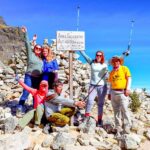
- Machu Picchu guided entry covers temples, ceremonial areas, terraces, and storage structures
- Sacred Valley day hits Moray terraces, Maras salt pools, and Chinchero in one efficient loop
- Two-night jungle-style pacing: Santa María → Santa Teresa → Aguas Calientes with active days between
- Guides like Jonathan and Wilbert get repeated praise for keeping everyone safe and on schedule
Why the Inca Jungle route feels better than a straight Machu Picchu plan
Most Machu Picchu days feel like: bus, ruins, photos, return. This one gives you a story arc. You go from Cusco altitude adaptation, to the Sacred Valley, to an Inca Jungle section with biking and water sports, then you finish with a guided Machu Picchu visit.
For your money, the value is in the mix. You’re paying once, but you’re getting multiple outdoor activities that usually cost extra when booked separately. The tour also includes entrance fees and the core transportation chain—so you spend less time solving logistics and more time actually doing the stuff.
You can also read our reviews of more tours and experiences in Cusco.
Cusco arrival and altitude: your built-in rest day at 3,400 m
Day 1 is designed for a reason: Cusco sits around 3,400 meters (11,000 feet). After you land at Alejandro Velasco Astete Airport, an Inkayni Peru Tours representative greets you and transfers you to your hotel. That’s helpful because you’re already dealing with travel fatigue and air pressure changes.
Then you get a rest day. In plain terms, this means your schedule won’t be packed that first afternoon. You can explore Cusco slowly or just settle in. In the evening, you meet your expedition group and go over what’s next—so you’re not learning the plan while hungry and half-asleep.
Practical tip: plan to take it easy on Day 1. If you push too hard right away, you’ll feel it later when the biking and hikes start.
Sacred Valley day: Moray terraces, Maras salt pools, Chinchero views
On Day 2, you’re picked up from your hotel around 8:00 AM and drive through the Sacred Valley—about 1 hour 20 minutes before your first stop. The drive matters because it sets expectations: snow-capped peaks in the distance, working farmland, and Andean villages you pass along the way.
Moray is first. It’s famous for three amphitheater-like terraces cut into the earth. It’s the kind of place that makes you look twice: you’re staring at farming zones, but you’re also seeing something archaeological and experimental.
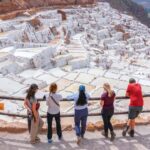
Next come the Maras Salt Mines. This is an ancient salt-extraction site where over 3,000 salt pools are still used today. It’s visually striking and easy to photograph because the pools create patterns down the hillside.
Finally, Chinchero rounds out the loop. You climb to 3,762 masl (12,343 ft.), which puts you higher than most of the day. The altitude bump is noticeable, but it’s also part of why the views feel so crisp.
A small drawback to know: Sacred Valley days move at a steady pace. You’ll enjoy each stop, but you’re not there to linger all day in one place.
Malaga Pass downhill: biking from 4,350 m to the jungle towns
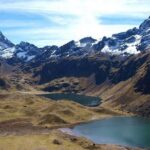
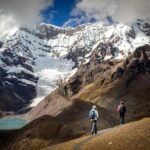
This is the day where the adrenaline shows up. Day 3 starts with an early pickup around 6:00 AM (exact timing is confirmed). First you drive about 3 hours to Malaga Pass (4,350 masl / 15,190 ft.). That altitude is the setup: it’s why the descent feels dramatic.
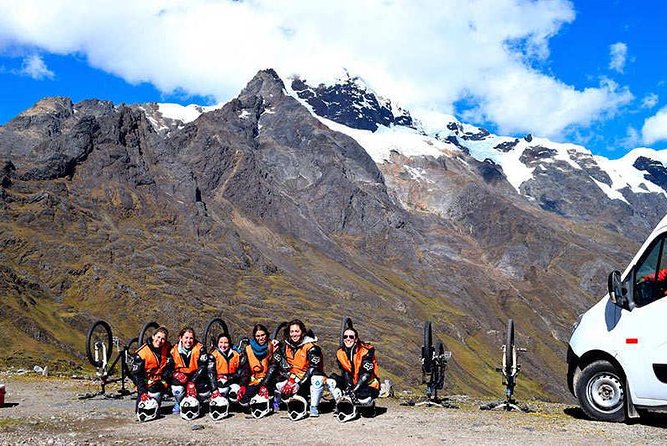
Then you start your full-suspension mountain bike ride. The descent takes about three hours, with stops and scenery along the way—villages, orchards, and rivers. You finish the ride in Huamanmarca around 1:30 PM, then take a private bus down to Santa María (about 1,200 masl / 3,937 ft.).
Why I like this structure: you get your most physical payoff in the middle of the day, then you shift to recovery mode before the next activity.
Gear note: the tour includes full suspension bikes, helmets, and gloves. That’s big. It removes the hassle of renting the right bike at the right quality on short notice.
Santa María rafting and the zipline ride
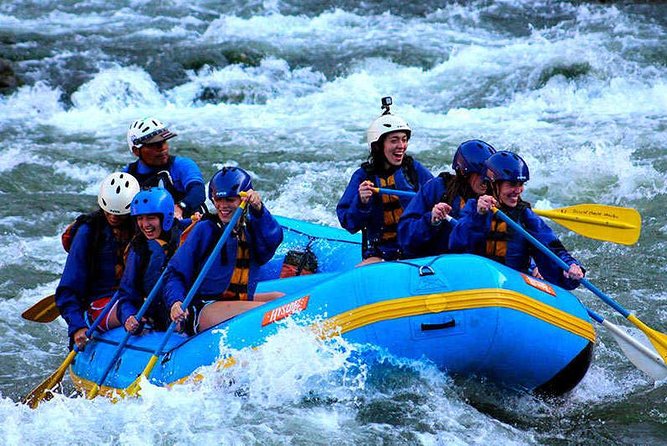
After you arrive in Santa María, you don’t just sit around. There’s lunch and then a 2-hour rafting trip with Class II and III rapids. A professional safety kayaker supervises—this is the kind of detail that actually matters when you’re choosing an adventure tour.
Rafting on the Inca Jungle route tends to feel like a contrast machine. Your biking day is about height and speed; rafting is about reading water and staying calm while the river pushes you around.
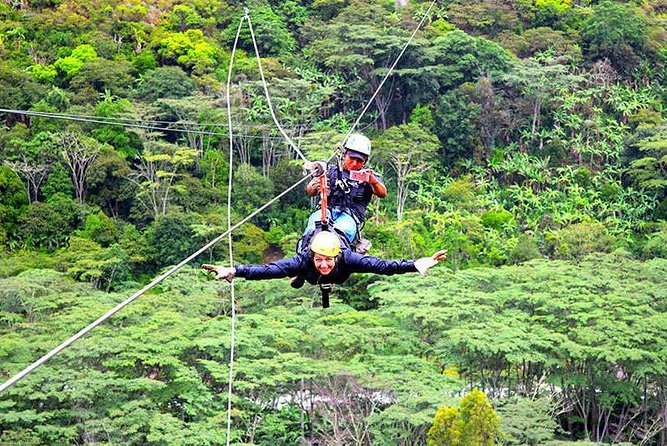
The tour also includes a zipline. The information you’re given doesn’t pin it to a specific day in the schedule, but it’s part of your jungle portion package. I’d treat the zipline as an extra “one more hit” after either biking or hiking, depending on your day’s flow.
One consideration: with a bike ride and then rafting, you’ll want to hydrate well and protect your hands/legs. Even with gloves and helmets provided, the combo can leave you pleasantly sore.
Trek to Santa Teresa: Inca Trail segments and fruit at a local home
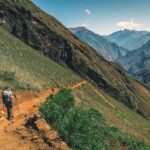
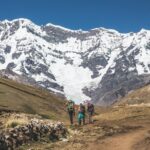
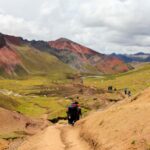
Day 4 starts after breakfast with a 6:00 AM trek to Santa Teresa. The first two hours include uphill climbing with stops to look at local flora and fauna. That matters because it breaks up the effort with short moments of interest.
One of the stops includes a visit to a local family’s home. You rest there, eat fresh tropical fruit, and refill your water. That’s the kind of pause that keeps the day from turning into one long grind.
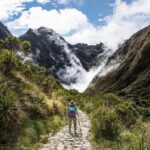
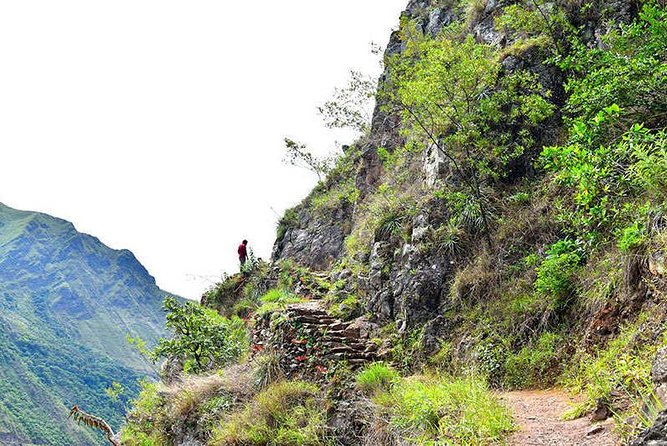
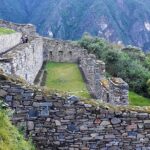
From there, you walk along a historic section of the Inca Trail—described as a connection between Machu Picchu and Vilcabamba. Your guide shares stories about Inca history and communication systems, and you look out over the Huancarccasa Canyon.
The day ends with a descent to Quellomayo, followed by lunch and hammock time. Hammocks might sound like a luxury after a hike, but they’re also a smart recovery tool. Your body will thank you.
Trek to Aguas Calientes: Aobamba Valley, Intihuatana, and the sundial area
Day 5 is another early start: around 6:00 AM after breakfast, trekking to Aguas Calientes. The hike begins with about a 3-hour walk through the Aobamba Valley, surrounded by intense green and mountain views.
You pass the Intihuatana sector, described as a government control post. Then you continue on with lunch provided en route, which is a big deal on day trips where food is often a gamble.
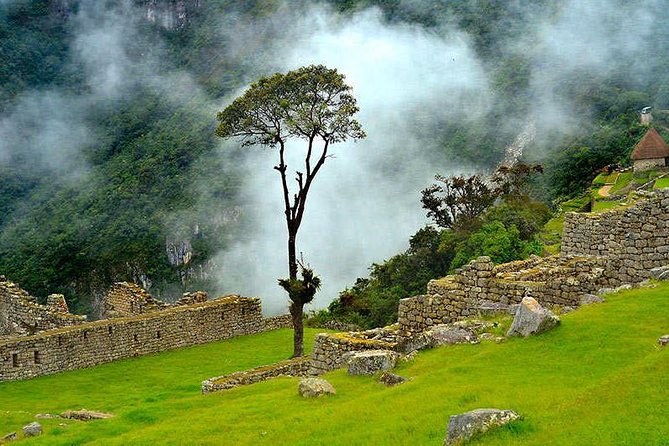
This is also where the tour leans into the culture side of the adventure. You may see an ancient astronomical sundial used by the Incas, along with other structures near the Machu Picchu citadel.
What this means for you: you’re not just burning calories on dirt paths. You’re walking toward Machu Picchu with context in your guide’s words, so the site doesn’t feel random when you finally arrive.
Machu Picchu day: bus timing, guided circuits, and optional peak views
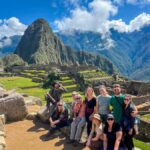
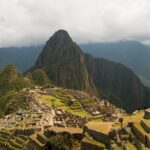
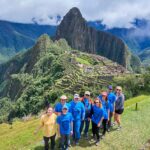
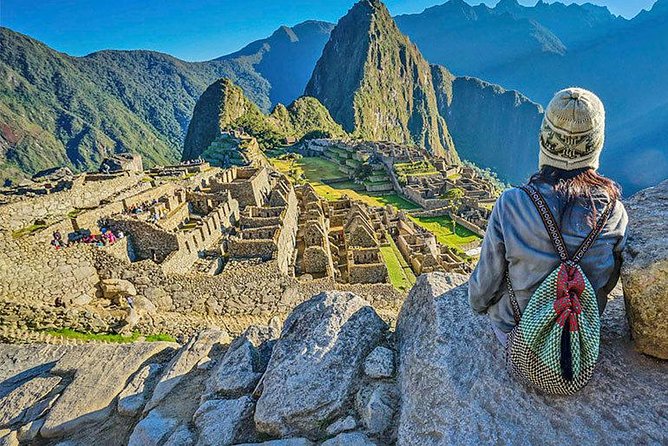
Day 6 is Machu Picchu. You start early with breakfast, then board one of the morning buses to the citadel. Your guide leads an in-depth tour, explaining major areas like temples, ceremonial spaces, terraces, and storage structures.
This guided approach is what makes the difference between seeing ruins and understanding them. You can still take your photos, but you also get the “why” behind the layout, not just the postcard views.
After the tour you return to Aguas Calientes for rest and lunch (lunch here is not included), then head back to Cusco in the afternoon via train and bus.
Optional add-on: if you secured extra tickets in advance, you can visit Huayna Picchu or Machu Picchu Mountain. Those entrance fees are not included (listed as US$85 for Huayna Picchu). If you don’t add a peak ticket, your guided citadel tour still gives you a full Machu Picchu experience.
Comfort, food, and the logistics chain that saves your energy
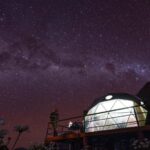
The tour includes three nights in 3-star hotels plus additional lodging: two nights in hostels (Santa María and Santa Teresa), and one night in a 3-star hotel in Aguas Calientes. You’re mixing comfort levels on purpose, because you’re moving through different zones.
Food is mostly handled. Breakfast is included at your accommodations, and lunch/dinner are included on stated days (the tour lists 6 breakfasts, 3 lunches, and 3 dinners). That reduces one of the biggest stress points of active travel: hunger surprises.
Transportation is also part of the deal:
- hotel pickup and transfers in Cusco
- drives between Sacred Valley and jungle zones
- bus to Machu Picchu (one way)
- return transportation by train and bus back to Cusco
If you’re the type who hates tight schedules but loves being active, this tour still works because the guiding team seems built around keeping things on track. In multiple trip notes, guides such as Jonathan and Wilbert come up for being attentive, keeping groups safe, and adapting when travel timing changes. One example: there are mentions that flights delays were handled so the core highlights still happened.
Packing reality check: you’re doing bikes, rafting, and hiking back-to-back. Pack for moisture and for the sun at altitude. Layers matter because temps can swing quickly.
Price check: what you’re really paying for at $1,129 per person
At $1,129 per person for about 7 days, you’re paying for a lot more than a hike plus a bus ride.
Here’s the value logic:
- Multiple paid activities are included: mountain biking equipment, rafting equipment, zipline, and trekking days
- Entrance fees are included
- Transport between zones is included, including the bus to Machu Picchu and return chain back to Cusco
- Professional English-speaking guide is included
- Core meals are included on set days, so you’re not constantly budgeting in cash and guessing what to eat
Could you do this for less on your own? Maybe, if you’re a planner and you already know how to line up biking gear, rafting, and train/bus timing. But if you want someone else to stitch it together, the price starts to make sense fast.
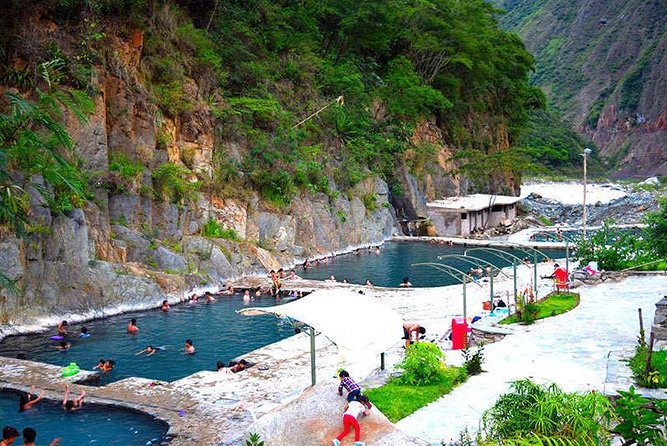
Extra cost note: there’s a single supplement of US$270 for solo travelers. And if you want peak views from Machu Picchu, expect extra fees for Huayna Picchu (listed US$85). Santa Teresa hot springs are also listed as extra (about US$5 per person).
Who this tour suits best (and who may feel over-scheduled)
This is for you if you:
- want thrill activities with real physical effort
- like having a guide explain the “what and why,” not just drop you at viewpoints
- can handle early mornings and a tight day-to-day rhythm
It may be less ideal if you:
- want a relaxed, slow pace with long free afternoons
- have trouble with uphill walking and multi-activity days
The tour asks for moderate physical fitness. That’s a good match for many travelers, but be honest with yourself about uphill stretches and the bike-to-rafting day combo.
One more note: the tour is listed as private (only your group participates). That can be a big perk if you hate waiting around for a big crowd, but it can also mean the schedule is more tightly run around your group.
Should you book this Inca Jungle Adventure to Machu Picchu?
I’d book it if you want one trip to cover the full Peru adrenaline-to-ruins arc. You’re not just visiting Machu Picchu—you’re working toward it through biking, rafting, zipline, and trekking. The package is also structured so you get help with altitude adaptation, core transportation, and entrances.
I’d pause before booking if you’re sensitive to early starts, uphill hikes, or you dislike switching accommodations between hotel and hostel zones.
If you’re an active traveler with a flexible attitude, this tour is a strong value at $1,129 because it bundles the expensive parts—gear, guiding, entrances, and multi-leg transport—into one plan.
FAQ
What’s included for mountain biking?
The tour includes full suspension mountain bikes, helmets, and gloves.
Is rafting included, and what rapids level is it?
Rafting is included, with Class II and III rapids, plus rafting equipment and a professional safety kayaker.
Are meals included?
Breakfast is included at the accommodations. The tour also includes lunch on 3 days and dinner on 3 days, where stated.
How do you get to Machu Picchu?
You board a morning bus to Machu Picchu. After the guided visit, you return to Aguas Calientes and then travel back toward Cusco by train and bus.
Is Machu Picchu guided?
Yes. Your guide leads an in-depth tour of Machu Picchu and explains key features like temples, ceremonial areas, terraces, and storage structures.
Can I add Huayna Picchu or Machu Picchu Mountain?
Yes, if you secure the additional ticket in advance. Huayna Picchu entrance fee is listed as US$85 and is not included in the base price.
What’s the single supplement for solo travelers?
The single supplement is listed as US$270.
Is the tour refundable?
No. The experience is non-refundable and cannot be changed for any reason.
What health level does the tour require?
The tour says travelers should have a moderate physical fitness level.