REVIEW · GERO
Frozen fall trekking
Book on Viator →Operated by 216WORKS guide service office · Bookable on Viator
A frozen waterfall trek sounds simple until you see the ice tower. I love the mix of winter forest bathing and a guided walk that leads to a seriously beautiful frozen waterfall. I also like the small-group size (max 7), which makes the route feel like it’s built around you. One drawback to plan for: this is cold, snowy walking, and the tour favors people with a strong physical fitness level.
You start with an easy meetup at Hida-Osaka Station, then your guide tailors the trek to your skill level and needs. You’ll walk deep into a dense, snow-covered forest until a frozen waterfall appears in front of you—reportedly as a striking tower of blue ice. The experience leans on shinrin-yoku, so it’s not just about reaching the photo; it’s about slowing down and breathing in the crisp mountain air.
In This Review
- Key highlights you’ll feel on the day
- Hida-Osaka Station and the Snow Country Setup
- How the Guide Chooses Your Snowshoe Route
- Trekking Through Winter Forest for Shinrin-yoku Energy
- The Frozen Waterfall Moment: Blue Ice in Front of You
- What 8 Hours Really Includes (and How to Pace Yourself)
- Equipment, Clothing, and Fitness: Your Real Checklist
- Lunch Plans: What You’ll Pay for and What’s Optional
- Price and Value: $180.64 for a Full Winter Experience
- Who This Frozen Waterfall Trek Fits Best
- Quick decision: Should you book this?
- FAQ
- How long is the frozen fall trekking tour?
- Where do we meet the guide?
- Is this a private tour?
- What’s included in the price?
- Is lunch available?
- What are the height and weight requirements?
- What should I expect to do during the tour?
- What happens if the weather is bad?
Key highlights you’ll feel on the day
- Meet at Hida-Osaka Station: straightforward start with your guide
- Route matched to your fitness and skills: the guide picks what fits
- Snowshoe trekking through deep snow: a real winter workout, not a flat stroll
- A frozen waterfall with time to enjoy it: the payoff is the ice scene
- Small group, max 7 people: easier pacing and more personal guidance
- Forest bathing (shinrin-yoku) in the snow: quiet, slow, sensory winter nature
Hida-Osaka Station and the Snow Country Setup
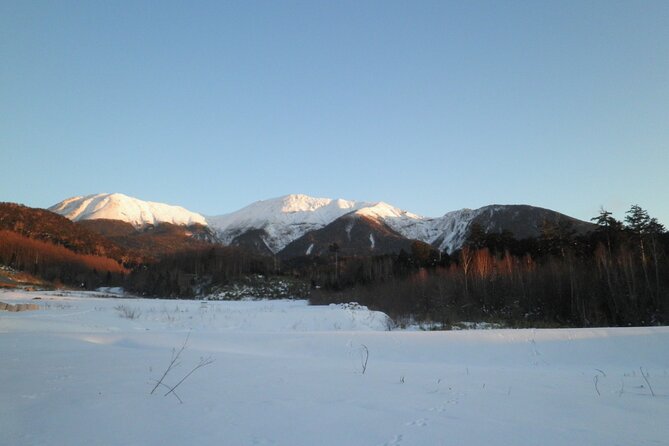
This tour centers on the Hida-Osaka area near Gero, which is a mountain-and-forest part of Japan. You meet your guide at Hida-Osaka Station, and the tour ends back at the same meeting point, so you’re not left figuring out logistics mid-adventure.
Gero and Hida-Osaka are accessible from both Takayama and Gero itself by train or bus or car, usually around 40–50 minutes. That matters because it makes a winter day trip feel doable, even when weather is unpredictable and you don’t want a complicated schedule.
How the Guide Chooses Your Snowshoe Route
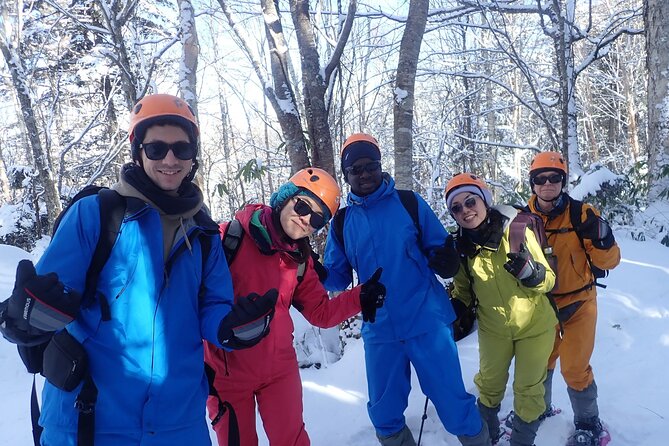
One of the best parts is that you don’t get a one-size-fits-all trail. Your guide picks a trek that fits your skill level and needs, and the experience is limited to just your group (maximum 7 travelers).
The tour also includes equipment—important in winter, because good snowshoe traction and proper winter gear make a huge difference. And from what’s been praised, guides such as Reiko, Jun, and Osamu are known for clear communication and being very comfortable with families and mixed ages.
There are also hard physical rules you should check before you book. You have to be between 140 cm and 190 cm tall, weigh under 90 kg, and come with a strong level of physical fitness. If you’re between sizes or unsure about fit, it’s worth asking early so you’re not stressed on the morning.
Trekking Through Winter Forest for Shinrin-yoku Energy
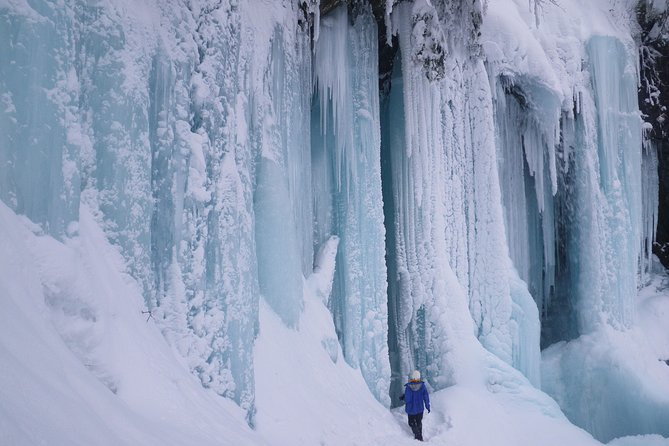
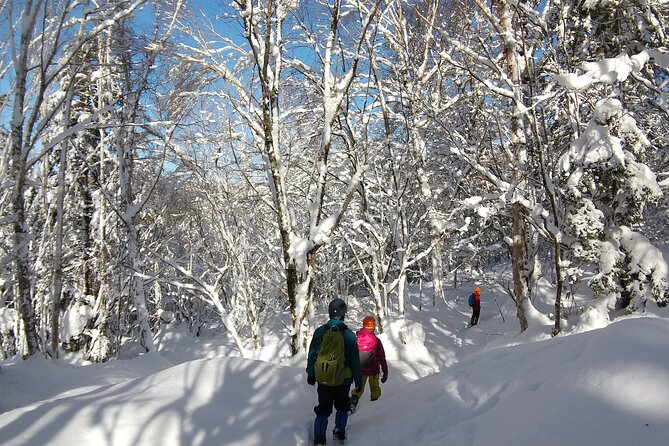
The walk is the point. As you move through a dense, snow-capped forest, the experience leans into shinrin-yoku—forest bathing—so the guide keeps you tuned into the surroundings instead of rushing you like a race.
The air is described as clean and fresh, and there’s a mention of negative ions that can leave you feeling relaxed and refreshed. I like this approach because it makes the cold feel less like punishment and more like a reset: your body works, but your mind gets quieter.
When snow is deep, you’ll feel it in your legs. One factor that shows up in real conditions is that temperatures can get severe; in very cold weather (around -12°C), people still enjoy the trek when the day is well guided and you’re properly prepared.
The Frozen Waterfall Moment: Blue Ice in Front of You
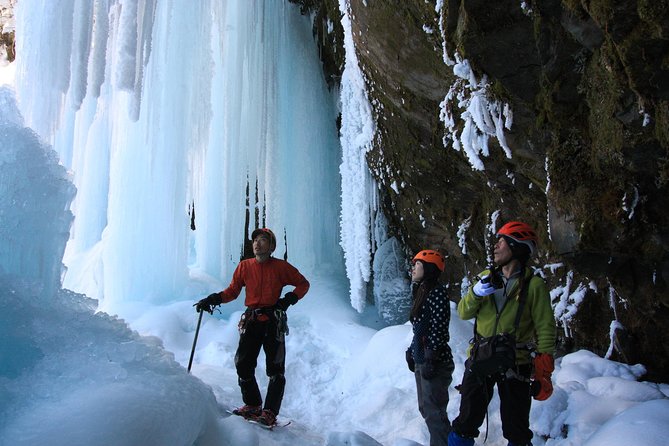
Then comes the payoff: giant blue ice appears as you walk deeper into the trail. The frozen waterfall is described as the most-admired waterfall in Hida-Osaka, and the highlight is the moment you see that ice tower in front of you.
This is also where the tour’s pacing becomes practical. The experience is designed for people who want to spend more time around the frozen waterfall, not just snap a picture and sprint back. If winter photography is your thing, this is a good setup because you’re not fighting a crowd.
The waterfall is visible from the trail after a trek through snow, and your guide brings you to it in the best way they know the area. That local know-how is one reason this works better than trying to copy the walk alone—winter terrain can be gorgeous and unforgiving at the same time.
What 8 Hours Really Includes (and How to Pace Yourself)
The duration is listed as about 8 hours, and that number matters because it shapes what kind of day you’re booking. Expect a full winter outing that includes getting from the meeting point into the walking area, the trek time itself, time at the waterfall, and the return.
Because the route can be tailored, your day won’t necessarily feel identical to someone else’s. But the structure stays consistent: start at Hida-Osaka Station, walk through the forest, reach the frozen waterfall, then head back to the same place you started.
In a long cold day, small things help. You’ll want to be ready for stop-and-go snowshoe walking and to manage your energy. The guides’ clear instructions on what to bring and what to expect (including in family groups) is a real plus here because winter surprises are often about clothing and footwear choices.
Equipment, Clothing, and Fitness: Your Real Checklist
Equipment is included, but you should still treat this like a serious winter trek. You’ll be walking in a snow-covered forest with snowshoes, which means you need balance, stamina, and comfort moving at a winter pace.
From the tour requirements, plan around the measurable limits: height 140–190 cm, weight under 90 kg, and strong fitness. Those rules aren’t random—they’re about safety and the ability to fit and walk comfortably with the gear.
Also note the tour is near public transportation and uses a mobile ticket. That’s convenient if you like to keep things simple, but in winter, you’ll still want to arrive early enough to check in without rushing.
Lunch Plans: What You’ll Pay for and What’s Optional
Lunch is not included. The good news is there’s an optional lunch option: bread and hot soup can be available.
That matters for value. Even though the price is set at $180.64 per person, you’re paying for an 8-hour guided winter activity with professional support and equipment. Still, if you get hungry easily during long walks, build your day around the optional food or plan a meal before and after.
Price and Value: $180.64 for a Full Winter Experience
At $180.64 per person for about 8 hours, this isn’t a bargain-basement activity. It’s more like you’re buying three things at once: a professional guide, winter equipment, and a guided route to a famous frozen waterfall setting.
The value gets stronger because the group is capped at 7, so your experience is less crowded and more personal. And the tour isn’t just about walking; it’s structured around shinrin-yoku and giving you time at the ice.
If you’re comparing to self-guided winter hikes, the difference is safety and navigation. Winter trails can be tricky in snow, and the guide is what turns a potentially stressful walk into a calm, doable day—plus you get the timing and route choices that fit your level.
Who This Frozen Waterfall Trek Fits Best
This tour fits best if you want a winter nature day with structure and a clear goal: walking through the forest and enjoying the frozen waterfall scene. It’s also a good match if you like the idea of shinrin-yoku and not just checking a box.
Families have done it too, including a group with kids aged 13, 12, 10, and 8. That suggests the guide can work with different ages and adjust expectations, as long as the physical requirements are met and everyone is comfortable with snowy walking.
You should consider skipping if you’re not confident in cold-weather hiking or if the fitness level requirement sounds like you’ll be pushing it. Winter snowshoe trekking is still trekking.
Quick decision: Should you book this?
Book it if you want:
- A guided winter walk to an ice-waterfall payoff
- A smaller group setup (max 7) with a guide who adapts the route
- A day that mixes movement with shinrin-yoku calm
Pass or ask extra questions if:
- You’re worried about meeting the height/weight limits or winter walking comfort
- You’re expecting lunch to be included (it’s not, though bread and hot soup may be available)
- Weather is already a big question in your planning week, since the tour needs good conditions
If you’re traveling through central Japan and want one memorable winter experience that feels genuinely Japanese—snow forest, careful guidance, and a waterfall made of ice—this one is easy to recommend.
FAQ
How long is the frozen fall trekking tour?
The tour lasts about 8 hours.
Where do we meet the guide?
You meet at The Waterfalls of Osaka Tour Secretariat, 38-8 Osakachō Ochiai, Gero, Gifu 509-3111, Japan, and the activity ends back at the meeting point.
Is this a private tour?
It’s limited to your group with a maximum of 7 travelers, so it’s not a huge crowd experience.
What’s included in the price?
The tour includes a professional guide and equipment. Lunch is not included.
Is lunch available?
Lunch isn’t included, but an optional bread and hot soup lunch may be available.
What are the height and weight requirements?
You must be between 140 cm and 190 cm tall and under 90 kg.
What should I expect to do during the tour?
You’ll meet your guide, then trek through a snow-covered forest with snowshoe-style walking to see a frozen waterfall, with time to enjoy the ice scene.
What happens if the weather is bad?
The experience requires good weather. If it’s canceled due to poor weather, you’ll be offered a different date or a full refund.