REVIEW · ISLAMABAD
K2 Base Camp Trek
Book on Viator →Operated by Trango Adventure · Bookable on Viator
K2 doesn’t start at the trailhead. It starts in Islamabad, then unfolds through Skardu, the Shigar Valley, and the Baltoro Glacier—ending at K2 Base Camp at 16,400 feet, often called the Throne Room of the Mountain Gods. I love the hassle-free round-trip setup (airport pickup, private vehicle, and a guide handling the moving parts), and I love the chance to sleep on the glacier while you acclimatize the hard way, in the Karakoram. The one thing to plan for: flights can be weather-dependent at Skardu, and you may need to pivot to a road contingency.
What makes this trek feel more than just a checkbox is the pacing and the “value for your effort.” You’re not only chasing K2—you’re also building altitude resilience with rest and acclimatization days, then getting those key view angles at spots like Concordia and Broad Peak Base Camp. You’ll also spend time around world-class mountaineers, with lunch at K2 Base Camp adding a real sense of place. If you’re going in fit and ready for cold nights, it’s an unforgettable journey; if you want a soft, cushy trip, this is not that.
In This Review
- Key points at a glance
- K2 Base Camp Trek: Why This Route Feels Bigger Than the Mountain
- Price and Value: What $3,200 Buys You (and What It Doesn’t)
- Islamabad Arrival: Your First Day Is About Resetting
- Skardu: Lakes, Forts, and a Soft Landing Before the Hard Days
- Johla to Askole Area: The Shigar Valley Switch to Trek Mode
- Paiju Peak Country: Streams, Sandals, and First Big Glacier Views
- Khoburste: Reaching the Baltoro Glacier’s Snout
- Urdukas: The Acclimatization Short Day That Saves Your Trip
- Walking Toward Concordia: Glacier Footing and a Night on Ice
- Broad Peak Base Camp Stop: The “Best View of K2” Angle
- K2 Base Camp Day: Walking In, Lunch with Mountaineers, Then Coming Down
- The Descent Back: Leaving K2 Behind Without Losing Momentum
- Back Through Karakoram Terrain: Repeating the Route With Real Payoff
- Weather Can Change Everything: Skardu Flights vs the Karakoram Highway
- The Human Part: Guide Support, Pro Moves, and the Little Things
- Who This Trek Suits Best (and Who Should Think Twice)
- Should You Book This K2 Base Camp Trek?
- FAQ
- How long is the K2 Base Camp Trek?
- Where does the trip start?
- Do you travel as a private group?
- What’s included in the price?
- Are single rooms or single tents available?
- Is vegetarian food available?
- What should I expect about flights to Skardu?
- What trekking conditions should I be prepared for?
- What is not included?
- What’s the cancellation policy?
- What hours does the experience operate for bookings?
Key points at a glance
- Private-group pacing built for acclimatization, not just distance ticking
- Glacier sleeping on the Baltoro so you feel the real altitude challenge
- K2 view angles from Concordia and a deliberate stop at Broad Peak Base Camp
- Meals and lodging included, including tents and twin-share rooms
- Crew support that keeps you on track, with guides like Mr Hamid, Mr Shabir, and Mr Mehbob mentioned in past trips
K2 Base Camp Trek: Why This Route Feels Bigger Than the Mountain
K2 is the second-tallest mountain on Earth, rising to 28,251 feet. But the real story on this trek is how you get there: by slowly threading through some of the most dramatic terrain in the Karakoram, starting at altitude and building up with purpose.
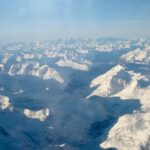
This trip is also structured around the Baltoro Glacier, which is the main artery for reaching the K2 region. You’ll walk close enough to feel the glacier’s scale, then move toward the high junction of peaks around Concordia. When the day comes for K2 Base Camp, it lands with weight—because you’ve spent days letting the altitude and cold become normal parts of your routine.
The private-group aspect matters too. You’re not stuck in a cattle-car rhythm. You get a more personal experience, guided and handled end to end, from transfers to meals to where you sleep.
You can also read our reviews of more tours and experiences in Islamabad.
Price and Value: What $3,200 Buys You (and What It Doesn’t)
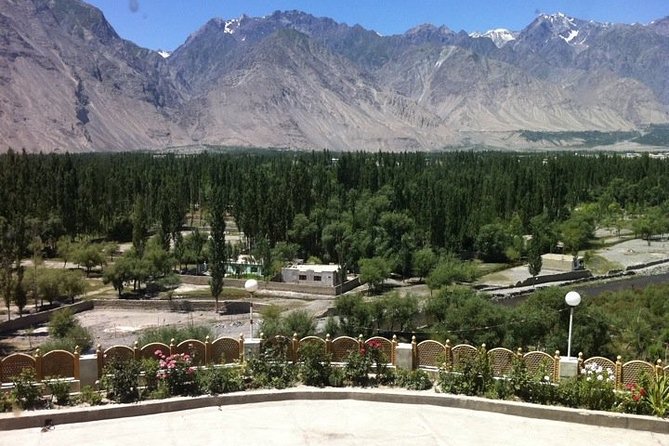
At $3,200 per person for about 20 days, you’re paying for a lot more than “walking to a viewpoint.”
What’s included:
- Hotel rooms and tent lodging on a twin-sharing basis (single options exist for extra charges)
- All meals (breakfast, lunch, dinner are included)
- A professional guide
- Airport pickup and drop-off
- Transport by private vehicle for the driving portions
- A mobile ticket option
What’s not included:
- Drinks
- Souvenir photos (available to purchase)
Here’s how I think about the value: you’re paying for logistics in a remote part of the world. That means tents, food, staffing, and the vehicles that move you through valleys and checkpoints. You also pay for time with the people who know the routes and conditions well enough to keep your day-to-day plan realistic. For many people, that’s the difference between a trek that feels like a project and one that feels like an actual trip.
Islamabad Arrival: Your First Day Is About Resetting
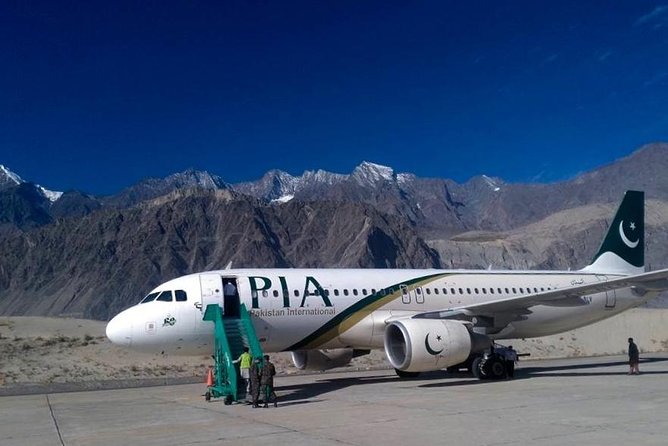
You’ll arrive and meet your guide at Islamabad International Airport, then transfer to the group hotel for rest. That matters more than it sounds. After travel, you need sleep, food, hydration, and a clean start before you start altitude work and long drives.
On a trip like this, fatigue can sneak up fast. The fact that the plan begins with pickup and a proper night in Islamabad is one of those practical touches that keeps you from losing momentum before the trek even starts.
Skardu: Lakes, Forts, and a Soft Landing Before the Hard Days
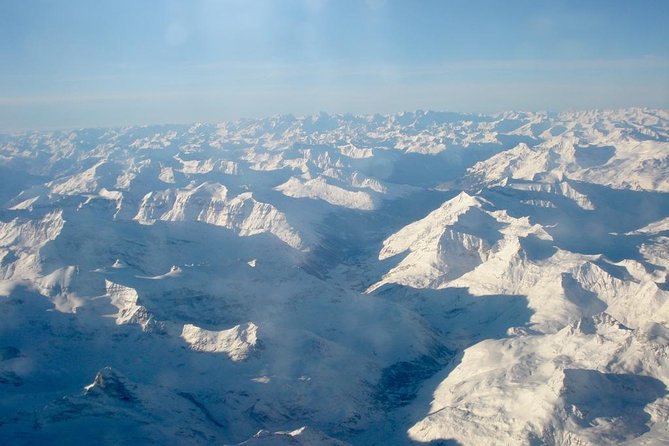
Next you head to Skardu, the classic gateway toward the Baltoro region. You arrive early afternoon, then spend time exploring the town. That first look matters: it gets you used to the rhythm of Karakoram travel—where distances are long, weather changes quickly, and schedules are more “guided by reality” than by stopwatch optimism.
You also get a second Skardu day with options like:
- Sadpara Lake
- The local bazaar
- Kharpocho Fort
- Shangrila Lake
The benefit of these side trips is simple: they’re a chance to break up the travel grind with scenery and local life, while you stay in a lower-stress environment. If you’re the type who gets anxious when a plan moves too fast, these Skardu hours help you settle.
Johla to Askole Area: The Shigar Valley Switch to Trek Mode
Then the route turns toward the Shigar Valley. You’ll travel from Skardu toward Askole, stopping for the night in Johla (the last village of the Shigar Valley is in this area). The drive is listed as about 7–8 hours, so this is one of the big “get you positioned” days.
Why it’s a big deal: Askole/Johla is a line between comfortable logistics and the real trekking world. Once you’re there, the days start to feel more consistent—walk, camp, sleep, repeat—with glacier and high-altitude terrain becoming the main theme.
Paiju Peak Country: Streams, Sandals, and First Big Glacier Views
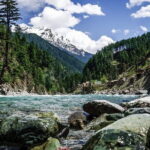
A key trekking day starts with an early push from Johla. The trail runs along the edge of a river for a while before climbing to higher ground and giving views of Paiju Peak (6,611 m). You’re also building your sense of scale: you’ll see an “oasis” valley under Paiju Peak, then start stacking glacier and peak views into one mental map.
Practical note you should take seriously: you may have to negotiate streams, and depending on glacier melt, ford crossings can be necessary. The trek guide suggests sports sandals or old trainers for these kinds of conditions. That’s not a random tip; it’s the difference between getting wet and cold for hours versus handling crossings without turning them into a problem.
If the weather is clear, you might catch a glimpse of K2, which is one of those moments that keeps you going on the long stretches.
Khoburste: Reaching the Baltoro Glacier’s Snout
From there, the route continues to Khoburste, where you reach the snout of the Baltoro Glacier. This is the day where “glacier scenery” becomes “you are walking on the approach to the glacier system.”
The trek time is around 7 hours, and it’s framed as a beautiful trekking day, but the real takeaway is what comes next: getting used to the glacier world—its cold air, its rough footing, and the way weather changes. You’ll be camping in the Khoburste area, which sets you up for the next phase toward Urdukas, then onward to Concordia.
Urdukas: The Acclimatization Short Day That Saves Your Trip
Not every trekking day here is about grinding longer distances. There’s a short day to Urdukas—about 4 hours—with fantastic views of peaks like Trango Tower on the way.
Then comes a true gift: a rest day at Urdukas that’s used for acclimatization. That routine is built into the success pattern of glacier treks in high terrain. You get to recover, let your body adjust, and keep your energy for what’s coming—especially the days that get you closer to K2 and higher junctions.
If you’re prone to rushing or skipping recovery when you feel “fine,” this portion of the trek is a strong argument to slow down. It’s how you make the hardest parts safer.
Walking Toward Concordia: Glacier Footing and a Night on Ice
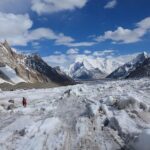
Once you’re ready, you’ll move along the Baltoro Glacier. This section brings you closer to K2 and Concordia, and it’s also where the trip leans into its signature experience: sleeping on the Baltoro Glacier.
That night is explicitly called out as something you should plan for cold. You’ll want to wrap up well. Even if the day feels manageable, glacier nights can be brutally chilly. The point isn’t comfort—it’s adaptation. You’re training your routine so the mountain doesn’t hijack your energy when you’re tired.
Then, you head to Concordia, described as the home base for world-high peaks including K2, Broad Peak, and Gasherbrum I and II. Concordia is also described as a gateway to top-tier climbing objectives. In other words, this is not just a scenic camp. It’s a crossroads where the biggest names in the Karakoram gather in plain sight.
Broad Peak Base Camp Stop: The “Best View of K2” Angle
On the way, the itinerary includes a stop at Broad Peak Base Camp. The stated goal is a best view of K2.
Why this matters for you: K2’s view quality depends on the line of sight and the position of the peaks around you. A well-chosen angle can turn the mountain from a distant shape into a dominant presence. This is the kind of planning that pays off emotionally. If you’re spending days moving through altitude, you want the payoff to be more than a quick silhouette.
K2 Base Camp Day: Walking In, Lunch with Mountaineers, Then Coming Down
This is the highlight day: you walk to K2 Base Camp and have lunch with world top mountaineers who are there to climb K2. After visiting the mountain, you return back toward Concordia for the night.
This combination is powerful:
- Base Camp is the moment you came for.
- Lunch with serious mountaineers gives you context for what K2 really means.
- The return to Concordia keeps you within the high-peak environment, so you don’t abruptly leave the “K2 world” before your body has time to reset.
It’s listed as about 8 hours of walking. Even if you feel good, pace matters. On a day like this, going too fast early can steal your energy for the final approach.
The Descent Back: Leaving K2 Behind Without Losing Momentum
After base camp, you start descending Baltoro Glacier toward Askoli Village. This is a 7-hour day and part of the rhythm shift: you’re moving away from the high junction areas and working your way back to lower camps.
Descent has its own challenges. Even when the altitude drops, your legs and feet still do real work. The glacier and rocky footing can keep your pace slow, so treat the return day as training for comfort—not as an automatic victory lap.
Back Through Karakoram Terrain: Repeating the Route With Real Payoff
The trek continues with several follow-the-same-itinerary driving/walking segments back toward Islamabad, with day lengths around 6–7 hours depending on the segment.
There’s also a detour to Deosai National Park. The data doesn’t list specific sights there, but the practical value is that it breaks the trekking-only rhythm late in the trip and gives you a chance to see another slice of Pakistan’s high country.
Weather Can Change Everything: Skardu Flights vs the Karakoram Highway
One of the most important practical parts of this trek is how you get back when conditions shift.
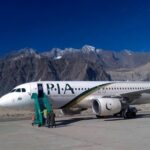
Skardu’s airport is described as weather dependent. Planes can fly only if visibility is good enough for line of sight. If flights can’t happen, the fallback is to travel down by road along the Karakoram Highway, with the Indus River drive to Islamabad taking two days. This is why the plan includes contingency time, so you don’t feel rushed or stuck.
If flying works the day before, you might also get time for Islamabad sightseeing, plus a final group meal in the evening.
This is one of those details that doesn’t sound exciting until you need it. For a remote mountain trek, flexible travel planning is not optional—it’s part of safety.
The Human Part: Guide Support, Pro Moves, and the Little Things
The operator’s reputation centers on organization and care. Communication before the trek is described as responsive, with help provided for Pakistan visa documentation. That’s a big deal if you’re coming from abroad and don’t want to stress over forms while you’re also prepping gear.
During the trek, guides are described as polite and understanding, with a focus on safety and keeping you comfortable enough to keep moving. Past trips mention names like Mr Hamid as a guide, and Mr Shabir and Mr Mehbob for trekking tips. Even if you don’t get those exact names, the key idea is consistent: you’re not left guessing.
Also, the food setup matters. The trek includes breakfast, lunch, and dinner, and on one trip context, the chef even baked a cake for a birthday on the trail. That’s not just cute. It signals that the team treats the trip like a real experience, not a conveyor belt.
Who This Trek Suits Best (and Who Should Think Twice)
This is for people with strong physical fitness. The trekking time is frequently 4–8 hours per day, and at least one night involves sleeping directly on the Baltoro Glacier. The route includes stream crossings, cold conditions at night, and long travel days between regions.
This trek also fits you if:
- You want a private-group experience, limited to your group only
- You like structure that includes acclimatization and rest days
- You want the K2 moment plus serious mountaineer context
Think twice if you need a fully predictable, gentle walking pace. Weather and terrain are part of the deal here. The trip is described as operating in all weather conditions, so dressing right is not optional.
Should You Book This K2 Base Camp Trek?
If you’re chasing the K2 dream and you want the logistics handled with a capable local team, this trek looks like a strong match. The most convincing reasons to book are the combination of glacier sleeping, intentional acclimatization, and the K2 payoff day with lunch alongside mountaineers.
I’d book it if you’re going to:
- Train your legs and expect long walking days
- Bring gear ready for cold nights and wet crossings
- Accept that the Skardu flight piece may change with weather, and the plan has a road contingency
I’d hesitate if you’re looking for comfort-first travel or you can’t handle variable mountain conditions. For the rest, it’s the kind of trip that turns a dream into a series of real, hard, memorable days.
FAQ
How long is the K2 Base Camp Trek?
The duration is listed as 20 days (approx.).
Where does the trip start?
It starts in Islamabad, Pakistan, with pickup at Islamabad International Airport.
Do you travel as a private group?
Yes. It’s described as a private tour/activity with only your group participating.
What’s included in the price?
Included are hotel rooms and tent lodging (twin sharing), a professional guide, hotel pickup and drop-off, air-conditioned vehicle for included transport, and breakfast, lunch, and dinner. A mobile ticket is also mentioned.
Are single rooms or single tents available?
Yes, single room and single tent are available for extra charges.
Is vegetarian food available?
Yes. A vegetarian option is available if you advise at the time of booking.
What should I expect about flights to Skardu?
Skardu is described as weather dependent, meaning flights only go if visibility allows safe line-of-sight landing. If flights don’t work, you may travel down by road along the Karakoram Highway.
What trekking conditions should I be prepared for?
You should have a strong physical fitness level, and the trip notes operating in all weather conditions, so you’ll need to dress appropriately. Stream crossings and glacier cold are part of the experience.
What is not included?
Drinks are not included, and souvenir photos are available for purchase.
What’s the cancellation policy?
There is free cancellation: you can cancel up to 24 hours in advance for a full refund. If canceled less than 24 hours before, the amount paid won’t be refunded. If the experience is canceled due to poor weather, you’ll be offered a different date or a full refund.
What hours does the experience operate for bookings?
The listed opening hours are 8:00 AM–7:00 PM, Monday through Sunday.