REVIEW · ISLAMABAD
11 Days Trek Nanga Parbat Base Camp & Hunza Gojal Valley
Book on Viator →Bookable on Viator
Nanga Parbat feels like a dare. This 11-day private trip pairs a serious trek to Nanga Parbat Base Camp with the gentler beauty of the Hunza Gojal Valley. I like that it’s built as a supported journey with a guide and staff looking after you the whole way, and I also like the way it mixes big trekking goals with cultural and scenic stops.
One thing to plan for: accommodation and meals aren’t included, so your real budget will be higher than the headline price.
If you want northern Pakistan in one tight loop—from Islamabad’s first-day warm-up to high-mountain passes and forts—this is a strong option. Just know that the route depends on good weather, and trekking days can feel intense even with support.
In This Review
- Key highlights I’d plan my trip around
- Islamabad Zoo to a real mountain journey
- Kaghan Valley: lakes, a top pass, and the road to Chilas
- Nanga Parbat trekking days and Fairy Meadows breathing room
- Hunza Valley: forts, lakes, and a gentler pace after the trek
- Gojal Valley and Khunjerab National Park: high passes and big skies
- The value question: $2,516 and what’s really included
- How the loop makes sense (and where it could feel tiring)
- Who this trek is best for
- Should you book 11 Days Nanga Parbat Base Camp and Hunza Gojal?
- FAQ
- Where does the tour start and end?
- What time does the tour start?
- Is this a private tour?
- Is accommodation included in the price?
- Are meals included?
- What are some of the main places you visit?
- Do you get time at Fairy Meadows?
- What about weather—does it matter?
- What is the cancellation policy?
Key highlights I’d plan my trip around
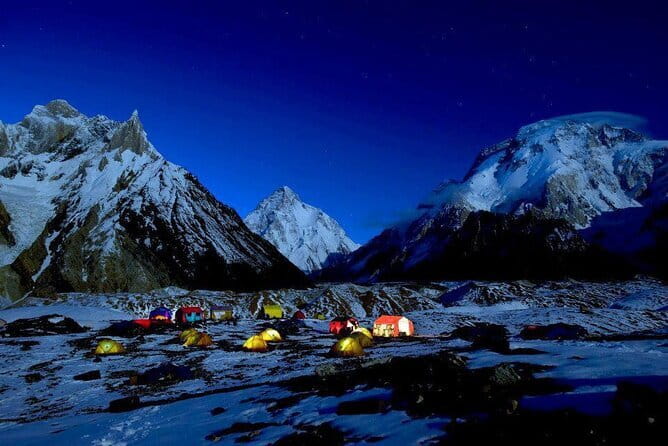
- Nanga Parbat Base Camp focus with camping-style time in the base camp area
- Fairy Meadows flexibility, including a chance to slow down and stay longer
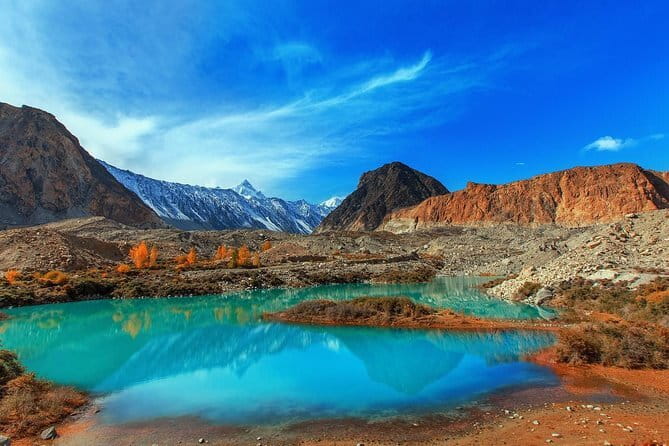
- Hunza classics like Altit and Baltit Forts plus Attabad Lake
- High viewpoints and border-region scenery via Sost, Khunjerab Pass, and Khunjerab National Park
- Private group setup, so your schedule stays yours (not a crowded bus shuffle)
Islamabad Zoo to a real mountain journey
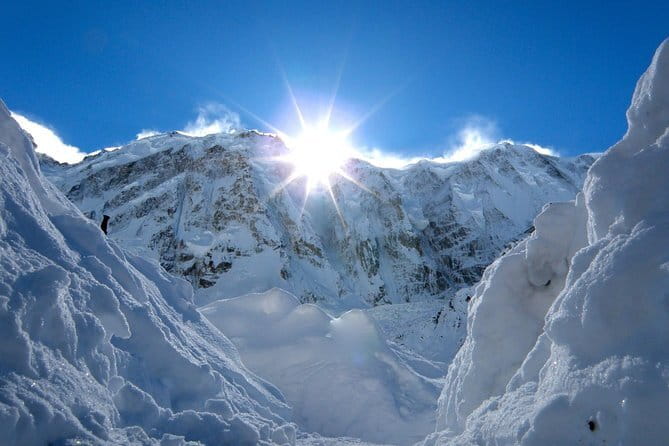
Starting in Islamabad keeps things simple if you’re flying in from abroad. The meeting point is Islamabad Intl Airport, with a stated 8:00 am start time, and the tour ends back at the same meeting point. You’ll also see the tour is described as near public transportation, and pickup is offered, which matters on a day-one schedule when you’re tired and your luggage has opinions.
Then comes a small-but-smart warm-up: a stop at Islamabad Zoo. It sounds casual, but it helps you do two things. First, it breaks the day into something manageable right after arrival. Second, it nudges the trip away from straight “airport → chaos” and toward a slower start, which is useful when you’ll soon be driving deeper into northern Pakistan and changing altitude and weather.
If you hate “nothing happens” sightseeing days, this part may feel light. If you like easing in and getting your bearings fast, it’s a good opener.
You can also read our reviews of more tours and experiences in Islamabad.
Kaghan Valley: lakes, a top pass, and the road to Chilas
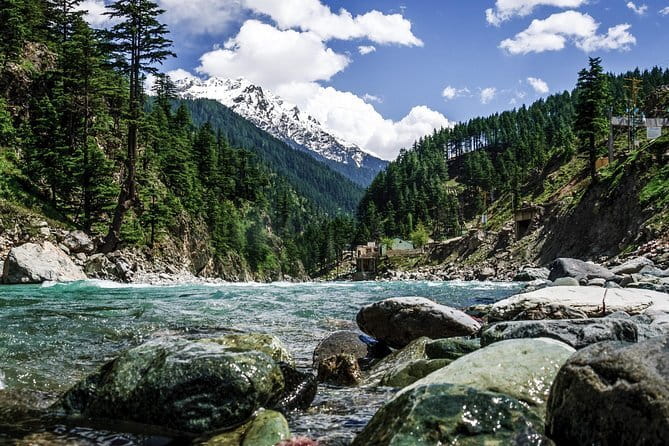
Before you reach the Nanga Parbat trek portion, the route pushes into Kaghan Valley, with breakfast in Naran Kaghan and stops like Lulusar Lake and Babusar Top, before reaching Chilas.
This is one of those travel days that quietly sets expectations. You’re not just moving between destinations. You’re watching the scenery change in a way that makes the later trek feel earned. Lulusar Lake is the kind of stop that gives you a breather—photos are easy here, but the bigger win is taking a moment to appreciate scale before you spend days thinking about trail time and weather.
Babusar Top is the “high road” moment on this section. Even if you don’t know exactly what you’re walking toward, you’ll feel the elevation shift and the colder, thinner-air vibe that northern Pakistan is famous for.
The main drawback: travel roads can be long on days like this. Even with a private setup, you’re still in a vehicle for much of the day. If you get carsick, plan ahead. If you handle road time fine, this day becomes part of the story instead of just a transfer.
Nanga Parbat trekking days and Fairy Meadows breathing room
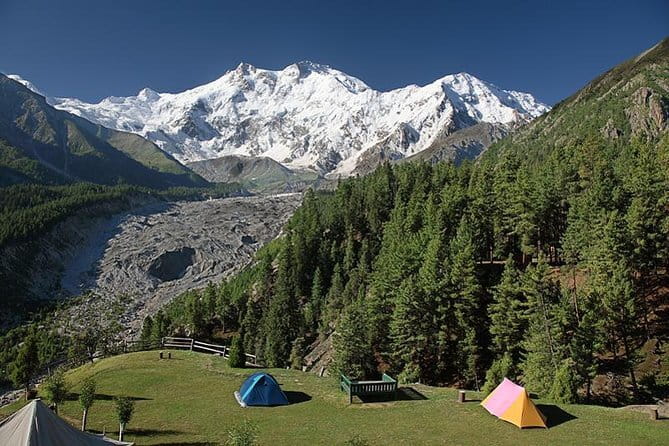
Now you get to the reason many people book. This trip is designed to reach Nanga Parbat Base Camp, described as the base camp of the 9th highest mountain in the world. It’s a private trek, and the overview emphasizes that your staff and guide work to keep you safe and well looked after.
There are two key ideas here for planning your mindset:
- Base camp is about process, not just a single moment. Even without getting specific about trail difficulty (the details aren’t provided), base camp treks usually mean you’ll spend time on the “how we got here” part—weather windows, steady walking, and gradual focus.
- Fairy Meadows time matters. The tour explicitly calls out time at Fairy Meadows, with an option to take it easy and spend more time there.
That “take it easy” note is more than a marketing line. If you’re someone who gets anxious trying to cram everything, this is your buffer. You can treat Fairy Meadows as your decompression stop after more intense trekking effort. And if you’re the type who wants extra photo time and slower pacing, that option fits your style.
If you’re expecting constant sunshine, keep expectations realistic. This experience is described as requiring good weather, and weather is one of the main reasons mountain plans can change.
Hunza Valley: forts, lakes, and a gentler pace after the trek
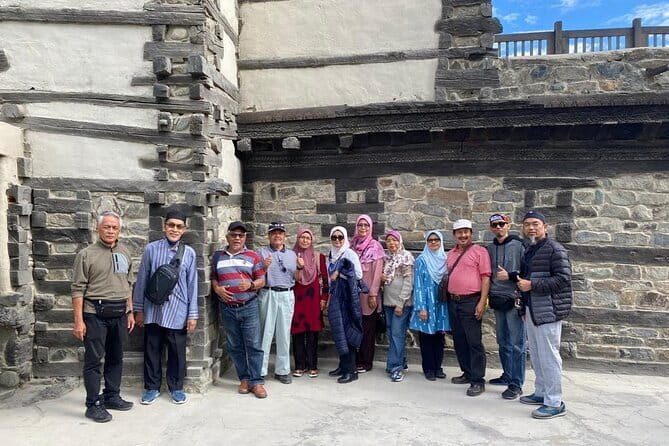
After the Nanga Parbat portion, the route shifts into Hunza Valley, with stops that feel more like a cultural and scenic holiday rhythm.
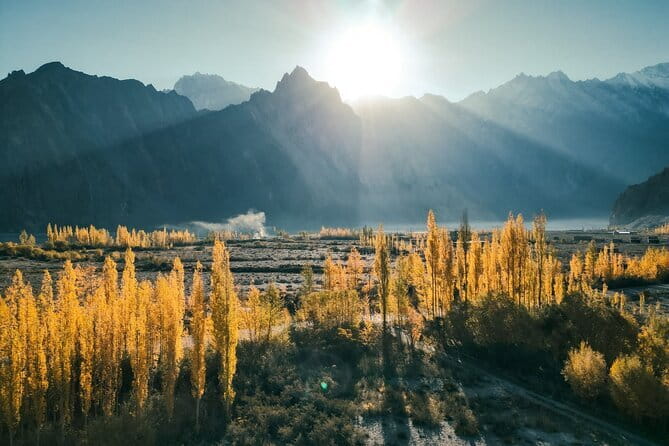
On the Hunza side, you’ll visit Altit Fort and Baltit Fort. Forts here aren’t just old stone for a quick photo. They help explain why the valley mattered historically—trade routes, local power, and the way communities defended themselves in mountainous terrain. Even if you don’t go deep on history facts, the physical setting makes the story easier to grasp.
Then there’s Attabad Lake. This is a landscape stop, yes, but it also works as a reset after trek days. It’s a place to sit, look, and realize your body can handle slow time again.
Two things I’d pay attention to on this segment:
- You may feel the contrast. The base camp days can leave you more tired than you expected, so build in rest when offered.
- You’ll likely move from dramatic trekking effort to sightseeing and short walks. That’s not “easy” in the sense of doing nothing, but it’s easier to enjoy.
If you only want hardcore trekking every single day, the Hunza portion might feel too relaxed. If you want variety, this is the balance that keeps the trip from burning you out.
Gojal Valley and Khunjerab National Park: high passes and big skies
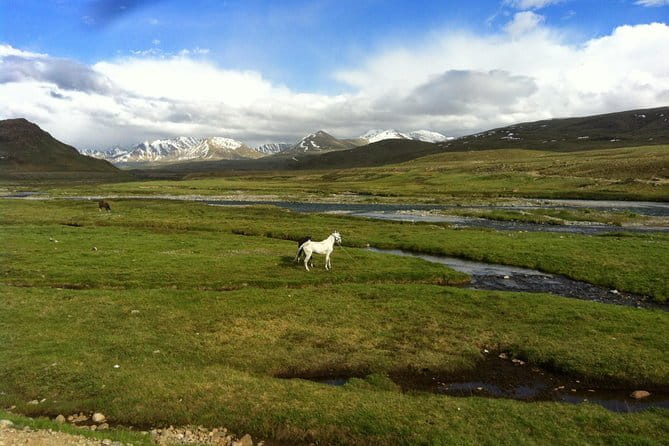
Later in the trip, you head into Gojal Valley and then toward Khunjerab National Park. The route includes Sost, Khunjerab Pass, and Khunjerab National Park.
This is the part that many people remember because it feels different from the fort-and-lake vibe. It’s more about the high-altitude sense of remoteness and the way the region looks at the edge of what feels reachable by road. The inclusion of Khunjerab Pass is a clear signal that you’ll get those road-to-the-mountains viewpoints, which are hard to recreate elsewhere.
A practical note: high passes can mean cooler temperatures and quick weather changes. The tour description specifically flags that this experience requires good weather, so if conditions are rough, expect possible schedule adjustments. You won’t be left guessing—your guide and staff are part of the support structure.
Also, don’t underestimate how mentally “big and far” these areas can feel. Even short stops can be tiring if you’re sensitive to altitude or cold. Pack layers and plan for short bursts of sightseeing rather than nonstop movement.
The value question: $2,516 and what’s really included
Let’s talk money in a useful way. The listed price is $2,516.00 per person for an approximately 11-day private trek through Nanga Parbat and Hunza Gojal Valley. That’s not cheap, but it can be fair depending on what you’d otherwise pay on your own.
What you should know from the trip info:
- Private tour/activity: only your group participates
- Pickup offered
- Mobile ticket
- Staff and guide support and an emphasis on safety
What is not included:
- Accommodation is not included
- Meals are not included
That last point is the big value lever. Many people compare the headline price and forget that lodging and food can add a lot—especially on a route that involves trekking and remote road segments. If you book this, do your homework on your daily lodging and meal plan. Think of the $2,516 as covering the guided trek logistics and transportation structure, not your full “sleep and eat” bill.
Based on the overall feedback described for the organizer—Azan Travel and Tourism—the service element appears to be a strong selling point. People specifically praise the guide’s helpful, trustworthy attitude and say the travel plan is well coordinated, including the traveling vehicle and arrangements like hotels. That’s exactly the kind of value you can’t easily replicate if you DIY it, especially in areas where coordination matters.
How the loop makes sense (and where it could feel tiring)
One reason this route works is that it doesn’t just “jump” between points. It creates a loop: Islamabad, then Kaghan Valley and Chilas, then the Nanga Parbat base camp experience, then Hunza and Gojal, then Khunjerab region, and finally back toward Chilas before returning to Islamabad.
That structure helps in two ways:
- You build momentum. After each segment, you have a reason to be excited about what’s next.
- You get a mix of experiences: trekking, forts, lakes, pass viewpoints, and park time.
The trade-off is fatigue. You’re doing a full north-Pakistan circuit. Even in a private tour, long driving days plus trekking effort means you’ll want to treat rest as part of the schedule, not something you steal at night.
If you’re the type who likes “one big thing per day,” you might feel crowded by the variety. If you love variety and want your trip to feel like it covers a lot of ground, this loop fits well.
Who this trek is best for
This is a good match if you:
- Want Nanga Parbat Base Camp as the core goal, not a side visit
- Also want Hunza Gojal Valley scenery and cultural stops like forts
- Like the security of a private group with a guide and staff
- Can handle the idea that good weather is needed for the plan to work smoothly
It may be less ideal if you:
- Need meals and lodging bundled into the price (they’re not included)
- Want minimal driving and prefer a shorter, single-region trek
Should you book 11 Days Nanga Parbat Base Camp and Hunza Gojal?
I’d book this if your top priority is a supported trip that combines a base camp trek with the Hunza region’s forts and pass country. The private setup, plus the fact that the company organizing the trip—Azan Travel and Tourism—gets consistently praised for service and helpful guiding, is a meaningful signal. You’re paying for coordination and for not having to figure out the moving parts alone.
I wouldn’t book it if you’re trying to keep costs totally predictable without thinking about added lodging and meal expenses. Also, if weather dependence makes you nervous, plan for flexibility.
If you want a single decision rule: book it when you’re ready to treat trekking and high-country driving as part of the adventure—and when you’ll budget properly for accommodation and meals.
FAQ
Where does the tour start and end?
It starts in Islamabad, with the meeting point listed as Islamabad Intl Airport, and it ends back at the same meeting point in Islamabad.
What time does the tour start?
The start time is listed as 8:00 am.
Is this a private tour?
Yes. It’s described as a private tour/activity, with only your group participating.
Is accommodation included in the price?
No. Accommodation is not included.
Are meals included?
No. Meals are also not included.
What are some of the main places you visit?
Key stops include Kaghan Valley (including Lulusar Lake and Babusar Top), Nanga Parbat Base Camp, Hunza Valley, Altit and Baltit Forts, Attabad Lake, Gojal Valley, and the Khunjerab Pass / Khunjerab National Park area via Sost.
Do you get time at Fairy Meadows?
Yes. The tour includes time at Fairy Meadows, with an option to take it easy and spend more time there.
What about weather—does it matter?
Yes. This experience requires good weather, and if it’s canceled due to poor weather, you’ll be offered a different date or a full refund.
What is the cancellation policy?
You can cancel for a full refund if you cancel up to 24 hours in advance of the experience’s start time. If you cancel less than 24 hours before, it won’t be refunded.