REVIEW · POKHARA
Mardi Himal Newly Discovered Trekking from Pokhara Nepal
Book on Viator →Operated by Fewa Trail Treks and Expedition Pvt Ltd · Bookable on Viator
Mardi Himal feels like a secret route. This trek is a smart alternative to Annapurna base camp crowding, with a freshly popular path that keeps getting wilder as you climb, and it tops out at 4,500m at Mardi Himal Base Camp (plus the Mardi Peak altitude is 5,587m). I especially like how the itinerary builds in acclimatization with High Camp, and how the logistics are handled so you’re not wasting energy on transfers right at the start. One thing to consider: you’ll be on steep uphill days and, depending on the season, there may be snow patches on the higher rocky sections—moderate fitness helps a lot.
You start with a drive from Pokhara to Kande, then walk up through Deurali, forests, and increasingly sparse trails until the views open big. You’ll sleep in teahouses or lodges along the way, and you’ll finish back down at Siding Village, then ride to Lumle and return to Pokhara Lakeside. Meals and drinks aren’t included, so you should plan on buying your food and snacks each day.
This is a private tour for your group, led by an English-speaking professional trekking guide. Names like Milan Rai and Bikram come up from past trekkers for being caring and attentive on the trail, and the company’s manager Sunil Dahal is described as organized—helpful if you like clear info and calm guidance.
In This Review
- Key things to know before you go
- Why Mardi Himal is a smarter trek than Annapurna crowds
- Pokhara pickup, Kande start, and the first climb into Deurali
- Day 2: Forest Camp and the Pothana village pause
- Day 3: Low Camp, thinning vegetation, and Machhapuchhre views
- Day 4: High Camp acclimatization at 3,580m
- Day 5: The 4,500m Mardi Himal Base Camp day hike
- Day 6: High Camp down to Siding Village and local life
- Day 7: Siding Village to Lumle, then back to Pokhara Lakeside
- Price and logistics: what $370 really buys you
- Pace, altitude, and what you should prepare for
- Who this trek is best for (and who should rethink it)
- Should you book this Mardi Himal trek?
- FAQ
- What is the duration of the Mardi Himal trek?
- Where does the trek start and end?
- What is included in the price?
- Are meals included?
- How high do you trek?
- Is this a private tour?
- What should I know about fitness level?
- How does cancellation work?
Key things to know before you go
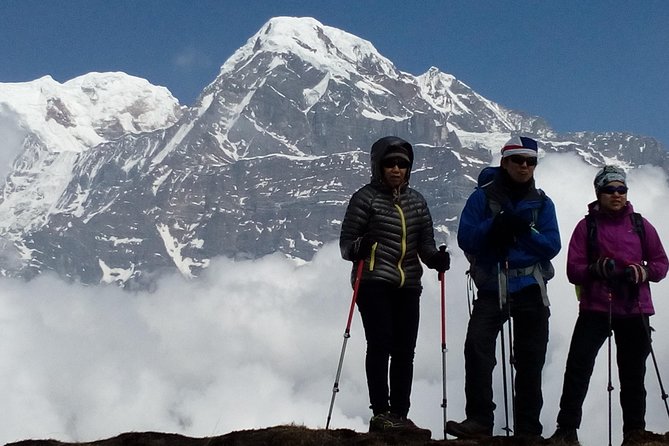
- An off-the-beaten-path feel: Mardi Himal is known for fewer crowds than the classical Annapurna route.
- Altitude step-up, not a straight sprint: Low Camp and High Camp are built into the plan so you can adjust.
- Teahouse nights at strategic points: You’re not just camping in the cold; you’ll have basic lodge options each overnight stop.
- Pokhara pickup and straightforward transfers: You’ll be collected from your hotel in Pokhara Lakeside and returned there.
- Guide support that matters: English-speaking guidance is included, and past trekkers mention guides like Milan Rai and Bikram for safety and comfort.
- Food is on you: meals and drinks are available for purchase, so budget for daily teahouse meals and snacks.
Why Mardi Himal is a smarter trek than Annapurna crowds
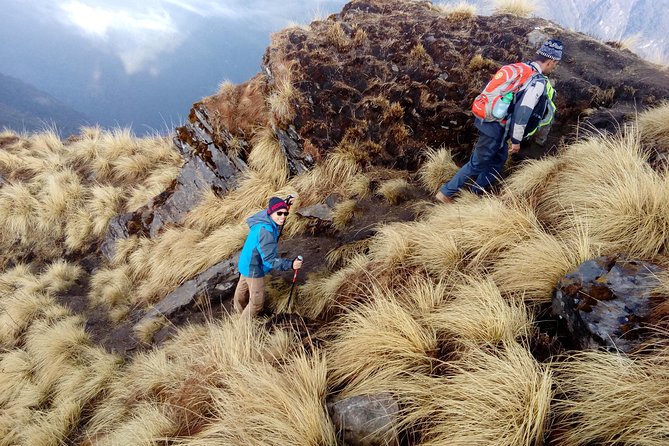
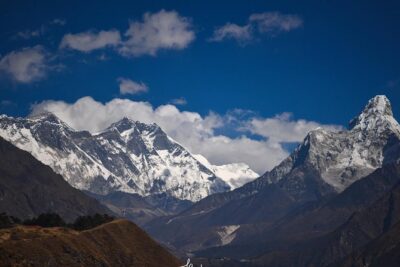
If you’re choosing between the busy classics and something with breathing room, Mardi Himal is a strong pick. You still get serious Himalayan scenery—Machhapuchhre (Fishtail) and Annapurna South are part of the payoff—but the route tends to feel quieter because it pushes you farther from the most-followed tracks.
The other reason I like it: the trek shape is logical. You’re not just climbing to a single viewpoint and turning around. You’re working up through forests, then through thinning vegetation, then into a colder, rockier zone that’s more exposed and view-heavy.
The altitude plan also makes the trek more reasonable. Your highest “sleeping” point is High Camp at 3,580m, then you do a high day hike to Mardi Himal Base Camp at 4,500m and return to High Camp for the night. That rhythm is exactly what you want when you’re dealing with altitude.
You can also read our reviews of more tours and experiences in Pokhara.
Pokhara pickup, Kande start, and the first climb into Deurali
Your trip begins with hotel pickup from the Lakeside area of Pokhara, followed by a drive to Kande (about an hour). From Kande at 1,770m, you begin hiking uphill toward Deurali at 2,100m, with an overall Day 1 trek time of around 7 hours.
This first day matters more than it sounds. You’re not sprinting high; you’re getting your legs moving and your body warmed up before the more intense altitude steps. The payoff is the early mountain show—panoramic views of the Annapurna and Dhaulagiri ranges—so even on day one you’ll feel like you’re earning the trek.
You’ll sleep at Deurali in a teahouse or lodge, and this is a good night to check your gear, confirm your start time, and make sure you have cash or a payment option for meals since they’re not included.
Day 2: Forest Camp and the Pothana village pause
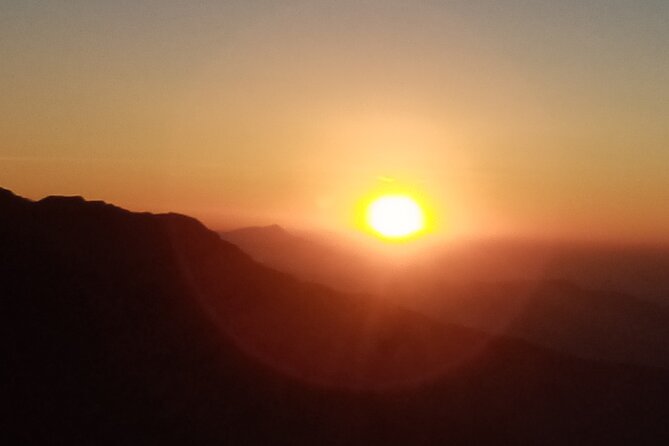
Day 2 takes you from Deurali to Forest Camp at 2,520m. Expect a gradual ascent through rhododendron and oak forests, plus a visit through the village of Pothana. The trekking time here is about 5 hours.
This is the day I call the mood-setter. Forest trails are easier on your pacing because the grade feels steady, and the air often feels cooler and more forgiving than the exposed higher routes. You’ll also start seeing glimpses of mountains between tree cover, so it doesn’t turn into a boring hike-without-views kind of day.
When you reach Forest Camp, you rest in another teahouse or lodge. It’s a simple rhythm day, which helps if you’re trying to avoid going too hard too soon.
Day 3: Low Camp, thinning vegetation, and Machhapuchhre views
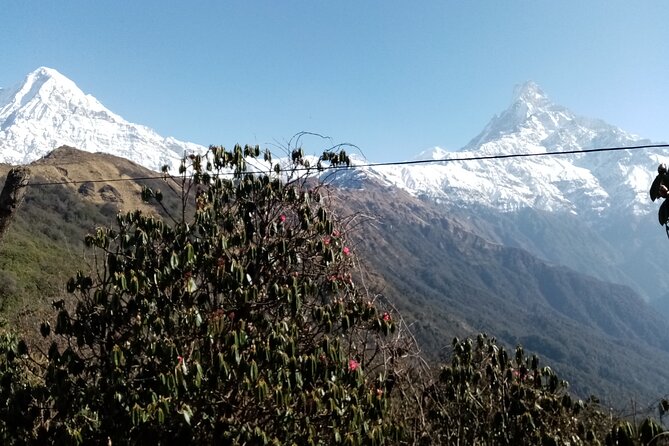
On Day 3 you go from Forest Camp to Low Camp at 2,970m, again around 5 hours of trekking. The vegetation becomes sparser as you rise, and the mountain views become more open.
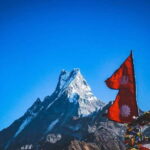
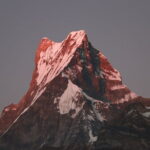
This is your first big “the Himalaya is right there” day. Low Camp is where you can soak in panoramic vistas including Machhapuchhre (Fishtail) and Annapurna South. If you love photo stops, you’ll have plenty of chances here, but also remember to keep breathing and moving—altitude punishes long stand-still moments.
That night at Low Camp is another teahouse stay. I like this stop because it bridges the transition from forest walking to the more exposed, higher-feeling terrain.
Day 4: High Camp acclimatization at 3,580m
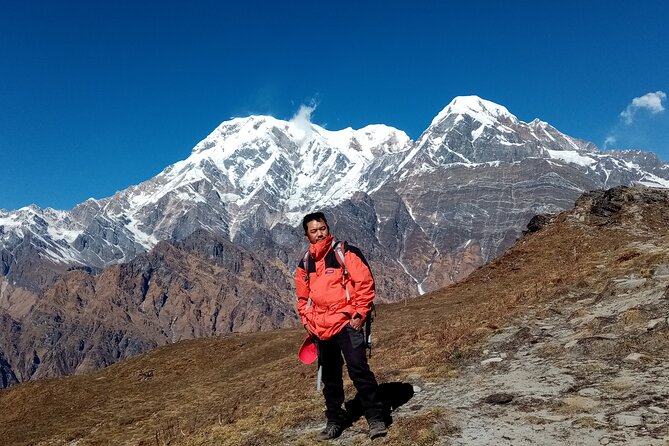
Day 4 climbs from Low Camp to High Camp at 3,580m, about 5 hours. It’s a steady climb, and the goal is less about speed and more about getting used to the altitude while your body still has energy.
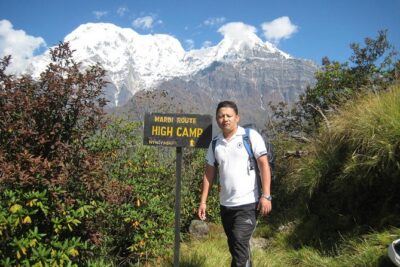
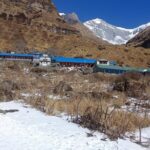
High Camp is the place where the views sharpen, including clearer glimpses of Mardi Himal itself and nearby peaks. You’ll rest and acclimatize there overnight, which is smart because Day 5 asks you to go higher.
For you, this is where good trekking habits pay off. I’d take it slow on the first half of the day and keep steps short as you approach High Camp. When you arrive, hydrate and take a real rest rather than trying to “tough it out” with snacks only.

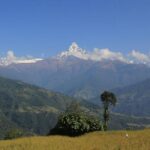
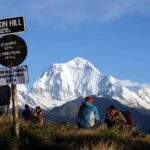
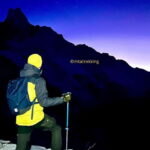
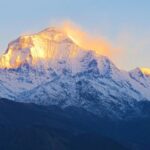
Day 5: The 4,500m Mardi Himal Base Camp day hike
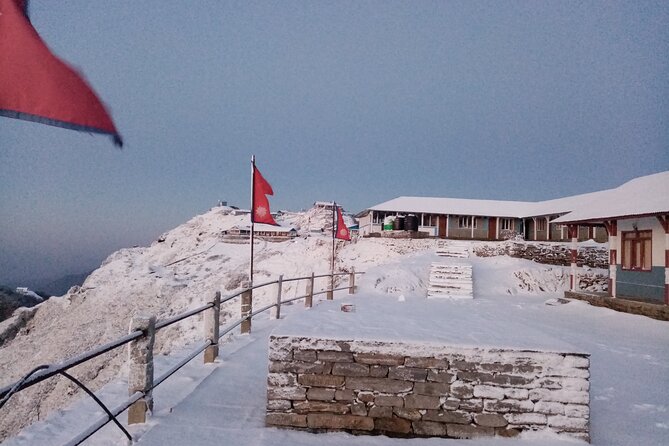
Day 5 is the money day. You’ll start early from High Camp and hike to Mardi Himal Base Camp at 4,500m, then return to High Camp for the night. Total time is about 7 hours, and the route can include rocky sections and snow patches depending on the season.
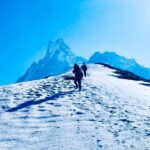
This is where the trek earns its name. At Base Camp you get close-up views of Mardi Himal, plus Machhapuchhre and the Annapurna range. Even if you don’t love hardcore terrain, this is the kind of payoff that turns “I’m tired” into “okay, I get it.”
A practical note: at this altitude, your body may feel slower even if you’re physically capable. That’s normal. Focus on steady breathing, warm layers, and small, consistent steps. If your guide is someone like Bikram or Milan Rai (names that have come up in the past), you’ll likely get the kind of calm trail pacing that prevents you from burning matches too early.
Day 6: High Camp down to Siding Village and local life
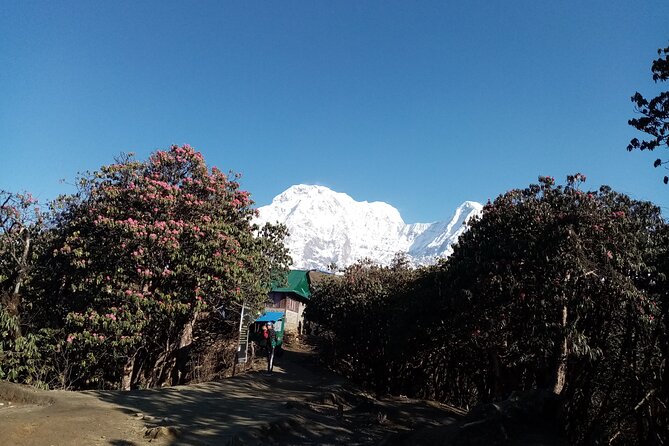
Day 6 drops from High Camp down to Siding Village at 1,750m, with about 7 hours of trekking. You’ll retrace part of the trail back through the forested path toward a more human-scale environment, and you’ll get time to experience local village life.
This is one of the underrated parts of the plan. After days of rock, cold air, and big altitude, going down feels like relief. You’ll likely notice the temperature change quickly, and the forest route can feel easier on your legs than the ascent.
You’ll spend the night in a teahouse or lodge at Siding Village. Think of it as your “reset” night before the final ride back toward Pokhara.
Day 7: Siding Village to Lumle, then back to Pokhara Lakeside
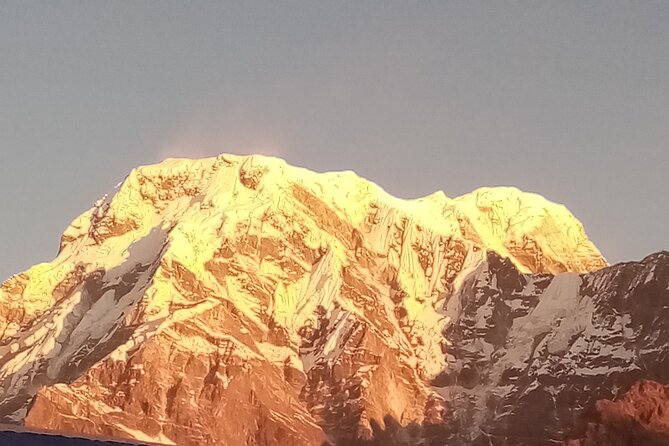
On Day 7 you trek from Siding Village to Lumle, where a vehicle is waiting. Then you drive back to Pokhara. The day’s trekking is listed as about 5 hours, then you’ll reach Pokhara Lakeside and get dropped back at your hotel (around 1 hour after arrival).
This is a gentle ending that doesn’t leave you stuck doing a long last walk or haggling with transport. I like that the plan includes the sharing Jeep transfer from Siding to Pokhara, because it reduces decision fatigue on your last day.
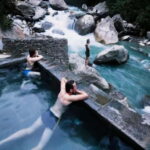
Once you’re back in Pokhara, you can finally treat yourself like a normal person: late lunch, hot shower (if your hotel offers one), and a slow evening without a countdown to the next altitude step.
Price and logistics: what $370 really buys you
At $370 per person for roughly 7 days, this trek is priced for real value if you want the “organized and guided” version. What you get includes accommodation as per itinerary, national park fees, an English-speaking professional trekking guide, and hotel pickup and drop-off.
You also get the key transport pieces: Pokhara to Kande by private car, plus Siding to Pokhara by sharing Jeep. For many people, that’s the biggest hidden cost of trekking on your own—time, transport planning, and getting the right people in the right place at the right moment.
Meals and drinks are not included, though, so make sure your budget accounts for daily teahouse food. Think of that as part of the experience, but it’s still a cost. Also, it’s a private tour, so group discounts may apply depending on how many people are in your party.
If you hate uncertainty, the “mobile ticket” and clear inclusion list are a plus. If you like having meals planned for you in advance, you might find the not-included part annoying—but you can usually eat well at teahouses along the way.
Pace, altitude, and what you should prepare for
Your highest trek point is 4,500m at Mardi Himal Base Camp, and the Mardi Peak altitude is listed as 5,587m. Even though you don’t need to climb Mardi Peak itself on this route, the air at 4,500m is serious enough to make pacing matter.
The itinerary’s pattern helps: you sleep at increasing altitudes (Deurali → Forest Camp → Low Camp → High Camp) and you include a high day hike with return to High Camp. That’s a practical acclimatization approach, not a reckless grind.
Still, you should come in with moderate physical fitness. The days are listed with trekking times between about 5 and 7 hours, and the higher section includes rocky terrain and possible snow patches. Pack for cool mornings and potentially cold, windy conditions at elevation. And bring snacks you like, because meals are for purchase and your body will thank you when you can grab something quickly between breaks.
Who this trek is best for (and who should rethink it)
This is a great fit if you want:
- Big mountain views without the typical crowd feel of classical routes
- A guided trek that handles pickup/drop-off and key transfers
- Teahouse-style comfort rather than full independence
It’s also a good match if you like a plan that builds altitude step-by-step with High Camp acclimatization.
I’d think twice if:
- You know altitude affects you strongly, even at lower elevations
- You want meals fully included and prepaid
- Your fitness level is low and you’re hoping this will be casual
Should you book this Mardi Himal trek?
I’d book it if your main goal is a challenging-but-manageable Himalayan trek with fewer crowds than Annapurna base camp and you value a professional English-speaking guide plus smooth Pokhara logistics. The route makes sense day by day, and the Base Camp day at 4,500m is the kind of return-on-effort that makes the whole week feel worth it.
Don’t book it if you’re expecting a fully self-contained package where meals are all sorted. And be honest with yourself about altitude comfort and your ability to walk 5–7 hours on changing terrain.
If you do book, ask your guide about pace, how to handle snow patches if they’re present, and what to expect on the last descent day. That’s where good guidance turns a hard trek into a confident one.
FAQ
What is the duration of the Mardi Himal trek?
The trek is listed as 7 days (approx.).
Where does the trek start and end?
It starts after pickup from your hotel in Pokhara Lakeside and ends with drop-off back at your hotel in Pokhara Lakeside.
What is included in the price?
Accommodation as per itinerary, national park fees, an English speaking professional trekking guide, hotel pickup and drop-off, a private tour, plus Pokhara to Kande private car and Siding to Pokhara sharing Jeep transfer are included.
Are meals included?
No. All meals and drinks are available at purchase along the route.
How high do you trek?
You trek up to Mardi Himal Base Camp at about 4,500 meters. Mardi Peak altitude is listed as 5,587m.
Is this a private tour?
Yes. It’s described as a private tour/activity, and only your group participates.
What should I know about fitness level?
The trek is described as suitable for travelers with a moderate physical fitness level.
How does cancellation work?
You can cancel up to 6 days in advance for a full refund. If you cancel 2–6 full days before the experience start time, you get a 50% refund. Less than 2 full days before the start time is not refundable.