REVIEW · KATHMANDU
Circle the Annapurna: A Life-Changing Trek Adventure
Book on Viator →Operated by Alpine Luxury Treks Pvt Ltd · Bookable on Viator
Annapurna Circuit is pure altitude drama. This 21-day trek circles the Annapurna range while you pass through Gurung and Thakali areas, so you get big mountain scenery and human-scale village life. I love the rest day in Manang, and I love how the team pairs a careful guide like Govinda with a steady porter such as Purna. The drawback is real: you need strong fitness, and Thorong La tops out at 5,416m.
You also get practical structure from the start. With pickup offered and a 6:15am start from Bagawan Bahal Marg in Kathmandu, your day one doesn’t drift. And the max group size of 10 helps keep the trail and tea-house stops from feeling like a moving crowd.
In This Review
- Key Highlights That Matter
- Why The Annapurna Circuit Feels Like a Complete Nepal Story
- Price and Logistics: What $2,100 Buys You (and What It Doesn’t)
- Kathmandu Days: Arrival, Hotel, and the “Get Your Body Ready” Phase
- The Long Drive to Ngadi: When the Trek Really Begins (Days 3–6)
- Chame to Manang: Lower Pisang, High Village Time, and the Big Rest Day (Days 7–10)
- Thorong La Staging and the 5,416m Crossing (Days 11–12)
- Kagbeni to Tatopani: The Circuit Turns Downward (Days 13–16)
- Ghorepani and Poon Hill, Then Ghandruk: Finishing With View Hikes (Days 17–18)
- Final Trek to Nayapul and the Return to Kathmandu (Days 19–21)
- Who Should Book This Trek (and Who Should Pause)
- Packing and Altitude Smarts That Will Save You Energy
- Should You Book Circle the Annapurna?
- FAQ
- What city does the trek start in, and where is the meeting point?
- What time does the tour start?
- How long is the trek?
- Is pickup offered?
- What is the highest point on the route?
- Are meals included?
- Are overnight accommodations included?
- What does the $2,100 price include?
- What’s not included in the cost?
- How physically fit do I need to be?
- What happens if it’s canceled due to poor weather?
Key Highlights That Matter
- Small-group pace (max 10): easier rhythm on steep stretches and in crowded tea houses
- Manang rest day: built-in acclimatization before the highest crossing
- Thorong La planning: you stage at Thorong Phedi, then go over the pass and drop to Muktinath
- A full loop with altitude swings: climbs, then real downhill recovery toward Tatopani
- Poon Hill add-on: a short side hike before finishing through Ghandruk and Nayapul
- Named guides and porters show up repeatedly: Govinda, Badri, Dhruba, and porters like Purna and Keshab are specifically praised
Why The Annapurna Circuit Feels Like a Complete Nepal Story
The Annapurna Circuit is popular for a reason: you’re walking a ring of the Annapurna region, not just chasing one summit view. Each day’s route changes your altitude and your surroundings, so the trek feels like one long “okay, keep going” story rather than a series of random hikes.
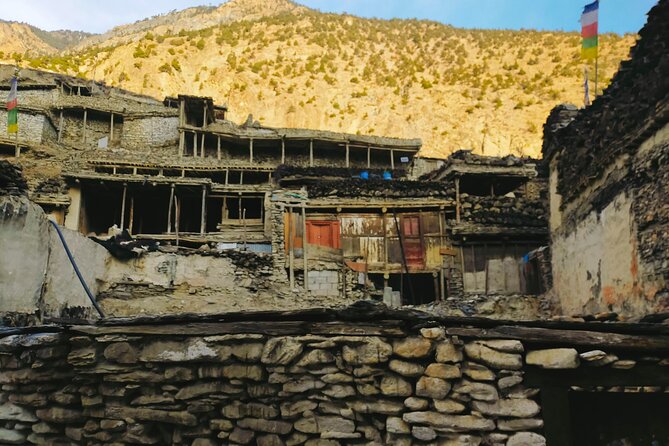
I also like that this trip doesn’t frame Nepal as only mountains. The route is designed to give you contact with local hospitality, including Gurung and Thakali communities. That matters because it changes how you experience the trail: you’re not just sleeping and eating on autopilot.
Yes, the weather can make or break comfort at altitude. But the itinerary is laid out to manage that reality with staging points and a rest day, especially around Manang and the Thorong La crossing.
You can also read our reviews of more tours and experiences in Kathmandu.
Price and Logistics: What $2,100 Buys You (and What It Doesn’t)
At $2,100 per person for roughly 21 days, the value comes from what’s already bundled. You’re paying for route support, accommodations, and trek meals—not just a guide’s day rate.
Here’s what you can treat as covered:
- 3 meals during the trek
- Overnight accommodations on trek nights
- Kathmandu accommodations (bed-and-breakfast)
- Office staff wages and travel/rescue fees of office staff
- Pickup offered
What you need to budget separately:
- Lunch and dinner in Kathmandu
- International airfare
- Airport departure tax
- Your personal gear and any extra services
- Travel and rescue insurance, plus trip cancellation coverage
- Nepal visa fees
- Beverages
In plain terms: the trip price is mostly buying structure. You’re paying so you don’t have to negotiate every logistics step while you’re focused on trekking and altitude.
Also, the group cap of 10 is part of the cost logic. You’re not in a huge pack, so guides and porters can actually do their jobs instead of just herd everyone through check-in chaos.
Kathmandu Days: Arrival, Hotel, and the “Get Your Body Ready” Phase
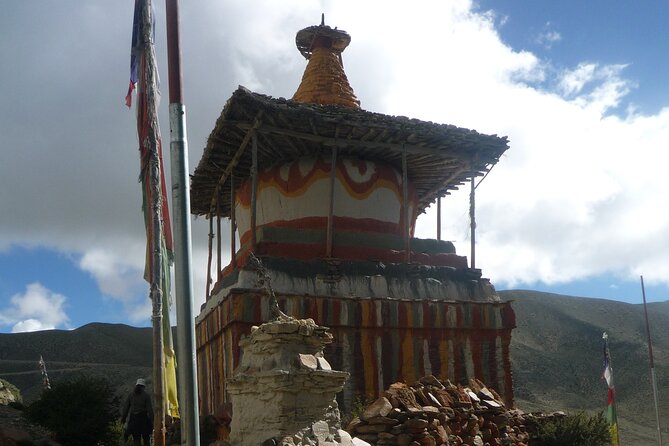
Day 1 is arrival in Kathmandu, then a transfer to your hotel at about 1,334m. This is a good setup because you have time to settle before trekking starts, and Nepal doesn’t start with a strenuous walk out of the gate.
Day 2 includes Kathmandu Valley sightseeing and preparation, with breakfast and dinner listed (B/D). This is where you get practical prep for what comes next: equipment checks, route briefing, and the mental shift from city life to mountain life.
One note: the package doesn’t include lunch and dinner in Kathmandu. So plan on spending some cash on your own meals in the city. I’d also treat Kathmandu time as a chance to walk gently, drink water, and avoid the temptation to overdo it the day before your first long travel day.
The Long Drive to Ngadi: When the Trek Really Begins (Days 3–6)
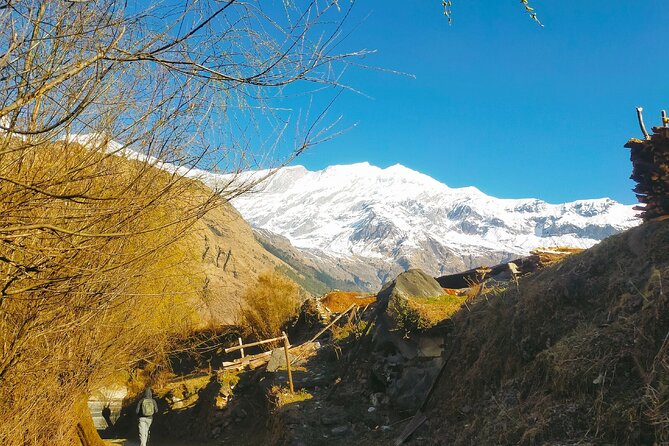
Day 3 is a major transition: you drive to Ngadi (around 890m) for about 8–9 hours over roughly 200 km. That’s not a sightseeing drive. Plan on feeling stiff after you arrive, then treat your first trek day as a warm-up, not a performance.
Day 4: trek to Jagat at 1,300m (about 4–5 hours). This is a helpful “first contact” day where your legs and breath find the new rhythm.
Day 5: Jagat to Dharapani at 1,860m (about 5–6 hours). You’re gaining altitude, and the walking time is long enough that you should pace early. If you start fast, you’ll pay later.
Day 6: Dharapani to Chame at 2,670m (about 5–6 hours). This day is where the Annapurna Circuit starts to feel serious: the climb is consistent, and your body learns that each rest stop is earned.
The practical value of days 4–6 is acclimatization through movement. You don’t go from Kathmandu to extreme altitude in one jump. You build a base while still making progress.
Chame to Manang: Lower Pisang, High Village Time, and the Big Rest Day (Days 7–10)
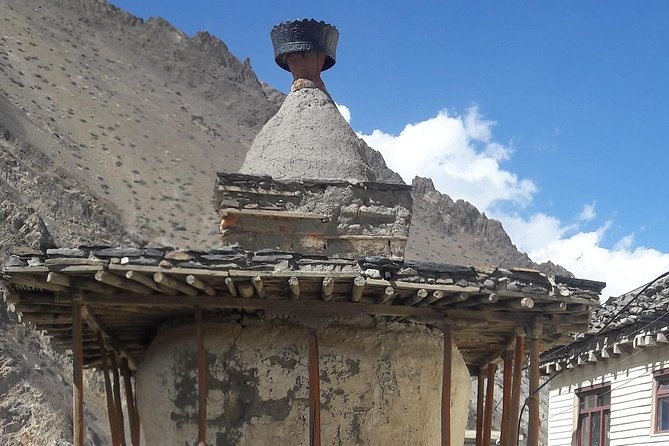
Day 7: Chame to Lower Pisang at 3,200m (about 4–5 hours). You’re higher now, so even “steady” walking can feel heavier.
Day 8: Lower Pisang to Manang at 3,500m (about 5–6 hours). Manang becomes your adjustment point. This is where the trek starts acting like a mountain expedition instead of a long hike.
Day 9: rest day in Manang at 3,500m. This is the day that I personally consider one of the smartest parts of the plan. Rest doesn’t mean “do nothing forever.” It means your body gets time to catch up to altitude instead of forcing the schedule.
Day 10: Manang to Yak Kharka at 4,050m (about 4–5 hours). This day moves you upward again, but now you’ve had that key pause.
If you’re prone to altitude issues, you’ll be grateful this itinerary doesn’t demand Thorong La prep on the same day you arrive in high country. You’re buying time, and time is oxygen-adjacent on these routes.
Thorong La Staging and the 5,416m Crossing (Days 11–12)
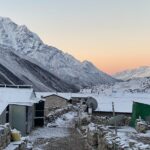
Day 11: trek to Thorong Phedi at 4,525m (about 4–5 hours). This is staging ground. The goal here is to arrive ready, not exhausted.
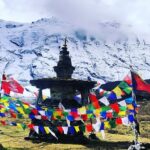
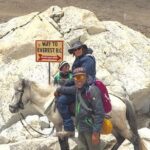
Day 12: cross Thorong La (5,416m) and then trek to Muktinath at 3,800m (about 7–8 hours, roughly 9 km). This is the pivot day of the circuit. You gain high altitude, then you lose a chunk of elevation after the pass, which can feel like relief—if your legs still work.
Here’s the honest consideration: this day depends on conditions. The package notes that this experience requires good weather, and poor weather can trigger a date change or refund. So you shouldn’t treat Thorong La as guaranteed “just do it” terrain.
Practical tip: plan to move conservatively on the pass approach. Slow and steady isn’t just a hiking cliché; it’s how you protect breathing at altitude. If you feel like you’re sprinting your heart, you’re almost certainly going too fast for your current oxygen level.
Kagbeni to Tatopani: The Circuit Turns Downward (Days 13–16)
Day 13: trek to Kagbeni at 2,810m (about 4–5 hours). After Thorong La, the route continues with meaningful altitude management.
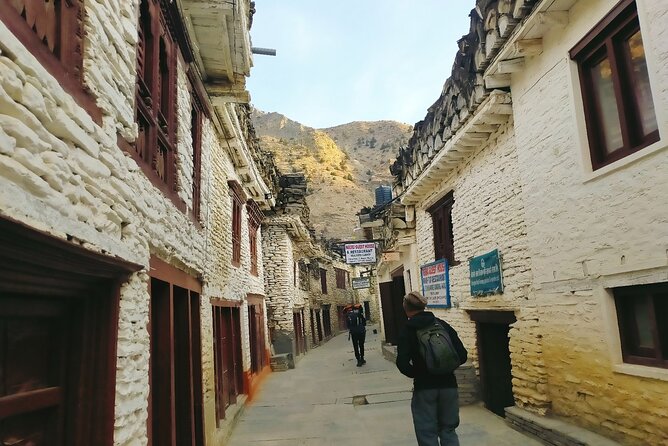
Day 14: Kagbeni to Marpha at 2,670m (about 5–6 hours). This day keeps you moving through settlements and reduces the intensity compared to the highest stretch, but it still requires steady energy.
Day 15: Marpha to Ghasa at 2,010m (about 5–6 hours). Now the circuit is clearly transitioning toward easier walking and quicker recovery, because you’re dropping elevation.
Day 16: trek to Tatopani at 1,190m (about 5–6 hours, around 7 km). The altitude change here is huge on paper, and it can feel huge in your body too. This is the kind of day where you’ll likely feel more comfortable even if the walking time remains long.
What I like about this section is that it’s not pretending altitude is linear. You climb, you peak, then you regain your legs. Tatopani at 1,190m is an obvious signal that the hard altitude chapter is past.
Ghorepani and Poon Hill, Then Ghandruk: Finishing With View Hikes (Days 17–18)
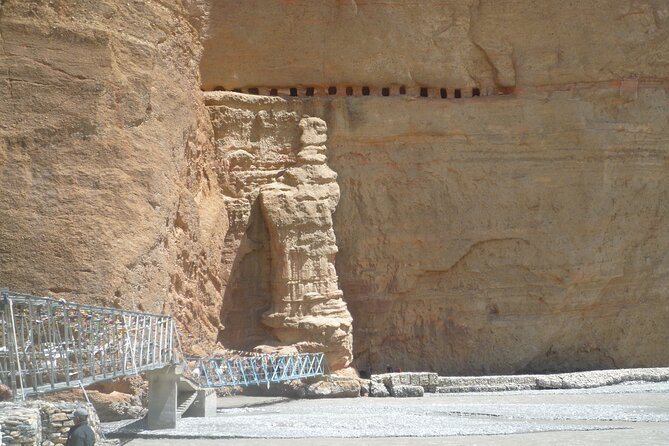
Day 17: Tatopani to Ghorepani at 2,860m (about 5–6 hours). This day is a reminder that the trek still asks for climbs even as the circuit winds down.
Day 18: hike Poon Hill (3,210m) for about 1 hour (around 2.5 km), then trek to Ghandruk (2,600m) for 6–7 hours (around 15 km). So you get a short viewpoint-style push, then a longer finish on one of the most substantial walking days of the post-pass section.
I like the rhythm here: you start with something short and focused, then you get the payoff of a longer final trek through Ghandruk at lower altitude. It’s a good balance between “one last effort” and “don’t burn out before the finish.”
Final Trek to Nayapul and the Return to Kathmandu (Days 19–21)
Day 19: trek back to Nayapul at 950m (about 4–5 hours, roughly 7 km), then drive back to Pokhara at 820m for about 1.5 hours. This is your true landing day. Once you see that 950m number and realize you’re walking out of the high-altitude loop, the mental shift hits fast.
Day 20: drive or fly back to Kathmandu. It’s listed as 6–7 hours by road or about 30 minutes by flight. Either way, you’re trading legs for comfort. After days of hiking, this matters more than people think.
Day 21: fly back home. Ending in Kathmandu keeps things simple because you’re close to where you started, and you don’t have to chain more transport just to get your flight day to work.
Who Should Book This Trek (and Who Should Pause)
This trek is aimed at people with strong physical fitness. The experience explicitly calls for a strong fitness level, and the itinerary includes long walking days plus a major pass at 5,416m.
This is a great match if you:
- want a structured trek with daily guidance and support
- like the idea of a full loop rather than an out-and-back hike
- appreciate a real rest day in Manang instead of pushing every day
This might be a hard fit if you:
- don’t feel confident managing altitude and long trekking days
- need a fully easy itinerary with no staged big day like Thorong La
The max group size of 10 is also a factor. If you prefer quiet, more personal attention, small-group trekking helps. If you hate waiting for others and you want total solo pacing, you might find group schedules more restrictive.
Packing and Altitude Smarts That Will Save You Energy
The trip includes trek meals and accommodations, but you still control your comfort. Since Thorong La is the high point at 5,416m, you’ll want to be prepared for cold and wind, especially on pass day.
A few smart habits:
- Wear layers that you can adjust quickly. Temperature swings happen fast at altitude.
- Keep a steady pace on climbing days. Save your energy for maintaining breathing.
- Stay hydrated. Long days plus altitude can quietly drain you.
- Follow your guide’s pacing rules on the pass approach. When the air is thin, pride is expensive.
If you have any altitude sensitivities, consider discussing them with a travel clinic before you go. This itinerary includes a rest day and planned staging, but your body still has the final vote.
Should You Book Circle the Annapurna?
I’d book this trek if you want one of the classic Annapurna Circuit experiences with real support, included trek meals, and a plan that respects acclimatization. The Manang rest day and the Thorong La staging at Thorong Phedi are thoughtful elements that can make the difference between a tough day and a dangerous one.
Two reasons to pause before booking:
- This is not a casual hike. You need strong physical fitness for 21 days with long walking days and a major pass.
- The experience requires good weather, and it’s non-refundable and cannot be changed for any reason. If you’re booking far ahead, make sure your dates are firm enough to handle weather uncertainty.
If you’re ready for altitude, want local culture as part of the journey, and like a small-group trekking feel, Circle the Annapurna is a strong pick.
FAQ
What city does the trek start in, and where is the meeting point?
The experience is based in Kathmandu, Nepal. The meeting point is Bagawan Bahal Marg 29, Kathmandu 44600, Nepal, and the tour ends back at the meeting point.
What time does the tour start?
The start time is listed as 6:15 am.
How long is the trek?
The duration is listed as 21 days approximately.
Is pickup offered?
Yes. Pickup is offered.
What is the highest point on the route?
The itinerary includes crossing Thorong La at 5,416m.
Are meals included?
Yes for the trek: the package includes 3 meals during trek. In Kathmandu, lunch and dinner are not included.
Are overnight accommodations included?
Yes. The package includes all overnight accommodations while on the trek, plus accommodations in Kathmandu (bed-and-breakfast).
What does the $2,100 price include?
It includes trek meals (3 meals during trek), overnight accommodations on trek nights, Kathmandu accommodations (B/B), and office staff wages plus travel and rescue fees for office staff, along with all meals and accommodation of office staff.
What’s not included in the cost?
Not included are lunch and dinner in Kathmandu, international airfare, airport departure tax, personal equipment and extra services, travel and rescue insurance, trip cancellation coverage, Nepal visa fees, and beverages.
How physically fit do I need to be?
You should have a strong physical fitness level. The itinerary also includes long trekking days and a high pass, so preparation matters.
What happens if it’s canceled due to poor weather?
This experience requires good weather. If it’s canceled due to poor weather, you’ll be offered a different date or a full refund. The experience itself is non-refundable and cannot be changed for any reason if you cancel or request an amendment.