REVIEW · POKHARA
Pokhara: 7-Day Annapurna Base Camp Trek with Hot Spring
Book on GetYourGuide →Operated by Snow Peak Tours and Travels pvt.ltd. · Bookable on GetYourGuide
A week of mountain days, then a hot-spring night. This Pokhara-based trek mixes Annapurna Base Camp views with village hiking through Gurung, Magar, and Tibetan communities, plus that satisfying payoff of soaking tired legs in Jhinu Danda hot springs. I like how the route is paced with cozy tea-house overnights, and I also like that you travel with a certified English-speaking guide and optional porter support. The one real consideration: you’ll reach 4,130m at Annapurna Base Camp, so altitude and cold evenings are part of the deal.
You start with a private vehicle ride from Pokhara, then hike the Modi Khola to Ghandruk, climb through rhododendron forests, and work your way upward day by day. The itinerary also includes stops such as Chhomrong, Dovan, and Machhapuchhre Base Camp areas along the way, so the trek feels like a slow reveal instead of a single long grind.
This is best if you want an organized, budget-friendly way to do Annapurna without spending your brain power on permits and logistics. It’s not a good fit if you deal with altitude sickness issues, and it’s not suitable for people with mobility impairments.
In This Review
- Key highlights worth paying attention to
- Trek basics: what 7 days on Annapurna really means
- Day 1: Nayapool to Ghandruk via Modi Khola (1,940m)
- Day 2: Ghandruk to Chhomrong through rhododendron country (2,170m)
- Day 3: Chhomrong to Himalaya (2,920m) with village-and-forest variety
- Day 4: Annapurna Base Camp (4,130m) is the payoff day
- Day 5: Base Camp down to Bamboo (2,335m) through forests and springs
- Day 6: Bamboo to Jhinu Danda for hot springs (1,610m)
- Day 7: Jhinu Danda to Naya Pul, then back to Pokhara
- Price and value: is $207 per person worth it?
- Guides and culture: the difference a real guide makes
- Who should book this trek (and who should skip it)
- Should you book this 7-day Annapurna Base Camp trek with hot springs?
- FAQ
- What is the duration of this trek?
- Where does the trek start and how do I get there?
- What is the highest altitude on the route?
- Are permits included?
- Are meals included during the trek?
- Where do you sleep each night?
- Do I need to bring trekking gear and a sleeping bag?
- Is there an option to hire a porter?
- What languages will the live guide speak?
- Is this a private group?
Key highlights worth paying attention to
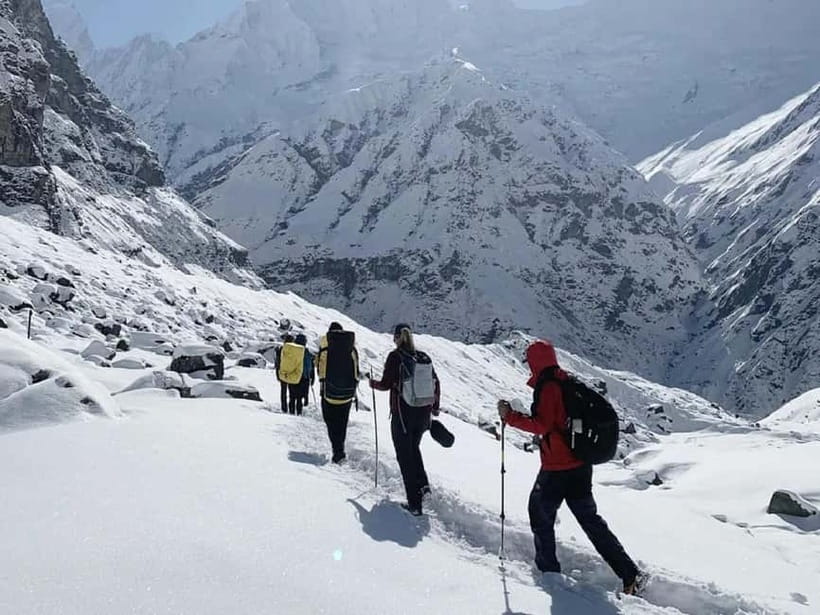
- Overnight at Annapurna Base Camp (4,130m) so you’re not rushing through the big moment
- Jhinu Danda hot springs on Day 6 to help your muscles recover
- Tea houses or lodges each night keeps things simple and practical
- ACAP permit included in the trip cost
- Certified English-speaking guide plus option to hire a porter if you want extra help
Trek basics: what 7 days on Annapurna really means
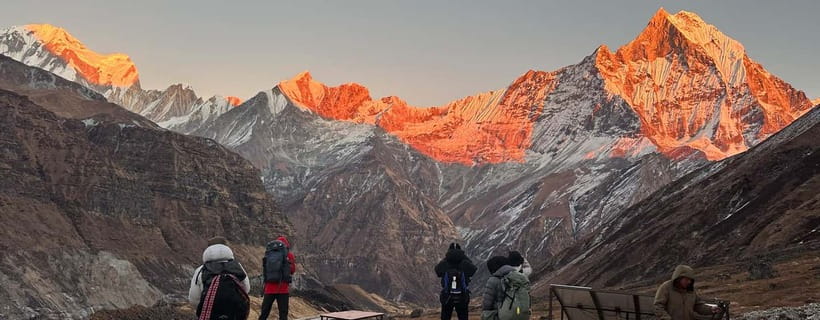
This trek is built for steady hiking days with overnight tea houses or lodges. Your highest point is Annapurna Base Camp at 4,130m / 13,550ft, which is where you feel the altitude and where the cold can turn “nice mountain air” into “wrap up” weather fast. You’ll gain and lose elevation across the days, but your main breathing test is the ascent toward the base camp, especially once you’re above the tree line feel.
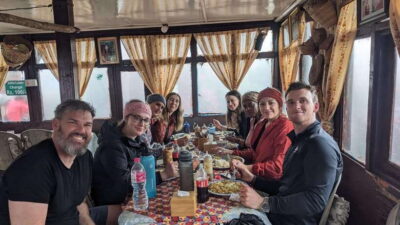
The good news: the daily structure is straightforward. You’ll hike each day, then sleep in basic guesthouses with local meals available for purchase (meals are not included). That means you can usually find something warm, filling, and familiar after a long day on the trail. The less-fun news: tea-house “basic” means no luxury. Expect simple rooms, shared dining areas, and the kind of comfort that feels great after you’ve earned it.
One more practical point: the trip says Trekking Gear like a trekking stick/sleeping bag as needed is included, and your packing list also mentions bringing a sleeping bag. That’s a common situation in trekking outfits—sometimes you can rent or are supplied depending on what you choose. Don’t guess; ask what you’ll be given versus what you should bring.
You can also read our reviews of more tours and experiences in Pokhara.
Day 1: Nayapool to Ghandruk via Modi Khola (1,940m)
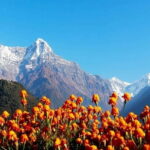
Day 1 starts with breakfast in Pokhara, then a private vehicle ride to Nayapool. From there, your hike begins along the Modi Khola, passing through ethnic villages and forests over about 5–6 hours.
Why this day matters: it’s your warm-up, but it’s also the first taste of what makes this trek feel like Nepal, not just hiking. You’ll move through small settlements and forested sections, so you’re not starting your altitude story in a vacuum. You’re also introduced early to the Annapurna region’s rhythm—steps uphill, brief rests, then a village scene that feels lived-in.
At the end of the day you reach Ghandruk (1,940m), where you’ll have a guided tour plus an overnight stay. Ghandruk is a common staging point because it gives you a proper night at a height where you can still sleep reasonably and reset before the next climb.
Day 2: Ghandruk to Chhomrong through rhododendron country (2,170m)
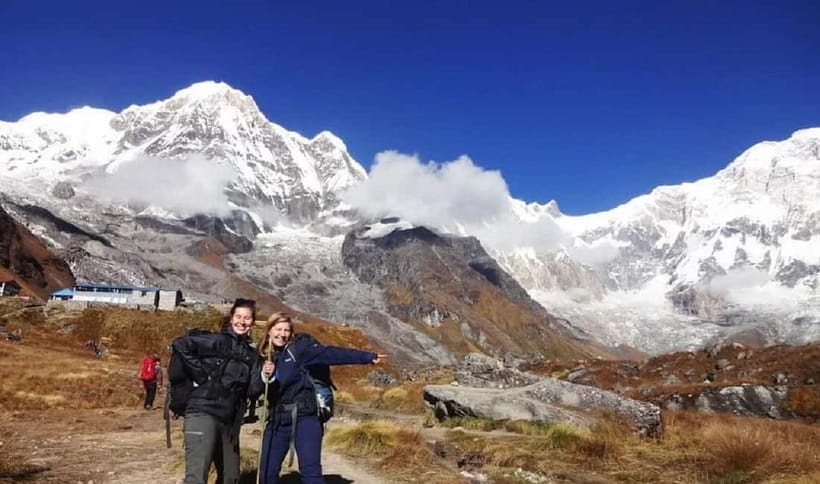
You’re hiking from Ghandruk to Chhomrong, roughly 6 hours. The route again takes you through hilly settlements and rhododendron forests, with clear views of the Annapurna range on your side as you climb.
I like Day 2 because it’s where the trek starts to feel “serious.” The walk tends to get more consistently uphill, and you start seeing more of the mountain shape that will dominate later days. If you’re the type who gets motivated by panoramas, this is one of the earlier days where the scenery starts to feel earned rather than incidental.
Chhomrong is also a cultural stop. The area is tied to Gurung and other local communities in this broader region, so you’re not only hiking landscapes—you’re moving through villages that have their own routines, foods, and daily life. Overnight at Chhomrong means you’ll wake up closer to the higher ridges.
Day 3: Chhomrong to Himalaya (2,920m) with village-and-forest variety
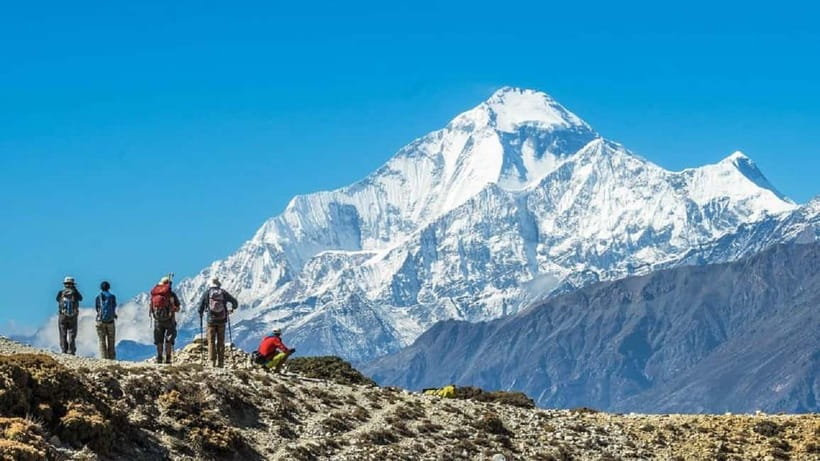
On Day 3 you head from Chhomrong to Himalaya (2,920m) after breakfast, with a guided hike of about 5 hours. Expect more of the mix: forests, villages, and mountain views that show up in brief windows between the trees.
This day is a good “gear check” day. By now, your pack weight will either feel manageable or it won’t. Your feet will tell you what your brain already suspects. Take the breaks you need, and don’t try to win a race against your own breathing.
Also, this is part of the route where you may notice trail sections that connect you onward toward viewpoints and camps farther up. The trip description flags stops such as Dovan and Machhapuchhre Base Camp along the way toward base camp—so Day 3 fits the pattern of a trek that keeps giving you changing scenery instead of just repeating the same kind of trail.
Overnight in the Himalaya-area keeps you moving upward without jumping all the way to the top in one day.
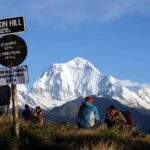
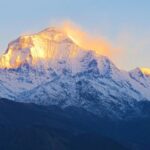
Day 4: Annapurna Base Camp (4,130m) is the payoff day
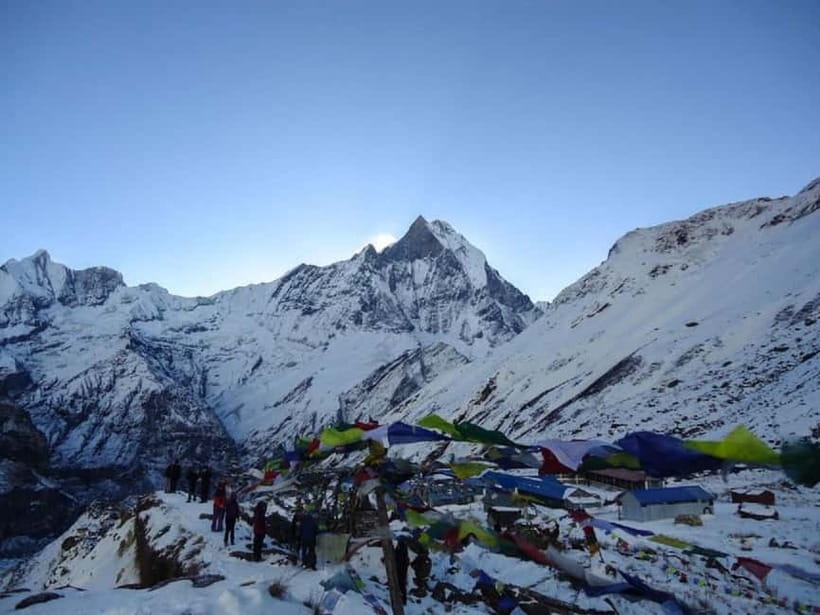
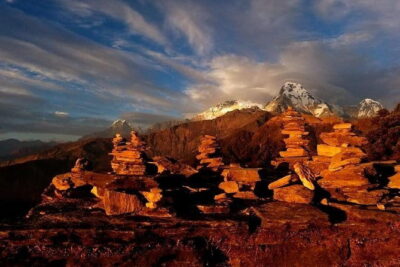
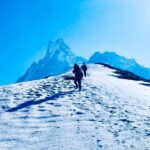
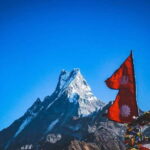
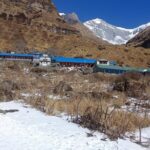
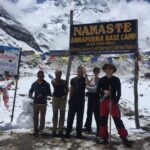
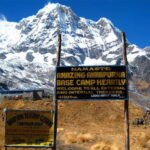
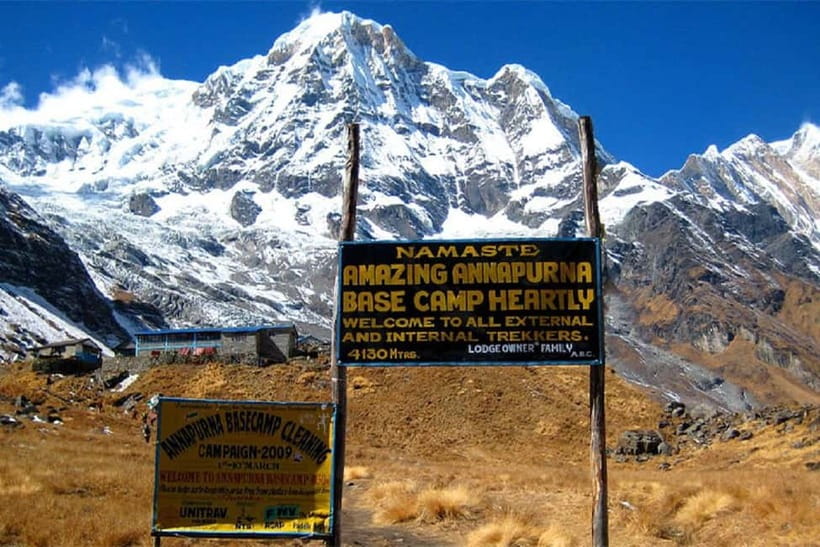
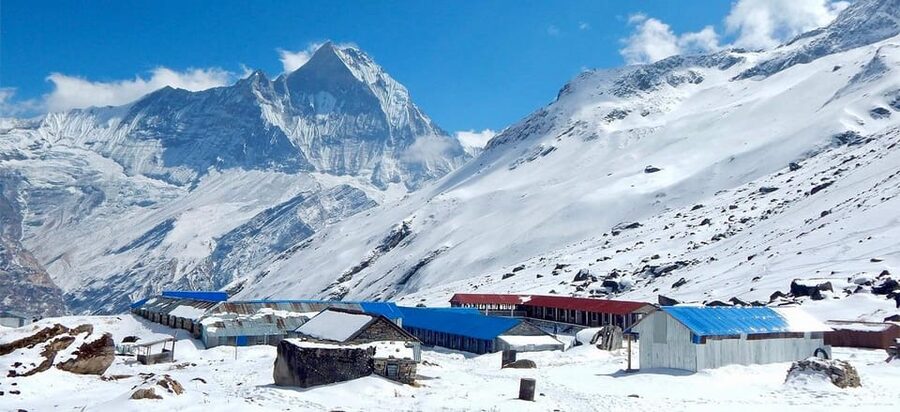
Day 4 is the big one: Himalaya to Annapurna Base Camp at 4,130m, with an overnight at the base camp itself. This day’s hike is described as reaching the trek’s peak point, and the main reward is being surrounded by towering peaks right where the route ends.
I love that the itinerary includes an overnight here. Many treks treat base camp as a quick stop—get photos, keep moving, and leave before the air turns cold and the quiet hits. With an overnight, you get at least part of the experience when the day-trippers thin out and the mountain views feel more personal and less staged. You also get a better chance to adjust mentally to the altitude rather than being forced to sprint through it.
Reality check: base camp at 4,130m can mean cold nights and less oxygen. Your comfort depends on your clothing and the weather, and your pace depends on your body. Stick to the plan, take it slow, and use your guide’s encouragement to keep breathing steady.
Day 5: Base Camp down to Bamboo (2,335m) through forests and springs
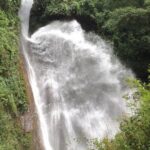
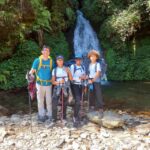
After staying at Annapurna Base Camp, Day 5 drops you to Bamboo (2,335m). This is a downhill day that still involves walking, and it’s described as going alongside rhododendron forests, natural springs, and waterfalls.
This day is about recovery through movement. The altitude stress is still there in your system, but the lower elevation often makes breathing feel easier. Bamboo-area nights also help reset your energy before the hot spring day.
Tea houses here are still basic, but you’ll usually find the simple comfort you want: warm food, a dry-ish place to sit, and a chance to air out what got damp. It’s the kind of day that feels slow in a good way—less “climb to survive,” more “enjoy the walk.”
Day 6: Bamboo to Jhinu Danda for hot springs (1,610m)
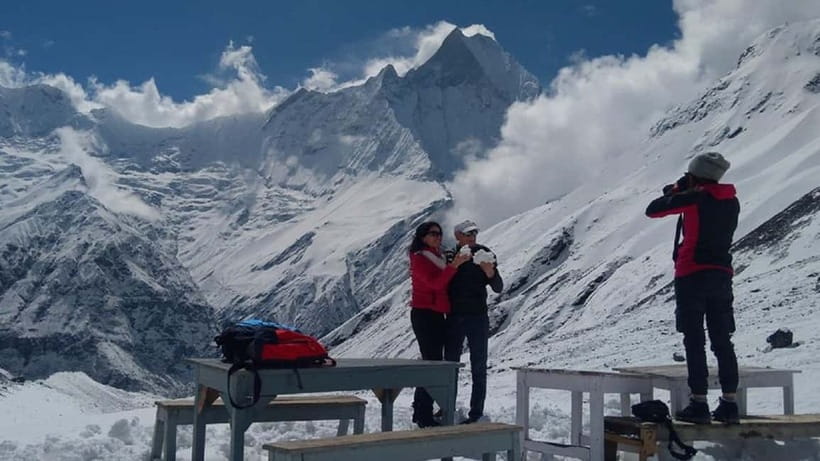
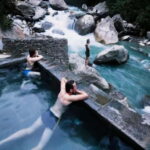
On Day 6 you head to Jhinu Danda (1,610m). The trek includes the highlight: natural hot springs. The plan is specifically built for muscle recovery—after a week of hiking and a high point at base camp, relaxing stressed legs is the payoff.
Hot spring logistics are simple in concept: hike to Jhinu Danda, then soak. The bigger point is how well this contrasts with the cold, thin-air days above. Even if you don’t love heat, you’ll likely appreciate how it changes your legs. It’s one of those practical “why this route works” touches.
This day also tends to feel emotionally satisfying. You’re not just going back down—you’re arriving at something that makes the climb worth it, right now, while you still feel it in your body.
Day 7: Jhinu Danda to Naya Pul, then back to Pokhara
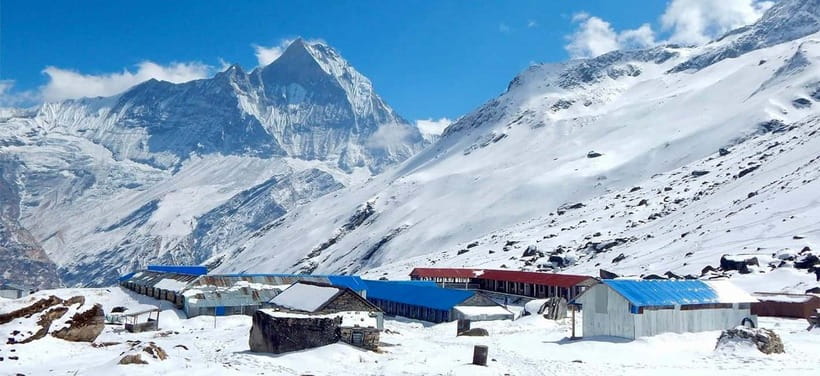
Day 7 is a hike from Jhinu Danda to Naya Pul, then a drive back to Pokhara. The morning descent is your final chance to enjoy the last views and finish feeling like you completed a loop.
It’s also when you’ll likely notice the contrast between trail life and city life. Pokhara can feel busy after a week of slow walking, but that’s the good kind of adjustment. You’ll have a clear sense of what you gained: stamina, scenery, and a story that starts in the lowlands and ends at the base of Annapurna.
If you want the trip to land well emotionally, don’t rush the finish. Take your time on Day 7. The trail’s final meters matter.
Price and value: is $207 per person worth it?
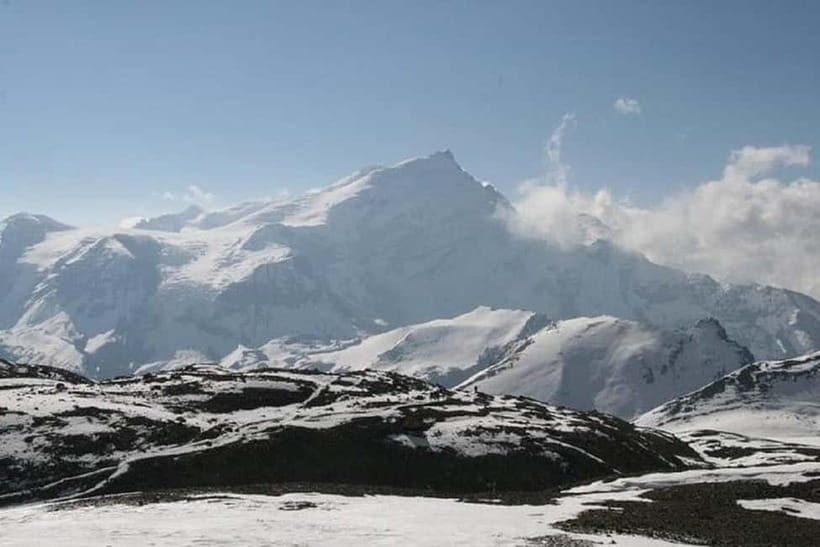
The listed price is $207 per person for a 7-day trek. For that, you get a lot of the parts that usually add up: round-trip private vehicle transportation between your hotel, Pokhara International Airport, and the trek starting point, plus ACAP permit, guide support, and tea-house/lodge accommodation during the trek.
What you should factor in separately is what’s not included:
- All meals during the trek (you purchase on-site)
- Personal expenses
- Optional porter hire for about $20 per day
So the value comes down to this: you’re paying for an organized route with permits and a guide, while you handle food and personal spending. If you were planning this yourself, permits, a certified guide, and the gear decisions would likely cost more in time and hassle than the difference in money.
Guides and culture: the difference a real guide makes
The quality of the day-to-day experience often comes down to one person: your guide. This trek runs with a professional, friendly English-speaking trekking guide certified by the Nepal Government. It’s also a private group, which usually makes it easier to set your pace and ask questions without feeling rushed.
The reviews attached to this experience mention specific guides by name: Sun, Laxman, and Bishnugiri. The common thread is clear—guides who stay alert to how you’re doing, explain what you’re seeing, and help you keep a steady pace. I like that because it matters most when motivation dips, which is usually on the hardest stretch between morning departure and your next tea-house stop.
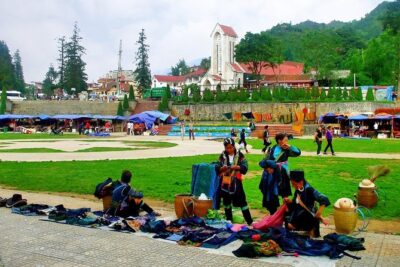
Culturally, the trek is framed as an experience of Gurung, Magar, and Tibetan communities. Practically, that means you’ll see everyday village life as you walk through settlements and adjust to local rhythms. You’re not only collecting photos—you’re learning how people live near the routes that bring the world to their doorsteps.
Who should book this trek (and who should skip it)
This trek fits best if you want:
- a budget-friendly guided Annapurna Base Camp trek
- an itinerary that includes both high-altitude views and a practical recovery stop (hot springs)
- a team setup with a guide, and optional porter support if you want less strain
You should think twice if:
- you have concerns about altitude sickness (the trip isn’t suitable for people with altitude sickness)
- you need accessibility for mobility limitations (it’s not suitable for people with mobility impairments)
- you hate cold nights and basic accommodations (tea houses/lodges are part of the deal)
If you’re generally healthy, comfortable walking uphill for hours each day, and you treat the climb with respect, this looks like a strong “classic Annapurna” plan.
Should you book this 7-day Annapurna Base Camp trek with hot springs?
If you want a guided, organized route that hits the big sights—Annapurna Base Camp at 4,130m plus Jhinu hot springs—this is a solid choice. The inclusion of the ACAP permit, private vehicle support from Pokhara, and a certified English-speaking guide makes it feel lower-stress than DIY planning.
I’d book it if you’re ready for: cold, altitude, and basic tea-house comfort in exchange for real mountain payoff. I’d pass if you’re unprepared for altitude or if you need an accessible, low-exertion vacation style.
FAQ
What is the duration of this trek?
The trek is 7 days total, starting from Pokhara and ending with a return hike to Naya Pul and a drive back to Pokhara.
Where does the trek start and how do I get there?
It starts on the trail from Nayapool, with round-trip private vehicle transportation arranged between your hotel, Pokhara International Airport, and the trek starting point.
What is the highest altitude on the route?
The highest point is Annapurna Base Camp at 4,130m (13,550ft).
Are permits included?
Yes. The Annapurna Conservation Area (ACAP) permit is included.
Are meals included during the trek?
No. All meals during the trek are not included and you purchase them while on the route.
Where do you sleep each night?
You stay in basic tea houses or lodges during the trek, including an overnight at Annapurna Base Camp.
Do I need to bring trekking gear and a sleeping bag?
The included gear mentions a trekking stick/sleeping bag as needed, and your packing list also includes a sleeping bag. Plan to bring what you can, and confirm what the operator supplies for you.
Is there an option to hire a porter?
Yes. A porter can be hired optionally for about $20 per day.
What languages will the live guide speak?
The live tour guide is listed as English, Hindi, and Nepali.
Is this a private group?
Yes. The trip is listed as a private group.