REVIEW · KATHMANDU
Khopra Danda Trek
Book on Viator →Operated by Beyond The Limits Treks & Expedition P ltd · Bookable on Viator
Khopra Danda gives you the Annapurna wow-factor without the same crowd pressure. I like how the route stays quieter than most treks while still delivering big-name views like Machhapuchhre (Fishtail) and the Annapurna range. I also appreciate the way Beyond The Limits handles the early logistics in Kathmandu, including a guide appointment and gear check. One consideration: several days are long and uphill, and the Khayer Lake day can run to 12 hours, so you’ll want solid day-to-day hiking stamina.
You also get a structured, private-feeling trek. You’ll move from Kathmandu to Pokhara by included ground transport, then into teahouse nights on the way to Khopra Danda. Your package includes the key permits, your guide, and mountain accommodation, plus most meals during the trek days. If you’re hoping for fully effortless walking, this isn’t it. You’ll hike.
Here are the main things that make Khopra Danda worth your time.
In This Review
- Key highlights at a glance
- Kathmandu setup: pickup, guide meeting, and gear sanity-check
- Road to Pokhara Lakeside: where the trek really begins
- Ghandruk to Tadapani: rhododendron and a gentler start
- Rhododendron to Dobato: the ridge days test you (in a good way)
- Bayli Kharka to Khopra Danda: views, wildlife, and the Kaligandaki Gorge
- The whole-uphill day: Khopra Danda gets serious
- Khopra Danda to Khayer Lake: the longest day with a very clear purpose
- Descent to Swanta: farms, villages, and a quieter Nepal you can actually talk to
- Ghorepani and Poon Hill: sunrise rewards the early start
- Pokhara wrap-up and Kathmandu return: rest, food, and souvenirs with less rush
- Price and value: what you’re really paying for
- Who this trek suits best
- Should you book the Khopra Danda Trek?
- FAQ
- FAQ
- What is the duration of the Khopra Danda Trek?
- Where does the trek start and what’s the first day like?
- Does the tour include pickup from the airport?
- How do you get from Kathmandu to Pokhara?
- Is this a private tour?
- What permits are included?
- Where do you sleep during the trek?
- Are meals included?
- What about drinks and alcohol?
- What fitness level do you need?
- If weather is poor, what happens?
- What is the cancellation window?
Key highlights at a glance
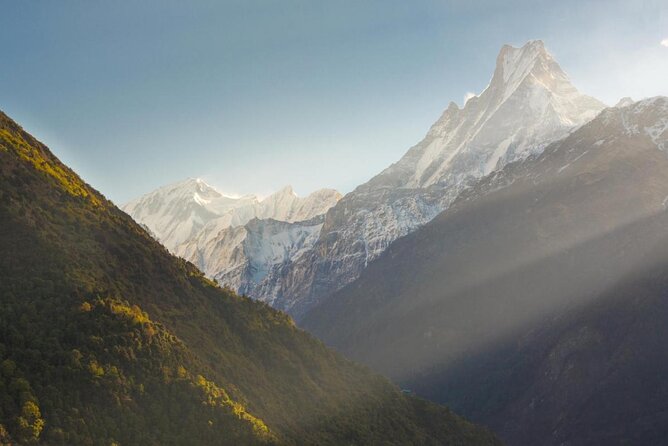
- Less crowded trekking feel while still hitting classic Annapurna viewpoints
- Khopra Danda ridge views over the Annapurna area and the Kaligandaki Gorge
- Khayer Lake day trip with Himalayan views from the lake area
- Poon Hill sunrise with a long list of major peaks visible on clear mornings
- Private tour style with just your group participating
- An experienced local team led by Saroj Neupane at Beyond The Limits Treks & Expedition
Kathmandu setup: pickup, guide meeting, and gear sanity-check
Your trek starts in Kathmandu with an airport pickup (Tribhuvan International Airport). Once you’re transferred to your hotel, you get an appointment with your guide and the team. This is a small detail, but it matters. You can use that first evening to get clarity on the plan, ask gear questions, and make sure your packing matches what you’ll actually do.
You’ll also get trek map and documents. That’s useful in Nepal, where weather and trail conditions can shift. I like that the plan is organized enough that you’re not piecing everything together yourself after a long flight.
Then you have free time the rest of Day 1. Kathmandu is a good place to do last-minute shopping for basics like snacks, blister care, or a warm layer if you forgot one. You’re also sleeping in Kathmandu before the trek begins, which helps you avoid starting exhausted.
You can also read our reviews of more tours and experiences in Kathmandu.
Road to Pokhara Lakeside: where the trek really begins
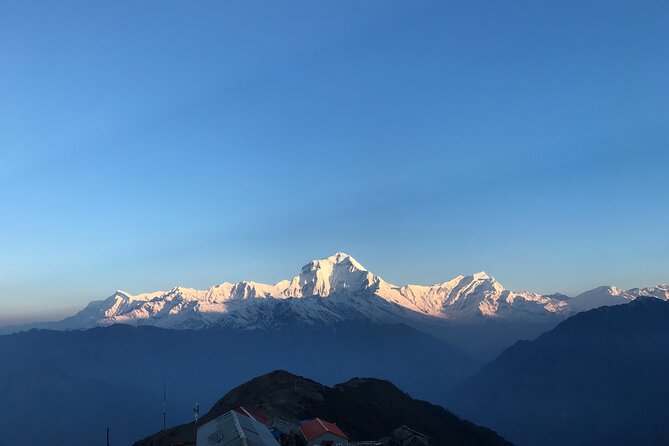
On Day 2, you drive from Kathmandu to Pokhara Lakeside with hills and rivers rolling by. This day is mostly about transition: altitude adjustment, rest, and settling your mind into trekking mode.
Pokhara is a practical base. You’ll have a full day’s worth of orientation energy without needing to hike. And since your trek is teahouse-based later, it helps to arrive feeling calm and ready for steady walking.
This is also when you can load up on the “small things” you’ll appreciate later: salty snacks, tea-time biscuits, and anything you like for extra warmth at night.
Ghandruk to Tadapani: rhododendron and a gentler start
Day 3 includes a scenic push toward the Annapurna area. You’ll head to Ghandruk village by jeep, then walk about 45 minutes to reach Ghandruk because the main road route has ongoing road works. That detour isn’t a problem; it just means your first walking stretch begins on foot rather than feeling like only a transfer day. You stop for lunch in Ghandruk and then trek onward toward Tadapani.
Even on an early trek day, the route has Nepal’s signature rhythm: forest edges, changing views, and small villages you pass through without needing to make them the whole story. Tadapani becomes your first overnight in the trekking circuit, with lodge tea house comfort waiting after your effort.
What I like here is that you’re not thrown straight into the biggest climbs. You get going, but you still have time to feel your legs wake up.
Rhododendron to Dobato: the ridge days test you (in a good way)
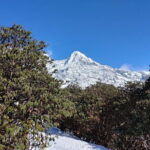
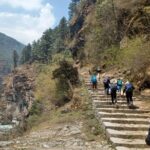
Day 4 turns into a proper trekking day. You walk through rhododendron and oak forests for much of the route, which means shade, a cooler feel, and scenery that shifts every hour. If you’re lucky, you might spot musk deer or red foxes along the way. You’re also moving upward across forests and toward the ridge of Deurali, then continuing uphill on a relatively steep trail to reach Dobato.
Total time is listed around 6 to 7 hours. That’s a realistic, “earned” day. And it gives you something important: the confidence that you can handle uphill sustained effort without panicking about pace.
There’s also a chance to ascend toward a Mulde View point nearby Dobato, which can be a nice payoff if the weather cooperates. You’ll sleep in a teahouse at Dobato, and that night routine becomes a rhythm for the rest of the trek.
Small practical note: forest trekking can mean mist. If visibility is limited one day, don’t assume it’s a lost cause. Peaks often come in and out.
Bayli Kharka to Khopra Danda: views, wildlife, and the Kaligandaki Gorge
Day 5 is where the trip starts feeling like it’s about views, not just walking. You descend and ascend through woods and reach Bayli Kharka, then continue down toward Chistebung pastures. After that, you trek up again, crossing above timberlines to reach Khopra Danda.
Time is around 5 hours, but it doesn’t feel short because the day includes both ups and downs plus changing terrain. Keep your eyes up. You might catch wildlife like musk deer, ghoral, Danfe (pheasant), Himalayan thar, and more along the route.
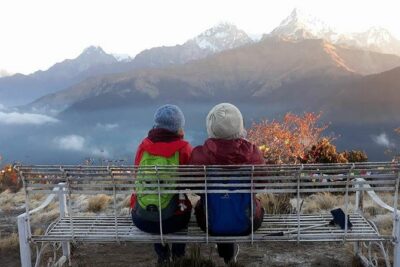
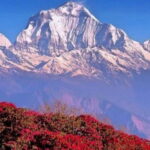
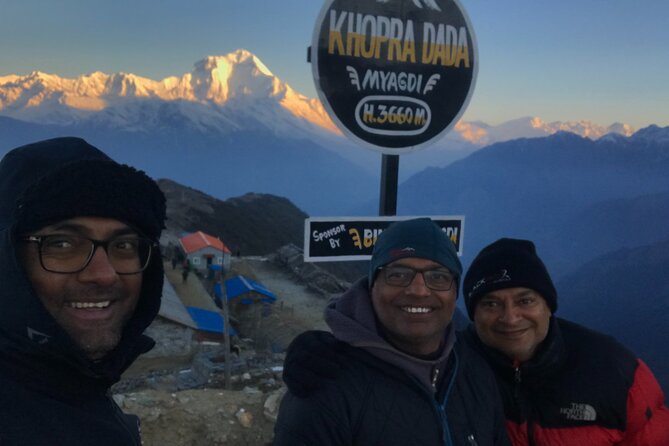
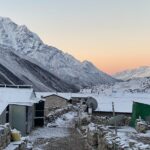
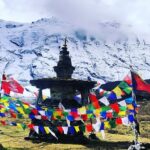
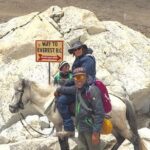
Then you get the big payoff: from the Khopra ridge, you can see multiple major peaks including Dhaulagiri, Damphus Peak, Tukuche Peak, Nilgiri, and Annapurna South. You also get a view of the Kaligandaki Gorge, described as the deepest gorge in the world—one of those natural “how is this even real?” moments.
You overnight at a tea house on Khopra Danda. This matters because it buys you time: sunrise and evening views can be better from higher ridges than day-hopping would allow.
The whole-uphill day: Khopra Danda gets serious
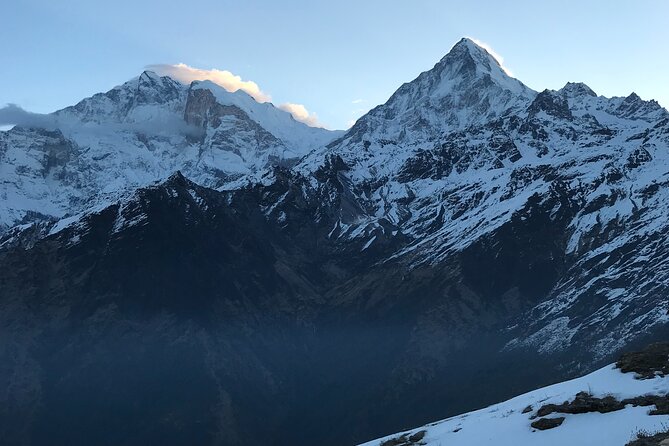
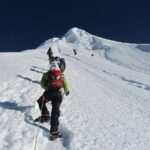
Day 6 is a full uphill push to Khopra Danda. This is the kind of day that makes or breaks the trek experience for some people. If you pace well and keep breaks short and frequent, it becomes a satisfying grind.
Again, expect views of big peaks like Dhaulagiri, Damphus Peak, Tukuche Peak, Nilgiri, and Annapurna South. The ridge perspective is consistent—meaning you’re not just reaching a viewpoint once. You’re living with it.
And because you sleep on the ridge, you get another teahouse night with the Himalayas hovering in the background when conditions are clear.
Khopra Danda to Khayer Lake: the longest day with a very clear purpose
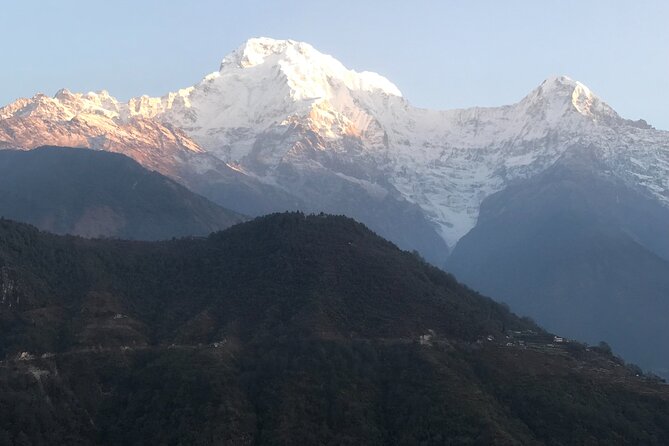
Day 7 is a full outing: breakfast, then a hike up to Holy Khayer Lake. The time listed is more than 5 hours to reach the lake, and the day can run as long as 12 hours total. This is the trek’s longest day, so treat it like a mission day, not a casual walk.
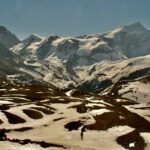
At the lake, you get a calmer kind of beauty: a lake area surrounded by mountains with views back toward Annapurna South, Dhaulagiri, and Nilgiri.
There are tea houses along the way, but there’s a specific caution: one along the route will open only in peak season. So don’t build your plan around being able to stop for drinks at every possible point. Carry snacks and plan your hydration.
After spending time at the lake, you return back to Khopra Danda. The afternoon is a great chance to slow down—talk to locals, explore culture and traditions, and just enjoy a night where the workday is done.
Descent to Swanta: farms, villages, and a quieter Nepal you can actually talk to
Day 8 shifts gears. You descend to Swanta village. The route goes first to Upper Chistebung village, then continues down through potato and barley farms and past villages along the way, arriving in Swanta.
This day is about human scale rather than peak-chasing. You’ll spend the rest of the day exploring Swanta and learning about Magar people and their lifestyle. Even if you don’t speak the language, you can usually connect through simple conversation and daily routines—where people farm, cook, and live with the seasons.
Hiking from the ridge down into farm country is a relief. It resets your body and gives your mind a different kind of “wow,” the slow kind.
Ghorepani and Poon Hill: sunrise rewards the early start
Day 9 brings you toward the classic Ghorepani area. You descend through green forests, and along the way you can catch glimpses of the Annapurna range. When you reach Ghorepani, you spend the rest of the day with local village life and traditions, then sleep at a teahouse.
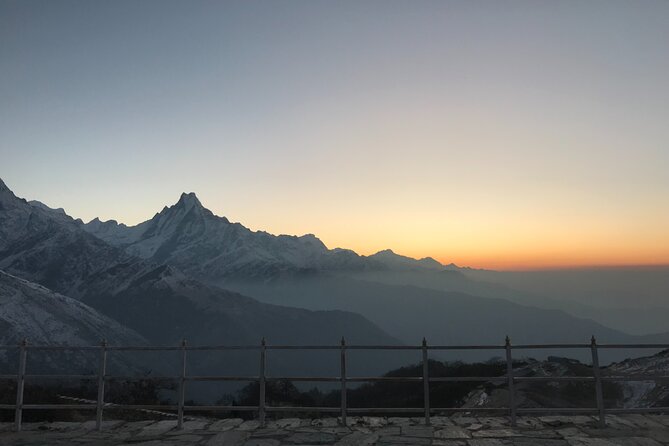
Then comes Day 10, the big sunrise morning. You hike early to Poon Hill to watch the Himalayas light up at sunrise. The view is detailed and worth the effort. You can see major peaks including Annapurna I, Annapurna South, Annapurna III, Machhapuchhre, Dhaulagiri, Tukuche Peak, Nilgiri, Varaha Shikhar (Annapurna IV), Annapurna II, and Lamjung Himal.
This is the moment where all the earlier hiking makes sense. It’s not just a pretty picture. It’s a map you can stand inside.
After sunrise, you trek down to Hille and then ride by private jeep back toward Pokhara via Nayapul. Your day ends with checking into your Pokhara hotel.
Pokhara wrap-up and Kathmandu return: rest, food, and souvenirs with less rush
Day 11 is your reset day. You’ll have breakfast in Pokhara, then visit a few sightseeing spots and return to Kathmandu. There’s time for shopping for handicrafts and souvenirs, with Thamel as a natural neighborhood base. You’ll also have a farewell dinner in Kathmandu and certificate distribution.
This is one of those finishing touches that feels small but matters. After days of walking and tea house routines, the group meal and wrap-up bring closure.
Also, you’ll appreciate the chance to sleep in a proper hotel bed again rather than rushing straight into another journey.
Price and value: what you’re really paying for
The price is $1,299 per person for roughly 11 days, and it includes more than just “a guide and some walking.”
Here’s what stands out for value:
- Permits included: Annapurna Conservation and TIMs permit costs are covered.
- Guide and support included: a trekking guide is included, and there’s insurance and equipment coverage for guides and porters.
- Lodging included: 3 nights in Kathmandu (hotel B.B.) plus 2 nights in Pokhara (B.B.), then teahouse/lodge nights during the trek.
- Most meals included on trek days: the package lists many breakfasts, lunches, and dinners.
- Ground transport included: airport pickup, Kathmandu–Pokhara transport, and a jeep transfer segment during the route back.
What’s not included is also clear: international airfare, Nepal visa fees, drinks, and personal expenses. Emergency evacuation and medical costs aren’t included either. So you should budget for your visa/airfare and drink/snacks, and make sure your travel insurance covers you for medical or evacuation needs.
For me, the best “value angle” is that the trek’s quieter feel and the ridge-based viewpoints are hard to replicate on cheap self-guided routes. You’re also paying for consistent planning: the road detour to Ghandruk, the day timing, the teahouse nights, and the permit paperwork.
If you’re the type who wants stress reduced and time used well, this package is in the sweet spot.
Who this trek suits best
This trek fits best if you:
- Want big Himalayan views without the same crowd vibe you’ll see on some other Annapurna routes
- Can handle a moderate fitness level and long days (especially Day 7)
- Like wildlife and forest trekking as much as peak views
- Appreciate a private group experience, where the guide can respond to your pace
It may feel tough if you’re new to trekking or you don’t enjoy repetitive uphill walking. The days aren’t extreme like high passes, but they stack up.
Should you book the Khopra Danda Trek?
I’d book this if your goal is a quieter Annapurna experience with ridge viewpoints, a serious sunrise morning at Poon Hill, and a Khayer Lake day that feels like a reward for your effort. The inclusion of permits, guide support, and teahouse nights helps you enjoy the trek instead of managing details.
If you hate long hiking days or you want an easy walk with frequent breaks and minimal uphill time, look closely at the Day 7 effort and the overall trekking pattern. This trek has plenty of payoff, but it demands your time and legs.
FAQ
FAQ
What is the duration of the Khopra Danda Trek?
It’s listed as 11 days (approx.).
Where does the trek start and what’s the first day like?
You start in Kathmandu. On Day 1, you arrive at Tribhuvan International Airport, get picked up, and transfer to your hotel. You meet your guide and team for a briefing and gear check.
Does the tour include pickup from the airport?
Yes. Pickup from the airport on your arrival Day is included.
How do you get from Kathmandu to Pokhara?
You travel by tourist bus to/from Pokhara as part of the included transportation, plus your itinerary also describes a scenic drive to Pokhara early in the trip.
Is this a private tour?
Yes. It’s described as a private tour/activity, so only your group will participate.
What permits are included?
The package includes Annapurna Conservation and TIMs permits.
Where do you sleep during the trek?
You’ll stay in mountain teahouses/lodges during the trek.
Are meals included?
Yes. The inclusions list breakfasts, lunches, and dinners during the trip, while drinks are not included.
What about drinks and alcohol?
All drinks, including hot/cold and alcoholic beverages, are listed as not included.
What fitness level do you need?
The guidance says you should have moderate physical fitness.
If weather is poor, what happens?
This experience requires good weather. If it’s canceled due to poor weather, you’ll be offered a different date or a full refund.
What is the cancellation window?
Free cancellation is offered up to 24 hours in advance for a full refund. If you cancel less than 24 hours before the start time, the amount paid won’t be refunded.