REVIEW · KATHMANDU
Ghorepani Poonhill Trek -8 Days
Book on Viator →Operated by Himalayan Adventure Treks and Tours Pvt Ltd · Bookable on Viator
Sunrise over the Annapurnas starts with a short climb. This trek pairs village nights with Kathmandu and Pokhara, and includes Poon Hill sunrise access plus permits handled.
I especially like the approachable rhythm: the trail climbs enough to earn big views, but it’s built for people who want a real trek without going ultra-technical. I also like the human support built into the trip, including an experienced guide and a porter shared 1 porter for 2 clients.
One consideration: plan for early mornings and basic mountain logistics. You’ll be at higher elevations like Ghorepani (2860m) and you may need extra layers at night, and items like hot showers and charging can cost extra.
In This Review
- Key things that make this trek worth your time
- Kathmandu to Pokhara: your warm-up before the mountains
- The Pokhara-to-Nayapul start: where your trek really begins
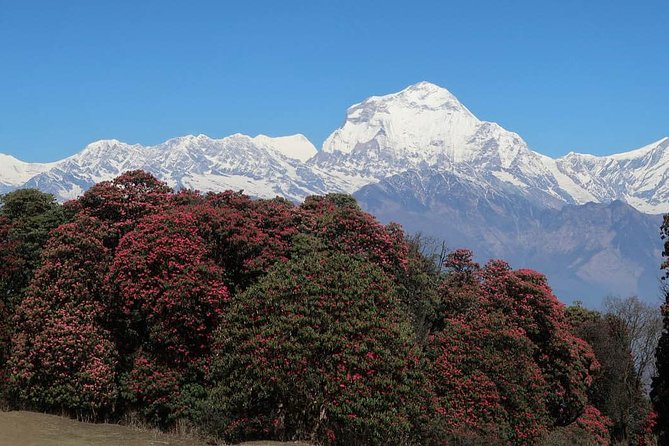
- Ulleri to Ghorepani: rhododendron forests and steady altitude gain
- Poon Hill sunrise at 3210m: the main event (and how to do it right)
- Ghandruk day: an easier walk with real village time
- The return to Kathmandu: Manakamana cable car and scenic stops
- Lodges, meals, and the small comforts that reduce friction
- Your guide and porter support: what the reviews highlight
- Price and value: where the $800 really lands for you
- Who this trek is best for (and who should rethink it)
- Should you book this Ghorepani Poonhill trek?
- FAQ
- How long is the Ghorepani Poonhill Trek in this package?
- Where does the tour start and end?
- Are airport transfers included?
- What permits are included?
- Is a guide and porter included?
- What meals are included during the trip?
- Is there a vegetarian option?
- Are Nepal visa fees and travel insurance included?
- What is the cancellation policy?
Key things that make this trek worth your time
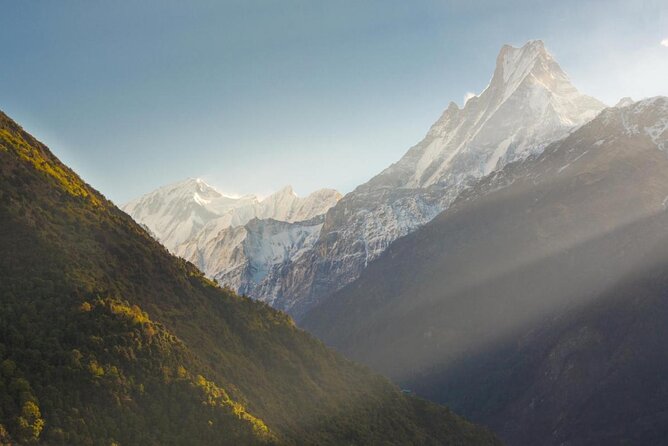
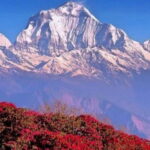
- Poon Hill at 3210m for a classic sunrise over the Annapurna and Dhaulagiri ranges
- Rhododendron forests on the Ulleri to Ghorepani climb, with village stops along the way
- Ghandruk village time after an easier descent through oak, rhododendrons, and fir
- Pokhara + Kathmandu setup with private transfers and 3 hotels for two nights each
- TIMS and ACAP permits handled, plus paper work and travel/rescue arrangements included
Kathmandu to Pokhara: your warm-up before the mountains
Day 1 is all about getting settled. You arrive at Tribhuvan International Airport, meet a company representative, and get transferred to your Kathmandu hotel by private vehicle. The win here is simple: you start with one less uncertainty after a long flight, and you can focus on sleep and an easy evening.
From there, this tour builds in a Kathmandu and Pokhara pre-trek base. Kathmandu isn’t treated as a quick stop. The package includes a Kathmandu sightseeing day with visits to major UNESCO sites like Pashupatinath, Boudhanath, Swayambhunath, and Kathmandu Durbar Square. That matters because it gives your trip more than just the trail. You’re not only chasing views—you’re also seeing how Nepal’s culture shows up in everyday life and sacred spaces.
Then comes the practical reset: Day 2 is a private-drive transfer from Kathmandu to Pokhara. You’ll spend most of the morning on the road, and the rest of the day leaves room for an early look at the Pokhara Valley. I like this pacing because Pokhara is a change of tempo. The air feels different, the views are broader, and you get that calm “okay, we’re really going trekking” feeling without scrambling all day.
How to make this day work for you: pack layers you can reach easily. Even in comfortable cities, it’s easy to underestimate how quickly temperatures change once you’re headed uphill for sunrise.
You can also read our reviews of more tours and experiences in Kathmandu.
The Pokhara-to-Nayapul start: where your trek really begins
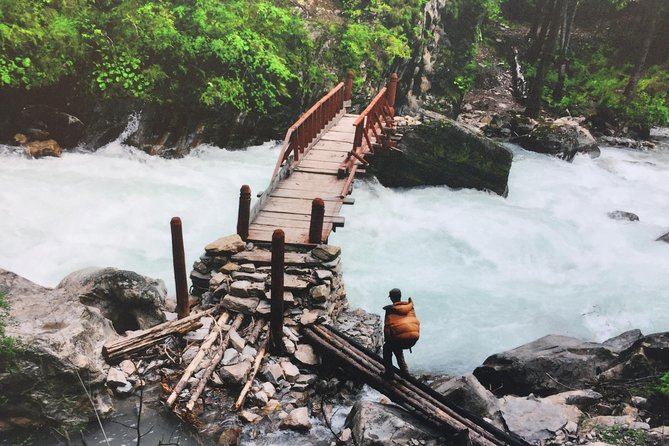
Day 3 is where the trek becomes real. You start with about a 1.5-hour scenic drive from Pokhara to Nayapul (1050m). This is one of those legs that’s easy to overlook in planning, but it sets the tone. You go from city heat and traffic to river valleys and walking-country.
From Nayapul, you begin a 4–5 hour trek that moves gently at first, walking toward Birethanti (around 1025m). The purpose of this opening day is balance. It’s not trying to exhaust you, and that’s a good thing. When your body is still adjusting, you’ll want time to settle into the pace and learn your walking rhythm: how fast you hike, when you stop, and how you manage water.
Possible drawback: if you’re the type who feels restless unless every day is intense, this start might feel too gentle. But you’ll be grateful for it later, especially when the trail starts climbing toward Ulleri and Ghorepani.
Ulleri to Ghorepani: rhododendron forests and steady altitude gain
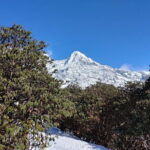
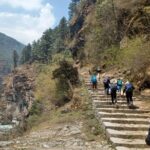
Day 4 is a big step. You trek from Ulleri (1827m) to Ghorepani (2860m), which is about 5–6 hours and roughly 1033 meters of elevation gain. The trail runs through lush rhododendron forests, and you pass through villages like Banthanti and Nangethan (on the way described).
This is where I’d tell you to lean into the “slow is strong” strategy. When altitude climbs quickly, your body often rewards steady effort over speed. The rhododendron sections matter too: they break up the hike with cooler, shaded stretches and the kind of natural texture that makes the day feel less like one long grind.
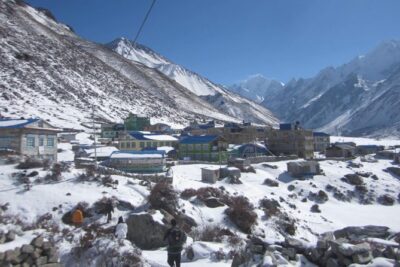
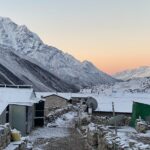
You also start to feel the character of the trek: village life, guesthouses/lodges, and the rhythm of people living close to the foot of the Annapurna massif. The tour’s emphasis on local Gurung culture shows up here through your overnight experience in lodge/tea house style accommodations, which is a big part of why this route is so famous.
Consideration for packing: at 2860m, temperatures can drop fast. Keep a warm layer accessible. If you bury it deep in your bag, you’ll spend the day improvising.
Poon Hill sunrise at 3210m: the main event (and how to do it right)
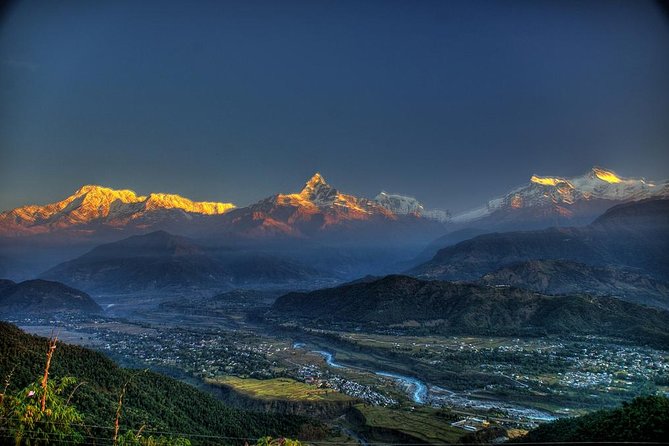
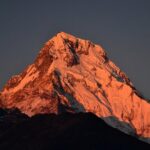
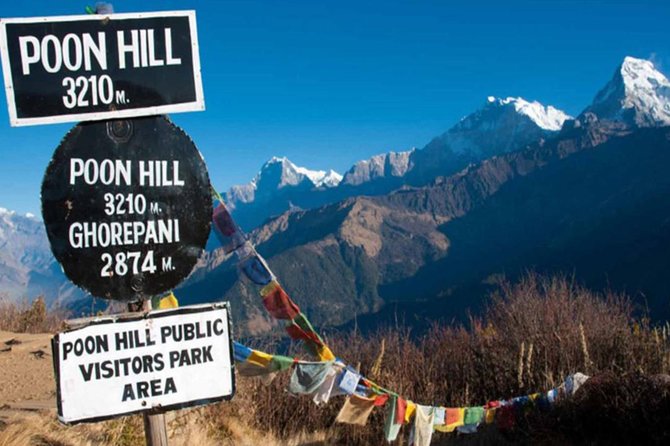
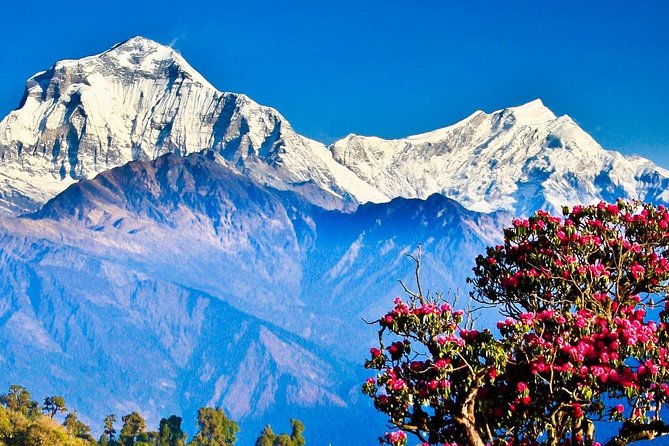
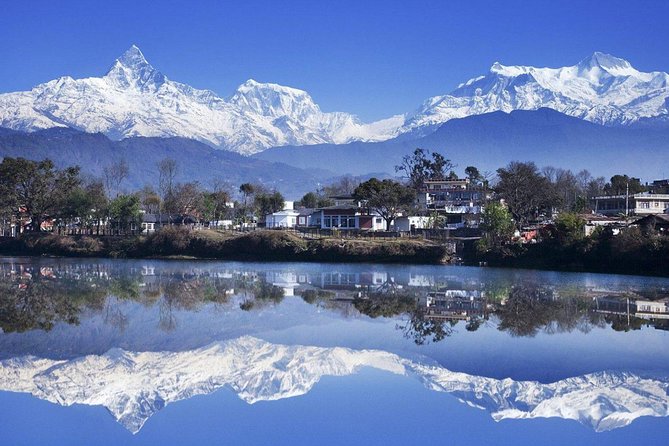
Day 5 is the signature day. You wake up early and hike to Poon Hill (3210m) for sunrise, usually the highlight of the entire Ghorepani–Poon Hill route. The reward is the view: you’re looking across the Annapurna and Dhaulagiri range, with peaks mentioned in the route description including Machhapuchhre (6997m), Mardi Himal (5553m), and Lamjung Himal (7454m).
Early starts are part of the deal, but you’ll love the payoff. Sunrise hikes have a built-in magic because the mountains look different minute by minute—so even if the first 10 minutes feel cold or slow, the reward arrives right when you need it.
What I like about this setup: the day is paced around the sunrise, not around rushing. After the early hike, you’re not stuck hiking all day at a punishing pace.
How to make sunrise easier on your body: don’t wait until you’re half-awake to eat and drink. Eat something small early, sip water as you go, and keep your breathing steady. If you’re prone to getting chilled fast, bring gloves or something to protect your hands.
Ghandruk day: an easier walk with real village time
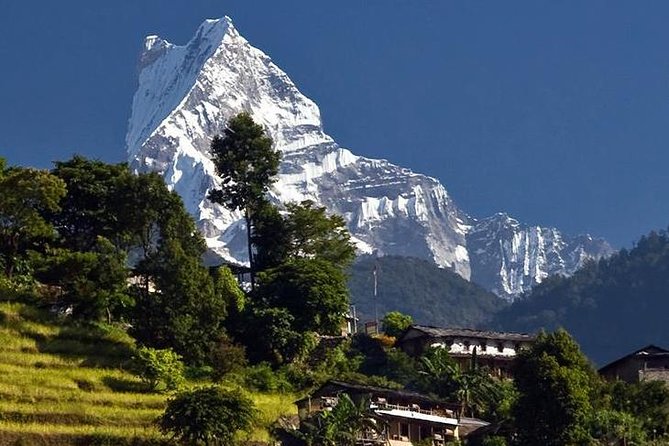
Day 6 shifts gears. The route becomes an easier descent through forests of oak, rhododendrons, and fir, and you get a shorter walking day that gives you time to explore Ghandruk village.
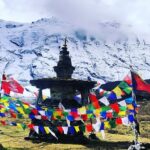
This is more than a scenic break. After a sunrise-focused day, you’ll likely appreciate the change to slower movement and more time on the ground. Ghandruk is a place where you can see how the Himalayas connect with daily life—homes, community spaces, and the guesthouse economy that supports trekking routes.
Even if your walking is easier, don’t treat it as “free time with no plan.” If you want photos, viewpoints, or just a chance to wander, this is the day to slow down and do it properly.
Possible drawback: because it’s easier, you might be tempted to overdo it socially—late dinners, more tea stops, long conversations. That’s lovely, but remember you’re still in the mountains, and sleep quality affects how you feel on Day 7’s transfer/back-to-city leg.
The return to Kathmandu: Manakamana cable car and scenic stops
Day 7 is a fun change from purely walking. The route heads up toward Damauli, Dumre, Muglin, and Kurintar, where Nepal’s first cable car connects to the Manakamana Temple area. Then the route continues through Naubishe and climbs to Thankot, described as the gateway to the capital city of Kathmandu.
Even if you’re tired, this day helps your trip feel like a full Nepal experience rather than only a trekking corridor. It’s a chance to swap trekking boots for vehicle time, stretch your legs in short breaks, and break the monotony of walking.
How to handle the pace: keep your daypack light. You don’t want to walk more than planned if your body is already running on “post-trek recovery.” Also, use the ride time to hydrate and eat sensibly—your appetite may feel different after a week in trekking mode.
Lodges, meals, and the small comforts that reduce friction
This tour includes all accommodations in lodges/tea houses during the trek, plus 3 hotels with breakfast in Kathmandu and Pokhara for two nights each. For the trekking days, the food is included in the counts listed: breakfast is included for 7 days, lunch for 4 days, and dinner for 4 days. There’s also a last night farewell dinner at an authentic Nepalese restaurant with cultural performance.
That matters because in trekking regions, food is often the first thing that becomes complicated. Here, your meals are planned. You won’t have to wonder where the next meal is coming from—just show up, choose something you can digest comfortably, and keep energy stable.
A couple of practical notes you should know:
- Hot shower and battery recharge are listed as personal expenses, so treat these as add-ons, not guarantees.
- Bottle or boiled water is also listed under personal expenses, so you’ll likely still be making small purchasing decisions along the way.
- You do get medical supplies (a first aid kit is available), and the tour includes travel and rescue arrangements.
Your guide and porter support: what the reviews highlight
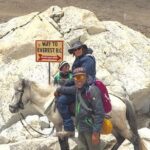
The tour includes an experienced, helpful guide plus a porter (1 porter for 2 clients). That ratio is a big deal for a short trek. When your main bulk-lift burden is handled, you walk with less weight and more confidence.
The reviews associated with this company repeatedly name guides and describe them as patient, professional, and honest in how they explain the trail. Names that come up include Badri and Prakash, both described as knowledgeable and supportive. Another named guide is Mr. Gomboo Sherpa (mentioned as a trekking guide). There’s also praise for the owner, Bhagwat Simkhada, showing up and taking time with guests at the hotel to say goodbye in at least one account.
You should still verify who your guide is before you go, but the pattern is clear: this is not the kind of trek where you feel abandoned with a map.
What you should do as a passenger: tell your guide your walking comfort level on Day 3 or Day 4. If you start letting the pace drift without communication, it’s harder to adjust later.
Price and value: where the $800 really lands for you
At $800 per person for an approximately 8-day package, the price feels fair because a lot of the big items are baked in rather than billed later.
What’s included (based on what you’re given):
- Private transfers (airport to hotel on arrival, and return to the airport at the end)
- Kathmandu and Pokhara 3* hotels with breakfast (two nights each)
- A trekking guide and porter
- TIMS permit and ACAP permit, plus paper work
- Lodges/tea house accommodations on trek days
- Trekker information management and travel/rescue arrangements
- Medical supplies (first aid kit availability)
- Duffle bag service (returned after the trek)
- Company t-shirts
- Meals: breakfast (7), lunch (4), dinner (4), plus farewell dinner with cultural performance
What isn’t included:
- Nepal visa fee
- International airfare
- Travel and rescue insurance
- Personal expenses (water, charging, hot showers, laundry, phone calls, etc.)
- Tips for guide and porter
So the real question isn’t just cost. It’s whether you want to handle permits, transfers, and day-by-day meal planning yourself. If you prefer less admin and more hiking time, this package leans in that direction. If you’re an independent traveler who already knows how permits and lodge bookings work, you might compare alternatives.
My practical take: $800 can be good value here because it reduces guesswork during the high-stakes parts—getting permits right, finding lodging, and having a guide who can keep your day on track.
Who this trek is best for (and who should rethink it)
This Ghorepani Poon Hill trek is a solid pick if you want:
- A trek that’s famous for big views and a manageable difficulty level on a classic route
- A balance of trekking days and city time (Kathmandu and Pokhara)
- A trip where you’re not carrying everything yourself thanks to porter support
- Clear structure: hotels, meals, and permits planned
It also tends to work well for first-time trekkers and people on a tight schedule, partly because the days are set up around early sunrise and a mix of climbs and easier segments.
You might want to rethink it if you:
- Hate early mornings (sunrise at Poon Hill is non-negotiable)
- Are very sensitive to cold nights at higher elevations
- Expect luxury comforts like unlimited hot showers (the cost for some add-ons is listed as personal expenses)
Should you book this Ghorepani Poonhill trek?
If you want a straightforward, guided introduction to the Annapurna foothills with sunrise views from Poon Hill, Gurung-flavored village nights, and less logistical stress, I think this is an easy yes.
Before you commit, do two quick checks:
- Confirm your health and cold tolerance for nights around 2860m and a sunrise climb to 3210m.
- Budget for the items that aren’t included (visa, flights, insurance, personal charging/hot shower costs, and tips).
If those boxes fit your style, this is the kind of trek that turns into a highlight reel fast: mountains at dawn, village time in the middle, and a real Nepal cultural day in Kathmandu to round it all out.
FAQ
How long is the Ghorepani Poonhill Trek in this package?
The trek is approximately 8 days, with additional included time for transfers and sightseeing.
Where does the tour start and end?
The tour starts at Tribhuvan Airport in Kathmandu, Nepal. It ends back at the meeting point.
Are airport transfers included?
Yes. You get pickup from the airport and a private transfer to your hotel. On the final day, a representative takes you to the airport about 3 hours before your flight.
What permits are included?
The package includes the TIMS permit and the ACAP permit, along with all necessary paper work.
Is a guide and porter included?
Yes. An experienced guide is included, and you also get a porter (1 porter for 2 clients).
What meals are included during the trip?
Breakfast is included for 7 days, lunch for 4 days, and dinner for 4 days. There is also a last night farewell dinner with cultural performance.
Is there a vegetarian option?
Yes. A vegetarian option is available, and you should advise your dietary requirements at the time of booking.
Are Nepal visa fees and travel insurance included?
No. Nepal visa fees, international airfare, and travel and rescue insurance are not included.
What is the cancellation policy?
You can cancel for a full refund up to 24 hours in advance of the experience start time. Cancellation less than 24 hours before start time is not refunded.