REVIEW · POKHARA
Ghorepani Poonhill Trek
Book on Viator →Operated by Sunrise Adventure Trek P. Ltd · Bookable on Viator
Sunrise at Poon Hill feels unreal. I love the short, practical route that still climbs high enough for big Himalayan views, and I love the included permits, guide support, and full trekking meals so your days stay focused on the trail. The one real thing to plan for is the packed rhythm: early sunrise hiking plus long road transfers before and after the trek.
This is the kind of Annapurna-region trek that fits well if you want scenery and culture without needing a long, high-altitude expedition. Expect a mix of subtropical warmth at the start and cooler alpine zones later, moving through rhododendron and pine/silver fir forests, passing terrace fields, waterfalls, and colorful villages along the way.
You’ll spend most of your time on comfortable, lower-elevation hiking days, then earn the headline moment: watching the mountain ranges wake up from Poon Hill.
In This Review
- Quick highlights you’ll care about
- Why the Ghorepani Poon Hill trek fits a short Annapurna trip
- Price and logistics: what $580 covers (and what it doesn’t)
- Kathmandu and Pokhara: getting oriented before the trail
- Trek route, day by day: Tikhedhunga to Ghorepani to Ghandruk
- Day 4: Pokhara to Tikhedhunga via Nayapul
- Day 5: Tikhedhunga (about 2,860m route start) to Ghorepani (~2,860m)
- Day 6: Ghorepani to Ghandruk (~1,940m) in about 7 hours
- Day 7: Ghandruk to Nayapul, then back to Pokhara
- Why the sunrise at Poon Hill is the whole reason to do this
- What the package support actually changes for you
- Meals: fewer decisions, more hiking time
- Permits: handled so you don’t have to stress
- Guide and porter: the quiet difference between a good trip and a frustrating one
- Warm layers support if you need them
- Weather and scenery: what changes as you climb
- Service and flexibility: when the human side really matters
- Who should book this trek (and who might want another option)
- Should you book Ghorepani Poon Hill with Sunrise Adventure Trek?
- FAQ
- How many days is the Ghorepani Poon Hill trek?
- What is the highest altitude on this trek?
- Where does the trip start, and how do you get to Pokhara?
- Are trekking permits included?
- Are meals included during the trekking days?
- Is a guide and porter included?
- What is not included in the price?
- Is there free cancellation?
Quick highlights you’ll care about
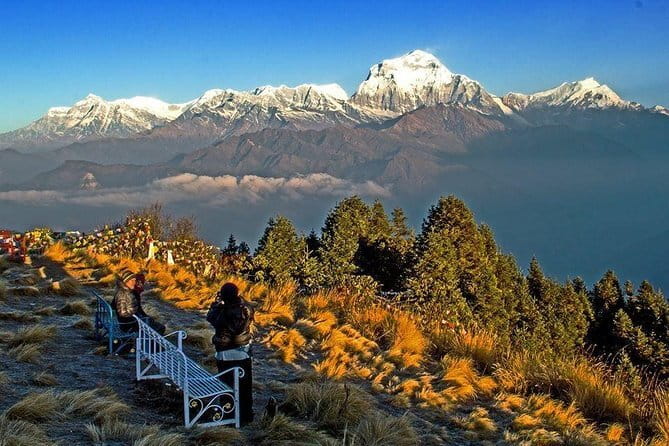
- Poon Hill sunrise at about 3,210m with views toward Dhaulagiri, Annapurna, and Manaslu
- A short Annapurna circuit feel without committing to the full marathon treks
- Meals included on the trek (breakfast, lunch, dinner) plus tea/coffee
- Permits handled for you with TIMS and a trekking permit included
- Flexible trip planning based on your wishes, with helpful service on the ground
- Guide + porter coverage designed to keep baggage manageable (one Sherpa porter for two guests)
Why the Ghorepani Poon Hill trek fits a short Annapurna trip
This trek is popular for a reason: it delivers the classic Annapurna-range payoff in a timeframe that’s realistic for a short holiday. You’re not chasing extreme altitudes for days. Instead, you climb gradually from Pokhara’s low elevation up through forested hills and into the zone where rhododendron and alpine trees take over.
The route also gives you variety. You’re not hiking only through one “type” of scenery. You move from lower, greener sections through dense forest, and the trek route is known for colorful villages and waterfall sightings. That matters because it keeps the days from feeling repetitive, especially when you’re walking for hours on a clear schedule.
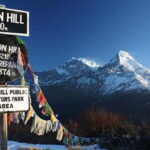
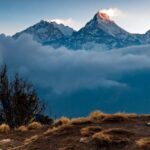
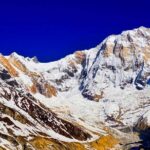
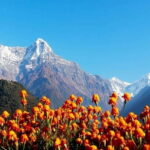
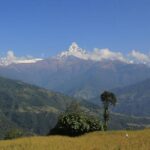
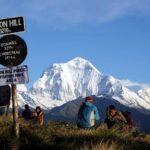
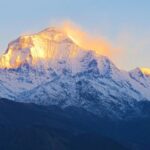
And then there’s Poon Hill itself. The hill is famous because sunrise there gives you a grand sweep of major ranges—Dhaulagiri, Annapurna, and Manaslu—often also with standout peaks like Fishtail (Machhapuchhre) in view from the broader Annapurna panorama.
You can also read our reviews of more tours and experiences in Pokhara.
Price and logistics: what $580 covers (and what it doesn’t)
At about $580 per person, this trek is priced for an “all-in support” style. You’re not just buying a route; you’re buying the safety net that makes it easier to execute the trek smoothly.
Here’s what you get that directly affects your day-to-day comfort:
- Airport pickup and departure plus all ground transportation in Nepal
- Three-star hotel in Kathmandu and twin-sharing rooms with breakfast, plus trekking lodge accommodations during the hike
- Full meals during the trek (breakfast, lunch, dinner), with tea/coffee
- Trekking permit + TIMS card handled as part of the package
- Guide support (guide salary and insurance are included)
- Porter help: for two guests, there’s one Sherpa porter to carry baggage
- If you need it, sleeping bag and down-jacket support for the trek
- A special cultural show and a farewell dinner program
- A T-shirt and trip achievement certificate
What you don’t get:
- International flights
- Travel insurance
- Tips
- Extra meals in Kathmandu and personal spending (bar bills and similar)
The practical takeaway: you’ll usually spend less time chasing logistics and more time enjoying the hiking window. If you’re the type who hates last-minute permit hassle and just wants a plan that runs, this package-style approach tends to feel like good value.
Kathmandu and Pokhara: getting oriented before the trail
The trip begins in Kathmandu, with a pickup from the airport and transfer to your hotel. If you’ve got jet lag, it helps that you’re not immediately thrown into a steep trekking start. Day 2 is sightseeing around the Kathmandu Valley, which is a good way to get your bearings fast and understand Nepal’s cultural layers before you head into the mountains.
Then comes the transition to Pokhara. You’ll either take a tourist bus (about 7 hours) or fly (about 30 minutes, depending on the option). That choice affects how you feel physically. A flight is obviously easier on tired legs, while the long bus ride can be a tradeoff for those who prefer ground travel and watching the changing terrain out the window.
Pokhara is your staging base for the trek, and the program moves you from there toward the hiking start. After you’ve done the Kathmandu sightseeing, the shift to Pokhara’s mountain-adjacent vibe usually feels like a mental gear change: less city rhythm, more mountain focus.
Trek route, day by day: Tikhedhunga to Ghorepani to Ghandruk
This is the heart of the trip. The hike days are long enough to feel rewarding, but they’re built for a short-circuit trekking experience.
Day 4: Pokhara to Tikhedhunga via Nayapul
You drive from Pokhara to Nayapul, then head into Tikhedhunga. This day is more about settling in than suffering. The walking start gives your body time to adjust after travel, and you’ll start seeing the villages and footpath rhythm that define the region.
Day 5: Tikhedhunga (about 2,860m route start) to Ghorepani (~2,860m)
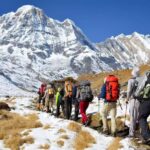
This is a major move day. The hike takes around 6 hours, climbing your elevation and setting you up for the views around Ghorepani and the approach toward Poon Hill.
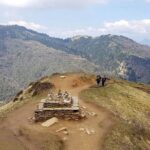
What I like about this portion for most people is that it builds anticipation. You’re not only walking; you’re walking toward the sunrise moment. As you gain altitude, the air tends to feel different, and the vegetation changes, with rhododendron and forest zones becoming more noticeable.
Possible drawback: if you arrive with tight legs from the road day before, this can feel like a solid effort. Going slower than your ego wants to go is the smartest strategy.
Day 6: Ghorepani to Ghandruk (~1,940m) in about 7 hours
This is the day where you get a strong mix of mountain views and village life. The walk is around 7 hours and brings you down to Ghandruk at about 1,940m.
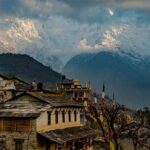
Ghandruk is the kind of place where the trek stops feeling like “just hiking.” You start appreciating how local communities fit into these mountain landscapes. You’ll also get a clearer sense of where the higher viewpoint zones sit relative to the valleys below.
The tradeoff is time. A 7-hour trek day is still a full day. You’ll want to treat breaks as part of the hike, not as an interruption—drink water, eat something, and give your legs a minute to reset.
Day 7: Ghandruk to Nayapul, then back to Pokhara
After about 4 hours of walking, you reach Nayapul and drive back to Pokhara. This is a nice finishing structure: you end with a shorter hike, then you get your comfort back with the drive.
It also gives you a clean psychological close. Most treks blur into exhaustion; here, the last hiking day is shorter and feels like a controlled landing.
Why the sunrise at Poon Hill is the whole reason to do this
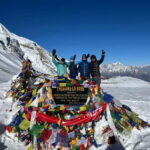
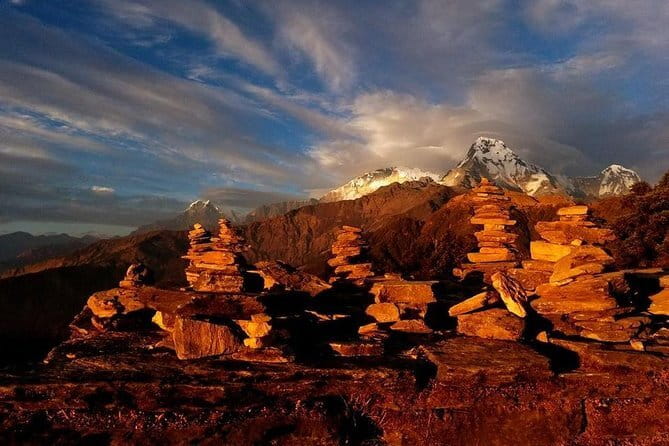
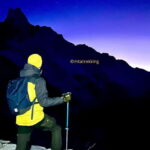
Poon Hill is where the trek earns its reputation. The hill sits at about 3,210m, and the view is especially famous at sunrise. The timing matters because you’re not just seeing mountains—you’re seeing them change from dark silhouettes to detail as light spreads across the ridgelines.
This is the moment where the trek’s lower-elevation logic makes sense. You reach a high-enough viewpoint without a multi-week, high-altitude grind. That means more people can experience the big “I’m really in the Himalaya” feeling.
If you’re deciding whether sunrise hiking is worth it, here’s my practical angle: even if sunrise clouds happen, you’re still gaining a special pre-day rhythm, and your hike timing connects your whole route into one storyline—from forests and villages to that viewpoint payoff.
Just don’t underestimate the early start. Sunrise adventures require a bit of sleep discipline.
What the package support actually changes for you
Tour packages can feel generic, but in this itinerary the included items matter in real ways.
Meals: fewer decisions, more hiking time
You’re covered with breakfast, lunch, and dinner during the trekking days, plus tea/coffee. That means you won’t spend your trail hours playing menu roulette. It also helps you keep energy up for longer walking sections.
Permits: handled so you don’t have to stress
The trek includes the TIMS card and a trekking permit. In Nepal, permits are part of responsible trekking, and having them arranged saves time and uncertainty.
Guide and porter: the quiet difference between a good trip and a frustrating one
A guide is included, along with accommodation and meals for the guide, plus insurance. There’s also a porter system: for every two guests, one Sherpa porter helps carry baggage.
That matters because most trekking discomfort comes from weight and pacing more than from the walking itself. When your pack is lighter, you can maintain a steadier rhythm—especially during the longest walking hours.
Warm layers support if you need them
The package mentions sleeping bag and down-jacket availability if you need them for the trek. If you’re traveling with limited gear, this can save money and reduce packing stress.
Weather and scenery: what changes as you climb
You’ll move through different zones on this route, from subtropical areas up toward alpine conditions. That shift is why the same trek can feel cool and foresty in one part and colder at the viewpoint end.
The provided overview also points to trekking “in the rain and alpine forest zone.” I’d treat that as a hint to plan for damp weather. Bring a rain layer, be ready for moisture, and consider trekking shoes or gear that handle wet ground. The forest days can be especially slippery when rain comes through.
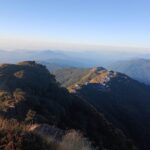
On the flip side, this variety is what makes the trek feel alive. You’ll see rhododendron, silver fir, and pine forest, plus waterfalls and terrace fields. It’s not a single-note hike.
Service and flexibility: when the human side really matters
The reviews you’ll find for this trek consistently highlight service that feels practical and adaptable. People talk about the guide being helpful and the programme being flexible, adjusted to match wishes. That’s not a small detail. It changes how you experience the route if, for example, you want to slow down, adjust pacing, or manage how you feel on certain days.
You’ll also see praise for food quality and accommodation during the trek, plus the mountain views being a major highlight. That aligns with what this itinerary aims to deliver: lodge-based comfort on the trail, good meal support, and the view payoff at the right time.
If you’re the type of traveler who prefers a clear plan but still wants room to breathe, this style tends to fit.
Who should book this trek (and who might want another option)
This trek is a strong match if:
- You want a short Annapurna-region experience with big viewpoint rewards
- You have moderate physical fitness
- You prefer a guided, supported plan where permits and meals are handled
- You’d like cultural stops and a sunrise viewpoint in the same trip
You might want to think twice if:
- You hate early mornings. Sunrise is a core experience here.
- You’re sensitive to long drive days. Even with the option of flying to Pokhara, there’s still a lot of road time in the full schedule.
Should you book Ghorepani Poon Hill with Sunrise Adventure Trek?
If you want the classic Annapurna highlights without committing to a very long, very high trek, this route makes sense. With permits, guide support, meals, and porter help included, you reduce the common “stress tax” that wrecks good hiking holidays. And the sunrise-at-Poon-Hill payoff is the kind of experience people remember for years.
My advice: book this if you’re aiming for a balanced trip—mountain views, village life, and a logistics-light package. You’ll spend your energy on walking and enjoying, not on chasing arrangements.
FAQ
How many days is the Ghorepani Poon Hill trek?
The overall experience is listed as approximately 7 to 12 days. The outline itinerary provided runs through 9 days, starting with Kathmandu activities and then the trek, with a return to Kathmandu at the end.
What is the highest altitude on this trek?
Poon Hill is listed at about 3,210 meters, and Ghorepani is listed at about 2,860 meters.
Where does the trip start, and how do you get to Pokhara?
The meeting point is Pokhara. From Kathmandu, you travel to Pokhara either by tourist bus (about 7 hours) or by flight (about 30 minutes).
Are trekking permits included?
Yes. The trek includes the trekking permit and the TIMS card.
Are meals included during the trekking days?
Yes. During the trekking days, the package includes breakfast, lunch, and dinner, plus tea/coffee. Extra meals in Kathmandu are not included.
Is a guide and porter included?
Yes. A guide is included, and porter support is included as well. For two guests, there is one Sherpa porter to carry baggage.
What is not included in the price?
Not included are your international air ticket, travel insurance, tips, extra meals in Kathmandu, and personal expenses such as bar bills.
Is there free cancellation?
Yes. Free cancellation is available up to 24 hours in advance of the experience’s start time for a full refund.