REVIEW · KATHMANDU
Short Everest Base Camp Trek – 10 Days
Book on Viator →Operated by Breeze Adventure Pvt Ltd · Bookable on Viator
Lukla sets the tone fast. I like how this short format still gives you the full Everest Base Camp dream (5364m/17598ft) plus the Sherpa culture stops along the way. I also like that logistics are handled for you, from the Lukla flights to National Park permit support on the trail. The main drawback is the altitude: with less time than longer itineraries, you’ll need to take acclimatization and pacing seriously.
You’ll move through classic Khumbu villages like Phakding, Namche Bazaar, Tengboche, Dingboche, and Lobuche, then push to the best viewpoints early in the morning. If you’re the kind of traveler who wants big Himalayan payoffs without weeks on the trail, this is a solid fit.
In This Review
- Key Highlights Worth Your Time
- Lukla Landing to Phakding: Where the Trek Really Starts
- Crossing Dudh Kosi to Namche Bazaar and the Permit Checkpoints
- Tengboche Gompa: Everest Views, Lhotse Cameos, and Sherpa Culture
- Dingboche: Potato and Barley Farming at High Altitude
- Lobuche: The High-Altitude Day You Should Respect
- Everest Base Camp Day: Gorakhshep Teahouses and the 5364m Moment
- Kalapathar at ~4am: The Sunrise Climb and the Return to Pheriche
- The Long Trek Back: Namche Through Debuche, Pangboche, and Tengboche
- Last Descent to Lukla: The Hilary Suspension Bridge and Staying Safe
- Kathmandu Flight Day and What to Watch For
- Price and Value: What You’re Actually Paying For
- Who This Trek Fits Best (and Who Should Rethink It)
- Should You Book Short Everest Base Camp for 10 Days?
- FAQ
- What’s included in the trek price?
- Do I need permits for the Everest region?
- What’s the toughest part of the itinerary?
- Where do you sleep during the trek?
- Are flights guaranteed on the last day?
- Can I cancel for a full refund?
Key Highlights Worth Your Time
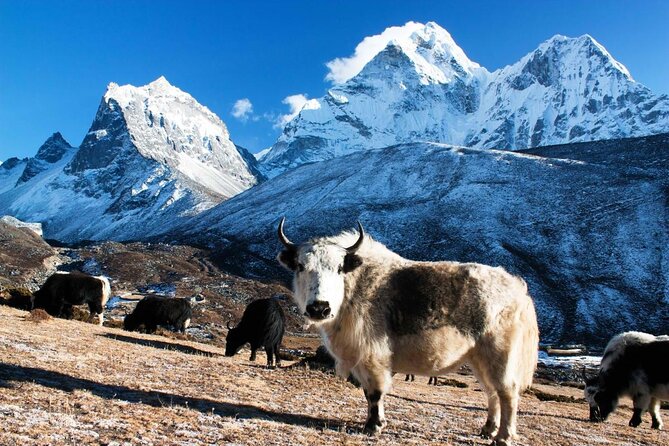
- Scenic Lukla flight: plan for the left-side raw seat for better mountain views during landing
- Permit support included: your guide helps you collect the Sagarmatha National Park trekking permit at checkpoints
- Teahouse nights at altitude: comfortable-enough lodging at Gorakhshep before the base camp day
- Tengboche Gompa day: monasteries, prayer culture, and strong early Everest views
- Kalapathar at ~4am: one of the best chances for a 360-degree Everest massif sunrise moment
- Small group size: a maximum of 15 people keeps the pace and logistics more manageable
Lukla Landing to Phakding: Where the Trek Really Starts
Your trip begins with the domestic flight from Kathmandu to Lukla. The flight is short, but it’s famous for the views and the adrenaline. One practical tip: you’ll be happiest if you can ask for the left raw seat, since the Himalaya scenery tends to line up better from that side during the approach.
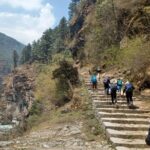
After landing, you start trekking toward Phakding. This first day feels like a gentle on-ramp: the trail descends through stone-paved stairs and shaded paths under rhododendron trees. In spring, those trees bloom, which can turn an otherwise “getting started” day into something pretty and memorable without extra effort.
The main thing to know is that you’ll feel it even if this day isn’t steep. You’re already in the Khumbu zone, and your body is adjusting. Wear grippy boots, take it easy on your first long walk, and treat this day as warming up, not proving anything.
You can also read our reviews of more tours and experiences in Kathmandu.
Crossing Dudh Kosi to Namche Bazaar and the Permit Checkpoints
Day 2 is the classic bridge day. You trek from Phakding toward Namche Bazaar, and you’ll cross the Dudh Kosi river via suspension bridges multiple times. It’s one of those “you look up, you feel the drop, then you laugh and keep going” parts of the trek. If you get nervous around heights, start steady and focus on foot placement—these bridges are manageable, but your mind has to catch up with your legs.
You also get an important practical task done on the trail: collecting your Sagarmatha National Park trekking permit. Your guide helps you at two checkpoints along the route. That matters because in the Everest region, permits and checkpoints aren’t optional paperwork—they’re part of staying legal and avoiding delays later.
You’ll pass small villages like Tok-Tok, Monjo, and Jorsale. Jorsale is a common stopping point for trekkers, which means the vibe is social and practical: you can regroup, check your pack, and keep your pace realistic for the longer day ahead.
By the time you reach Namche Bazaar, you’re still moving like a trekking group, but you’re also entering the main hub. This is where the trail starts feeling like a route people plan their whole year around.
Tengboche Gompa: Everest Views, Lhotse Cameos, and Sherpa Culture
The day toward Tengboche is where the scenery begins to hit harder. After breakfast in Namche, you start walking and get early eye candy, including views of Thamserku in the distance. Along the way, you’ll see stupas and donation moments that reflect local faith and visitor etiquette—keep small bills handy if you plan to contribute, and don’t rush through prayer areas.
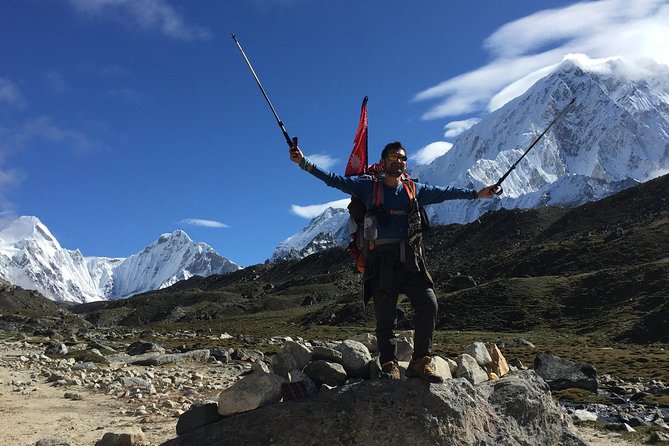
Then the Everest comes into view—first glimpse style. You’ll start noticing Everest alongside other giants like Lhotse and Ama Dablam, and it’s the kind of moment that changes how you walk. Instead of just counting steps, you start thinking about angles, clouds, and where to stand for photos without blocking others.
The route drops toward a river and involves crossing it on a suspension bridge. The pattern you’ll keep noticing in the Everest region is a steady rhythm of descents followed by ascents. Even when the day doesn’t look “mountainous,” your legs still do work.
Before you reach Tengboche, there’s a permit checkpoint just before the ascent. That’s not just bureaucracy; it’s a reminder to move with a smooth, prepared system—your guide manages this so you can focus on the trail and not the paperwork.
Tengboche Gompa is a highlight for many people because it’s both beautiful and culturally central. You get a monastery setting, a chance to slow down, and a different kind of altitude experience than simply climbing: you’re sitting inside a world shaped by Buddhism, mountain winds, and the day-to-day life of Sherpa communities.
Dingboche: Potato and Barley Farming at High Altitude
From Tengboche, you head onward toward Dingboche. The trail descends to Pangboche, then levels off. This stretch is useful because it gives your body a break after the day’s earlier ups and downs.
Along the way, you pass smaller villages like Somare and Orsho. It’s a quieter stage than Namche, and you’ll have more chances to observe the daily rhythms of the Khumbu region—people working, herding, cooking, and living life at altitude.
Lunch is planned around Somare. Then you move toward Dingboche by way of the Lobuche river crossing. Dingboche itself stands out because you’re not just walking through “mountain scenery.” You’re arriving in a village with cultivation—potatoes and barley are referenced in the route plan—so the place feels real, not just postcard.
This day is a good reminder that Everest trips are about more than reaching a summit number. You’re walking through communities that have built systems to survive the cold, the distance, and the long winter.
Lobuche: The High-Altitude Day You Should Respect
Day 5 has more altitude pressure. You trek from Dingboche toward Lobuche via an uphill trail that meets a ridge, with big mountain views close up. The ridge is one of those places where the effort is quickly rewarded: your attention snaps to Tawache and Cholatse, because the scale at this altitude is hard to describe until you’re there.
You should treat this day as a “slow is smart” lesson. You’re above 4000 meters now, and the plan explicitly encourages careful walking, slow steps, and plenty of water. It also warns to get down to lower altitudes as soon as possible if you notice signs of altitude sickness. In other words, the itinerary assumes altitude is real, not theoretical.
The route moves through yak pastures in Thukla (4620 meters) before climbing steeply toward the terminal moraine of the Khumbu glacier. From there, the hike continues to Lobuche. That glacier moraine section can feel mentally long because the terrain underfoot can be uneven and the air can feel thinner than your lungs want.
This is also the day you’ll be glad you packed practical layers. Cold doesn’t always hit the same way at different elevations, and you may need to adjust often as clouds and sun change.
If you tend to “push through” discomfort, this is where you should resist. A smart pace buys you a better base camp day.
Everest Base Camp Day: Gorakhshep Teahouses and the 5364m Moment
Day 6 is the payoff day. You start from Lobuche toward Gorakhshep, and the plan notes that the early trekking is easier at first. You’ll walk slowly and keep attention on footing, because even easier sections at altitude still feel like work.
At Gorakhshep, you stay overnight in teahouses. This is important for how you experience base camp. Sleeping near the trailhead gives you the energy and timing to reach the site without sprinting from the previous village.
After checking in, you’ll have lunch and then leave your bags as you begin trekking toward Everest Base Camp. This approach is practical: you don’t spend precious energy hauling everything, and you can enjoy the moment more instead of thinking about logistics.
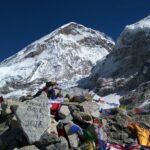
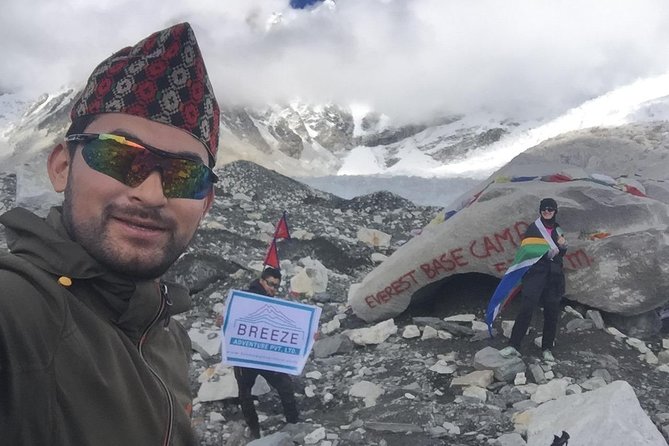
Then comes the big moment: Everest Base Camp at 5364 meters (17598 feet). It’s described as a dream destination, and that’s exactly how it tends to feel in this region. Base camp isn’t a summit, but it has a charged atmosphere: climbers from around the world prep for their ascent, and you’ll see that mix of ambition and discipline.
A note on expectations: you’re not “done” just because you got there. Your whole day still has to end safely, and weather can shift quickly. Treat it like a full day at altitude, not a photo stop.
Kalapathar at ~4am: The Sunrise Climb and the Return to Pheriche
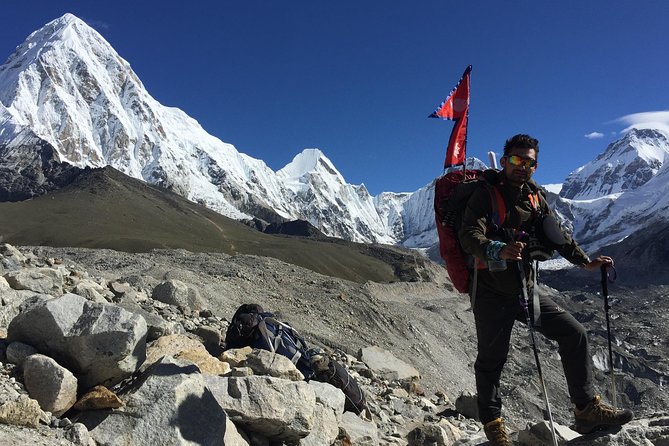
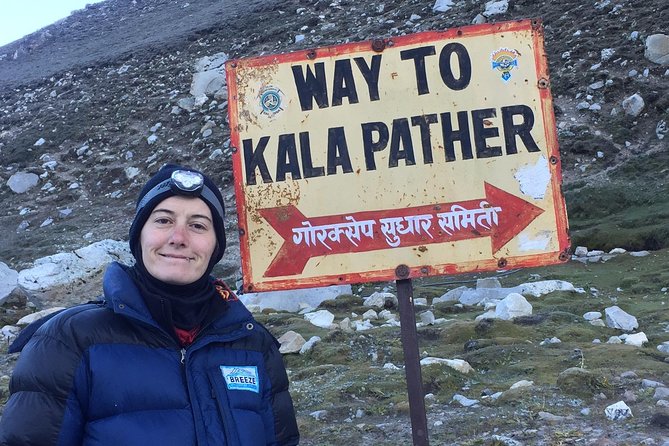
Day 7 starts extremely early—nearly 4am for the Kalapathar push. Kalapathar is treated as the best viewpoint of Mt. Everest, and the route plan emphasizes a 360-degree view of the Everest massif. This is one of those hikes where you’re rewarded less for speed and more for timing and patience.
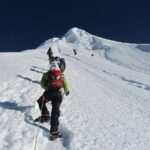
The trail is described as difficult, with an uphill climb on icy ground. That means you should bring trekking poles if you use them, and you should be honest about your comfort on slick surfaces. This is not the day to sprint up to stay warm; consistent steps keep you safer.
Then you wait for sunrise—or at least you hike so you’re in position for it. The sunrise from Kalapathar is described as the best one, and it’s exactly the type of experience that makes the early start worth it.
After you spend time taking photos and enjoying the view, you trek back to Gorakhshep and then descend to Pheriche. Pheriche is a calmer, beautiful village with rocky hills around it and teahouses/guest houses. This is your landing zone after the most demanding viewpoint day.
The Long Trek Back: Namche Through Debuche, Pangboche, and Tengboche
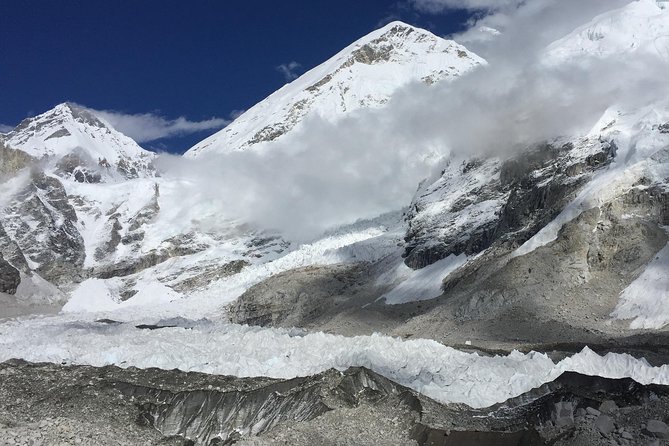
Day 8 is a long one because it’s a return day that still includes multiple village transitions. You start in Pheriche, then hike toward Debuche. Debuche is a small settlement with teahouses, which makes it a natural rhythm stop.
From Debuche, you continue to Pangboche. Many people stop for lunch here, and the plan keeps the pacing realistic by using these village breaks to reset your legs. After lunch, you keep walking, including an uphill climb to Tengboche.
Tengboche again matters because it connects you back to the monastery setting you saw earlier. After that, the trail takes a continuous downhill and crosses a river, then includes another ascent. Eventually, you reach Namche.
This day can feel like a test of patience because it’s not just one big climb—it’s the cumulative fatigue of many smaller efforts. The upside is that your altitude is dropping, so the air becomes easier to breathe as you go.
Last Descent to Lukla: The Hilary Suspension Bridge and Staying Safe
Day 9 brings you back toward Lukla from Namche. Even though the plan calls it a long day, it says the walk is easy compared to the earlier stages. Still, ease doesn’t mean risk-free.
A very practical safety note is given: don’t hurry and don’t run on the way back. Accidents happen during descent, and the plan even mentions trekkers running on the route. If your adrenaline spikes, channel it into controlled steps, not speed.
You’ll descend after crossing the famous Hilary suspension bridge. Then you hike gradually with other trekkers on the trail. Lunch is on the way back at Tok-Tok.
Finally, you reach Lukla. This is when the trek starts to feel like travel again: you can buy small gifts, pop into bakeries and shops, and do some basic relaxing before the final flight back to Kathmandu. It’s a nice psychological finish line.
Kathmandu Flight Day and What to Watch For
Day 10 is the last day on the trek: a flight back to Kathmandu if the weather is good. If weather is bad, there can be delays. That’s not a scary detail—it’s a timing reality in mountain regions, and you’ll feel better if you don’t plan tight connections right after.
Once you’re back, it’s the kind of trip where you’ll likely remember specific spots more than the clock. Lukla’s landing, Namche’s hub energy, Tengboche’s monastery atmosphere, then the hard work days around Lobuche and the early climb to Kalapathar.
Price and Value: What You’re Actually Paying For
This tour costs $1,680 per person for about 10 days, based in Kathmandu. For an Everest Base Camp trek at this time scale, the best value is in what’s handled for you.
You’re paying for:
- Flights to and from Lukla included, which is a big chunk of cost on its own
- Government-authorized guides and help with the permit process
- Equipment support like sleeping bag and warm layers, which can save you money and packing stress if you don’t already own proper gear
- Meals (breakfast and lunch/dinner counts are included in the package)
- First aid support via a first aid kit and built-in village entry fees
On the flip side, there are costs you should budget for even if you don’t like adding extras. The plan notes shower and electronic charging fees during the trek aren’t included at guest houses. Alcohol and many hot drinks are also not included, and tips for guide and porter are not part of the package.
So the value question isn’t just the $1,680. It’s whether you want someone else to manage the permit steps, transport rhythm, and gear basics. If that sounds good to you, the price lands in a sensible place for a “short” EBC attempt.
Who This Trek Fits Best (and Who Should Rethink It)
This is a good match if you:
- Have moderate physical fitness and can walk several hours a day
- Want the Everest Base Camp experience without committing to several weeks
- Like a mix of scenery and culture, including monasteries and Sherpa-influenced daily life
- Prefer a small group (max 15) for a less chaotic feel
You might rethink it if you:
- Know you get altitude symptoms easily
- Hate early mornings, especially the nearly 4am Kalapathar start
- Are prone to pushing pace when tired (the itinerary repeatedly suggests slow, safe walking)
In terms of team energy, the program is associated with friendly and well-organized hosting. Past trip acknowledgements in this program name people like Kishwor as a host and Sarki, Ngwang, and Pemba in guide/porter roles, which is a good sign that the team takes care of the details and the group’s morale.
Should You Book Short Everest Base Camp for 10 Days?
Yes, if you want a compact Everest experience with real milestones: Namche Bazaar, Tengboche Gompa, Dingboche, Lobuche, Everest Base Camp, and the early viewpoint at Kalapathar. The itinerary is built around the idea that you can do a lot in 10 days, but you still have enough structure to keep you safe and organized.
Just don’t treat it like a casual hike. The plan is clear about altitude caution and careful walking. If you respect that—pace yourself, listen to your body, and stay flexible with weather on flight day—this trek can be one of the most satisfying “bucket list” trips you do, without turning your life into a two-month project.
FAQ
What’s included in the trek price?
The package includes transportation for the trek including flights to and from Lukla, government-authorized experienced guides, trekking equipment such as a sleeping bag and warm layers, a first aid kit, service charge and government taxes, local village entry fees, and meals (breakfast, lunch, and dinner counts are included).
Do I need permits for the Everest region?
Yes. The trek requires a Sagarmatha National Park trekking permit, and your guide helps you collect it at checkpoints along the route.
What’s the toughest part of the itinerary?
The hardest segments are typically the higher-altitude walking days and the early Kalapathar climb. The plan specifically notes Kalapathar is an uphill climb on an icy trail and starts around 4am.
Where do you sleep during the trek?
You stay overnight in teahouses during the trek. The plan specifically mentions teahouses at Gorakhshep on the way to Everest Base Camp.
Are flights guaranteed on the last day?
The plan notes you fly back to Kathmandu via a scheduled flight if weather is good. If weather is bad, delays can happen.
Can I cancel for a full refund?
Yes. Free cancellation is available up to 24 hours in advance for a full refund. If you cancel less than 24 hours before the experience starts, you won’t receive a refund.