REVIEW · MERZOUGA
Marrakech: 3-Day Desert Tour to Merzouga Dunes & Camel Trek
Book on GetYourGuide →Operated by Amanzal Transport · Bookable on GetYourGuide
A long road, then real silence. This 3-day Marrakech to Merzouga tour strings together the big hits—UNESCO Ait Ben Haddou and Erg Chebbi camel trekking—with sharp variety in scenery. I also like the built-in rhythm: morning starts, set sightseeing stops, and then you actually sleep in a Berber desert camp. One drawback to plan for: the drive days are long, and in colder months at least one accommodation didn’t have reliable heating.
What makes this trip work is the mix of famous places and “in-between” moments. You crest the High Atlas via Tizi n’Tichka, pass the Rose valley and Kasbah Road, then shift from cliffs to palms at Tinghir/Todgha before dropping into the dunes. A good driver really matters here, and on this trip Akil (sometimes written as Aquid) comes up repeatedly as attentive and flexible, even helping groups add a quick stop such as Atlas Studios when timing allowed.
If you want a fully smooth, hotel-only comfort level, you might feel shortchanged by some on-the-ground details. A desert night can mean basic bedding and food that isn’t always memorable—worth knowing so you can pack smart and set expectations.
In This Review
- Key Points I’d Prioritize Before You Go
- Marrakech to Merzouga: Why This Route Feels Worth the Ride
- Day 1: High Atlas Pass, Ait Ben Haddou, Rose Valley, and Dades Gorges
- Ait Ben Haddou: more than a film set
- Ouarzazat and the Road of Kasbahs
- Arriving at Dades/Tinghir for the night
- Day 2: Todgha Gorge, Erfoud Fossils, Rissani, and Erg Chebbi
- Todgha Gorge and the green pause
- Erfoud and Rissani: the pre-sand towns
- Desert camp in Merzouga: khimas, water, and stars
- Erg Chebbi at Sunrise: The Camel Moment That Changes the Whole Trip
- Sunset camel ride
- Sunrise camel ride back
- Ait Ben Haddou Without a Guide: When You’ll Want One (and When You Won’t)
- Comfort and Reality Check: Beds, Heat, and Desert Camp Food
- Cold can be real
- Desert beds aren’t luxury
- Food and entertainment: mixed feelings
- Price and Value: What $353 Covers—and What It Doesn’t
- Who This Tour Suits Best (and Who Should Skip It)
- Should You Book This Marrakech to Merzouga Desert Tour?
- FAQ
- What’s the duration of the Marrakech to Merzouga tour?
- What price should I expect to pay?
- What’s included in terms of meals and lodging?
- Are camel rides included, and when do they happen?
- What kind of desert camp do you stay in?
- Where does the trip start and how is pickup handled?
- Is lunch included?
- Is a local guide included for Ait Ben Haddou?
- What accommodation is the tour not suitable for?
Key Points I’d Prioritize Before You Go
- Tizi n’Tichka High Atlas pass: a scenic opener that makes the long drive feel like part of the adventure.
- Ait Ben Haddou UNESCO kasbah: a must-see film-still fortress with a strong sense of place.
- Todgha Gorge + Tinghir oasis: a break from arid sand before the desert takes over.
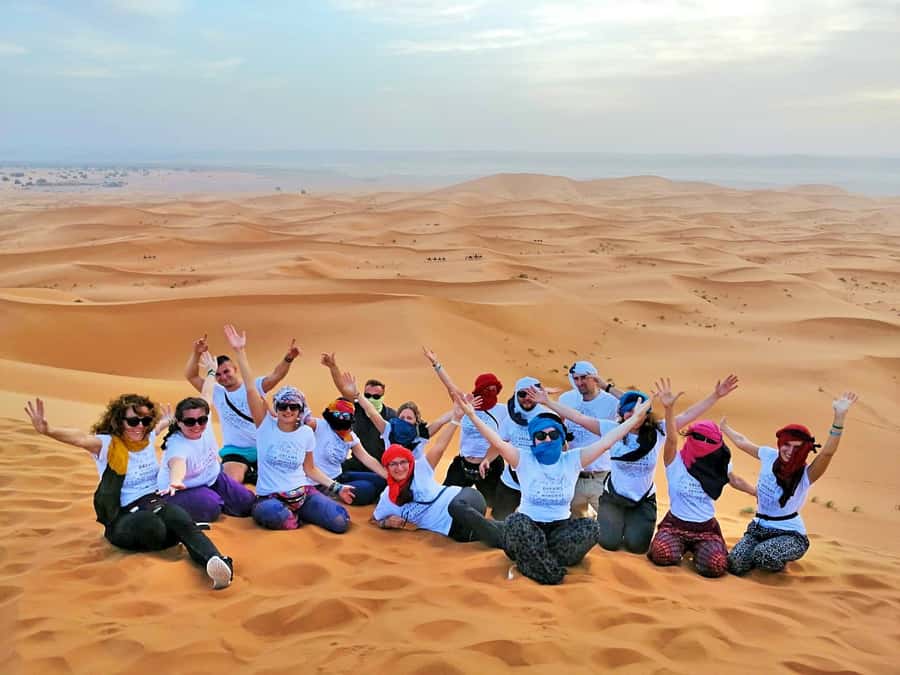
- Erg Chebbi at sunrise and sunset: two camel moments that are the heart of the itinerary.
- Desert camp khimas: you sleep in the Berber style, with flush water and toilet, but expect rustic comfort.
- Driver personality matters (Akil): multiple groups highlight him as helpful, calm, and accommodating.
Marrakech to Merzouga: Why This Route Feels Worth the Ride
This tour is built around a simple idea: don’t just “get to the desert.” You earn it in stages. Day 1 takes you from Marrakech through the High Atlas and into the Dades area. Day 2 turns the route greener at the Todgha/Tinghir side, then pushes you into Erfoud, Rissani, and the dunes. Day 3 gives you the desert’s best lighting twice—sunrise and sunset energy—then sends you back through Agdez and the Atlas again.
That’s the value: you’re not staring out the window the whole time. You get actual stops that feel like different parts of Morocco, not just drive-time between photos.
You can also read our reviews of more tours and experiences in Merzouga.
Day 1: High Atlas Pass, Ait Ben Haddou, Rose Valley, and Dades Gorges
Pick-up starts early—7:00 AM from your hotel or riad. You’ll be in an air-conditioned minibus, which matters when you’re doing hours of mountain roads. The first big visual payoff is the crossing of the High Atlas Mountains via Tizi n’Tichka. Even if you’ve seen photos of Morocco’s Atlas before, this stretch tends to hit harder in person because the road climbs, the views widen, and you can feel the scale.
Ait Ben Haddou: more than a film set
Your first major stop is Kasbah Ait Ben Haddou, a fortress-type settlement from the 16th century and a UNESCO-classified site. The tour timing is built for you to see it as a place, not a blur. It’s also known as a location where big movies were filmed, so you’ll likely recognize parts of the setting as you walk the walls and look across the kasbah’s rooftops.
One practical note: a local guide inside Ait Ben Haddou isn’t included. If you care about how the place works—who lived here, how the architecture held up, and what you’re actually looking at—this is the kind of stop where an extra guide can make your visit much more meaningful. If you don’t, you’ll still enjoy the visuals; you just won’t get as much story.
Ouarzazat and the Road of Kasbahs
After Ait Ben Haddou you continue toward Ouarzazat, often called the Hollywood of Morocco, for lunch at a local restaurant (lunch isn’t included). Then comes the slow-scenery portion: Rose valley and the Road of the Kasbahs as you pass Berber villages.
This is the part of the itinerary that makes the day feel real. You’re not only visiting monuments; you’re watching how communities sit along the road and how the terrain changes as you move toward Dades.
Arriving at Dades/Tinghir for the night
Around 5:00 PM, you reach the Dades Gorges area and spend the night in a hotel in the Tinghir region (the tour includes accommodation in Tinghir). One review specifically mentioned Hotel Bia Besta, which gives you an idea of the type of lodging level you may see.
My practical advice for Day 1: pack a layer. Mountain nights can turn chilly fast, and one group reported the hotel’s heating didn’t work during their stay. Even if it’s not winter for you, bring something warm for evenings.
Day 2: Todgha Gorge, Erfoud Fossils, Rissani, and Erg Chebbi
Breakfast comes first, then you head toward the Todgha Valley and Tinghir. The day’s pacing makes sense: you start in the mountains/cliffs zone, you see one of Morocco’s most striking gorges, and then you move toward desert towns before your camp.
Todgha Gorge and the green pause
Todgha Gorge is the star on this half. The gorges are dramatic, and the area around Tinghir oasis adds contrast—less dry, more life—so it feels like a transition point between the stone world and the sand world.
Erfoud and Rissani: the pre-sand towns
As you drive, you pass Erfoud, known for fossilized marble. Then comes Rissani, and after that you’re in the zone where the Erg Chebbi dunes start to appear.
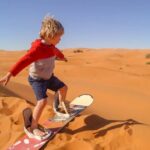
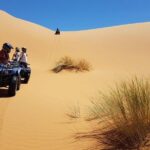
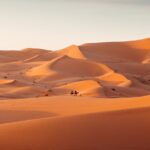
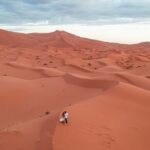
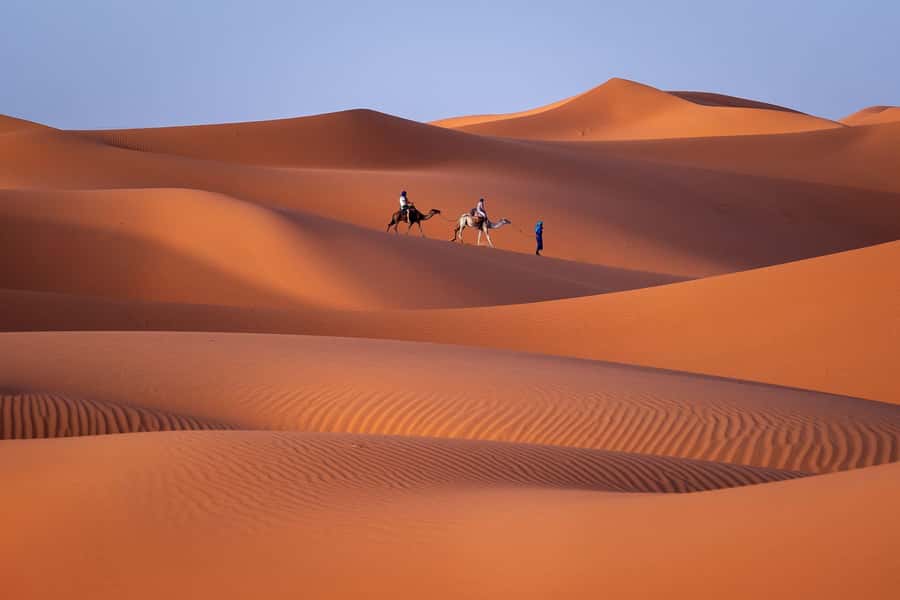
The dunes here are the reason this tour exists. The tour includes a chance to explore the area—by camel or quad. A key detail from real-world experience: there can be extra charges if you choose quad, so it’s smart to confirm pricing on the spot rather than assuming it’s included.
Desert camp in Merzouga: khimas, water, and stars
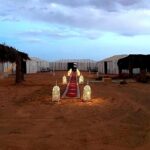
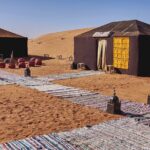
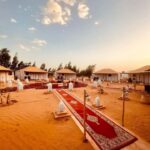
You’ll join a furnished desert camp with traditional khimas (Berber tents). The tour includes that the camp has flush water and a toilet, which is a big comfort upgrade compared to older-style “nothing but sand” bivouacs.
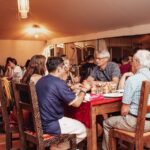
Dinner happens at camp, and after that you get the chance to see the starry sky with entertainment described as drums. In practice, this can feel a bit staged depending on your mood. My suggestion: treat it like a cultural moment, watch for a bit, and then step outside and enjoy the night air—because the stars are often the real show.
Erg Chebbi at Sunrise: The Camel Moment That Changes the Whole Trip
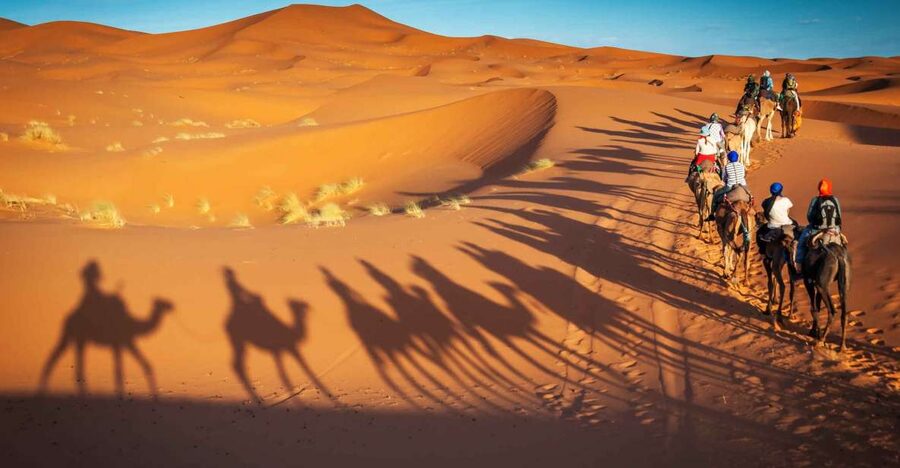
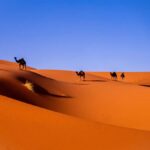
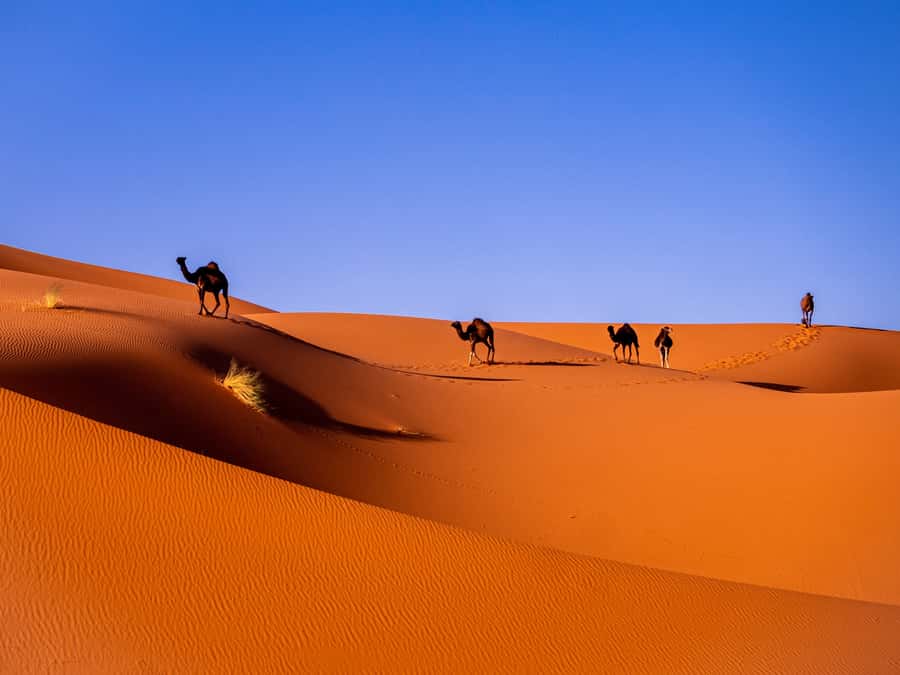
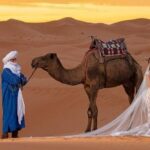
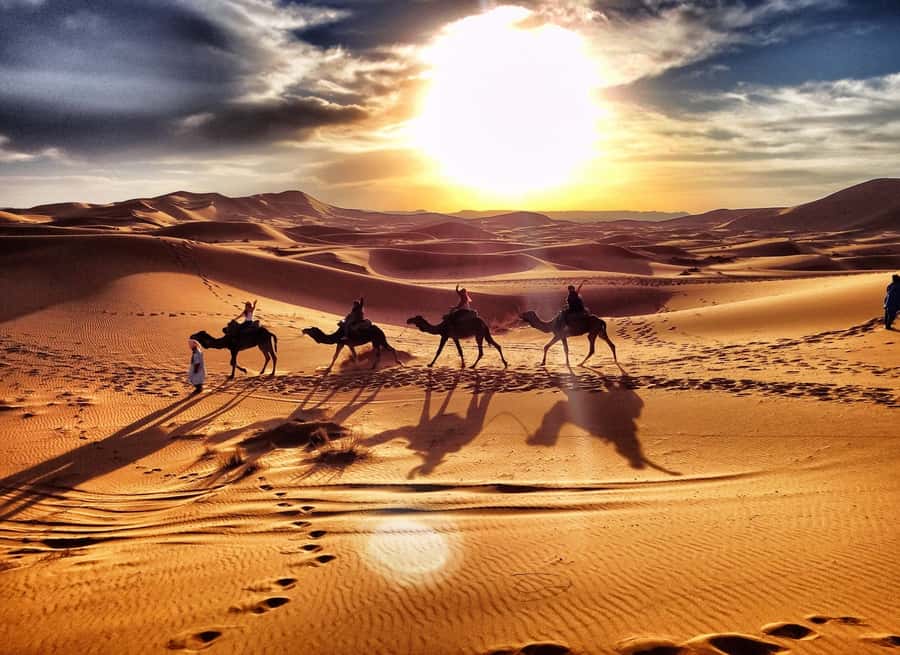
The tour gives you two camel rides: one for sunset and one for sunrise. That’s not a random add-on. It’s the whole desert logic.
Sunset camel ride
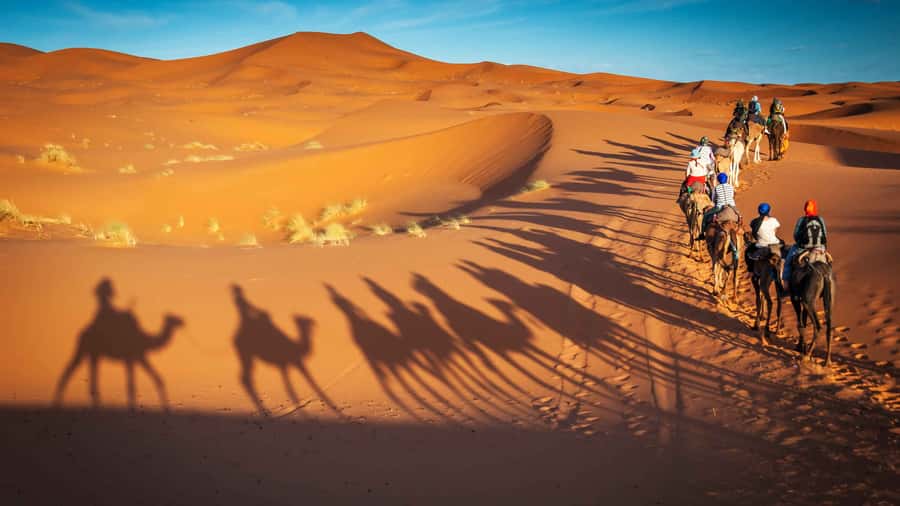
The evening ride toward camp is usually where you start to understand the dunes’ scale. You’re walking up and over soft sand, and the light is low enough to make shadows stretch. You’ll arrive with that head-turning feeling of being far from roads and crowds.
Sunrise camel ride back
Day 3 begins early for sunrise viewing, followed by a traditional breakfast in the bivouac. After that, you ride camels back to Merzouga and reconnect with the driver for the return trip.
If you only do one camel ride on a different tour, you’ll miss half the story. Here, you get both: warm dusk and cool dawn. That’s a major part of why the trip gets such strong reactions.
Ait Ben Haddou Without a Guide: When You’ll Want One (and When You Won’t)
Since a local guide at Ait Ben Haddou isn’t included, you have two paths.
- If you like architecture, village history, or how kasbahs survive over centuries, consider arranging a guide at the site. Even a short one can help you read what you’re seeing.
- If you mainly want the visuals—the fortress shape, the views, and the cinematic feel—you’ll still have plenty to enjoy. Just don’t expect deep context to be automatic.
Either way, give yourself time to walk slowly. This is one of those places where the details matter: wall textures, entry angles, and how the kasbah sits against the surrounding hills.
Comfort and Reality Check: Beds, Heat, and Desert Camp Food
Let’s talk about the stuff that can make or break your mood.
Cold can be real
One review mentioned that the first overnight accommodation had issues with heating. That doesn’t mean it happens on every trip, but it does mean you should plan for cool evenings—especially if you’re traveling in colder months. Bring a warm layer for sleep.
Desert beds aren’t luxury
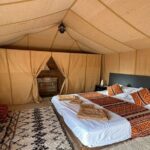
Another point that came up: the desert camp bedding was described as extremely uncomfortable and a bit dirty. That’s not guaranteed everywhere, but it’s enough to change how you pack. If you’re picky about sleep comfort, consider bringing a small sleeping liner and warm socks.
Food and entertainment: mixed feelings
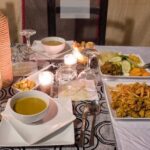
Dinner and breakfast are included, but one review described the food as bland and in smaller portions than expected. The entertainment with drums was also described as forced and not very welcoming by that group. Translation: show up with a flexible attitude. If you get hungry between meals, pack a few snacks, since lunches and drinks aren’t included.
Price and Value: What $353 Covers—and What It Doesn’t
At $353 per person for 3 days, this is priced like a “transport + stays + desert centerpiece” tour. And mostly, the package makes sense.
Included elements that add up:
- Hotel night in the Tinghir area
- Desert camp night in Merzouga with traditional tents
- Camel rides tied to sunrise and sunset
- 2 dinners and 2 breakfasts
- Air-conditioned minibus transport
- Admissions for the High Atlas, Dades, and Todgha
- Pickup and drop-off from your hotel/riad
- English/French driver
Not included:
- Lunches and drinks
- A local guide at Ait Ben Haddou
So where’s the “value” really coming from? From not having to stitch together rides across multiple regions and not having to plan the desert night yourself. You pay to have someone do the hard parts—driving, timing, and getting you to the right spots at the right light.
The main cost risk isn’t the advertised price. It’s the optional extras that might show up once you’re there, like quad pricing if you swap plans. If you care about quad, ask early and get the final number before agreeing.
Who This Tour Suits Best (and Who Should Skip It)
This is a great fit if you:
- Want the desert experience with a camel trek and a camp night, not just a quick photo stop
- Like road-trip variety: Atlas mountains, kasbah walls, gorges, oases, then sand dunes
- Prefer having an itinerary that does the planning for you
It’s less ideal if you:
- Need consistent warm bedding and hotel-level comfort every night
- Don’t like long travel days (Day 1 and Day 3 involve substantial driving)
- Expect optional activities (like quad) to be priced the same way as camels unless you confirm first
Also, it’s not suitable for wheelchair users, based on the tour’s limitations.
Should You Book This Marrakech to Merzouga Desert Tour?
I’d book it if your priority is the classic Morocco route: Atlas + kasbah + gorge + dunes, with sunrise and sunset camel rides and an overnight camp in the Merzouga area. The itinerary is strong, and when the driver is good (and Akil is repeatedly highlighted as helpful), the long days feel more manageable.
I would hesitate if you’re very sensitive to comfort details. Some stays can be cold. Some beds can be rough. Food can be hit-or-miss. If you’re the type who needs reliable heating and a comfy mattress, you’ll want to pack warm and plan for basic rustic conditions.
If you want the desert, but you want to feel prepared, this tour can deliver. Just go in with the right expectations—and bring layers.
FAQ
What’s the duration of the Marrakech to Merzouga tour?
The tour lasts 3 days.
What price should I expect to pay?
The price listed is $353 per person.
What’s included in terms of meals and lodging?
You get 2 breakfasts, 2 dinners, 1 hotel accommodation in the Tinghir area, and 1 desert camp accommodation in Merzouga.
Are camel rides included, and when do they happen?
Yes. Camel rides are included for both sunset and sunrise in the Merzouga area.
What kind of desert camp do you stay in?
You stay in traditional Berber tents (khimas). The camp is described as having flush water and a toilet.
Where does the trip start and how is pickup handled?
Pickup is included from your hotel or riad, and you should be ready about 10 minutes before the scheduled pickup time (listed as 7:00 AM in the itinerary).
Is lunch included?
No. Lunches and drinks are not included.
Is a local guide included for Ait Ben Haddou?
No. A local guide in Ait Ben Haddou Kasbah isn’t included.
What accommodation is the tour not suitable for?
The tour states it is not suitable for wheelchair users.