REVIEW · MERZOUGA
Merzouga: Overnight Camel Trek with Sandboarding
Book on GetYourGuide →Operated by MOROCCO TRIP · Bookable on GetYourGuide
A night in the Sahara can change your pace fast. This Merzouga overnight camel trek takes you from Ksar Tanamouste into the Erg Chebbi dunes for sunset, dinner in a private tent camp, and a sunrise you’ll want to see without rushing. I particularly like that it’s built around the full desert rhythm: golden light, quiet camp hours, then an early morning return.
Two things I’d put near the top: the chance to watch the dunes turn color at sunset and sunrise, and the camp evening with Berber drumming/music plus a sky full of stars. One drawback to keep in mind: quality can vary a bit—some people reported long waits, tents not matching photos, or noise from a nearby camp.
If you go in with the right expectations—simple desert comfort, optional thrill with sandboarding, and a schedule that can start early—you’ll get a memorable Morocco desert night for the money.
In This Review
- Key takeaways before you go
- Where Merzouga Fits on a Morocco Trip
- Price and Value: Is $73 Actually a Good Deal?
- Meeting Point Reality: Finding Hassan (Zit) in Ksar Tanamouste
- Camel Trek Through Erg Chebbi: The Part You’re Really Paying For
- Sunset, Then Camp: What the Desert Evening Feels Like
- Sleeping in a Desert Tent: Comfort vs Cold vs Camp Tier
- Sandboarding: Fun Extra, Don’t Oversell the Thrill
- Food, Tea, and Berber Music: Small Details That Make It Feel Real
- Sunrise and the Return to Ksar Tanamouste
- Guide Quality: What I’d Ask Before You Start
- Best Fit: Who This Overnight Trek Works For
- Should You Book This Merzouga Overnight Camel Trek?
- FAQ
- How long is the Merzouga overnight camel trek?
- Where do I meet the guide?
- Is pickup included?
- What’s included in the price?
- Is sandboarding guaranteed?
- What meals are covered, and what’s not?
- What languages are available for the tour guide?
- Do I need to bring anything?
- What’s the cancellation policy?
Key takeaways before you go
- Erg Chebbi dunes with camel time in both directions: you’re not just riding one short stretch.
- Camp options (standard, royal, luxury): the upgrade you choose can affect comfort and setup.
- Sunset + sunrise are the main event: plan for early starts and cold morning air.
- Sandboarding is optional and may be brief: it can be fun, but don’t expect a full adrenaline session every time.
- Camp entertainment is usually Berber music: it’s part cultural, part atmosphere, part family-style evening.
Where Merzouga Fits on a Morocco Trip
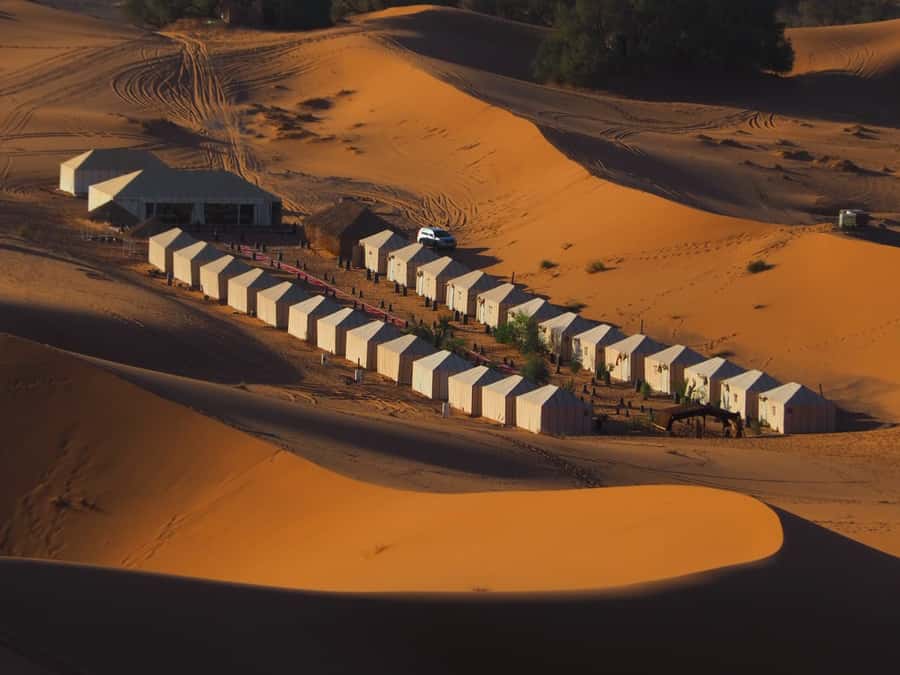
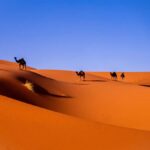
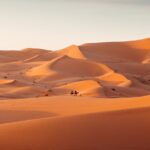
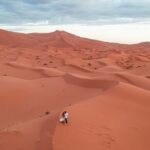
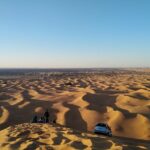
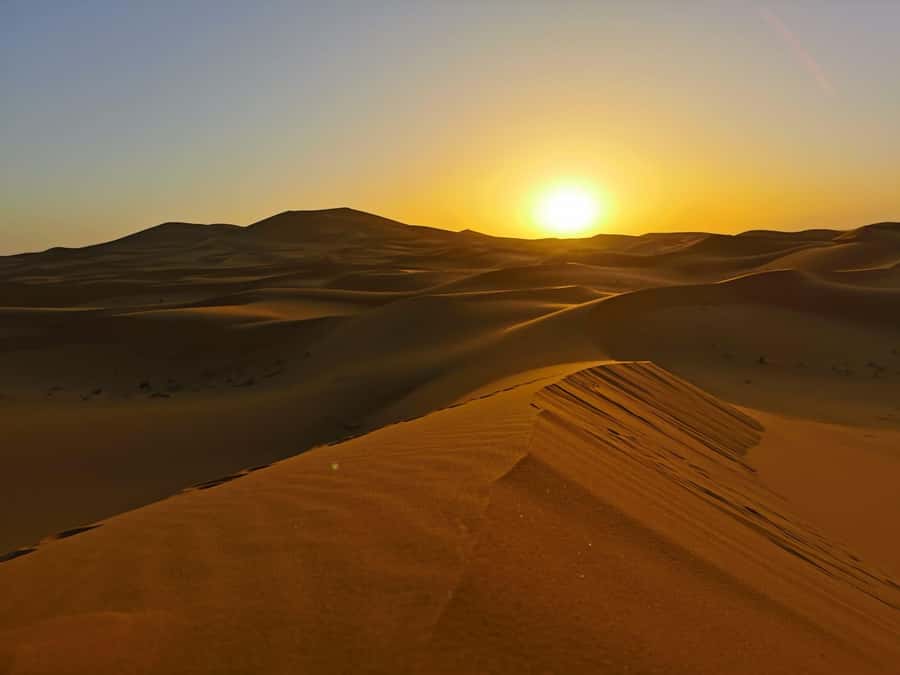
Merzouga sits in Morocco’s Drâa-Tafilalet region, right by the famous Erg Chebbi dunes. These dunes are the reason people do the overnight: you get that classic Sahara look—waves of sand, big horizon lines, and light that turns dramatic as the sun drops.
This particular experience is designed to keep your time in the desert focused. Instead of spending hours commuting, you’re set up for an overnight with a true sequence: meet up in Ksar Tanamouste, ride out for sunset, sleep in a desert camp, then ride back for sunrise and morning breakfast.
If you’re short on time but want the “sleep in the Sahara” story, this one-day format is the practical choice. You’ll just need to accept that it’s a packed day by desert standards—around 16 hours from start to finish.
You can also read our reviews of more tours and experiences in Merzouga.
Price and Value: Is $73 Actually a Good Deal?
At $73 per person for a one-day overnight, the value comes from what’s included, not from what’s optional. You get:
- Camel ride (1 per person)
- Overnight in a private tent
- Dinner and breakfast
- Moroccan mint tea and bottle of water
- Experienced local guides
- Sandboarding in the dunes (optional)
- Practical extras like luggage storage and shower facilities, plus free parking
That’s a lot bundled in for the price, especially in a place where a camel trek, dinner, and camp sleeping arrangements are usually separate costs. The main thing you’ll likely add is lunch (not included).
My advice: if you can choose a camp tier (standard vs royal vs luxury), treat that as part of your budget. A slightly higher camp choice can be worth it if you care about comfort, while a basic choice still works if you’re mainly here for the dunes, photos, and stargazing.
Meeting Point Reality: Finding Hassan (Zit) in Ksar Tanamouste
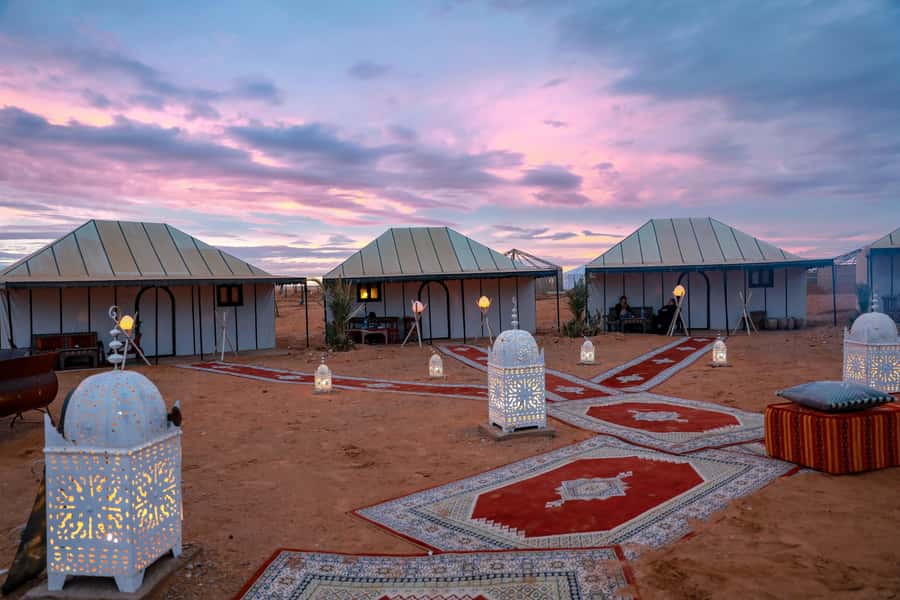
Your start is Ksar Tanamouste. You’ll head to the hotel reception area and look for Hassan (Zit). The process is straightforward on paper: have your voucher ready, wait a bit at the hotel, then travel to the camel park by the hotel’s Jeep.
Two practical notes based on real-world experience people described:
- The meeting point can be hard to spot if there’s no clear signage where you expect it. Bring patience, and give yourself time to confirm you’re in the right place.
- In some cases, the waiting time before departure can feel long, especially if you arrive early.
Once you’re in the Jeep ride to the camel park, your camel guide and your trek start. If you’re the type who likes structure, ask one question right away: what the timing looks like for sunset, dinner, and the morning return.
Camel Trek Through Erg Chebbi: The Part You’re Really Paying For
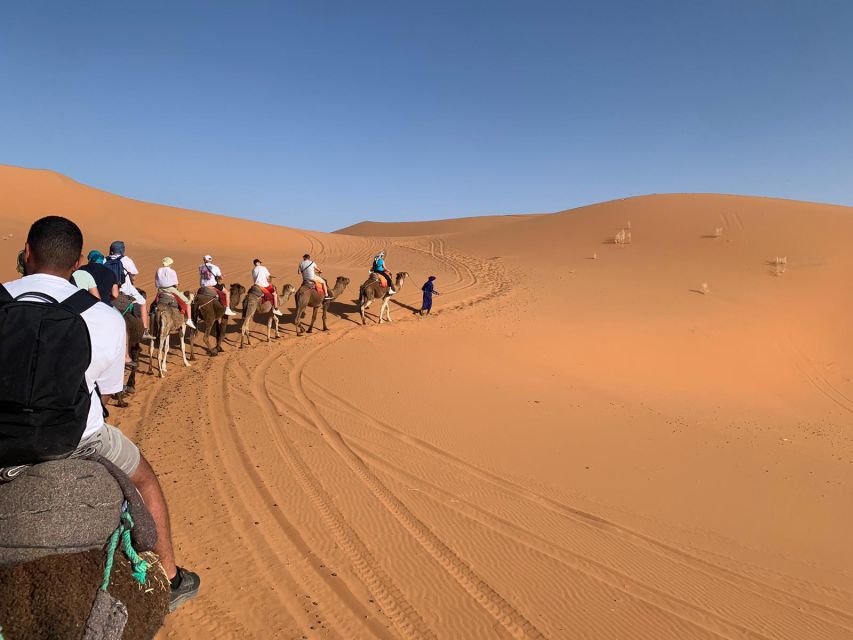
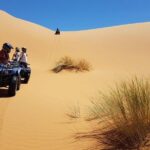
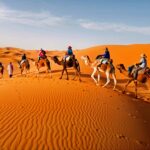
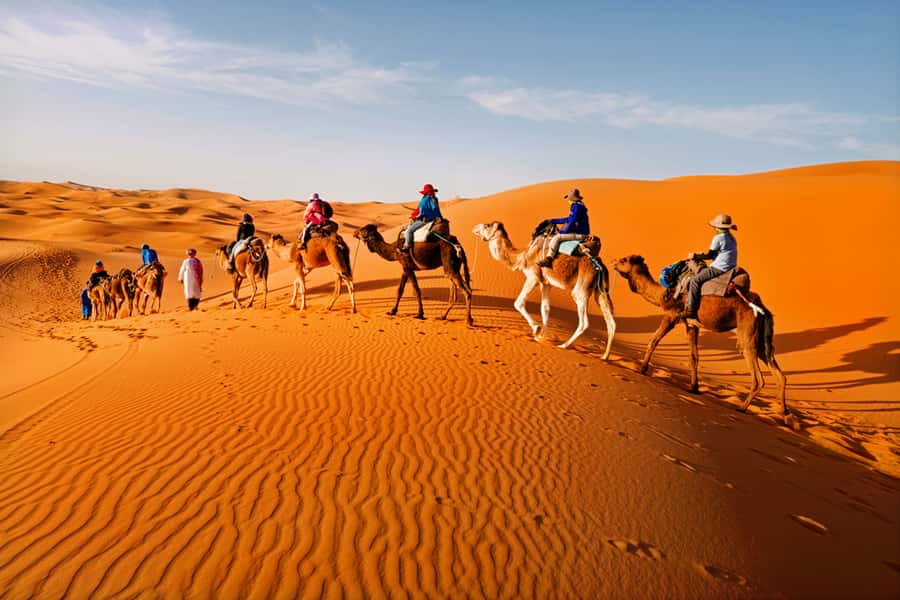
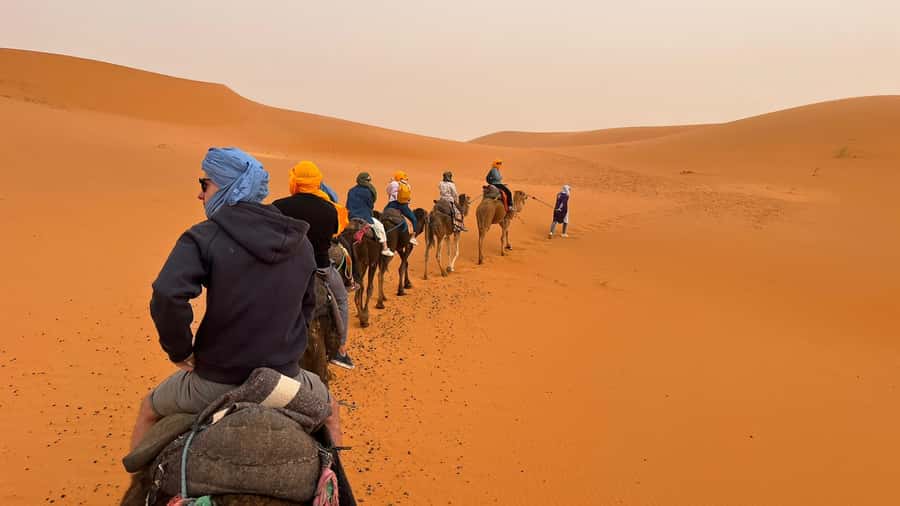
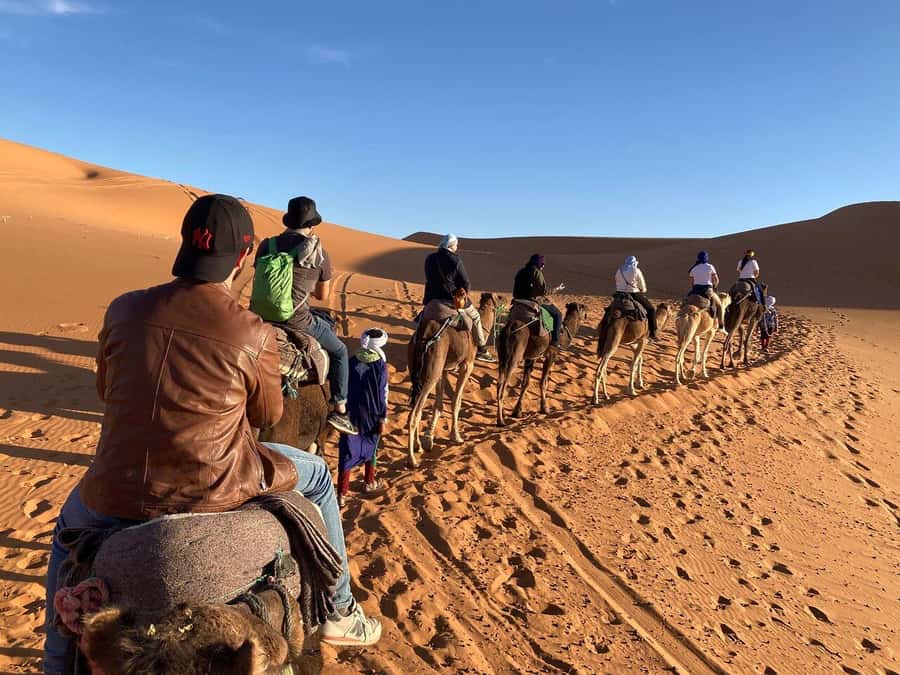
The heart of this trip is the camel trek through Erg Chebbi dunes. This is not a quick photo stop. You’re riding through sand formations that make the horizon feel curved, with shifting colors that look different every few minutes.
Because the trip aims around sunset and sunrise, you’ll be moving at the times when the light is best—and when the temperature can swing a lot. Bring your scarf and keep sunglasses handy; even when it’s not blazing hot, wind and glare in the dunes can be real.
A few tips that make camel time easier:
- Wear something that you don’t mind getting dusty.
- Keep your water accessible, even if there’s water provided.
- Put your scarf on early if the wind picks up. It’s one of the best “small item” comforts here.
Sunset, Then Camp: What the Desert Evening Feels Like
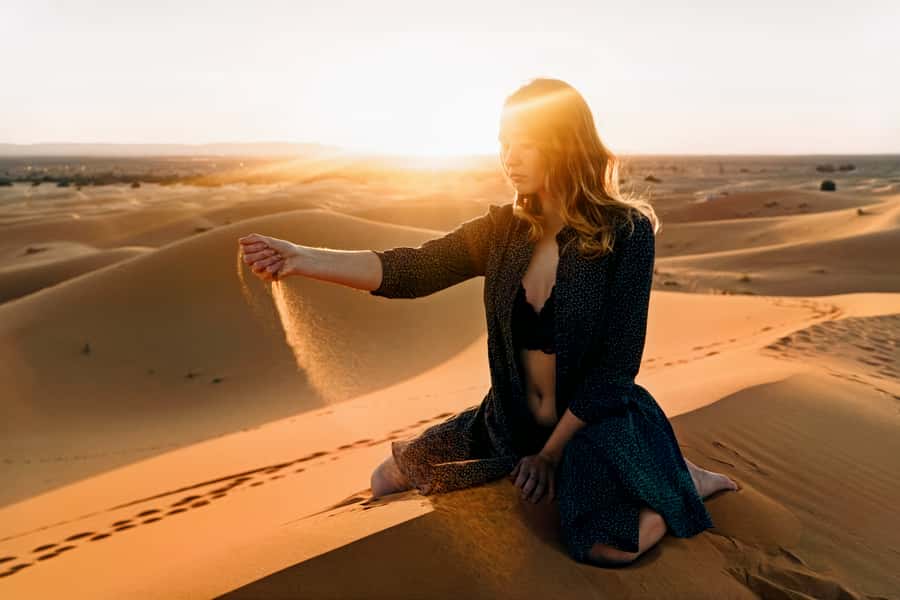
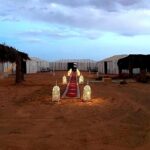
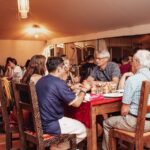
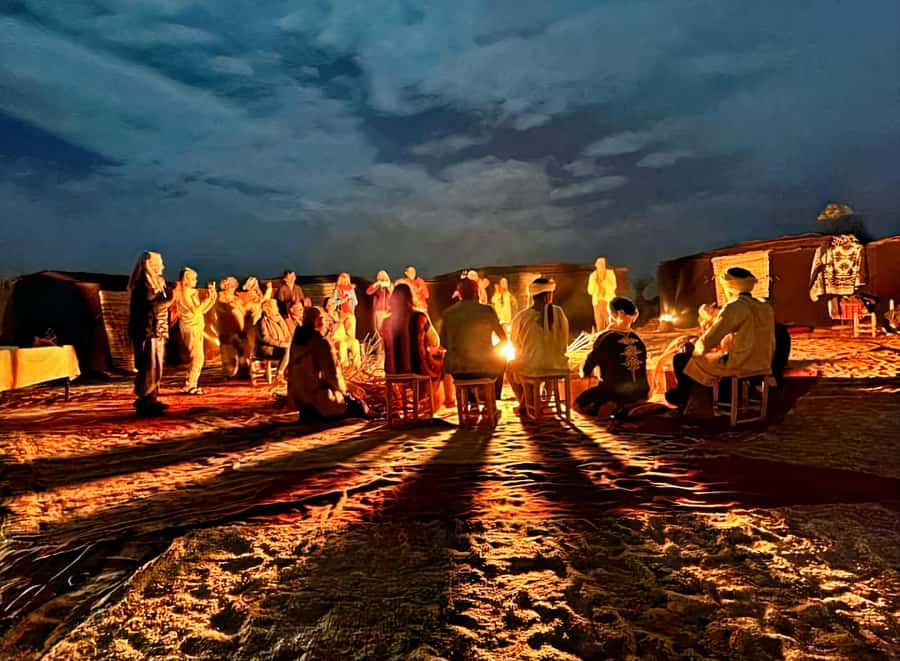
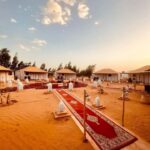
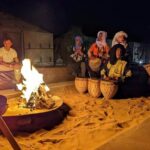
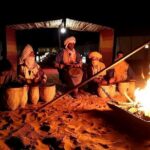
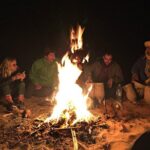
After the ride out, you’ll reach the camp, settle in, and eat. Dinner is included, and the evening atmosphere is built around Berber music/drumming and the starry sky.
This is the part people remember most—not because it’s fancy, but because it’s different. The desert at night is quiet in a way cities can’t fake. If the camp has the usual music setup, you’ll likely get that shared rhythm vibe while you eat.
Just keep your expectations grounded:
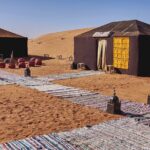
- Some camp setups can be more comfortable than others. One person specifically mentioned a tent with a bathroom in the room, while another reported tents that didn’t feel fresh or maintained.
- Noise can be an issue if your camp is near a party-style camp. If you’re sensitive to sound, pack earplugs as insurance.
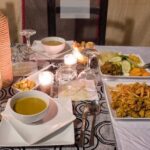
What about the food? Dinner is included, and people generally described it as good. Still, you should plan on “desert camp cooking” rather than restaurant service. One person noted food wasn’t served hot. If you’re picky about temperature, don’t build your hopes around piping plates.
Sleeping in a Desert Tent: Comfort vs Cold vs Camp Tier
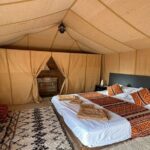
You sleep in a private tent. The quality depends on which option you choose—standard, royal, or luxury—and your room/tent assignment.
Here’s the honest reality: even with blankets, night in the dunes can get cold. One traveler mentioned it got very cold and that extra blankets helped. That matches what most people feel in the desert: daytime warmth does not guarantee nighttime comfort.
If you want the sleep portion to be smoother:
- Bring a warm layer you can wear in the tent.
- Don’t assume the “comfort” comes from fancy blankets only; bring your own basics too.
Also, some reports mentioned being left alone for a couple hours in the morning before pickup. That doesn’t mean it’s always like that, but it’s a reminder to stay ready. If you’re curious, ask about the morning timing before you go to sleep, and be dressed early.
Sandboarding: Fun Extra, Don’t Oversell the Thrill
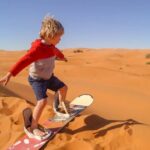
Sandboarding is optional and included as an activity in the dunes. In theory, it’s your adrenalin moment: strap in and slide down the sand like it’s a snowy slope.
In practice, sandboarding can vary a lot based on dune size and how they stage the run. One person described a very small dune and a short, slow slide—more “try it once” than “extreme sport.” Another day can feel more exciting, but you should assume it might be brief.
My suggestion: treat sandboarding as a bonus, not the reason to book. The trek, sunset, dinner, music, and sunrise are the core. If sandboarding ends up being underwhelming, you’ll still have plenty to enjoy.
Food, Tea, and Berber Music: Small Details That Make It Feel Real
Moroccan mint tea is included, and it matters more than you might think. In the desert, tea is a reset—warm cup, sweet scent, a pause that signals you’re in a different rhythm now.
The evening entertainment typically includes Berber drumming/music. This isn’t just for show; it’s part of how these camps create community energy after dinner. If your camp is quiet and the music is timed well, it can turn a simple meal into a full memory.
If you care about cultural authenticity, here’s the practical approach: be open-minded and polite. Ask simple questions through the guide, and you’ll get more from the evening than just watching from afar.
Sunrise and the Return to Ksar Tanamouste
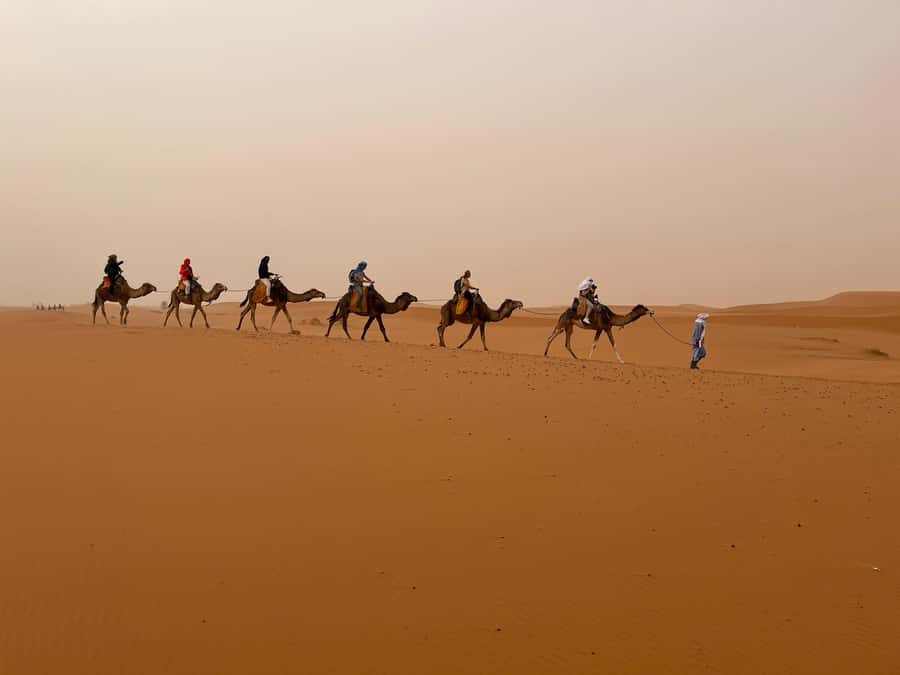
In the morning, you’ll wake up for sunrise. Then there’s breakfast, and later you’ll ride/camel back to the meeting point area.
Sunrise is usually early, and you should plan for that. One person noted the next morning start at around 8:30, which gives you a sense that timing can be tight. Dress warmly even if the air feels fine when you step out at first—sunrise happens fast.
After breakfast, you’ll head back and end at Hassan Ouattou (your start point area back in Ksar Tanamouste). The full rhythm is why this experience works: you don’t just see the desert, you live through its light changes.
Guide Quality: What I’d Ask Before You Start
The tour includes experienced local guides, and the languages offered include Arabic, French, English, and Spanish. That matters for two reasons: safety and understanding. If you can ask questions in a language you’re comfortable with, the whole trek feels less confusing.
Guide personalities can vary. Some people described helpful, friendly guides, including one named Dario. Others reported a less engaged guide who didn’t explain much.
So here’s what I’d do at the start:
- Ask what time dinner starts.
- Ask what time you’ll leave camp the next morning.
- Ask how long the sandboarding session usually takes.
These questions force clarity without needing a big conversation.
Best Fit: Who This Overnight Trek Works For
This is a great choice if you:
- Want a one-night desert experience without a multi-day itinerary
- Like scenic travel moments (sunset and sunrise are built in)
- Are okay with simple desert comfort and basic camp service
It’s also a good match for couples and small groups who want something atmospheric rather than strictly sightseeing.
If you dislike uncertainty—waiting around, variable camp setups, or potential noise from nearby camps—this may feel frustrating unless you choose your camp tier carefully and pack smart.
Should You Book This Merzouga Overnight Camel Trek?
I think it’s a strong book if your goal is the classic Merzouga experience: Erg Chebbi dunes by camel, a desert camp night, mint tea, Berber music, and those sunrise-and-sunset visuals.
But I’d book with a strategy:
- Choose the camp option thoughtfully (standard vs royal vs luxury) if you’re comfort-minded.
- Pack for cold nights and wind.
- Bring earplugs if you’re easily disturbed by sound.
- Ask about timing at the start so you don’t feel stuck waiting.
If you do those things, you’ll likely get your money’s worth—and more importantly, you’ll leave with the kind of Sahara memory that doesn’t fade.
FAQ
How long is the Merzouga overnight camel trek?
It runs for about 1 day, with a total duration of roughly 16 hours from pickup/meeting to return.
Where do I meet the guide?
You meet in Ksar Tanamouste, in the hotel reception area. Look for Hassan (Zit) and have your voucher ready.
Is pickup included?
Pickup is listed as optional. The meeting point is Ksar Tanamouste, and after meeting Hassan (Zit), you’re transported by the hotel’s Jeep to the camel park.
What’s included in the price?
Included are the camel ride (1 per person), an overnight stay in a private tent, dinner and breakfast, Moroccan mint tea, bottle of water, sandboarding in the dunes (optional), and experienced local guides. Free parking, luggage storage, and shower facilities are also included.
Is sandboarding guaranteed?
It’s included as an optional activity. You can choose to do it during the trek.
What meals are covered, and what’s not?
You get dinner and breakfast. Lunch is not included.
What languages are available for the tour guide?
The live tour guide can speak Arabic, French, English, and Spanish.
Do I need to bring anything?
You’ll want sunscreen, a scarf, a camera, a charged smartphone, and sunglasses. It’s also smart to dress for desert temperature changes since nights can be cold.
What’s the cancellation policy?
Free cancellation is available up to 24 hours in advance for a full refund.