REVIEW · SA PA
From Sapa: Y Linh Ho, Lao Chai & Ta Van Trek Day Tour
Book on GetYourGuide →Operated by Mountain Light Homestay · Bookable on GetYourGuide
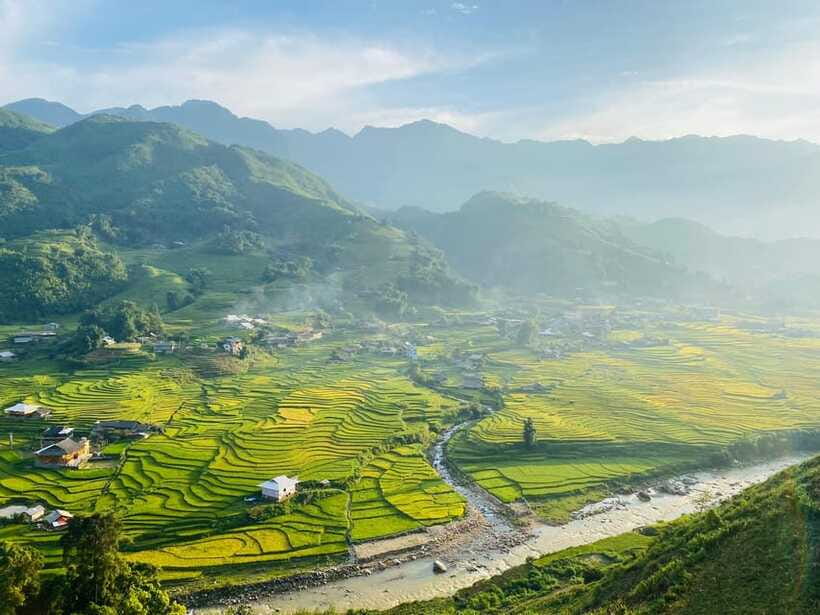
Rice terraces start at the valley edge. From Sapa, this full-day trek threads through Muong Hoa Valley scenery and village life, with stops that help you understand daily routines of the Black H’mong, Dzao, and Dzay communities. I especially like the way the rice-terrace walking connects viewpoints along Muong Hoa Stream, and I love that lunch is handled in Ta Van village rather than on a rushed roadside break.
One thing to plan for: part of the walking route can feel less like uninterrupted terrace paths and more like mixed terrain, including stretches near roads, so set your expectations before you go. If your ideal day is purely footpath-to-footpath terrace views, this is still worth it, but go in with flexibility.
In This Review
- Key Highlights You’ll Care About
- Why Muong Hoa Valley and Hoang Lien Son Views Matter
- Hotel Pickup to Y Linh Ho: Setting the Tone in Y Linh Ho Village
- Trekking Muong Hoa Valley: Rice Terraces, Stream Walks, and Road Edges
- Lao Chai and Ta Van: How Culture Looks When You’re Up Close
- Lao Chai Village Time
- Ta Van Village Time
- Lunch in Ta Van Village: Fueling the Trek Without a Hassle
- How the Return to Sapa Fits Into Your Day
- Price and Value: Is $30 Worth an 8-Hour Trek?
- Who Should Book This Trek (And Who Should Skip It)
- Should You Book This Day Tour From Sapa?
- FAQ
- How long is the trek day tour from Sapa?
- Where is the pickup location?
- Which villages are visited?
- What does the tour include for food?
- What language is the tour guide?
- Is there a guide during the trek?
- What should I bring for the hike?
- Is the tour suitable for kids or mobility needs?
Key Highlights You’ll Care About
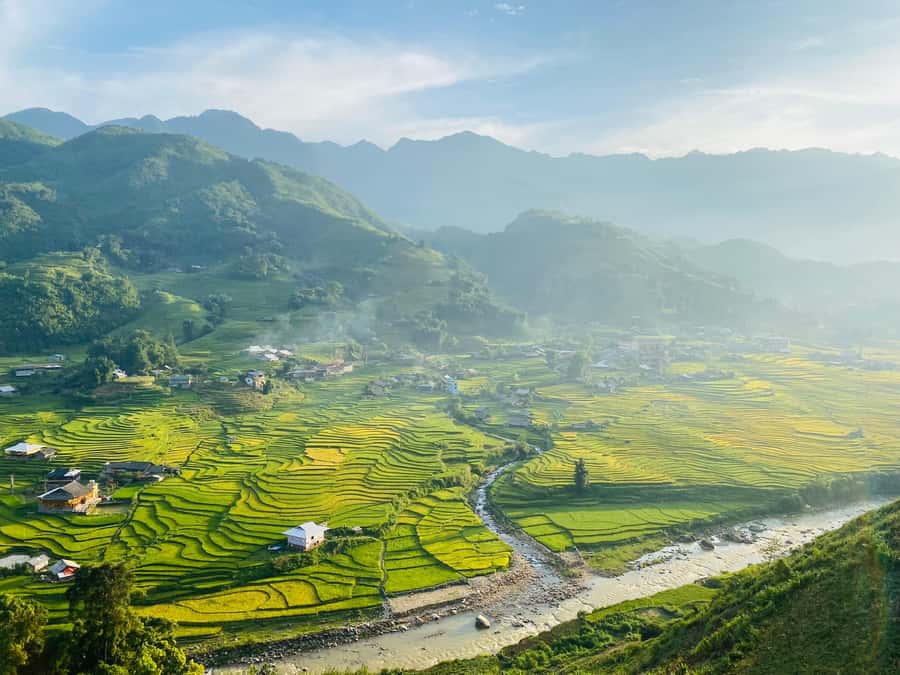
- A classic Muong Hoa Valley day: Rice terraces, mountain views, and village culture in one 8-hour block.
- Real community stops: Visits to Lao Chai and Ta Van, known for H’mong (including Black H’mong) as well as Dzao and Dzay presence.
- Lunch in Ta Van: A main meal at the village stop, plus time to rest afterward.
- English-speaking guidance: You get cultural context from a live guide in English (and Vietnamese as needed).
- Practical pickup in Sapa: Hotel pickup inside Sapa town, with a clear meet-up option if you’re outside it.
Why Muong Hoa Valley and Hoang Lien Son Views Matter
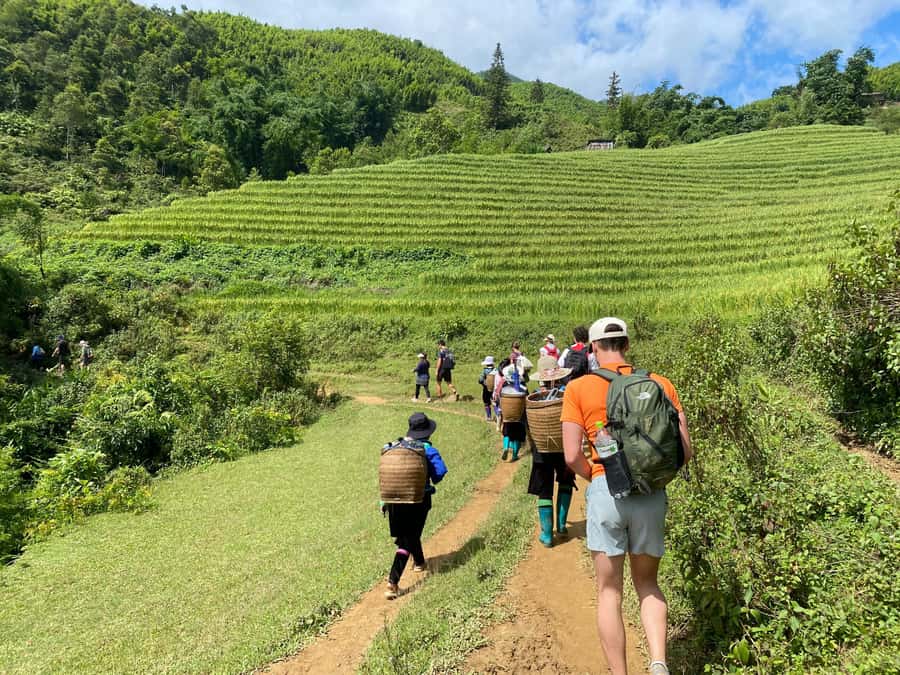
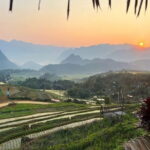
This is the kind of Sapa day tour where the scenery isn’t just background. Muong Hoa Stream and the surrounding valley shape the whole trek: you’re moving through small rises and dips, and the views keep opening as you pass fields and hamlets. On clear days, the Hoang Lien Son mountain ranges give you that wide, layered look that makes Sapa feel bigger than a quick market visit.
What makes this route meaningful is that you’re not stuck in one setting. You start in a higher village area, then work your way through terrace country, with stop-and-learn moments that break up the walking. That matters if you get tired of tours that only trade scenery for photos. Here, you get the practical rhythm of a community day: walk, pause, see how people live, eat, then head back.
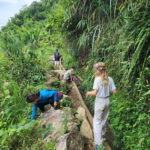
Just remember that a full day trek isn’t a gentle stroll. Even if the pacing feels manageable, you’ll still want shoes with grip because the valley can be uneven. In wetter months, you might also encounter mud on parts of the path, so think “trail-ready,” not “city sneakers only.”
You can also read our reviews of more tours and experiences in Sa Pa.


Hotel Pickup to Y Linh Ho: Setting the Tone in Y Linh Ho Village
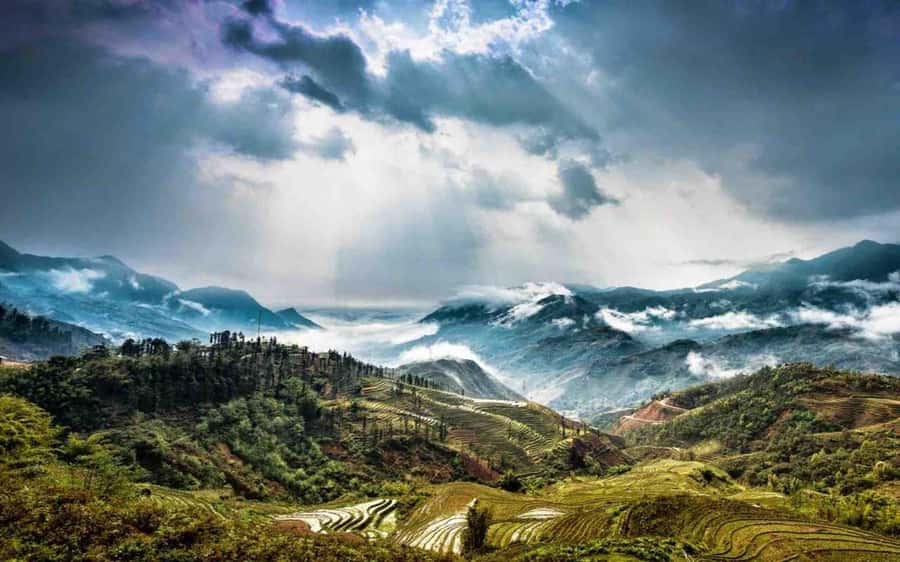
Your day starts with pickup from your hotel in Sapa town. If your hotel isn’t in Sapa town, you’ll meet the group at 35 Muong Hoa Street around 7:45 AM. Either way, you’re usually getting underway early enough to beat the worst of the day’s heat and to make the most of daylight for photos.
First up is Y Linh Ho village, which works as a warm-up stop. It’s not just a check-the-box village visit; it helps you shift your brain from Sapa town pace into valley pace. You’re walking with the valley in front of you, and that changes how you notice details—how paths connect fields, how people move between homes and work areas, and how the terraced environment shapes daily life.
This early segment also gives you something underrated: time to get comfortable with your guide and the group dynamic. When your English-speaking guide begins explaining local culture, you’ll get more out of it once you’re already on the move. If you tend to zone out when you’re sitting, you’ll probably prefer that this start is active rather than purely informational.
Trekking Muong Hoa Valley: Rice Terraces, Stream Walks, and Road Edges
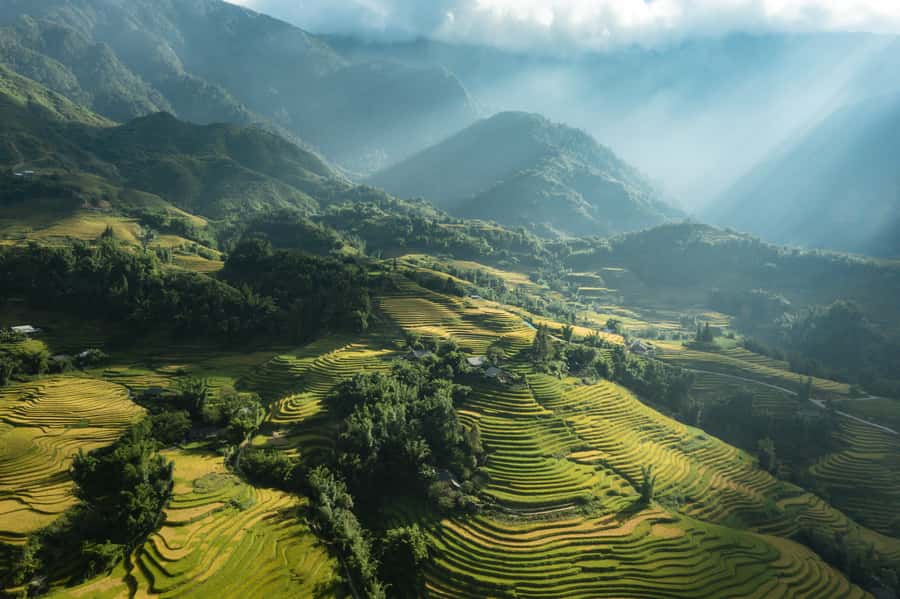
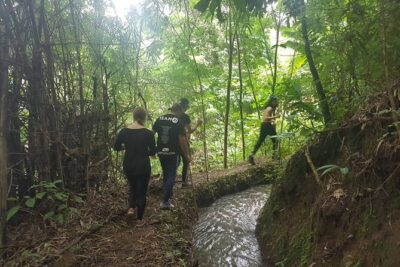
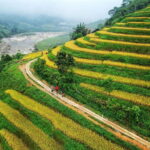
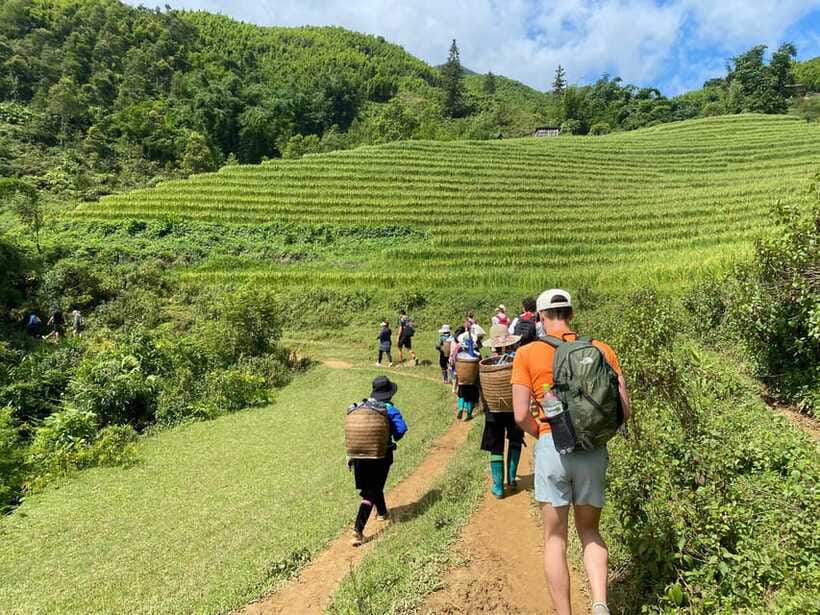
The heart of the day is your trek through the rice terraces of the Muong Hoa Valley, following along Muong Hoa Stream for stretches. Expect a mix of open views and narrower footpaths. It’s the kind of route where you’ll stop without even meaning to—because every turn can offer a new angle on the terraces and village clusters.
Here’s the practical consideration: don’t assume it’s one long uninterrupted terrace-side path the whole time. Some routes on these valley treks include segments that run closer to roads or pass by edges where vehicles might also pass through. That can be fine if you like variety, but it can disappoint if you paid hoping for purely secluded foot-trail walking for the entire duration.
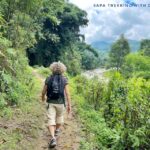
In terms of effort, plan for a steady, walking-focused day. Bring water and wear comfortable shoes with decent traction. A hat and sunscreen are also smart—terrace country still catches sun, especially on exposed stretches. And if you’re the type who hates wet ground, consider that parts of the route can get muddy when conditions turn.
Good news: even with mixed terrain, the terrace scenery is still the star. The value comes from moving through the fields rather than just looking at them from one viewpoint.
Lao Chai and Ta Van: How Culture Looks When You’re Up Close
The tour includes village visits to Lao Chai and Ta Van, and these are the stops where you’ll feel the difference between a scenic hike and a culture-forward trek. Lao Chai is especially linked with the Black H’mong minority, and Ta Van is commonly associated with H’mong as well as Dzao and Dzay communities.
What I like about these village stops is that they don’t feel like a quick photo sprint. You get dedicated time for each area, which lets you notice everyday details: how people use space, how terraces and dwellings connect, and how families organize their routines around the valley. If you like asking questions, this is where your English-speaking guide can add real meaning—explaining traditions and day-to-day life in plain language rather than vague talking points.
At the same time, be respectful and keep it simple. Don’t litter. Avoid big disruptions. These are working villages, not open-air museums. A good guide will guide your expectations, but your behavior helps keep the visit genuine.
Lao Chai Village Time
Your Lao Chai stop is long enough to actually look around and absorb the setting. It’s also a good moment to slow down after the trekking segment and check your energy level. If you’re someone who gets overstimulated by constant motion, Lao Chai can feel like a welcome reset.



Ta Van Village Time
Ta Van is both a trekking endpoint and a cultural stop. You’ll get time to rest and eat there, which is important because the tour is full-day and you’re using energy for walking. It’s also the place where you’ll get more guided context about how communities in this region live in relation to the terraces.
Lunch in Ta Van Village: Fueling the Trek Without a Hassle
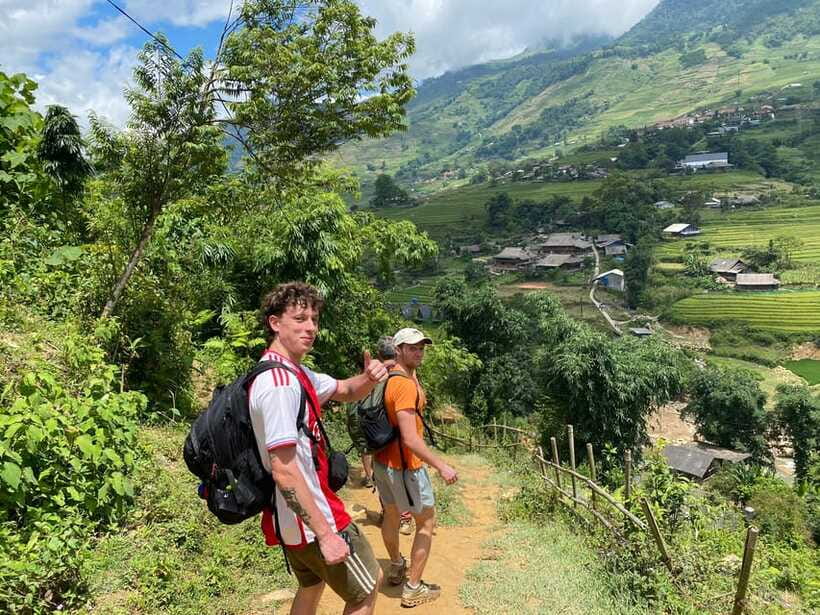
One of the most solid value points is lunch in Ta Van village, included as the main meal. That choice matters. When lunch is integrated into the day like this, you spend less time hunting food on the fly, and you’re less likely to end up on a rushed schedule.
You should think of lunch as both fuel and a mental break. The day includes trekking time and village time, then you get a pause in Ta Van before heading back. That rhythm helps you enjoy the scenery without feeling like you’re constantly behind.
If you’re sensitive to timing, note that lunch and the break period are part of the flow. Don’t plan anything else that day that needs you to be sharp right after you finish—your return is by car back to Sapa.
How the Return to Sapa Fits Into Your Day
After the Ta Van stop and the break, you’ll head back to Sapa town by car. The return drive is the payoff moment: you can sit, cool down, and review the photos while the day’s views replay in your mind.
This is also where you’ll feel the difference between a well-paced hike and a tour that burns you out. Because you get village time and a lunch stop, you’re not spending the whole day in a single continuous grind. Still, it’s a trek day. You’ll likely want a relaxed evening plan back in Sapa—dinner near where you’re staying, maybe a shower, and early sleep if you’re traveling with multiple activities.
Pack for the after-effects too. If the ground was wet, you may have dust or mud on your shoes and lower pant legs. Bringing a small plastic bag for muddy items is a smart move even if the tour doesn’t mention it.
Price and Value: Is $30 Worth an 8-Hour Trek?
At about $30 per person for an 8-hour day, the value is strongest if you care about three things: a guided cultural lens, real village stops, and not having to organize transport on your own. This tour includes pickup in Sapa, a local English tour guide, lunch (one main meal), and scheduled sightseeing tickets.
In other words, you’re paying for convenience plus interpretation. If you were to DIY this, you’d spend time coordinating transport, figuring out village route logistics, and finding someone credible to explain what you’re seeing. With a guide, you can ask questions on the spot and connect names like Lao Chai and Ta Van to the communities you’re actually passing.
That said, the tour won’t match every expectation perfectly. If your top priority is a long, purely terrace-side footpath experience with no road edges, you may feel shortchanged. On the other hand, if you want a balanced day—scenery plus villages plus lunch—this price is fairly hard to beat.
This also helps you decide who it suits best: comfortable walking ability matters, and your comfort on uneven and possibly muddy ground will make or break the day.
Who Should Book This Trek (And Who Should Skip It)
This day tour is a good match if you:
- want a full-day Sapa experience that combines valley scenery with village visits
- prefer learning with a live guide in English
- like structured time (trek segments, village time, and a lunch stop) rather than wandering without a plan
- are okay with mixed terrain and want to focus on views even when the path isn’t perfectly “only terraces”
It’s not a great fit if you:
- have back problems
- need a wheelchair-friendly route
- are traveling with children under 6
- expect a gentle walk with no uneven ground
Should You Book This Day Tour From Sapa?
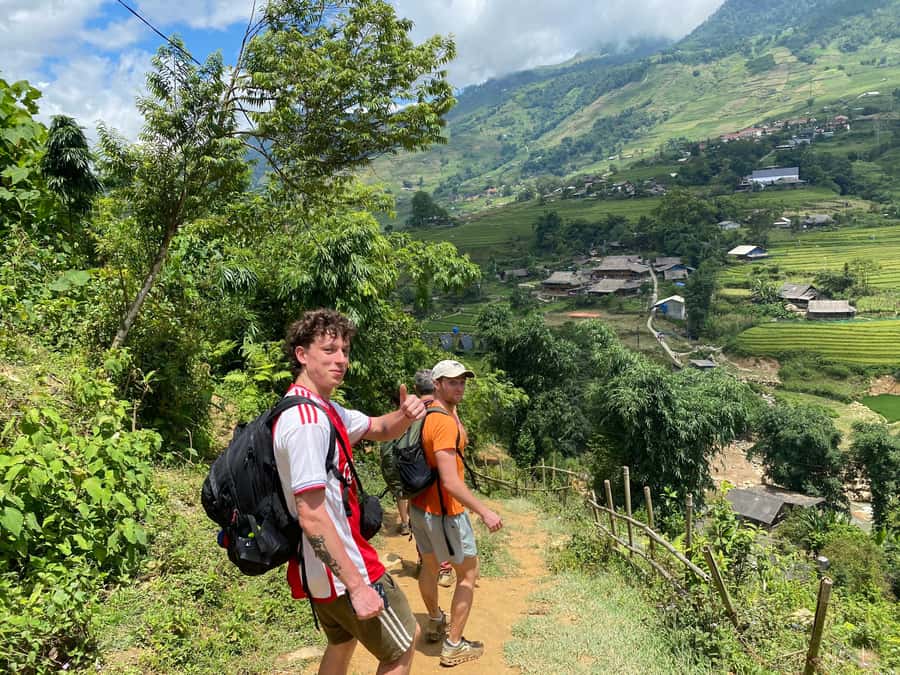
If you’re visiting Sapa and want more than viewpoints and markets, I’d book it. The combination of Muong Hoa Valley walking, Lao Chai and Ta Van village time, and lunch included gives you a complete day without feeling like you’re scrambling.
Just go in with one mindset: this is a walking trek through a working valley, not a theme-park path. If you’re flexible about trail edges and still care about the terraces and cultural context, you’ll likely feel like you got your money’s worth.
If you’re the type who needs smooth surfaces and zero road proximity, compare your expectations carefully before committing. Otherwise, plan for shoes, water, sun protection, and a slower pace for enjoying the village stops.
FAQ
How long is the trek day tour from Sapa?
It runs for about 8 hours.
Where is the pickup location?
Pickup is included from hotels in Sapa town. If your hotel is not located in Sapa town, you meet around 7:45 AM at 35 Muong Hoa Street.
Which villages are visited?
The tour visits Y Linh Ho, Lao Chai, and Ta Van.
What does the tour include for food?
Lunch is included as one main meal in Ta Van village.
What language is the tour guide?
The guide is available in English and Vietnamese.
Is there a guide during the trek?
Yes, you’ll have a live tour guide in Sapa.
What should I bring for the hike?
Bring comfortable shoes, a hat, a camera, sunscreen, and water.
Is the tour suitable for kids or mobility needs?
It’s not suitable for children under 6, people with back problems, or wheelchair users.
If you want, tell me when you’re going (month matters for mud and sun), and what kind of walking pace you prefer, and I’ll help you judge if this route matches your comfort level.