REVIEW · KATHMANDU
Annapurna Base Camp Trekking
Book on Viator →Operated by Travel Max Guide · Bookable on Viator
Annapurna Base Camp is a moving kind of quiet. This trek turns that promise into a 14-day rhythm: city prep in Kathmandu, lakeside breathing room in Pokhara, then steady footpaths through Gurung and Magar villages to Annapurna Base Camp at 4130m. I love the way the route mixes big views with small, lived-in places, from the steps of Ulleri to tea-house afternoons in the valley.
Two things I especially like: you get a certified English-speaking local trekking guide and your trekking days come with full-board meals (breakfast, lunch, dinner, plus tea/coffee). The permits are also handled for you with the ACAP permit and TIMS card, so you’re not stuck chasing paperwork with sore legs. A possible drawback: this is a high-altitude trek with moderate physical fitness needs, and nights can feel cold as you climb.
A key point with this tour is that it’s private (only your group), but the trip still follows a classic, structured itinerary. That usually makes planning easier, but it also means you’re moving on the same schedule as everyone else on the route.
In This Review
- Key highlights worth caring about
- The Big Picture: 14 days to Annapurna Base Camp at 4130m
- Price and What You Actually Get for $1,600
- Kathmandu and Pokhara Setup: where the trek starts feeling real
- Trekking Days in Order: from Ulleri to the Annapurna Sanctuary
- Day 4: Ulleri, stepping into rhododendron and stone
- Day 5: Ghorepani, with the view payoff starting early
- Day 6: Poon Hill viewpoint to Tadapani
- Day 7: Chhomrong, Gurung village energy under Annapurna South
- Day 8: Ghandruk and 2500 steps, then a viewpoint from higher comfort
- Day 9: Annapurna Base Camp, the sanctuary day at 4130m
- Day 10: Down to Bamboo, still with mountain views
- Day 11: Chhomrong Khola to Jhinu Danda hot springs
- Day 12: Back toward Pokhara via Ghandruk and a Gurung museum stop
- Day 13: Pokhara to Kathmandu and a farewell with Nepali dance
- Day 14: Airport drop-off, done
- Altitude, Comfort, and Pace: how the trek is likely to feel
- Meals, Permits, and the Paperwork You Don’t Want to Chase
- Guides, Team Spirit, and the Little Human Touches
- Who This Trek Fits Best (and who should think twice)
- Should You Book This Annapurna Base Camp Trek?
- FAQ
- How long is the Annapurna Base Camp trek?
- Where does the tour start and end?
- What kind of accommodation is included?
- Are meals included while trekking?
- Are trekking permits included?
- Is Kathmandu sightseeing guided?
- How do you get between Kathmandu and Pokhara?
- Is there time to enjoy hot springs?
- What is not included in the price?
Key highlights worth caring about
- ACAP + TIMS taken care of: permits included so you can focus on walking, not paperwork.
- Full-board trekking meals: breakfast, lunch, and dinner with tea/coffee each trekking day.
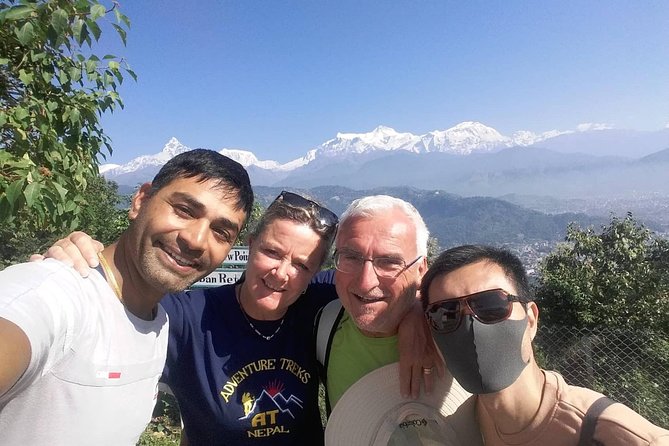
- Poon Hill viewpoint built in: a rewarding mountain-view stop after Ulleri and Ghorepani.
- Gurung culture stops: Chhomrong exploration time plus a Ghandruk museum visit.
- Warm relief at Jhinu Danda: a chance to dip into hot springs on the way down.
The Big Picture: 14 days to Annapurna Base Camp at 4130m
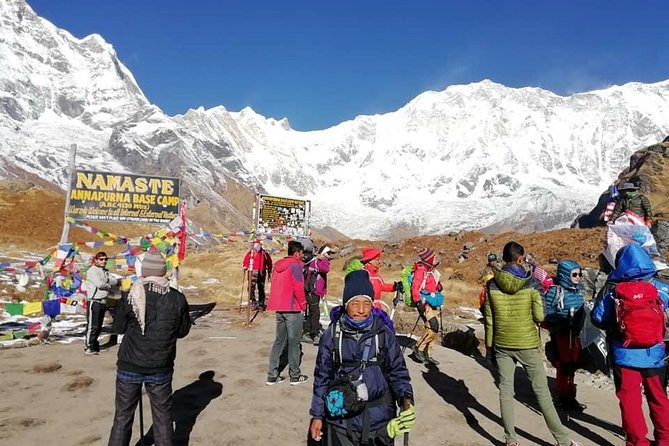
The Annapurna Base Camp trek is one of Nepal’s classic routes for a reason. You don’t just walk through scenery. You move through vegetation zones, village rhythms, and changing air—oak and rhododendron forest, then thinning plants, then the high, stark feel near the sanctuary. The final goal, Annapurna Base Camp at 4130m, is the kind of place that makes you talk less and look more.
This version of the trek is built around a 14-day flow that starts with city time in Kathmandu, continues to Pokhara, and then stitches everything together with trekking days that move you forward toward the Annapurna Sanctuary and back down again. If you like a plan that feels structured but not rushed, it fits.
You also get a clear sense of pacing. Some days are longer walking stretches, and some days are more about descent and recovery—especially once you reach base camp and start retracing your steps.
You can also read our reviews of more tours and experiences in Kathmandu.
Price and What You Actually Get for $1,600
The listed price is $1,600 per person. For a trek of this length, that number starts to make sense when you look at what’s included:
- Accommodations: twin-sharing accommodation with breakfast in Kathmandu and Pokhara, plus twin-sharing guesthouses during the trek.
- Transportation: airport pickup and hotel drop-off by private vehicle, and a tourist bus between Kathmandu and Pokhara and back.
- Guiding: guided Kathmandu Valley sightseeing with a city guide, and an English-speaking local trekking guide during the trek.
- Food during trekking: full board (breakfast, lunch, dinner) with tea/coffee throughout trekking time.
- Permits: ACAP Permit and TIMS Permit card are included.
- Support and safety extras: a comprehensive medical kit is included, and the guide team has insurance coverage (for their meals, salary, lodging, and transportation).
Now for the part you should budget for, because it’s not included:
- International flights
- Nepal entry visa
- Travel and rescue insurance
- Tips for your guide and porter (tipping is expected)
- Personal expenses (water, laundry, phone, bar bills)
So the real value question becomes: do you want most big logistics handled for you? If yes, $1,600 can feel fair—especially because meals and permits are covered. If you already have gear you trust, plan to self-arrange everything, and prefer a stripped-down trip, you might find cheaper routes elsewhere. But if you want an easy-to-follow setup, this one holds together.
One more small detail I like: you’ll receive a mobile ticket, which reduces the chances of last-minute document scrambling.
Kathmandu and Pokhara Setup: where the trek starts feeling real
Day 1 is a simple landing. You’re picked up from Tribhuvan International Airport and driven to your hotel. If you arrive daytime, you can roam Thamel—a practical first taste of Kathmandu life. If you arrive at night, the plan is to rest.
Day 2 focuses on Kathmandu Valley UNESCO sites: stupas, temples, and palaces. You get a guided sightseeing route, and it can be personalized around your interests. That matters more than it sounds. When you only have a day or two before trekking, getting a workable route through the valley saves time and energy. Admission tickets are listed as free for this part.
Then Day 3 moves you to Pokhara by tourist bus. The ride takes you past towns, villages, terraced farmland, and rivers. It’s long, but it’s also a soft transition: you’re not hiking yet, but you’re leaving the city behind. Pokhara is the “City of Lake,” and after checking into your hotel, you can walk around Phewa Lake in the evening. This is the kind of unstructured time that helps you adjust before the first trail day—especially if you’ve flown in recently.
Pokhara also sits near adventure options like paragliding, zip flyer, and bungy jumping. Those aren’t part of this trekking package in the info you provided, but if your body feels good on arrival, it’s an easy place to add a one-off thrill.
Trekking Days in Order: from Ulleri to the Annapurna Sanctuary
Here’s how the trek unfolds, with what each stop does for you—and what to watch for.
Day 4: Ulleri, stepping into rhododendron and stone
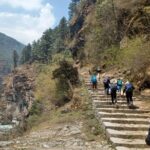
You drive from Pokhara to Naya Pul, then begin trekking through oak and rhododendron forest toward Ulleri. The trail is described as easy and gentle, but it comes with the well-known challenge: the Ulleri Stairs. That means this day is often a mental workout as much as a physical one. You feel like you’re going uphill forever, even when the schedule says it’s manageable.
You’ll also pass villages and bridges and reach Tikhedunga on the way. Ulleri is where you spend the night, and arriving in the afternoon gives you time to settle.
Practical note: stair-heavy starts can be tough on knees. Bring trekking poles if you use them, and don’t race the first section.
Day 5: Ghorepani, with the view payoff starting early
After breakfast you head to Ghorepani, walking through areas like Banthanti and Nangethanti. Lunch is specifically mentioned in Nangethanti, which tells you the day is paced around tea-house rhythm rather than constant, unbroken walking.
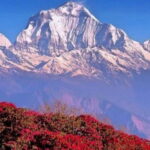
The big reason this stop matters is the payoff: Ghorepani is the village known for views of the Dhaulagiri and Annapurna ranges. If you’re the type who wants proof early that the trek is worth it, this is one of your first “yes, that’s the reason” days.
Day 6: Poon Hill viewpoint to Tadapani
This is a two-part day. First, you connect with the Poon Hill viewpoint, which the plan describes as rewarding and panoramic, including Dhaulagiri, Annapurna, and Manalsu. Second, you move toward Tadapani, walking uphill and downhill through forest and rocky steps.
Tadapani gives you another classic feel: you’re not yet at the highest zones, but the air starts to feel more Himalayan. It’s a good day for steady effort. Too fast here can make you pay later.
Day 7: Chhomrong, Gurung village energy under Annapurna South
Day 7 brings you to Chhomrong, described as a Gurung village sitting on the lap of the Annapurna massif. The route drops downhill in the morning and then brings you into the village later in the afternoon, with time to explore.
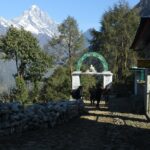
This is a quality stop. It’s not just a waypoint. You get views of Annapurna South and Machhapuchhre, plus time to see village life. That’s one of the best parts of the Annapurna region: the trek isn’t isolated from people. It’s held up by communities who live with these mountains every day.
Day 8: Ghandruk and 2500 steps, then a viewpoint from higher comfort
Day 8 includes a major effort element: 2500 steps. Then you head down toward Chhomrong Khola, cross the day’s up-and-down rhythm, and push toward Khuldighar (2,380m) and Sinuwa.
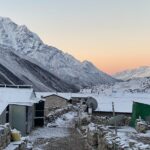
From there, you descend toward Bamboo (described as damp and cold), then climb again through rhododendron forest toward Himalaya Hotel, where you can see glacier views.
This is the day I’d expect most people to feel in their legs. It’s not only length; it’s the step count plus changing terrain. Build a slow, controlled pace. This itinerary gives you time to function as a human, not just a walking machine.
Day 9: Annapurna Base Camp, the sanctuary day at 4130m
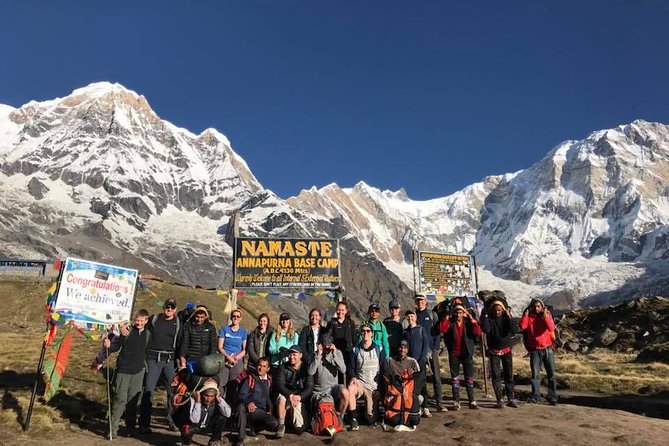
Now you’re in the heart of it: Annapurna Sanctuary and Annapurna Base Camp at 4130m.
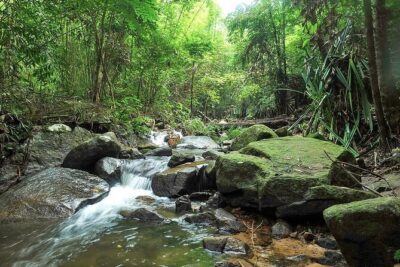
You trek up past Hinku Cave, Deurali, and the Machhapuchare Base Camp area. Vegetation thins as you go higher, and the trail passes waterfalls along the uphill path. The plan says it takes about two hours after Machhapuchare Base Camp to reach base camp, which helps you mentally split the day into chunks.
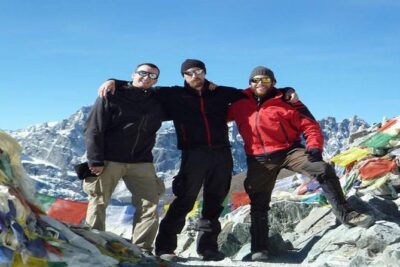
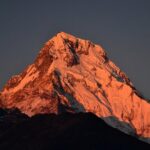
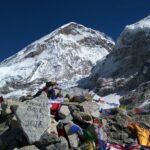
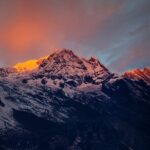
Then comes the big visual moment: from base camp you can see Machhapuchhre, Annapurna South, Annapurna I, Hiunchuli, and other peaks. The information also notes views of Annapurna III and Gandharvachuli and Gangapurna from that area. The key is that base camp is treated as a place, not a quick photo stop. You get the kind of stillness people travel here for.
If you’re altitude sensitive, take it slow once you arrive. At 4130m, your body needs a few hours of calm to settle.
Day 10: Down to Bamboo, still with mountain views
After base camp, you retrace steps. Day 10 is described as easy compared to the previous day because it’s downhill. You’ll reach Bamboo again, walking through bamboo, rhododendron, and oak.
This is a recovery day that still keeps you near the views. It helps you get those last glimpses without the same uphill grind.
Day 11: Chhomrong Khola to Jhinu Danda hot springs
You head from Bamboo uphill toward Chhomrong Khola, then descend to Jhinu Danda. The big treat on this day is the hot spring dip—an opportunity mentioned directly in the itinerary.
This is the day you’ll feel grateful for the slower descent after a tough high point. Warm water is not magic, but it’s a good tool for sore legs.
Day 12: Back toward Pokhara via Ghandruk and a Gurung museum stop
The trek continues downhill toward Ghandruk, with the day beginning around easy trails once you’re back at lower elevations.
You’ll see views including Annapurna South and Fish Tail, then you visit a museum in Ghandruk for information on Gurung culture and tradition. After that, you follow a more down trekking trail to Kimche and then Nayapul.
From Nayapul you travel to Pokhara by jeep or bus. This is one of those transition days where you trade oxygen for easy wheels.
Day 13: Pokhara to Kathmandu and a farewell with Nepali dance
You drive from Pokhara back to Kathmandu, and the scenery change is part of the experience: forest to less vegetation areas, rivers and streams, and hilly landscapes.
In Kathmandu you check into your hotel, then you have a farewell dinner in a typical Nepali restaurant with Nepali dance. That evening matters because the trek ends, but the story doesn’t. It’s a good final “wrap-up” before your flight.
Day 14: Airport drop-off, done
The last day is straightforward: private vehicle drop to the airport at the meeting point area. It’s simple closure.
Altitude, Comfort, and Pace: how the trek is likely to feel
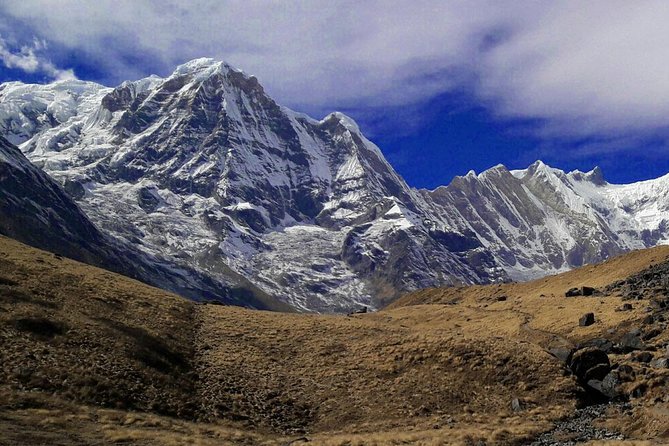
This itinerary has enough variation to keep your mind engaged, but it still follows a classic altitude climb profile. You’re moving from forested areas into thinner vegetation, then into the higher, colder zone near the sanctuary. That means you should plan for changes in temperature and how your breathing feels.
The tour description says travelers should have moderate physical fitness. That’s a useful label. It usually means you don’t need to be a mountain athlete, but you do need consistency and willingness to walk uphill for multiple days. If you’ve been sedentary, you’ll want to do training before coming.
Comfort-wise, you’re in guesthouses during trekking. The package includes meals and basic shelter, but you’ll still want the basics: a warm layer, rain protection, and footwear that handles stone and steps. Bamboo and higher areas are described as damp and cold, so don’t trust warm daytime conditions to last after sunset.
Meals, Permits, and the Paperwork You Don’t Want to Chase
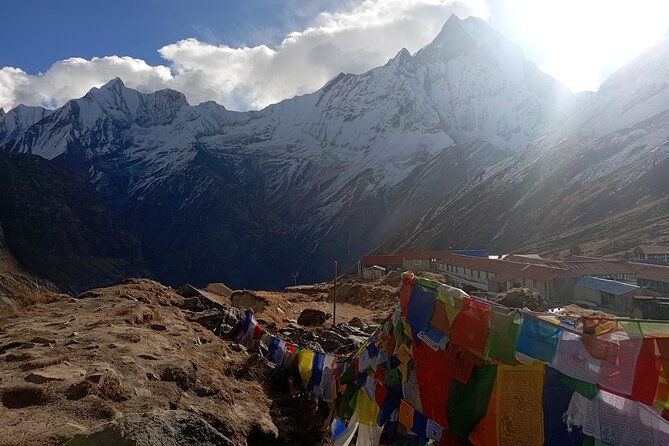
One of the quiet wins here is how the logistics are handled. Full-board meals during the trekking days reduce decision fatigue. You can spend more energy on the route and less energy asking where to eat and what costs what.
The permits are another big deal. The trek includes the ACAP Permit and the TIMS Permit card. In Nepal, getting permits right is not optional. Having those managed by the trip plan is one less stress point.
You also get a comprehensive medical kit included. The tour also lists insurance coverage for guides, which is good for staff safety. Just note: travel and rescue insurance for you is not included, so you should sort that separately.
Guides, Team Spirit, and the Little Human Touches
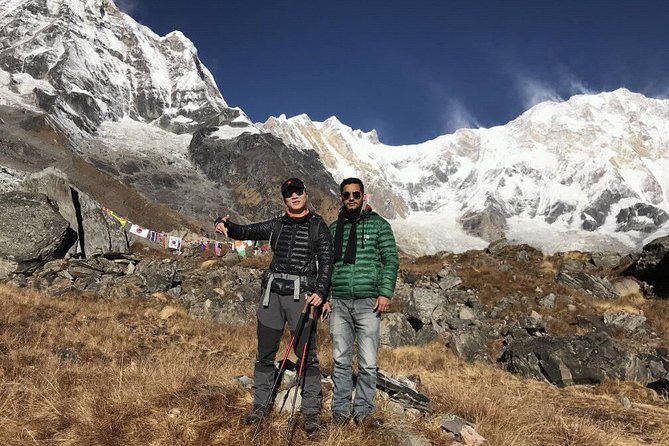
The quality of a trekking guide can make or break the whole experience. Here, you’re assigned a Nepal Government certified English-speaking local trekking guide, and that matters when conditions shift or you want better context for what you’re seeing.
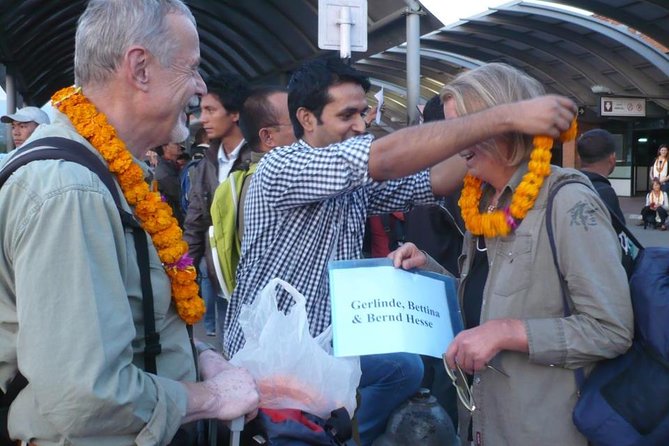
One of the standout details from past customer feedback is the role of John Shrestha in Kathmandu. He’s described as meeting people, helping them get the right equipment, and staying responsive and caring throughout the stay. That type of pre-trek help is practical. It’s also reassuring if you’re arriving and realizing you forgot something small but important.
Across the trekking experience, the team approach shows up again in how the guide (and porter support mentioned in feedback) is described as friendly and helpful. I take that as a signal that this trip is designed to keep you moving comfortably, with a real person watching your pace and your needs.
You also get an official “trip accomplishment certificate,” plus a farewell dinner with dance. It’s not the mountains, but it’s a nice ritual finish.
Who This Trek Fits Best (and who should think twice)
This trek is a strong fit if you want:
- A classic Annapurna route with the major “name places” included.
- A guided setup that handles permits and meals.
- A balance of city culture (Kathmandu Valley sightseeing) and village trekking (Chhomrong and Ghandruk).
It’s also a good match for couples or small groups who want private participation rather than mixing into a large crowd.
Think twice if:
- You’re not comfortable with long walking days and a stair-heavy start like Ulleri.
- You’re very sensitive to altitude, because the route does reach 4130m at base camp.
- You don’t want to manage optional spending like tips, water, and personal purchases, since those are not included.
Should You Book This Annapurna Base Camp Trek?
If you want the Annapurna Base Camp experience without wrestling logistics, I think this is a solid choice. The $1,600 price looks reasonable when you factor in twin-sharing lodging, full-board meals while trekking, guided Kathmandu Valley time, and the ACAP + TIMS permits. You’re also supported by an English-speaking guide and a team that’s been praised for being helpful and responsive—especially around the Kathmandu prep stage with John Shrestha.
I’d only hesitate if you’re the type who likes total self-management, or if you’re not ready to meet the trek’s physical demands. Otherwise, this is the kind of organized trek that lets you spend your limited attention on the views, the people, and the rhythm of the trail.
FAQ
How long is the Annapurna Base Camp trek?
The itinerary is listed as 14 days (approx.).
Where does the tour start and end?
It starts and ends at the meeting point near Tribhuvan International Airport, Ring Rd, Kathmandu.
What kind of accommodation is included?
You get twin-sharing accommodation in Kathmandu and Pokhara with a breakfast plan, and twin-sharing guesthouse accommodation during the trekking.
Are meals included while trekking?
Yes. The package includes full board meals during trekking: breakfast, lunch, and dinner, plus tea/coffee.
Are trekking permits included?
Yes. The trek includes the ACAP Permit and the TIMS Permit card.
Is Kathmandu sightseeing guided?
Yes. You’ll have guided Kathmandu Valley sightseeing, and admission ticket costs for that sightseeing are listed as free.
How do you get between Kathmandu and Pokhara?
You travel by tourist bus from Kathmandu to Pokhara and back to Kathmandu.
Is there time to enjoy hot springs?
Yes. On the way down, you’ll have an opportunity to dip into a hot spring at Jhinu Danda.
What is not included in the price?
Not included are international flights, Nepal entry visa, travel and rescue insurance, personal expenses (water, laundry, phone, bar bills), and tips for your guide and porter (tipping is expected).