REVIEW · AQABA
Wadi Rum: Camel Trek Adventure
Book on Viator →Operated by Wadi Rum Desert Eyes · Bookable on Viator
Wadi Rum feels bigger than your camera. This private camel trek from the Wadi Rum Rest House lets you move through the Protected Area at a slower, calmer pace, with plenty of time for stops and photos. I especially like that you’re not stuck in a loud cluster of strangers.
Second, I like the way the route is guided by local know-how. You follow your private guide for the best path through Wadi Rum, with famous sights such as Ain Abu Aineh (Lawrence Spring) and Khazali Canyon. One thing to keep in mind: moderate fitness helps, because camel time can make your legs feel it.
In This Review
- Quick hits
- Where You Meet, and How the Trek Starts Without Chaos
- Wadi Rum Protected Area: The Camel Ride That Actually Gives You Time
- Lawrence Spring to the Red Sand Dune: Why This Route Works
- Khazali Canyon: Petroglyphs and Inscriptions You Can Actually See
- Private Camel Trek vs Big-Group Desert Tours
- Duration, Timing, and What Your Remaining Day Looks Like
- Price Breakdown: Is $91 Worth It?
- What to Pack for Camel Time in the Desert
- The Team Behind the Ride: Friendly, Local, and Practical
- Who Should Book This Camel Trek
- Should You Book Wadi Rum: Camel Trek Adventure?
- FAQ
- Where is the meeting point for the camel trek?
- How long is the Wadi Rum camel trek?
- Is this tour private or shared?
- What’s included in the price?
- What entrance fees should I expect for Wadi Rum?
- What sights are included on the ride?
- Do I need a physical ticket?
- Is the activity physically demanding?
- Can I cancel for free?
Quick hits
- Private, not crowded: only your group, with your own guide and pace
- Lawrence Spring to the Red Sand Dune: a classic ride arc you can actually enjoy
- Khazali Canyon petroglyphs: ancient rock markings and inscriptions you’ll see up close
- Easy meeting point: start at Wadi Rum Rest House (Wadi Rum Village)
- Bottled water included: small comfort that matters in the sun
Where You Meet, and How the Trek Starts Without Chaos
You’ll meet at the Wadi Rum Rest House in Wadi Rum Village. The tour also ends back at the same meeting point, so you’re not thinking about logistics mid-desert. That makes the experience feel simple and low-stress, which is a big deal when you’re traveling in remote places.
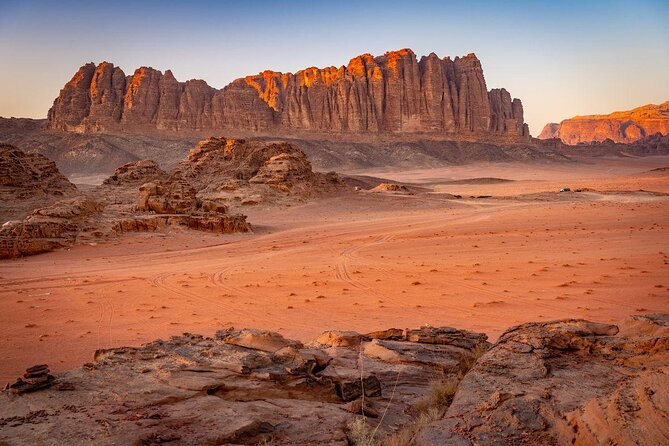
At the start, your guide gets you into the rhythm of the day. You follow along as a traditional convoy through Wadi Rum, rather than doing quick stop-and-runs. That matters because Wadi Rum is not just about checking off sights. It’s about settling into the desert pace—slow ride, big sky, and those orange sand valleys and dramatic rock forms that look different every time you turn your head.
A helpful detail: the itinerary shifts based on whether you go in the morning or afternoon. That means the guide can steer you toward the best light and the most comfortable timing for riding. You’ll also have time for photos from the camel, so you’re not constantly hopping off to get a decent shot.
You can also read our reviews of more tours and experiences in Aqaba.
Wadi Rum Protected Area: The Camel Ride That Actually Gives You Time
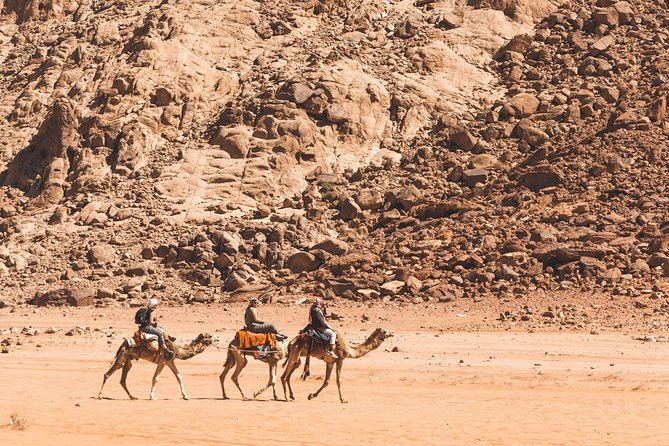
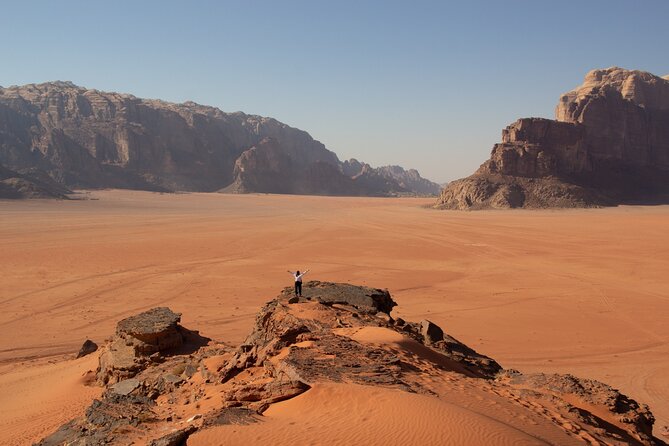
The core of this experience is riding in the Wadi Rum Protected Area, with views of orange sand valleys and dramatic rock formations. You don’t just pass through—your guide stops at key points so you can look around and take photos. For me, that’s the difference between a quick thrill ride and a desert moment you remember.
A classic portion of the route includes riding from Ain Abu Aineh (Lawrence Spring) toward the Red Sand Dune. Ain Abu Aineh matters because it’s tied to the story of Lawrence of Arabia, and it gives you a landmark to anchor your day. Then the Red Sand Dune brings that signature Wadi Rum color and texture into view in a way you can feel from up on the camel.
What to expect on the camel: the ride is generally slow, with time to look, not a high-speed stunt course. From the experience descriptions and guest feedback patterns, the camels are well cared for and typically described as healthy and gentle. You’re also provided bottled water, which helps you keep your head cool and focus on enjoying the scenery.
Possible drawback to plan for: depending on your body and how long your particular ride runs, camel riding can make your legs sore. If you know you’re sensitive to saddle time, I’d build in a bit of extra comfort planning (loose layers, supportive footwear, and a realistic expectation that you might feel it later).
Lawrence Spring to the Red Sand Dune: Why This Route Works
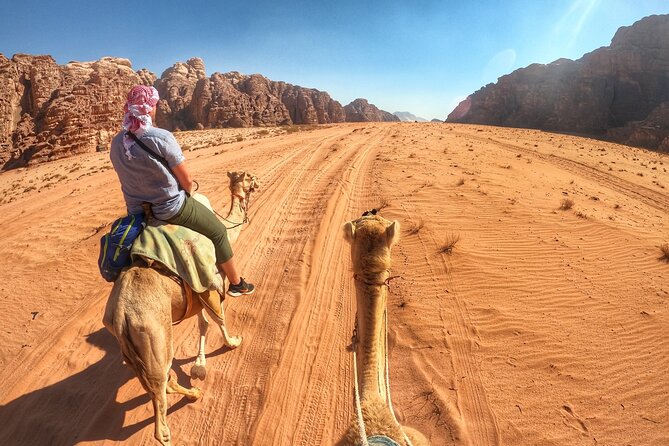
The route isn’t random. Ain Abu Aineh (Lawrence Spring) to the Red Sand Dune gives you a satisfying arc: start with a recognizable point, ride through sand-and-rock scenery, and end with that classic dune feeling. It’s the kind of route that makes photos look good even without special angles, because the colors are naturally dramatic.
The big win here is pacing. With a private setup, your guide can slow down when you want photos or when you want to just watch the desert change. You’re not forced to keep moving at the speed of the slowest person in a group, and you’re not waiting while others catch up.
Also, if you’re traveling with a flexible schedule, this tour is designed so the rest of your day is free after your ride block (about 3 to 4 hours touring). That’s practical. After Wadi Rum, you might head back toward Aqaba or slot in another activity without feeling trapped by an all-day commitment.
Khazali Canyon: Petroglyphs and Inscriptions You Can Actually See
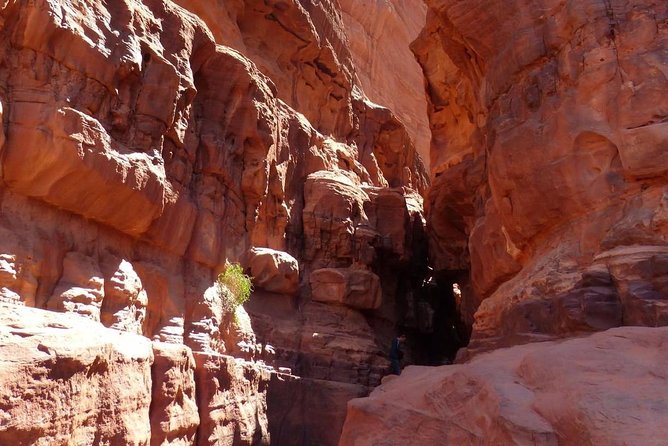
One stop that stands out in the itinerary plan is Khazali Canyon. This area is famous for ancient petroglyphs and inscriptions, and the cool part is that you get to see them on your way through, rather than treating them like a rushed museum stop.
This is where a guide earns their fee. The canyon setting is made of rock and shadows, and details can get hard to spot if you don’t know what you’re looking at. With your guide, you follow the best route and get context for what you’re seeing, plus stops timed for viewing.
You’ll likely spend enough time here to shift from camel-seat viewing to slow walking-and-looking mode. That small change of pace is useful in Wadi Rum. After a ride, your body tends to want a break, and canyon viewing gives you that natural reset.
Private Camel Trek vs Big-Group Desert Tours
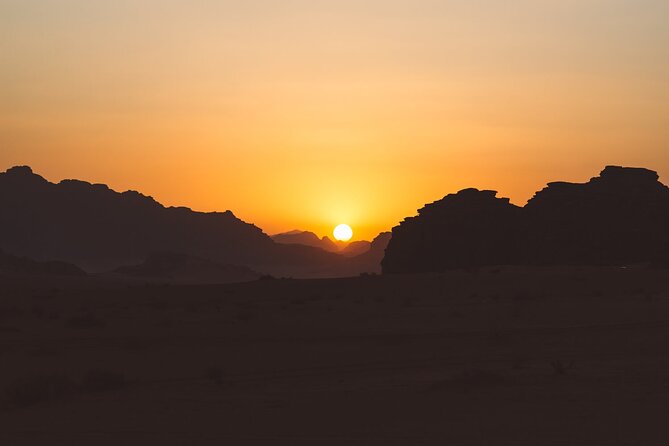
I love how this private setup keeps the experience calm. Instead of steering around other people’s pace and photo timing, you’re with your own guide and your own group. That usually means fewer interruptions and more meaningful time at the sites that matter to you.
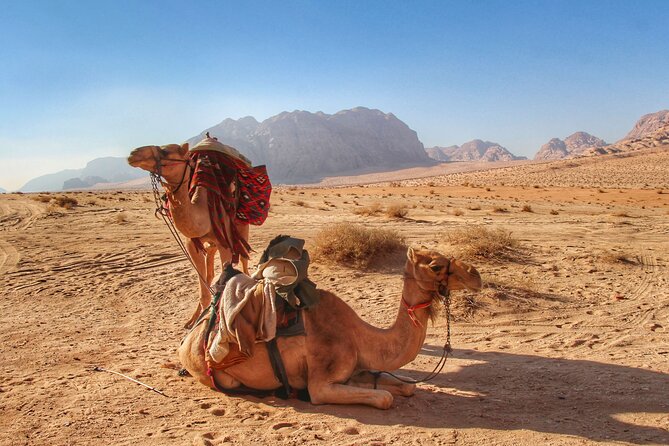
It also changes the photo experience. You can take your time getting shots of your camels and the scenery—dunes, canyons, and rock formations—without feeling like you’re holding up a line. In a place like Wadi Rum, where the light and wind can shift quickly, having control over your timing is a real advantage.
That said, private tours can be slightly less flexible than you might hope if you’re relying on a fixed departure schedule. The good news: this tour is built around a simple meeting point (Wadi Rum Rest House) and a defined ride duration (about 3 to 4 hours), so you’re not stuck guessing how the day will flow.
Duration, Timing, and What Your Remaining Day Looks Like
The tour summary calls it about 3 to 4 hours. That’s a sweet spot for many visitors because it gives you Wadi Rum without stealing your whole day. After that, the rest of your day is free, which is exactly what you want if you also plan to explore Aqaba, rest, or see other parts of Jordan.
Keep in mind that the itinerary description also mentions routes that can run longer depending on whether you go in the morning or afternoon, including a longer day label in the plan. Translation: the core sights (Lawrence Spring, the Red Sand Dune, and Khazali Canyon) are consistent ideas, but the total time you spend in Wadi Rum can vary with the version of the experience you select.
If you’re heat-sensitive, afternoon or morning choices matter. The desert sun is no joke, and the guide will factor comfort and timing into the route. When in doubt, pick the time that best matches your energy level and your tolerance for strong sun.
Price Breakdown: Is $91 Worth It?
At $91 per person, this camel trek is priced for a guided, private desert experience with a few important perks. You get bottled water included, a private guide, and a plan designed to hit major Wadi Rum highlights without making you wrestle a big group.
The one extra cost you should not ignore is the Wadi Rum entrance fee. It’s 7 JD per adult, paid at the Visitor Centre, but it can be free if you have the Jordan Pass. So your real cost is either the tour price alone (with Jordan Pass) or the tour price plus the entrance fee.
Value, in my view, comes from what’s included: your guide, your private pacing, and time at meaningful stops. A cheaper camel ride elsewhere can be shorter or more rushed, which usually means less time for photos and less time to actually look at what makes Wadi Rum famous. Here, the goal is that you experience the desert, not just sit on a camel for a quick photo.
If you’re traveling with friends or family, you may also benefit from group discounts (the offer is listed). That’s worth asking about if you’re splitting the cost.
What to Pack for Camel Time in the Desert
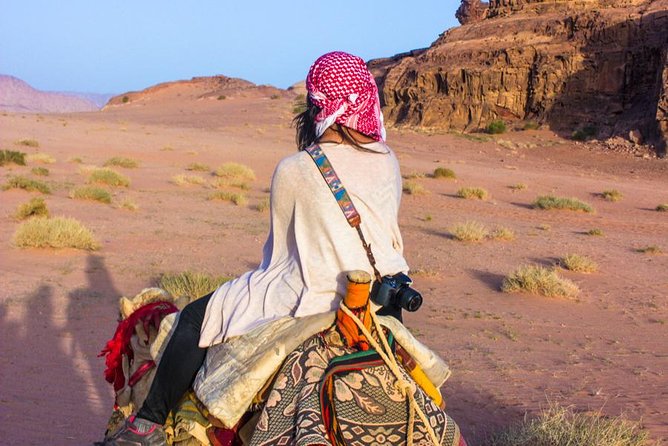
Wadi Rum’s biggest challenge is usually the basics: sun, heat, and comfort on a long sit. Since bottled water is included, focus on personal comfort and sun protection.
Here’s what I’d bring:
- Sun protection: hat and sunscreen
- Light layers you can remove or add quickly
- Closed-toe shoes with grip
- Sunglasses (desert glare is real)
- A small snack only if you know you need it, since the tour states water is included but doesn’t list meals
Also, plan for the camel saddle experience. The tour mentions moderate physical fitness, and some longer camel days can leave your legs sore. If you’re doing other hiking around the same trip, give yourself a little margin so you’re not suffering through day two.
The Team Behind the Ride: Friendly, Local, and Practical
The tour is provided by Wadi Rum Desert Eyes, and the team is strongly described as welcoming and helpful. You may interact with people such as Khaled and Muhammed during your planning and day-of experience, and on longer camel treks (like multi-day versions), you might be guided by someone like Ibrahim.
What I like about this type of desert guiding is the practical focus. You’re not just transported through a checklist. Your guide helps you choose the best route in Wadi Rum and keeps you moving in a way that matches real conditions on the ground.
That’s also why private guidance tends to feel better here. Wadi Rum is open space, but it’s still easy to feel lost without local guidance. Having someone who knows the terrain turns the desert from a big empty place into a series of interesting, reachable moments.
Who Should Book This Camel Trek
This is a strong fit if you want:
- A private Wadi Rum experience instead of a big group ride
- Time at major sites like Ain Abu Aineh (Lawrence Spring) and Khazali Canyon
- About half a day in the desert, with the rest of the day free afterward
- A guide-led route that prioritizes the best path and good photo stops
It’s also a good match for couples, small families, and groups of friends who want flexibility and fewer disruptions. If you’re the type who gets annoyed by crowds, you’ll probably appreciate how this keeps your attention on Wadi Rum.
If you’re not comfortable with riding animals or you’re worried about leg soreness, I’d still consider it but plan honestly. The tour calls for moderate physical fitness, and you’ll want to wear clothing that supports comfort for sitting.
Should You Book Wadi Rum: Camel Trek Adventure?
I think this is an easy yes if you’re looking for a private, efficient way to see Wadi Rum’s key features without turning it into an all-day grind. The route focus on Lawrence Spring, the Red Sand Dune, and Khazali Canyon gives you real variety—springs, dunes, and ancient rock markings—while the 3 to 4 hour timing lets you keep your day flexible.
Book it if you want calm guiding, photo time, and a desert experience that feels organized but not rushed.
Skip it or adjust expectations if you’re very sensitive to camel riding discomfort or you’re hoping for a long, multi-day trek. For most people, though, this hits a sweet spot: guided, scenic, and practical.
FAQ
Where is the meeting point for the camel trek?
You’ll meet at the Wadi Rum Rest House in Wadi Rum Village, and the activity ends back at the same meeting point.
How long is the Wadi Rum camel trek?
The experience is listed at about 3 to 4 hours.
Is this tour private or shared?
This is a private tour/activity, so only your group participates.
What’s included in the price?
Bottled water is included.
What entrance fees should I expect for Wadi Rum?
The Wadi Rum entrance fee is 7 JD per adult, paid at the Visitor Centre. It can be free with the Jordan Pass.
What sights are included on the ride?
Depending on morning or afternoon timing, the route can include riding from Ain Abu Aineh (Lawrence Spring) to the Red Sand Dune and visiting Khazali Canyon, known for ancient petroglyphs and inscriptions.
Do I need a physical ticket?
A mobile ticket is mentioned as part of the experience.
Is the activity physically demanding?
It’s recommended for travelers with moderate physical fitness level.
Can I cancel for free?
Yes, free cancellation is available up to 24 hours in advance for a full refund, based on local time cut-off.