REVIEW · SA PA
Sapa small groupe activities: 1 Day trek – Meet the locals
Book on GetYourGuide →Operated by Real Vietnam Travel Company · Bookable on GetYourGuide
Sapa’s mountain paths have a way of resetting your brain. This 1-day trek takes you from Sapa town into villages of ethnic minorities, with big rice terrace views and real conversations along the way. Two things I especially like are the stop in Laochai village (Black Hmong) for their indigo craft, and the long, steady hike that strings together multiple hill-tribe communities.
The pace is active, but it’s built around a moderate walking day. You’ll do a 3–4 hour walk plus additional time for village visits, so you’ll want decent shoes and energy for uneven trails.
One possible drawback: you’re spending a good chunk of the day hiking, and the trek isn’t suitable for babies under 1 (and alcohol/drugs are not allowed).
In This Review
- Key Points at a Glance
- Why This Sapa Meet-The-Locals Trek Feels Different From a Standard Tour
- Morning Pickup in Sapa Town: Getting on the Trail Without the Headache
- The Hike to Hmong Villages: Rice Terraces, Forest Trails, and Big Valley Views
- Laochai Village and the Black Hmong Indigo Craft Stop
- Lunch on a River Bank: Fueling Your Afternoon Walk
- Afternoon Villages, Suspension Bridges, and the Tavan Village Arrival
- What’s Included (and Why It Makes This Price Easier to Trust)
- Guides Matter: English Support and the Impact of a Great Host
- Small-Group Feel: Comfort, Pacing, and a More Human Pace
- Things to Plan For: Fitness, Phone Info, and What You Must Bring
- Price Notes and Extra Charges You Should Not Miss
- Should You Book This Sapa Trek? My Practical Take
- FAQ
- What time does the Sapa trek start?
- Where is the meeting point in Sapa?
- How long do I walk on this tour?
- Which villages will we visit?
- Is lunch included?
- Is an English-speaking guide provided?
- What is included in the price?
- What should I bring for the hike?
- What extra fees might apply?
- Is the tour suitable for everyone?
Key Points at a Glance
- Black Hmong indigo craft in Laochai: Learn about the textile tradition and meet the people behind it.
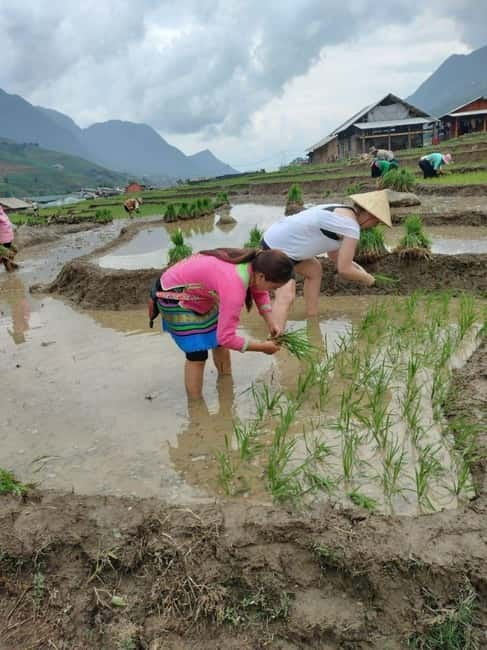
- Rice-terrace valley views: Expect lush green scenery as you hike toward and between villages.
- Lunch by a river bank: A local meal stop that breaks up the day before the next villages.
- Suspension bridges and hill-tribe villages: The route includes bridge crossings and multiple communities.
- English-speaking guide plus entrance fees: You’re not piecing together the details yourself.
Why This Sapa Meet-The-Locals Trek Feels Different From a Standard Tour
In Sapa, it’s easy to get stuck in a loop: ride, photo, repeat. This day trek is different because it’s structured around time on foot and time in villages, not just viewpoints. You start in town, climb and walk along trails, and your day naturally turns into a conversation—through daily life, handmade textiles, and the way people live in the valley.
I also like that it doesn’t try to rush you through one single “cultural stop.” Instead, the route strings together multiple ethnic villages and includes a few physical moments that make the valley feel real: the suspension bridge crossings, the gradual rhythm of the trails, and the repeated chances to look down over terraced fields.
The experience is best for you if you enjoy walking and you want cultural contact that feels unforced—ask questions, listen, and be respectful. If you’re looking for a sit-down day with minimal effort, this one will feel too active.
You can also read our reviews of more tours and experiences in Sa Pa.
Morning Pickup in Sapa Town: Getting on the Trail Without the Headache
The day starts at 8:30. Your guide picks you up at your hotel in Sapa Town, or you meet at the operator office at Vietnam Nomadtrails, No 13 Tue Tinh Street, Sapa. The meeting point is also your backup plan: you should be there 15 minutes early so you don’t lose daylight waiting around.
This is one of those details that matters more than it sounds. A trek like this lives and dies by timing—if you start late, your walking and village time compress. Starting on schedule helps you actually enjoy what you came for: trails, terraces, and the village visits.
Also bring a practical mindset. You’ll need comfortable clothes and sports shoes, because the path won’t be smooth like a city sidewalk. If you’re tempted to wear brand-new shoes, don’t. A better choice is something that’s already comfortable after a few hours.
The Hike to Hmong Villages: Rice Terraces, Forest Trails, and Big Valley Views
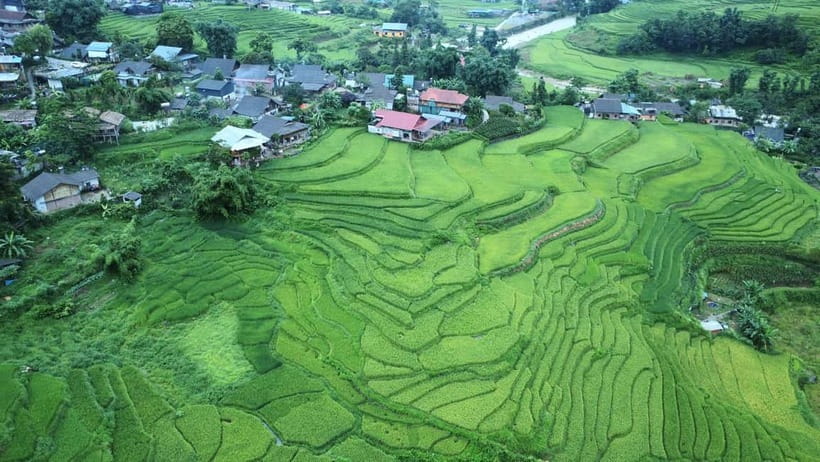
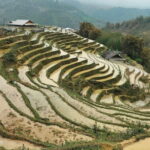
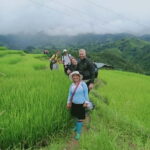
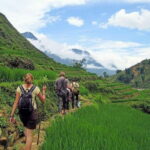
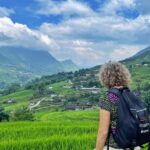
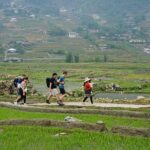
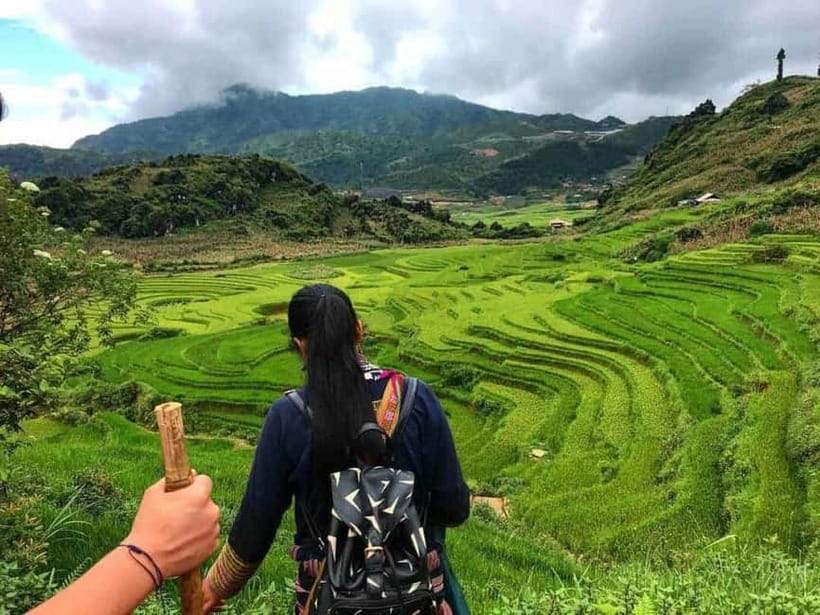
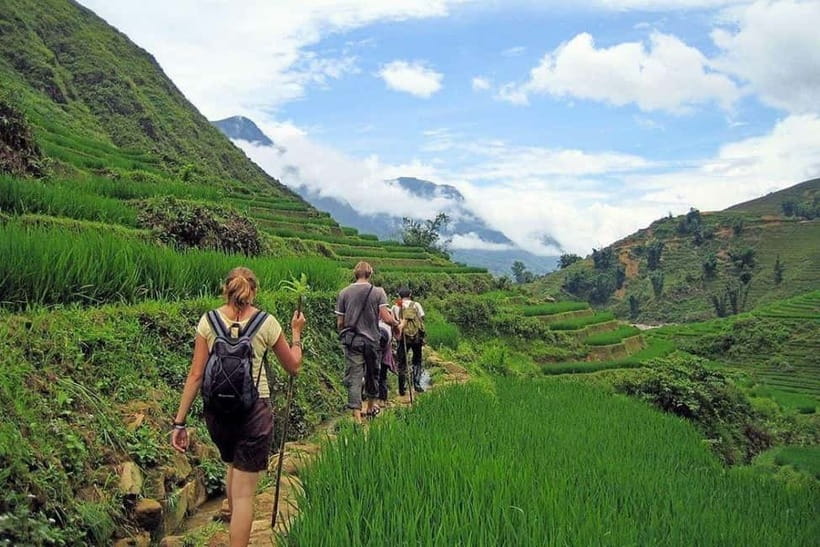
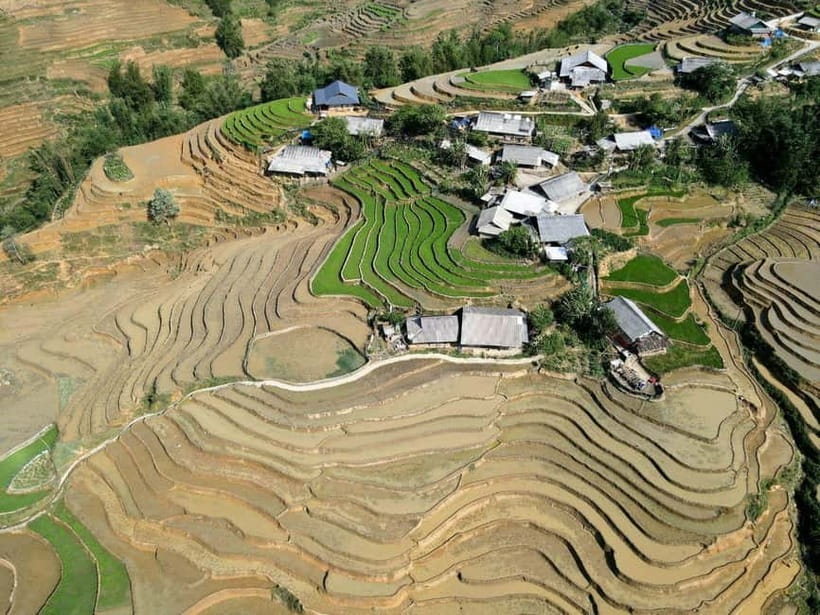
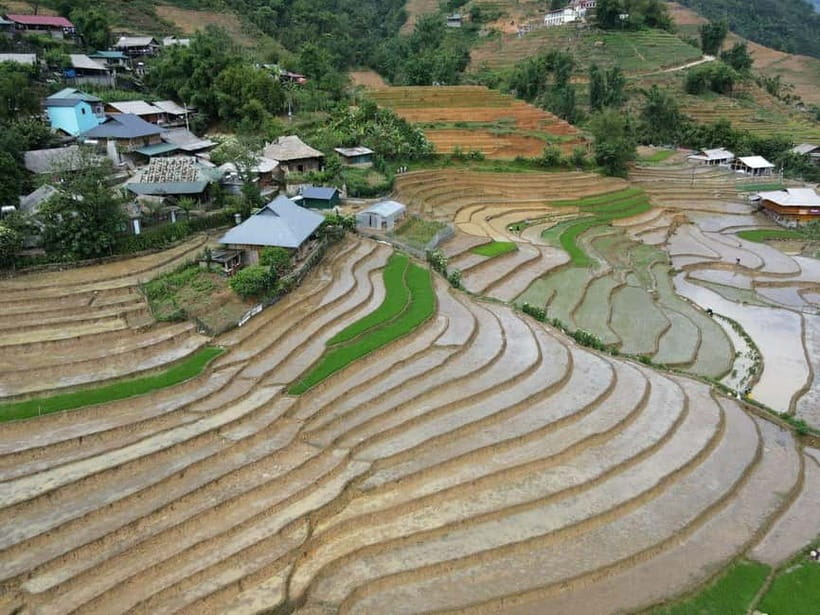
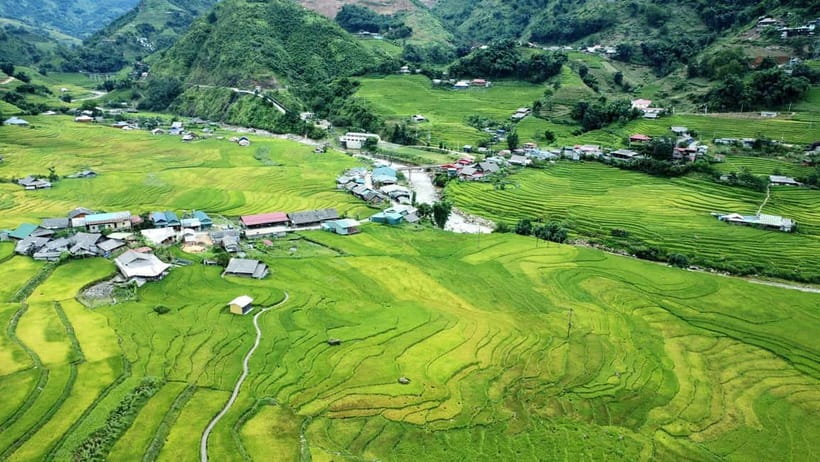
Once you’re moving, the plan is straightforward: you hike on stunning trails toward ethnic villages, with views over a lush green valley and very beautiful rice terraces. You’ll see the kind of Sapa scenery that makes you pause without needing a guide to hype it.
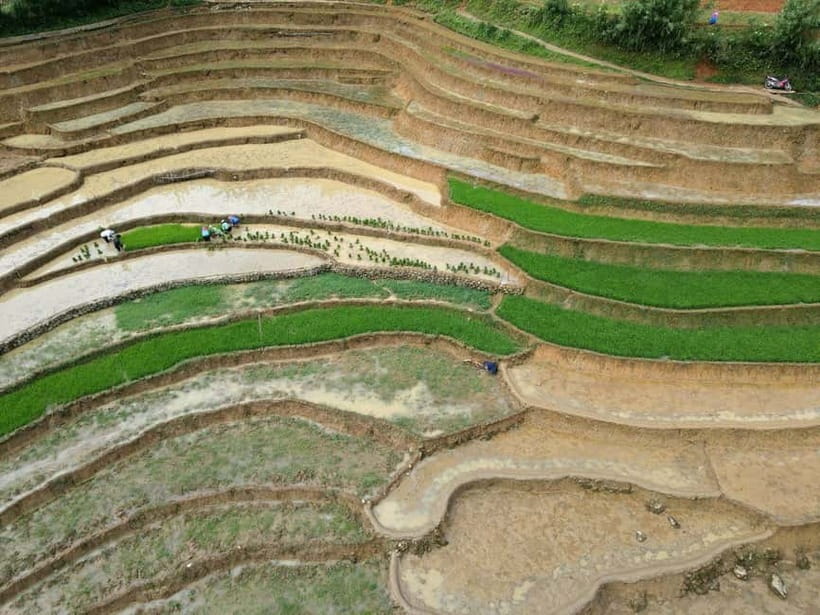
As you walk, you get a sense of scale. Rice terraces aren’t just pretty fields—they’re living workspaces. Seeing them from the trail helps you understand why people built communities in these mountain areas instead of only in lowlands.
This part also sets expectations for fitness. The trek includes a 3–4 hour walk, and that’s before you count village time and any stops for photos or questions. If your idea of “moderate fitness” means short walks and frequent breaks, you might want to plan for slower pacing. The trails are the main event here.
Laochai Village and the Black Hmong Indigo Craft Stop
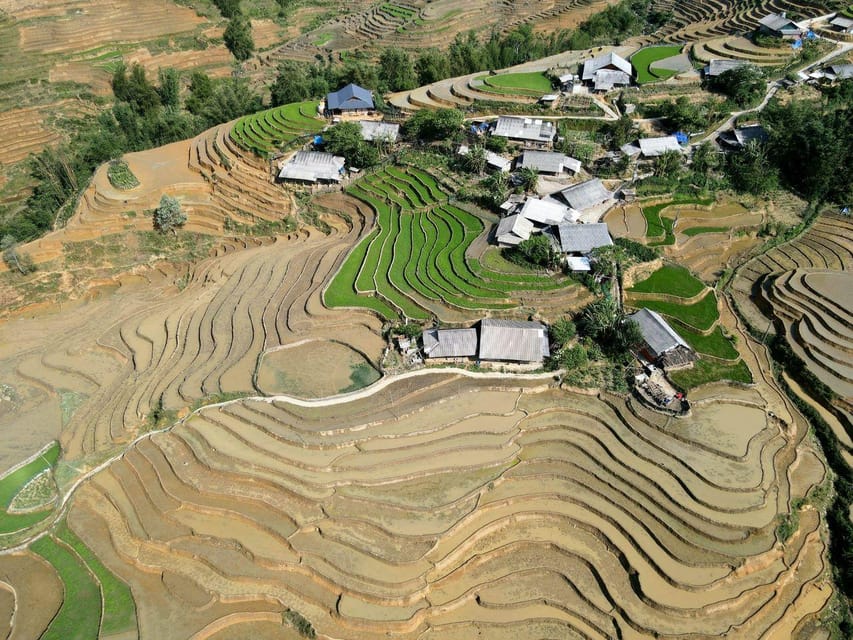
The first big cultural anchor is Laochai village, home to the Black Hmong. Laochai is known for indigo handicraft, and this is your chance to meet and interact with the community in a respectful, human way—not a quick photo op.
What makes this stop valuable is the focus on craft. Textiles carry more than beauty; they carry technique, identity, and daily knowledge. Even if you don’t buy anything, you’ll likely leave with a clearer idea of how traditions connect to work, materials, and local life.
If you do want to purchase something, keep your expectations realistic: these are handmade items and time is involved. The best approach is to ask questions first—what something is made from, how it’s done, and what it means locally—then decide. That usually leads to a better conversation and a better purchase, if you choose to get one.
And yes, the group gets to relax a bit here too. It’s not nonstop movement; village time is part of the point.
Lunch on a River Bank: Fueling Your Afternoon Walk
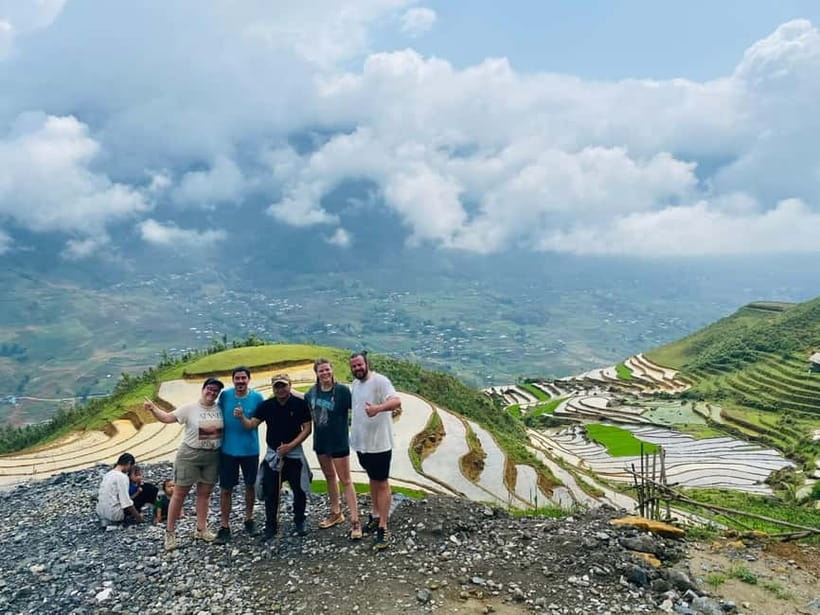
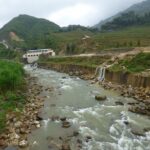
After the morning village visit, you’ll have lunch in a local restaurant on a nice river bank. This matters because it breaks the day into two clear halves: hike + village learning, then a proper pause, then more walking.
If you’re the type who gets cranky when you miss meals, build on this. Lunch is included, and there’s water (1 liter per person) included as well. That’s a real quality-of-life detail on a walking day in the mountains—less fuss, less decision fatigue.
One practical note: because alcohol is not allowed on the trip, your lunch break stays oriented around the hike rather than turning into a party stop.


Afternoon Villages, Suspension Bridges, and the Tavan Village Arrival
After lunch, the route keeps moving. You continue hiking through different hill tribe villages and cross some nice suspension bridges. Those bridge crossings are more than scenery. They add a bit of variety to the day and give you those “you are really here” moments that you usually only get when you’re walking rather than driving.
Then you arrive in Tavan village, where you’ll explore different tribes’ way of living and colorful cultures. The wording of the experience stays practical: you’re there to observe and connect through everyday life, not just to tick boxes.
This afternoon section is also where good footwear pays off. Even if you feel fine in the morning, afternoon trails can still be tricky. Keep your footing careful, take your time on bridge sections, and use the guide’s pacing.
What’s Included (and Why It Makes This Price Easier to Trust)
At $33 per person, the value comes from what you don’t have to manage yourself. The trip includes:
- English-speaking guide
- Lunch
- Entrance fee
- Water 1 liter per person
- Transport from village back to Sapa
For a Sapa day trek, that’s a solid mix. Guides can be the difference between a “look at villages” day and a “learn and talk” day. Lunch included is also big. It reduces the risk of choosing a random eatery while you’re tired and hungry.
The entrance fee being included matters too. It suggests the operator is handling access and village entry basics, rather than dumping that workload onto you.
If you’re comparing prices, don’t only look at the number. Compare the inclusions. For this day, the structure is doing real work for you.
Guides Matter: English Support and the Impact of a Great Host
The tour runs with an English speaking guide, and that’s not a small detail in the mountains. Communication affects how much you understand during the village stops—especially around traditions like indigo work.
The guide I saw highlighted in the feedback is My. In one review, My contacted the traveler in advance to clarify timing, and the traveler said My explained local culture and even helped them see local houses. Another review also called the guide amazing and strongly recommended the tour.
That kind of guidance changes the feel of a trek. When the guide knows how to pace you and translate what you’re seeing, the day turns from “walking and looking” into “walking and understanding.”
Small-Group Feel: Comfort, Pacing, and a More Human Pace
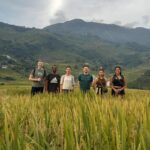
This is listed as a small group trek, which usually means a better chance at manageable pacing. On a 3–4 hour walk plus village stops, the difference between a huge group and a small one is practical: fewer waiting moments, less crowding at village entry points, and more space for questions.
I can’t promise a specific number because it isn’t given, but I can tell you what to look for in a small-group day: you should feel guided and not herded. Your best sign is whether the day flows as a conversation and not as a conveyor belt.
Things to Plan For: Fitness, Phone Info, and What You Must Bring
This trek includes a 3–4 hour walk, and the fitness level is described as moderate. That means: you don’t need to be a mountaineer, but you do need to be comfortable walking for hours on uneven ground.
Before you go, plan for these essentials:
- Bring comfortable clothes and sports shoes
- Provide a phone number with WhatsApp
- Share your hotel address in Sapa
Also follow the rules. Alcohol and drugs are not allowed, and the trip is not suitable for babies under 1.
Price Notes and Extra Charges You Should Not Miss
Most of your core costs are covered in the $33 price structure via included items. Still, there are two notable surcharges that can affect your final total:
- Lunar New Year surcharge (from 9 Feb to 14 Feb 2024): $20 per person, paid at the meeting point
- French-speaking guide surcharge: $12 per person, paid at the meeting point
If you’re traveling during that Lunar New Year window, don’t be surprised by the extra cost. And if you prefer French and that’s offered, expect an additional fee.
Should You Book This Sapa Trek? My Practical Take
Book it if you want a day that’s built around walking, villages, and cultural interaction, not just quick sightseeing. If you like rice terraces, enjoy learning about the Black Hmong and indigo craft, and you’re okay with a moderate hiking schedule, this is a strong fit.
Skip it if you’re hoping for a mostly easy day with minimal walking time. The trek includes a 3–4 hour walk, plus additional village visits, so your comfort depends on your willingness to be active.
Also consider booking it if you value good guiding. The mention of My as an attentive guide—contacting you in advance and sharing local culture—signals the experience can feel personal when the guide is good.
If your goal is to come away with real understanding of mountain village life in Northern Vietnam, this one has the structure to do that.
FAQ
What time does the Sapa trek start?
The tour pickup starts at 8:30. If you use the meeting point, be there 15 minutes before departure.
Where is the meeting point in Sapa?
The meeting point is 13 Tue Tinh Street, Sapa. You can also be picked up from your hotel in Sapa Town.
How long do I walk on this tour?
The trip includes a 3–4 hour walk as part of the day trek.
Which villages will we visit?
You will visit Laochai village (Black Hmong) in the morning, then continue through other hill tribe villages and arrive in Tavan village in the afternoon.
Is lunch included?
Yes. Lunch is included at a local restaurant on a river bank.
Is an English-speaking guide provided?
Yes. The tour includes an English speaking guide.
What is included in the price?
Included are the English-speaking guide, lunch, entrance fee, water (1 liter per person), and transport from the village back to Sapa.
What should I bring for the hike?
Bring comfortable clothes and sports shoes.
What extra fees might apply?
There is a Lunar New Year surcharge (9 Feb to 14 Feb 2024) of $20 per person, and there’s also a $12 per person surcharge if you want a French-speaking guide.
Is the tour suitable for everyone?
It’s not suitable for babies under 1. You should have moderate fitness because the trek includes several hours of walking. Alcohol and drugs are not allowed.