REVIEW · TETEBATU
Mt Rinjani Trekking 2 Days 1 Night Summit
Book on Viator →Operated by HaLoMi Trekker · Bookable on Viator
Two days to earn a summit sunrise.
This private 2D/1N Mt Rinjani trek takes you from Sembalun to the crater rim for camping, then up to the top and back down again, with a guide who also does the photo work. I like how the trip bundles in real hiking essentials, including meals and bottled water, and how teams such as Mr Sinjan and Uki have been praised for keeping things fun and organized.
I also love the way the itinerary uses your arrival day well, with a waterfall outing at Sindang Gile and Tiu Kelep before the tough push. One consideration: the final climb can be physically demanding, and there’s at least one report of a health-and-safety call going wrong when someone became hypothermic near the summit, so you’ll want to take cold-weather prep seriously.
In This Review
- Quick highlights that matter
- Sembalun to the crater rim: what the 2D/1N format really means
- Day 1 on Lombok: briefing plus the waterfall detour at Sindang Gile & Tiu Kelep
- Day 2 hike to Sembalun crater rim campsite: pacing, carrying, and the night ahead
- Day 3 sunrise summit and the walk down to the village
- Your guide and photo support: from Wir to Adi to Mul
- Price and logistics: what you’re paying for at $280 per person
- What to pack (and what to skip) so you don’t suffer unnecessarily
- How hard is it, and what happens when weather changes
- Bonus day pairing: waterfall + the free boat transfer to Gili
- Should you book HaLoMi Trekker’s Mt Rinjani 2D/1N summit trek?
- FAQ
- What’s the meeting time for the trek?
- Is this a private tour?
- What’s included in the price?
- What isn’t included?
- Do they provide a vegetarian option?
- Do you get picked up and dropped off?
- Is there a waterfall tour and where does it fit?
- Is there a transfer to Gili after the trek?
- What’s the cancellation policy?
Quick highlights that matter
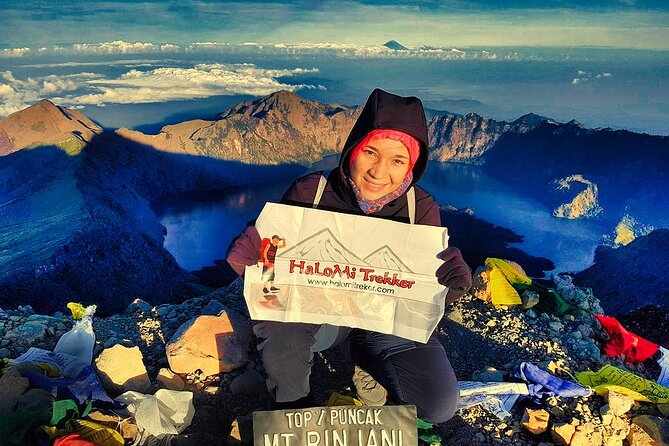
- Private group hiking means it’s just your people, not a mixed crowd you have to manage.
- Crater-rim camping is part of the classic Rinjani rhythm, so Day 3 starts early and focused.
- Waterfall time first (Sindang Gile and Tiu Kelep) turns arrival into a useful warm-up day.
- Photo-included guidance: you’re not just sent forward; your guide/photographer captures the effort.
- Value in the package: park fees, environmental reef tax, meals, bottled water, and transport are included.
- Weather can shape plans: at least one team got a late-weather turn and adjusted how far they could go.
Sembalun to the crater rim: what the 2D/1N format really means
This is a 2 days, 1 night summit-style trek, but the overall flow is about 3 days total with pickup timing and the handoff to your next plan afterward. You’ll start from Sembalun, gain altitude through steady hiking, camp on the crater rim area, and then go for the summit very early on Day 3.
The big advantage of this format is that it’s intense but efficient. You’re not spending extra days grinding through trail just to reach basic camps—you’re aiming for sunrise-style momentum and a return to the village on the last day.
Because it’s private, you also get more flexibility in how the day is paced for your group. That matters on Rinjani where footing, breath, and energy levels can shift fast.
The practical catch is that a tight schedule puts more pressure on you to be prepared. If you’re tired, cold, or carrying too much, there’s less margin than on longer itineraries.
You can also read our reviews of more tours and experiences in Tetebatu.
Day 1 on Lombok: briefing plus the waterfall detour at Sindang Gile & Tiu Kelep
Day 1 begins with a briefing, then it swings into nature time with Sindang Gile and Tiu Kelep Waterfall visits. This is a smart move because it gives you something scenic and memorable before the hardest hiking blocks.
Waterfalls also help you understand what kind of conditions you might face outdoors: misty air, damp paths, and slippery spots. It’s a good reminder to wear grippy footwear and keep your daypack organized so nothing important gets soaked.
If you’re worried about timing, keep this in mind: the Day 1 waterfall block is your “get oriented” phase. You’re also still within the window where energy is higher, so you can enjoy these sights without thinking about fatigue planning.
One more value point: this kind of arrival-day sightseeing makes the trek feel like a complete mini-expedition, not just a transfer and then a hard overnight hike.
Day 2 hike to Sembalun crater rim campsite: pacing, carrying, and the night ahead
Day 2 is the start of the main hike, moving toward the Sembalun crater rim campsite. Expect a long day of walking where steady effort beats bursts of speed. The summit push on Day 3 depends on how well you save energy overnight.
A lot of the positive feedback centers on how guides and porters handle the logistics. Several accounts mention that porters did the heavy lifting for camp, so hikers mostly focused on personal items, not hauling tents or bulk supplies.
Meals matter here, too. Accounts describe getting well-fed on the trek, with enough water supply until descent, plus snacks along the way. That’s not just comfort—it’s what helps you keep moving when the body starts negotiating.
That night on the rim is where the trip becomes real: you’re camping, not hotel-hopping. I’d plan on sleeping conditions that are more outdoors than indoors, and I’d treat cold and wet as potential issues rather than surprises.
Day 3 sunrise summit and the walk down to the village
Day 3 is the big moment: hike up to the summit and then walk down to the village. Multiple accounts specifically call out summit at sunrise, which is exactly the kind of timing you should expect for a sunrise-focused trek schedule.
Once you’re up, the rest of the day becomes about safe, controlled descent. Your knees will feel it, and your legs will remind you that two days can still mean a lot of work. One account joked about being worth it despite leg aches—very Rinjani.
The descent also changes the emotional pace. The top gives you the payoff, but the walk down is where you need to stay alert to slip risk and fatigue. It’s not glamorous, but it’s the part that turns a great climb into a safe completion.
After you reach the village, your transport chain takes over, including the next-step transfer options that HaLoMi provides.
Your guide and photo support: from Wir to Adi to Mul
This is not just a “walk with someone” setup. HaLoMi Trekker includes driver/guide support, a local guide, and a professional photographer guide. In practice, that means you’re more likely to have guidance on pace and safety points, and you get help capturing the trip without you constantly stopping to manage your own camera.
The most praised part is how guides and porters take care of the group. Names that show up in positive experiences include Mr Sinjan, Uki, Wir, Adi, Mul, Eddie, Andy, and Hendri. Porter names like Wirnadi and Jitrani also appear in strong feedback, especially around teamwork and hard-working camp support.
One smart tip comes through clearly from the strongest pieces of advice: follow their packing list. If someone in the team gives you a gear checklist, take it seriously. It’s usually made for the trail conditions they expect to manage.
One balanced note: there’s at least one account that questions health-and-safety judgment during a hypothermia situation late in the climb. That doesn’t mean every guide will handle emergencies the same way, but it’s a reminder to be honest about your condition and to treat cold-weather gear as non-negotiable.
Price and logistics: what you’re paying for at $280 per person
At $280 per person, the value mainly comes from what’s bundled rather than what’s left for you. You get national park fees, environmental management (reef tax), local taxes, trekking meals (breakfast, lunch, dinner during the trek), coffee/tea, snacks, bottled water, and overnight accommodation.
You also get private vehicle transport and hotel/port pickup and drop-off. On an island like Lombok, that matters because it reduces the amount of negotiating you’ll do on arrival and departure day.
There’s another big cost lever hidden in the details: the package includes a guide and photographer support team. If you tried to piece together equivalents yourself, that staffing component usually costs more than people expect.
Now the trade-off: gear and some extras are not included. You’ll need to budget for a head lamp/hand torch, trekking shoes, and a trekking jacket, plus a small daily pack and long pants. Tips for guides and porters are also on your list of potential extra costs.
What to pack (and what to skip) so you don’t suffer unnecessarily
The “not included” list is basically your packing script. At minimum, bring or purchase what you need for:
- A headlamp or torch (important for early starts and camp timing)
- Trekking shoes (you want grip on uneven, possibly damp ground)
- A trekking jacket and long pants (cold can show up fast as you climb)
- A small backpack/daily pack (so you can carry personal items cleanly)
Also plan around what you might not want to carry. Several positive accounts describe a setup where porters handle much of the camp gear and hikers only carry personal belongings. That’s great, but it only works if you keep your “personal” load reasonable.
One more practical point: the trip includes enough water for the trek, but you’ll still feel better if you follow your body. Drink consistently and don’t save thirst for later.
And if you’re a vegetarian, there’s an option—tell them at booking so meals match your needs.
How hard is it, and what happens when weather changes
You’re looking at a physical challenge, and the trek can be hard work even for fit people. Accounts mention heat and humidity as factors, along with the reality that the summit day is quite demanding. Another theme is that good guides and porters can make the climb feel more manageable, especially with pace and care.
Weather matters on Rinjani. At least one account notes that weather got too bad and the team adjusted how far they could safely go. That means you should treat weather as part of the trip, not an external problem.
If you want to maximize your odds, your best move is to go into this with flexibility. The more prepared you are physically and mentally, the easier it is for the team to respond to whatever the mountain throws at them.
Bonus day pairing: waterfall + the free boat transfer to Gili
One of the easiest ways to turn this into a fuller Lombok visit is using HaLoMi’s add-ons. Day 1 includes the waterfall outing, and after the trek you get a free boat transfer to Gili Island.
That post-trek transfer is especially useful because trekking days are exhausting. You don’t want to spend your last energy bargaining for transport.
In a couple experiences, the handoff involved a harbour stop and then a boat onward, including transfers linked to Gili Air. Exact routing can vary, but the key point is you’re not left stranded to plan the next step alone.
If you’re building a trip that combines mountain views with beach time, this is a tidy way to do it without overcomplicating your schedule.
Should you book HaLoMi Trekker’s Mt Rinjani 2D/1N summit trek?
Book it if you want a private, guided summit attempt that’s set up like a complete package: camping, meals, park fees, water, transport, and even photo support. The strongest feedback points to solid organization, good food, and guides who keep people safe and moving, with special shout-outs to guides such as Wir, Adi, Mul, Eddie, Andy, and Hendri.
Don’t book it if you’re not ready for a serious outdoor effort. You’ll also want to double-check gear needs because key items like shoes, a jacket, and a torch aren’t included. And if you’re sensitive to weather risk, understand that conditions can cause route adjustments.
One more real-world reason to think carefully: the experience is non-refundable and can’t be changed for any reason. If your plans are fragile, make sure you’re committing to the dates.
If you match the challenge level and you’re willing to pack properly, this trek looks like a strong value way to experience Mt Rinjani in a tight, memorable 2 days on the mountain.
FAQ
What’s the meeting time for the trek?
The start time is 8:00 am.
Is this a private tour?
Yes. It’s listed as a private tour/activity, meaning only your group participates.
What’s included in the price?
The package includes overnight accommodation, national park fees and environmental management charge, meals during the trek (breakfast, lunch, dinner), bottled water, coffee/tea, snacks, and guide/driver/photographer support. It also includes hotel/port pickup and drop-off and private vehicle transport.
What isn’t included?
Not included are alcoholic drinks, a small bag/daily pack, head lamp/hand torch, trekking shoes, trekking jacket, airplane tickets, extra porter for your own luggage, long pants/trousers, and tips for guides/porters.
Do they provide a vegetarian option?
Yes, a vegetarian option is available. You should advise them at booking.
Do you get picked up and dropped off?
Yes. Pickup and drop-off are offered, and the service says they can pick you up and drop you anywhere on mainland Lombok that works for you.
Is there a waterfall tour and where does it fit?
Yes. There’s a waterfall visit on arrival day to Sindang Gile and Tiu Kelep Waterfall.
Is there a transfer to Gili after the trek?
Yes. There’s a free bonus boat transfer to Gili Island after the trek.
What’s the cancellation policy?
The experience is non-refundable and cannot be changed for any reason. If you cancel or request an amendment, the amount you paid is not refunded.