REVIEW · TETEBATU
Trekking To Pergasingan Hill
Book on Viator →Operated by HaLoMi Trekker · Bookable on Viator
A hill climb with big-mountain rewards. That’s the charm of trekking to Pergasingan Hill: you get some of the best views over East Lombok and the Rinjani backdrop, without the full grind of a Mount Rinjani challenge.
I like how the trip is built around variety—waterfalls, villages, and a sunrise-sunset camp—so the day doesn’t feel like one long slog. I also like that you’re not hauling your whole life on your back: you’re provided camping gear (tent, sleeping bag, sleeping mat) and full board meals, which makes this feel like a real mountain outing rather than just a walk.
One consideration: this is still a hike up to a hill around 1700m, so you’ll want decent stamina even if the climb is under 3 hours at a steady pace.
In This Review
- What stands out beyond the photos
- Key things to know before you go
- Pergasingan Hill: the easier Rinjani view option (without skipping the magic)
- What your $183.59 really covers on this Lombok trek
- Waterfall day: Sindang Gile and Tiu Kelep in East Lombok
- Selong Hill and Sembalun Village: viewpoints with context
- Pergasingan Hill ascent: what under-3-hours really means for you
- Camping at the top: meals, comfort, and the calm of altitude
- Guides and porters: how care shows up in real time
- Timing, weather, and your best strategy for the views
- What to bring (so you can focus on walking)
- Who this trek is best for (and who should consider other options)
- Should you book Pergasingan Hill with HaLoMi Trekker?
- FAQ
- How long is the Pergasingan Hill trek?
- What places do you visit during the trip?
- What’s included in the price?
- What should I bring?
- Is the hike to Pergasingan Hill suitable for most people?
- What if weather is bad?
What stands out beyond the photos
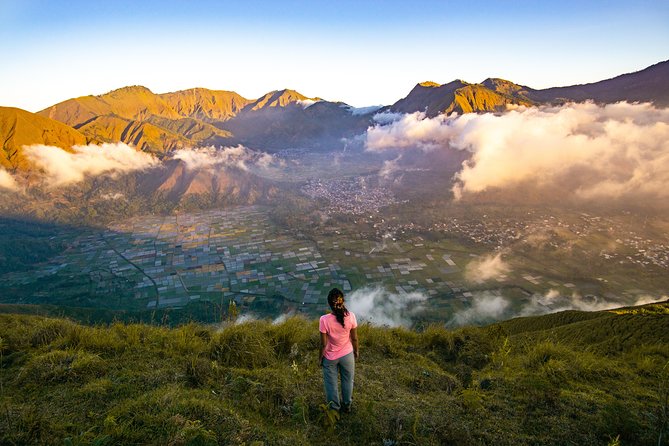
The Pergasingan portion is often sold as an alternative when Rinjani is closed, and that’s a smart idea. When visibility cooperates, the panorama from the top can feel like a front-row seat—Rinjani in the distance, plus sweeping views of Sembalun below.
On the practical side, you’ll get a local guide and porters, and in the better runs (with good weather), the whole group stays moving and comfortable. If the weather turns, the experience can be adjusted, so plan on flexibility.
Key things to know before you go
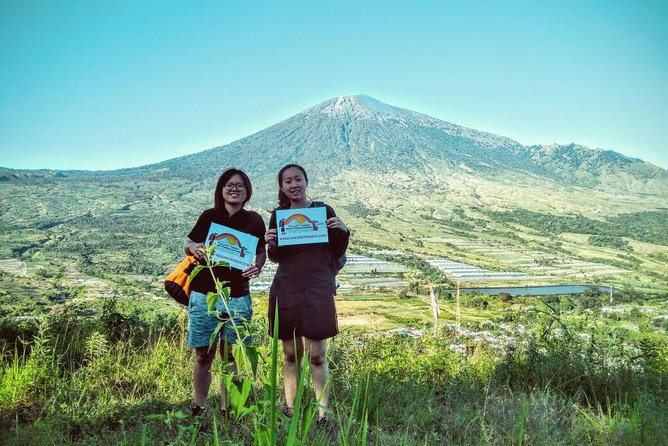
- Pergasingan Hill at ~1700 ASL gives you a big Rinjani view with a shorter climb than Rinjani itself.
- Sindang Gile and Tiu Kelep waterfalls break up the trek day with a nature-and-water reset.
- Selong Hill and Sembalun Village add cultural context and fresh viewpoints before the main hike.
- Camping gear + full board meals means you can travel light and still sleep comfortably at the top.
- Under-3-hours uphill is the common target, with pace varying by group and conditions.
- Local guides and porters keep the hike safe and the camp setup smooth.
You can also read our reviews of more tours and experiences in Tetebatu.
Pergasingan Hill: the easier Rinjani view option (without skipping the magic)
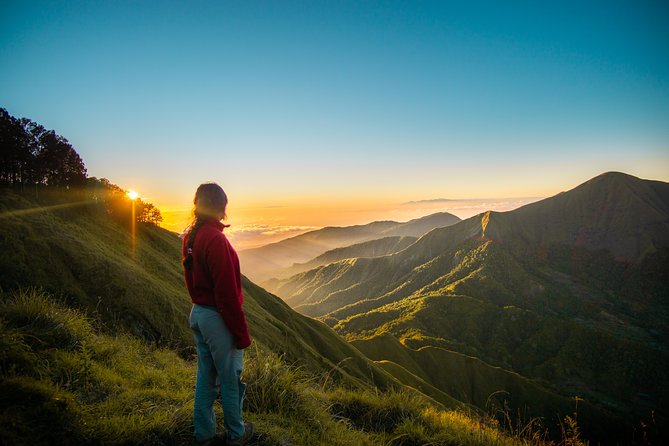
Pergasingan Hill is in Sembalun Village, East Lombok, around 1700m above sea level. The big selling point is the view: when the conditions are right, you can see Rinjani in the background, plus sweeping scenery over Sembalun.
What makes this hill special is that it’s basically a mountain experience in a smaller package. You don’t need weeks of training or a hardcore mountaineering mindset. You do need to be ready for a climb that works the legs, especially when you’re doing it after a day that already includes waterfalls and time outside.
It also helps that the area is now a natural park (TWA Pergasingan Hill). That matters because you’re not wandering in a random spot; you’re hiking in a place with established visitor flow, camping areas, and a route that’s designed for people to experience the views safely.
What your $183.59 really covers on this Lombok trek
At $183.59 per person for about 2 days, the value comes from what’s included rather than from the price tag alone.
You’re getting:
- All transfers in and out, so you’re not figuring out local transport while tired
- Professional local guide and porters (important on a mountain route)
- Camping chair + full camp setup: tent, sleeping bags, sleeping mats
- Full board meals and unlimited drinking water
- All fees and taxes
Then you keep just a couple things in your lane:
- Bring a small bag / daily pack
- Budget for tips for your guide and porters
Here’s the practical way to think about it: the most expensive part of this kind of trip is usually logistics and carrying. By providing camp gear and taking care of transfers and staff, this keeps the trek focused on the walking and the view, not the planning.
If you like hiking but hate the “camping scavenger hunt” feeling, this setup tends to fit well.
Waterfall day: Sindang Gile and Tiu Kelep in East Lombok
Your trek includes Sindang Gile Waterfall and Tiu Kelep. These stops are more than pretty scenery. In places like this, waterfalls are also a rhythm breaker: they reset your senses after hours on uneven ground, and the misty air can make the surrounding jungle feel cooler and more alive.
You should also expect that getting near waterfalls can mean slippery footing and wet rock. It’s not just “look and walk away.” The experience is tied to being out there, moving carefully, and taking your time.
A small but real tip: pack footwear you trust on wet terrain, and plan to move slowly near the water. The fun factor stays high when nobody is rushing.
Also, the waterfall portion works as a warm-up mindset. Your body learns the tempo, your breathing settles, and by the time the climb to Pergasingan starts, you’re not starting from zero.
Selong Hill and Sembalun Village: viewpoints with context
After the waterfall circuit, you head toward Selong Hill and then Sembalun Village. These stops matter because they give you contrast.
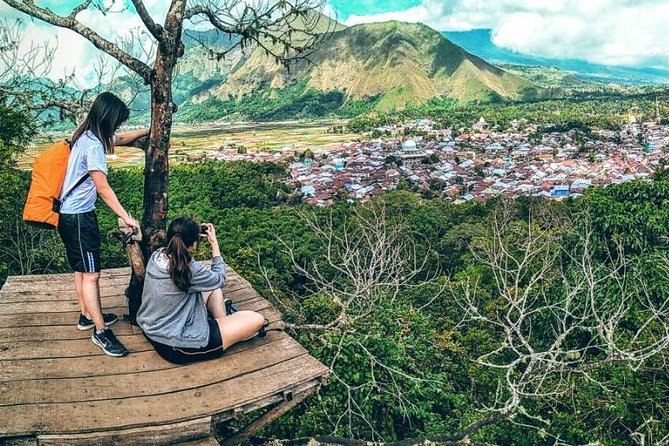
Selong Hill is a viewpoint stop. Even if you’re not staring at a single peak, you’re getting that “high ground” feeling—depth, distance, and the sense that the region is wide open. This is the kind of scenery that helps you understand where Pergasingan fits into the bigger picture of Lombok’s mountains.
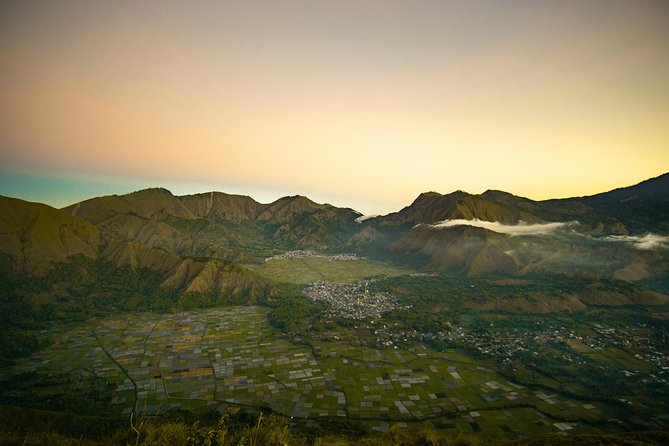
Sembalun Village adds the human layer. You’re not only hiking through nature; you’re moving through a living agricultural area. It’s also where the views connect. From the hill later, you’ll look down and recognize the shapes and patterns of the village and surrounding fields.
If you enjoy travel that feels grounded—people, place, and terrain—these stops do a lot of work.
Pergasingan Hill ascent: what under-3-hours really means for you
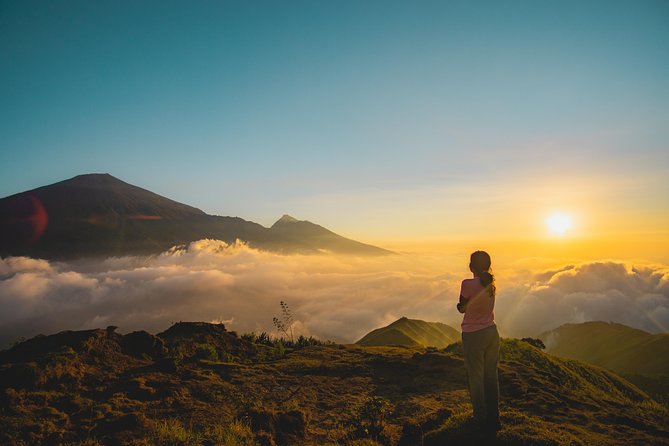
The climb to Pergasingan Hill is described as less than 3 hours from the lower area, and some hikers manage it in around 2 hours depending on pace and conditions. That range is the most useful thing to know.
So how should you plan your energy?
- Go slow at the start. The first part sets the pace for everything after.
- Keep your breathing steady. If you spike your effort early, you’ll feel it at the steep sections.
- Expect the route to be physically active. This is not a stroll.
At the top, the payoff is the panorama: you can see Sembalun below and Rinjani in the background when visibility is good. The timing is also key. Pergasingan is known for sunrise and sunset from the camping area, and the viewing vibe is the heart of this trip.
Even if you don’t catch the sky at its absolute best, you still get the mountain mood: open air, wide views, and a feeling that you’re standing on the edge of something bigger.
Camping at the top: meals, comfort, and the calm of altitude
Camping is one of the big reasons to choose this style of tour. You’re not improvising gear. You’ll have tent, sleeping bag, and sleeping mat, plus a camping chair.
That comfort matters. At altitude, temperatures can feel different than at sea level, and if you’re cold and uncomfortable, your “sunrise plan” turns into a misery plan. Having the right basics in place keeps your focus on the reason you came: the views and the mountain atmosphere.
Food is another highlight in the experience. It’s part of the value because you’re not stopping to hunt meals after a long day of walking. You’ll get full board meals, with no limit drinking water.
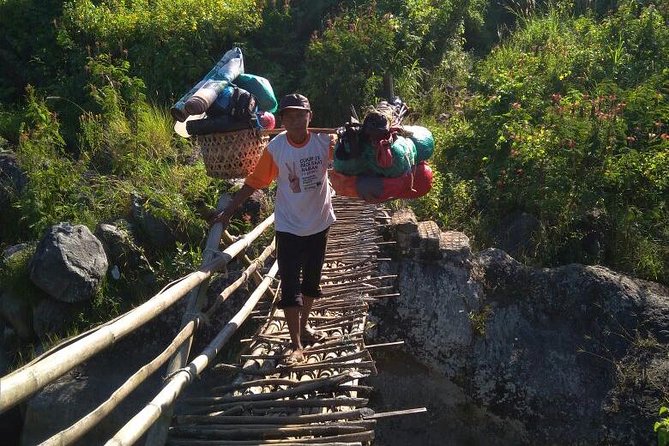
From the way guides and porters are described, the camp tends to feel organized rather than chaotic. In one case, a guide named Hendri and porter Harry were noted for being friendly, funny, and patient—exactly what you want when you’re tired and the trail still demands attention. In another instance, a guide named Sama and porter Hussein were praised for knowledge about Lombok and cooking that came in big portions. Those details are the difference between “we camped” and “we enjoyed camp.”
Guides and porters: how care shows up in real time
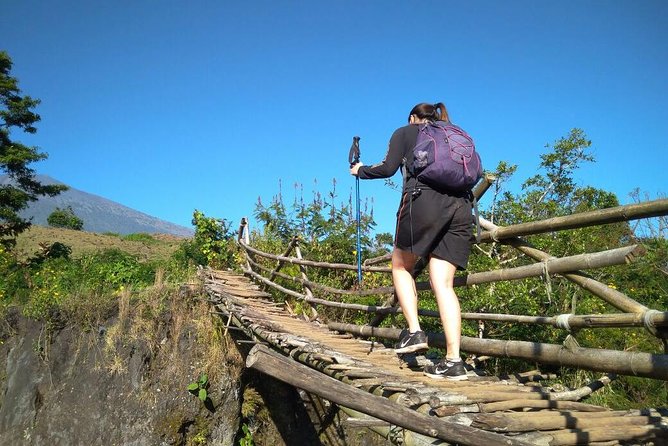
On paper, “professional local guide and porters” sounds standard. In practice, that support changes your experience.
Here’s how:
- Navigation and pace: a good guide keeps the route clear and the group moving at a rhythm that feels doable
- Porter help: you’re not managing all your gear weight while concentrating on footwork
- Local context: guides who can explain the area make the scenery feel less random
Two guide/porter name examples that came up include:
- Hendri (guide) with Harry (porter)
- Sama (guide) with Hussein (porter)
I also appreciate that transfers are handled by a driver in at least one instance (a driver named Diyaz was mentioned), which reduces the stress of coordinating your own route around Bangsal Harbour.
If you’re going to spend two days outdoors in mountain conditions, having a team that keeps things orderly is part of the quality. It’s not a luxury detail.
Timing, weather, and your best strategy for the views
This experience requires good weather. That’s not a marketing line—it’s a reality for any mountain trek where visibility and safety matter.
If weather conditions are poor, you’ll be offered a different date or a full refund. That flexibility is worth paying attention to when you’re planning your Lombok itinerary. If you only have one single day buffer anywhere in your trip, you’ll feel the pressure if conditions change.
My best advice: give yourself some breathing room in East Lombok. Even a half-day cushion can turn a weather hiccup into an inconvenience instead of a disappointment.
What to bring (so you can focus on walking)
The tour provides camp gear, meals, and water. That means you can travel lighter. Still, you’ll want a few basics.
You might find it helpful to pack:
- A small daily pack (explicitly mentioned as not included)
- Light layers for early and late day temperatures
- Footwear that works on wet, uneven ground
- A plan for keeping personal items dry during waterfall time
If you’re new to camping treks, the big win here is that you don’t have to bring a sleeping mat or sleeping bag. You can put your effort into the things that actually keep you comfortable and safe.
Who this trek is best for (and who should consider other options)
This fits best if you:
- Want a mountain experience in Lombok without committing to full Mount Rinjani effort
- Like a mix of waterfalls + hilltop views + camping
- Prefer being guided and supported with porters so your hike stays enjoyable
- Want sunrise and sunset potential, not just daytime sightseeing
It may not be ideal if:
- You’re looking for a totally easy level walk. Even if the ascent is under 3 hours, it still works your legs.
- You hate camping nights or cold mornings. You’re provided gear, but it’s still outdoors.
The good news is that the route is described as doable for “most travelers,” and the climb timing suggests it’s meant to be manageable with a steady pace.
Should you book Pergasingan Hill with HaLoMi Trekker?
I’d book this if your goal is simple: see Rinjani from a hill viewpoint and turn it into a two-day experience with waterfalls and a proper camp setup. The included gear and meals make it feel like the trip is designed for enjoyment, not survival.
If you’re on the fence, here’s your quick checklist:
- You’re okay with hiking uphill to a hill around 1700m
- You want a sunrise/sunset style payoff
- You appreciate an organized team (guide + porters) and don’t want to coordinate logistics yourself
- You can handle some weather-dependent flexibility in your schedule
One final nudge: if you’re the type who plans clothing and shoes well, this becomes a smooth experience. If you show up with unsure footwear and heavy personal gear, the whole thing gets harder than it needs to be. In other words, do the basics, and the mountain does the rest.
FAQ
How long is the Pergasingan Hill trek?
The experience is listed as about 2 days.
What places do you visit during the trip?
You’ll visit Sindang Gile Waterfall, Tiu Kelep Waterfall (with Sindang Gile in the waterfall stops), Selong Hill, Sembalun Village, and then hike to Pergasingan Hill.
What’s included in the price?
Included are all transfers in/out, a professional local guide and porters, camping chair, camping equipment (tent, sleeping bags, sleeping mat), full board meals, no-limit drinking water, and all fees and taxes.
What should I bring?
You should bring a small bag/daily pack. The tour also advises budgeting for tips for your guide and porters, since tips are not included.
Is the hike to Pergasingan Hill suitable for most people?
Most travelers can participate, and the climb to the top is described as taking less than 3 hours for many people, depending on pace and conditions.
What if weather is bad?
This experience requires good weather. If it’s canceled due to poor weather, you’ll be offered a different date or a full refund.