REVIEW · LALIBELA
Lasta Mountains: Highland Eco Trekking Tour in Lalibela
Book on Viator →Operated by Highland Eco Trekking Tours Ethiopia · Bookable on Viator
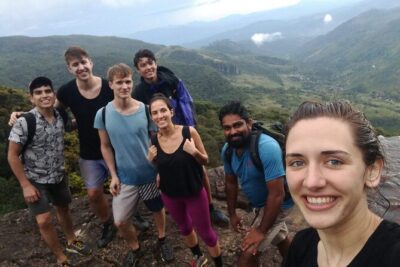
A mountain hike with real highland rhythm. This full-day trek from Lalibela takes you off the beaten path into the Lasta Mountains, where you’ll get sweeping views, a visit to Ashaten Maryam (a still-active mountain monastery and cave church), and chances to spot native wildlife like gelada baboons and Ethiopian wolves. I like how the day mixes hiking with Ethiopian life—farm communities, local school time, and the mountain ecosystem—so it feels more like a guided walk with context than a box-check tour.
One thing to consider: the hike includes lots of uphill climbing and zig-zag footpaths, so you’ll want a comfortable fitness level and good shoes for uneven ground.
If you’re hoping for smooth logistics, this tour is set up with a 7am start and hotel pickup/drop-off, but your day starts early and runs about 8 hours, give or take. On the people side, the trekking company is known for good communication with Daniel and especially a warm welcome with guide Ashu, which can make a big difference when you’re navigating a long day in the mountains.
In This Review
- Key highlights worth your attention
- From Lalibela at 7am: how the morning sets the tone
- The Lasta Mountains views: why the hike itself is the main event
- What to expect on the trail
- Ashaten Maryam: a cave church inside a living monastery
- Why this stop adds value to the trek
- Highland farming life and that Saturday-market trail
- The human moments you should plan to enjoy
- Wildlife chances: geladas and Ethiopian wolves (no guarantees, but real odds)
- Meals, snacks, and bottled water: small thing that matters big
- Group size, guide leadership, and safety on unfamiliar paths
- Guide connection: Daniel and Ashu
- Pickup, meeting point, and how to plan your day in Lalibela
- One thing to remember about included vs not included transport
- Price and value: is $95.83 a fair deal?
- Who should book this trek in the Lasta Mountains
- Should you book the Highland Eco Trekking tour?
- FAQ
- How long is the Lasta Mountains Highland Eco Trekking tour?
- Where does the tour start and end?
- Is hotel pickup included?
- What’s provided during the hike?
- What wildlife might I see?
- How big is the group?
- Is cancellation free?
Key highlights worth your attention
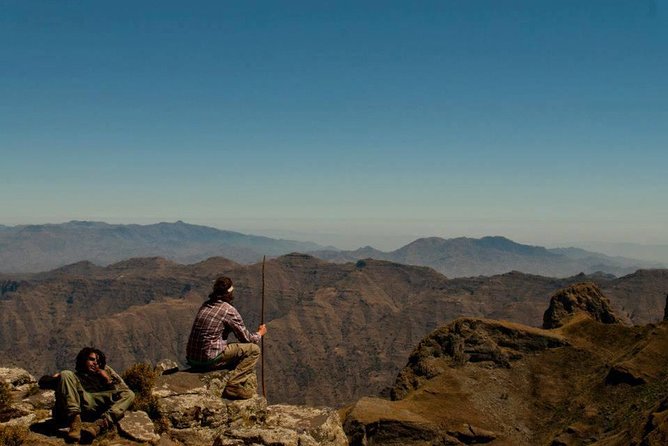
- Wildlife in their home: you may spot gelada baboons and Ethiopian wolves during the hike
- Ashaten Maryam cave church: a still-active monastery visit built into the route
- Footpaths tied to daily life: you’ll walk old paths used to move goods between the mountains and Lalibela
- Early start that gets you out fast: meet at 7am, then begin hiking shortly after
- Fuel included: meals, snacks, and bottled water keep you going through the climb
- Small group feel: up to 12 people with a professional guide leading for comfort and safety
From Lalibela at 7am: how the morning sets the tone
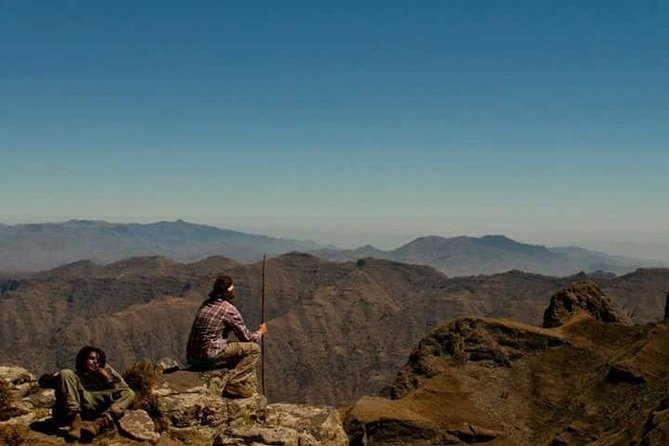
The day starts early, and that’s a feature, not a bug. You’ll meet your guide at 7:00am at a local café (and if your hotel breakfast isn’t available, this is your safety net). After a 30–45 minute warm-up with a solid breakfast, you start hiking from the café area and move quickly out of town—within minutes, the trail puts you above Lalibela and into real mountain air.
I like mornings like this because they cut the noise. As the walking begins, you’re not just heading “somewhere”—you’re getting your bearings fast and earning the views with time on the trail. It also helps you spend the strongest part of the day in cooler, clearer conditions (which matters for enjoying scenery and spotting animals), even though the tour doesn’t promise wildlife on any schedule.
The hike is described as constant climbing and zig-zag paths up the hills. That means you should think of the morning as purposeful effort: short sections of steepness that keep you moving, with older footpaths that have been used for a very long time.
You can also read our reviews of more tours and experiences in Lalibela.

The Lasta Mountains views: why the hike itself is the main event
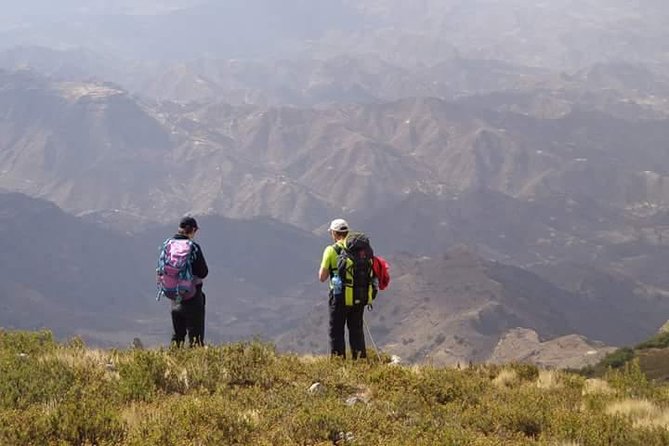
Once you’re out of town, the Lasta Mountains become the show. The route is built around old, well-used mountain paths—zig-zag trails that reflect how people have long traveled between the highlands and Lalibela. You’ll be walking paths shaped by generations of movement, including trips connected to bringing goods to Lalibela’s Saturday market and returning to mountain homes.
This is where the eco part feels practical. You’re not only looking at the ecosystem from a distance—you’re walking through it at the pace of local life. The scenery is already overwhelming early on, and the uphill climbing becomes a steady rhythm: breathe, step, look up, keep going.
What to expect on the trail
- Zig-zag uphill sections that follow the existing footpaths
- Unfamiliar territory handled by a lead guide, which helps you stay comfortable and keep your footing
- Frequent “pause and look” moments, because the views build as you gain elevation
One caution: because the paths are older and used by people for daily errands (not paved walkways), the ground can be uneven. You don’t need “race fitness,” but you do need comfort walking uphill for a good chunk of the day.
Ashaten Maryam: a cave church inside a living monastery
A major stop is Ashaten Maryam, described as a still-active mountain monastery with a cave church. This matters. In Ethiopia, monasteries like this aren’t just photo stops—they’re part of spiritual life tied to the landscape. The setting alone makes it memorable: a mountain-side spiritual site accessed through trails that feel made for walking, not for crowds.
When you arrive, don’t rush it. Take a few minutes to slow down and notice what’s around you—the rock features of the cave church setting, the way the monastery sits into the mountain, and the general atmosphere of a place that still functions.
Why this stop adds value to the trek
- You get a clear link between landscape and culture
- You’re not just hiking; you’re learning what the mountain means to local communities
- The timing typically places you in the middle of the day’s effort, so the visit feels like a real pause—not just a quick stop
There’s also a good chance you’ll hear guided commentary connecting the monastery to the broader highland way of life, which turns “I saw a church” into “I understand why it sits here.”
Highland farming life and that Saturday-market trail
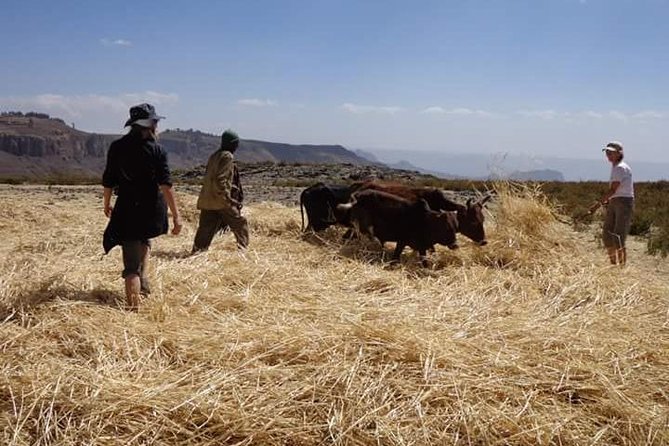
After you climb away from Lalibela, the tour focuses on more than scenery. You’ll meet people who live in the highland farming communities, and you’ll get a look at what modern life looks like up in the mountains.
You’re walking the same kinds of routes local farmers and families use to move around the highlands. The tour description even points out that these zig-zag paths are the only connection between the mountaineers and the rest of the world—an idea that lands hard when you’re actually on foot. It’s not “remote” in an abstract way. It’s remote in the practical sense: your trail is your route to markets, supplies, and contact beyond the mountain.
The human moments you should plan to enjoy
- Meeting local farmers and hearing about their day-to-day life
- Seeing how farming communities fit into the wider Lalibela region
- Visiting a local school, which adds a strong social layer to the day
The school visit is a particularly meaningful part of the trek because it shifts the focus from nature and heritage into present-day community life. Just keep a respectful pace and attitude—this is a working community, not an attraction set up for you.
Wildlife chances: geladas and Ethiopian wolves (no guarantees, but real odds)
The tour highlights wildlife you might see, including gelada baboons and Ethiopian wolves. That’s the kind of line you want to take seriously—but with your expectations set correctly.
There’s no wildlife guarantee on any mountain hike. Still, the description is specific about the species likely in the area, and the guide-led route through the Lasta Mountains is exactly what gives you a chance. Wildlife sighting odds are often about time of day, movement patterns, and how quietly you carry yourself. A guide in front also helps you stay safer and more comfortable if the trail gets narrow or rocky.
If you do spot animals, your best move is to slow down, look, and let the moment play out. Don’t crowd, don’t chase, and don’t assume you’ll get repeats. These are wild animals living their own routines.
Meals, snacks, and bottled water: small thing that matters big
This is an all-day hike, and the tour keeps you fueled. You’ll get meals, snacks, and bottled water, plus beverages. That’s a big value point because it removes one of the usual headaches of trekking days: hunting for food mid-route or guessing whether you’ll run out of energy halfway up a climb.
For an 8-hour day, that support lets you focus on the hike instead of logistics. It also makes it more realistic for a wider range of people to participate—especially since the tour says most people can join.
Practical note: the tour includes food and water, so you don’t need to pack a full picnic. But do keep a little personal buffer if you know your habits—like extra water beyond what’s listed or a snack you personally prefer.
Group size, guide leadership, and safety on unfamiliar paths
This trek caps at 12 travelers, and you’ll hike with a professional guide leading. That’s a good setup for comfort. Small groups move better on narrow trails, and a guide in front helps set pace and direction—especially on the zig-zag hills where you’re following existing paths used over generations.
It also means the day is more manageable. Your guide isn’t just showing the route; they’re providing guided commentary about Ethiopian culture and the local ecosystem along the way. That combo—practical leadership plus storytelling—keeps long walking stretches from becoming tedious.
Guide connection: Daniel and Ashu
The broader trekking company has a reputation for responsive communication. Daniel is specifically mentioned for being responsive and using WhatsApp to coordinate. For the human welcome side, guide Ashu gets singled out for making people feel comfortable and cared for. If you care about a friendly, confident guide presence, it’s worth asking about Ashu when you book.
Pickup, meeting point, and how to plan your day in Lalibela
Logistics are refreshingly straightforward here. There’s hotel pickup and drop-off, and the start point is D31, Lalibela, Ethiopia. The activity ends back at the meeting point, so you’re not stranded at the trailhead or forced into extra transport puzzles after the hike.
You’ll use a mobile ticket, and you should receive confirmation at booking time. The tour also notes that it’s near public transportation, which is useful if your hotel location makes pickup timing tricky.
One thing to remember about included vs not included transport
The tour includes hotel pickup and drop-off, but transportation to and from attractions isn’t listed as included. Since the itinerary is largely tied to the hike route and your hotel, that usually doesn’t matter much for the day itself—but it can matter if you’re trying to connect with other activities before or after.
Price and value: is $95.83 a fair deal?
At $95.83 per person, this hike isn’t “cheap,” but it also isn’t priced like a luxury expedition. What makes the value clearer is what’s included:
- Professional guide
- Meals, snacks, bottled water, beverages
- Hotel pickup and drop-off
- Local taxes
- All activities
That’s a lot of the hidden cost handled for you. On a trekking day, the bill usually grows fast when you add guiding, transport support, and food. Here, the pricing bundles that together, and your day becomes simpler to manage.
So the value question turns into this: are you paying for a guided cultural hike plus a highland nature walk with monastery and school stops? If yes, the price fits the experience. If you’re only trying to buy the cheapest walking possible, there may be less structured options around Lalibela—but you’ll likely trade away the safety, context, and care that makes this day run smoothly.
Who should book this trek in the Lasta Mountains
This tour fits best if you want:
- Guided access off the beaten path with safe, comfortable leadership
- A day that mixes mountain ecosystem + Ethiopian culture
- The chance to see wildlife like geladas (and possibly wolves), without needing to plan everything yourself
- A meaningful cultural stop at Ashaten Maryam and time with local communities
It may feel like a challenge if you’re uncomfortable with steady uphill walking. But since it says most people can participate, you don’t need to be an athlete—you just need willingness to walk.
It also allows service animals, and it includes a note that children must be accompanied by an adult. So families can consider it, with the same reality check about walking distance and hills.
Should you book the Highland Eco Trekking tour?
I’d book it if you want a full-day hike that treats the highlands as living culture—not just scenery. The mix of Ashaten Maryam, farming life, a school visit, and the chance at wildlife gives you more than one kind of memory. Add in the small group size, hotel pickup/drop-off, and the fact that meals and water are covered, and you get a day that’s both meaningful and practical.
Skip it only if you dislike early starts or you know you struggle with steep, uneven uphill walking. For everyone else, this is a solid way to spend time around Lalibela while getting out into the Lasta Mountains where daily life, nature, and history overlap.
FAQ
How long is the Lasta Mountains Highland Eco Trekking tour?
It runs for about 8 hours.
Where does the tour start and end?
The meeting point is on D31 in Lalibela, and the tour ends back at the same meeting point.
Is hotel pickup included?
Yes, hotel pickup and drop-off are included.
What’s provided during the hike?
The tour includes meals, snacks, bottled water, beverages, and a professional guide.
What wildlife might I see?
The tour notes that you may see gelada baboons and Ethiopian wolves during the hike.
How big is the group?
The group size is capped at a maximum of 12 travelers.
Is cancellation free?
Yes. Free cancellation is offered if you cancel up to 24 hours in advance for a full refund.