REVIEW · MANALI
Friendship Peak Trek
Book on Viator →Operated by Bikat Adventures Private Limited · Bookable on Viator
Friendship Peak is a planned dare. I like this trek because it’s a supported adventure in the Pir Panjal, with the gear and safety kit handled for you, so navigation stress stays low and hiking time stays high.
I also love the food (camp meals are part of the experience, not an afterthought), and the way leaders keep things moving when the climb gets real. The main drawback is it’s not for beginners; you need prior high-altitude trek experience and strong fitness to enjoy the summit without getting crushed.
In This Review
- Key Things I’d Remember Before You Go
- Where Friendship Peak Fits in the Himalaya Picture
- Who Should Choose This Trek (And Who Should Not)
- Manali Warm-Up: Guesthouse Nights and the Drive to Solang
- The Trek Route, Day by Day: From Bakarthatch to Summit and Down
- Day 1: Arrive in Manali
- Day 2: Solang to Bakarthatch
- Day 3: Bakarthatch to Advance Base Camp
- Day 4: Load Ferry to Camp 1 and back to ABC
- Day 5: Acclimatization and moving to Camp 1
- Day 6: Summit attempt and back to Base Camp
- Day 7: Reserve day
- Day 8: Base Camp to Solang, then drive to Manali
- Camp Life: Tents, Meals, and the Comfort You Earn
- Gear, Gloves, and Rescue Kit: What Is Actually Included
- Support Team and Safety Style
- Price and Value: Is $898.79 a Fair Deal?
- Weather, the Reserve Day, and How Plans Adjust
- Should You Book Friendship Peak Trek?
- FAQ
- How long is the Friendship Peak trek?
- Where does this trek start and end?
- How high is Friendship Peak?
- What are the best months to go?
- What’s included in the trek package?
- Do I carry my own bag during the trek?
- What happens if weather is poor?
Key Things I’d Remember Before You Go
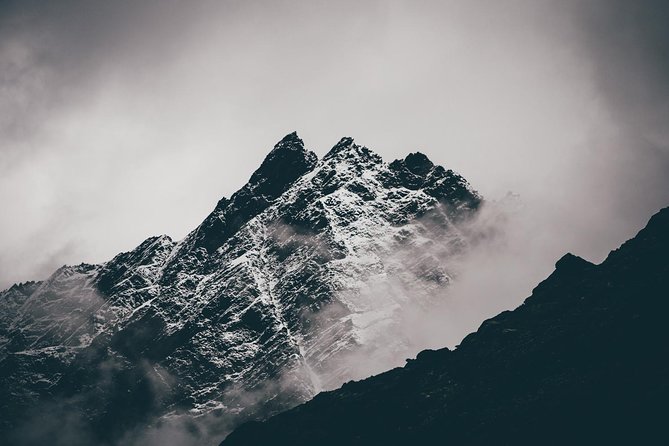
- 17,348 ft summit with serious altitude pressure, plus acclimatization built into the schedule
- Camp chef + tent setup means you spend less time managing logistics and more time hiking
- Provided safety gear (including rescue rope systems) supports a more secure feeling on technical sections
- Private trek so your group sets the tone, and you go at your own pace
- You carry your own bags (portage of personal bags is not included), so pack smart
Where Friendship Peak Fits in the Himalaya Picture
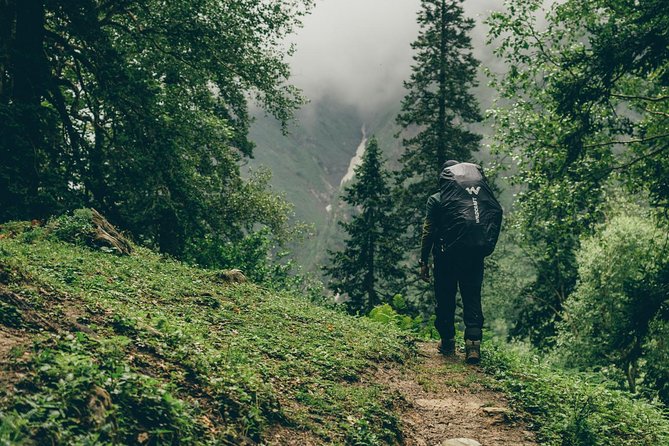
Friendship Peak Trek is an 8-day high-altitude trek based around Manali in Himachal Pradesh, aimed at walkers who want Himalaya views without the usual “figuring-it-out” chaos. The summit sits at 17,348 ft in the Pir Panjal range. That altitude matters. It’s the difference between a hike you can muscle through and a climb where pacing and breathing decide everything.
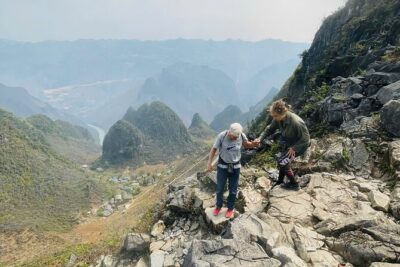
The scenery is a big reason people get hooked here. Your trail moves through alpine meadows, dense forests, and lots of streams. Expect varied plants and wildlife along the way, which is exactly what you want on an 8-day trek—you’re not seeing the same ridgeline over and over.
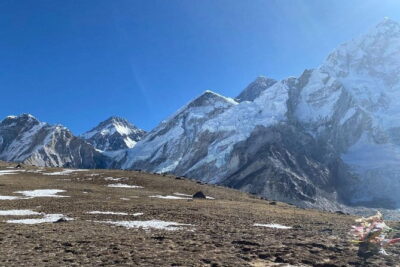
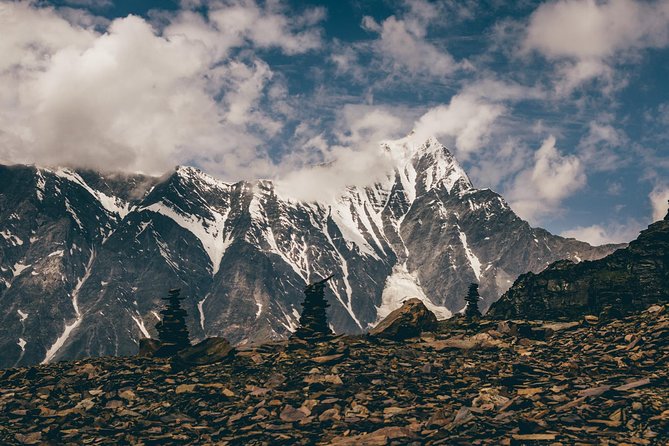
Then comes the summit reward: panoramic views across the Pir Panjal range, the Dhauldhar range, and the bigger Himalayan backdrop. On a clear day, you can also spot notable nearby peaks such as Hanuman Tibba, Shitidhar, Indra Asan, and Deo Tibba. It’s the kind of viewpoint that makes you lower your camera for a minute and actually look.
Timing also helps. The best months are May to June and September to October, when conditions are typically more workable for high-altitude trekking in this region.
You can also read our reviews of more tours and experiences in Manali.
Who Should Choose This Trek (And Who Should Not)
This trek is built for active people with high-altitude experience. The requirement isn’t casual. You’re expected to have completed 2–3 challenging treks and have roughly 20–25 trekking days in Himalayan-type terrain. If you’re early in your trekking journey, you’ll likely spend too much energy just coping with the altitude and steep sections rather than enjoying the climb.
Fitness is spelled out in practical terms: jog/run about 5 km in 25–30 minutes, or walk continuously for 10 km on fairly flat ground (with a few small breaks). That’s not about being a runner. It’s about having a solid aerobic base so you don’t feel wrecked by the daily hiking.
Most importantly, Friendship Peak summit is not meant for beginners. You should be comfortable with high elevation, slower breathing, and the idea that you may need to keep your ego in your sleeping bag. A reserve day is built in for weather and pacing reasons, but the route still asks for consistency.
One more practical point: it’s a private tour/activity, meaning only your group participates. That’s great for people who like a calmer dynamic. It also means the trek depends on your group showing up ready and steady.
Manali Warm-Up: Guesthouse Nights and the Drive to Solang
Day 1 is simple: arrive in Manali and sleep in a hotel/guesthouse. Day 8 finishes with another guesthouse night back in Manali, after your trek wraps. Those bookends matter on a summit-focused trek. You want proper rest and a shower schedule you can control.
Day 2 starts the real story. You drive from Manali to Solang and then trek to Bakarthatch. This is a classic transition day: you’re moving from valley logistics to mountain rhythm. Don’t treat it like a sightseeing walk. Even early in the week, you’ll be adjusting to elevation and the physical grind of daily hiking.
Solang-to-base-area trekking is also where your packing choices pay off. Since you carry your own bags during the trek, you’ll feel every extra item on your shoulders. If you’re the type who shows up with a full kit you’ll never use, this is the moment to rethink.
The Trek Route, Day by Day: From Bakarthatch to Summit and Down
Here’s how the trek unfolds, and what each step is really doing for you.
Day 1: Arrive in Manali
You’re there for rest and orientation. Use the evening to keep your fluids up and plan your gear order—what goes to the top of your pack matters when mornings get cold and rushed.
Day 2: Solang to Bakarthatch
You drive to Solang, then hike to Bakarthatch. Expect a “wake up your legs” feel. The good news: this day helps you get used to the pace while you’re still relatively fresh. The possible drawback: if you start too fast, you’ll pay for it later when the climbs get steeper and higher.
Day 3: Bakarthatch to Advance Base Camp
You move higher toward Advance Base Camp. This is where the altitude starts to feel more noticeable. You don’t need hero mode. You need steady breathing, consistent steps, and a willingness to go slow when your body asks you to.
Day 4: Load Ferry to Camp 1 and back to ABC
This day includes a ferry segment (load ferry to Camp 1) followed by a back-and-forth with a trek to and from the ABC area. It’s not “just transport.” In summit trekking, moving camp and doing short excursions often supports acclimatization and reduces the risk of doing too much too soon.
If you’re wondering why it’s not a simple one-way climb every day, this is why. The schedule is built to manage altitude, not just cover distance.
Day 5: Acclimatization and moving to Camp 1
Acclimatization day matters. Day 5 is about giving your body time to adapt before the summit attempt. You’ll likely feel a tug-of-war between energy and caution. Follow the plan, even if you feel better than expected—altitude recovery is sneaky.
Day 6: Summit attempt and back to Base Camp
This is the heart of the trip: summit attempt, then return to Base Camp. The summit push is the part that tests mindset. You’ll likely move slower than you’re used to, and you’ll depend on the leader’s pacing guidance.
Support matters here. In one Friendship Peak story from the same trek team, Nitin sir was described as pushing the group through the hard stretch, and even a near-give-up moment turned into a summit for several trekkers. That’s the vibe you want: encouragement tied to practical pacing, not empty hype.
Day 7: Reserve day
This is your buffer. A reserve day is a good sign. It means the trek isn’t running like a train schedule where weather or tired legs automatically ruin everything. If conditions are tough, this gives the team room to make smarter calls.
Day 8: Base Camp to Solang, then drive to Manali
You hike down toward Solang and drive back to Manali. Descents can be harder on your body than you expect. Your quads will remind you of the day’s choices, especially after snow and ice sections (if conditions bring them).
Camp Life: Tents, Meals, and the Comfort You Earn
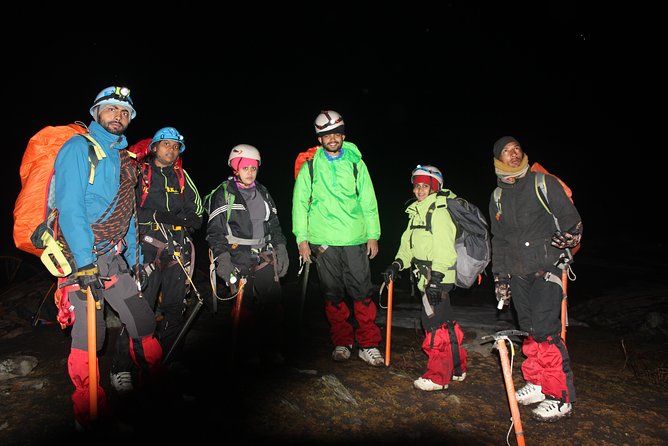
The trek is camping-based, with nights spent in tents. On paper, that sounds rough. In practice, the logistics are built for trekkers who want adventure without turning the trip into a cooking and gear-management project.
You sleep in tents on twin sharing basis, with sleeping bags and sleeping mats provided. That setup is a big help, because it removes one of the biggest pain points of high-altitude treks: figuring out what gear you actually need to stay warm.
Food is handled by a camp chef and kitchen team. Meals are provided while you’re on trek, starting with lunch on Day 2 and running through dinner on the last day in Manali. If you’ve ever done a trek where meals feel random, this is a refreshingly structured approach. Strong camp food is also morale fuel. You need energy for cold mornings, slow climbs, and the final summit push.
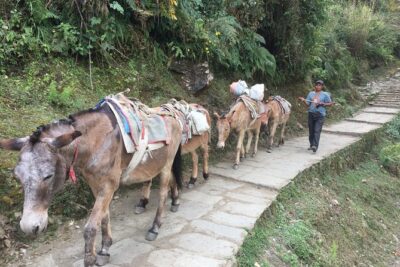
Now the trade-off: you carry your own bags. Portage of personal bags during the trek is not included. Porters carry common supplies, but your personal bag is on you. So bring a pack you can actually live with—light, organized, and realistic for long days.
Gear, Gloves, and Rescue Kit: What Is Actually Included
This trip is heavy on the safety and comfort basics. Included items listed for you cover both cold-weather function and emergency readiness.
You’ll have trekking gear support including tents, sleeping bags, sleeping mats, plus trekking cold/ice items like snow boots, helmet, gaiters, and ice-axe. You’re also provided safety equipment such as a static rescue rope, seat harness, carabiners, pulleys, snow stake, and dead man/boy.
That last category isn’t for drama. It’s for real-world safety planning on steep or technical sections. When a trek includes this level of equipment, you can feel the difference in how seriously the route is managed.
You’ll still need to do your part: use the gear properly, don’t improvise with random substitutions, and tell the guide if you’re uncomfortable or unsure about anything.
Support Team and Safety Style
Bikat Adventures Private Limited runs this trek with a guide and a cook, plus helpers and porters for common supplies. There’s also a certified trek leader with mountaineering course training, and that leader includes First Aid certification and a special rescue course.
In plain terms: you’re not just following someone’s playlist. You’re with a team trained for high-altitude travel with rescue procedures. Several trekkers emphasized the trip being organized well, food arriving on time, and the team being supportive and professional, which lines up with what you want when the summit day gets intense.
Also, this trek is private to your group. That helps communication. You’re less likely to get lost in a larger crowd dynamic, and it’s easier for leaders to adjust pace based on your group.
One last scheduling safety feature is the inclusion of a reserve day before the final travel day. When the mountains are moody, that buffer helps you keep the plan intact.
Price and Value: Is $898.79 a Fair Deal?
At $898.79 per person, Friendship Peak Trek sits in the “serious trek” price bracket. The real question is whether what you get saves you money, time, and risk.
Here’s where the value comes from:
- Two nights in Manali (hotel/guesthouse on Day 1 and again on the last day in Manali)
- Meals from lunch on Day 2 through dinner on the last day in Manali
- Tents, sleeping bags, sleeping mats
- Trek and summit safety gear including rescue-related equipment
- A trained expedition guide and trek leader, plus cook, helpers, and porters for common supplies
- Forest permits and camping charges, if applicable
- IMF fees for foreign nationals
What’s not included is also important for budgeting:
- Portage of personal bags (you carry your own bags)
- Travel insurance (not included)
- Anything outside the stated inclusions
My practical take: this price feels more like a “package risk reducer” than a gear rental. You’re paying for the team, the safety systems, and the fact that you’re not carrying a whole expedition setup from scratch. If you’d otherwise buy or rent most of these items and hire trained support, it likely pencils out well. If you already own everything and want to carry a full load yourself, the package still pays for coordination and safety planning.
Weather, the Reserve Day, and How Plans Adjust
This trek requires good weather. The good news is the itinerary has a reserve day, which gives the team a chance to respond if summit conditions aren’t ideal. If the trek gets canceled due to poor weather, you’ll be offered a different date or receive a full refund.
So your best strategy is to choose the right season—May to June or September to October—and keep your schedule flexible in the time window you book.
Should You Book Friendship Peak Trek?
Book it if you want a high-altitude summit trek with solid support: guided, staged camps, provided tents and cold-weather gear, and a team trained for safety and rescue. I’d especially recommend it if you care about camp meals and don’t want to gamble on logistics while you’re thinking about breathing and foot placement.
Don’t book it if you’re new to high-altitude trekking. This route expects prior challenge experience, plus real fitness. If you try to treat it like a casual hike, you’ll feel stressed instead of excited.
Also, be honest about packing. Since you carry your own bags, your comfort depends on what you bring. Light, practical, and ready for cold is the move.
FAQ
How long is the Friendship Peak trek?
The trek runs for 8 days approximately.
Where does this trek start and end?
It includes arrival and departure in Manali, with the trek route tied to Solang and the trekking camps/base areas.
How high is Friendship Peak?
Friendship Peak is listed at 17,348 ft.
What are the best months to go?
The best months given are May to June and September to October.
What’s included in the trek package?
Included items cover Manali guesthouse stays (Day 1 and last day), meals while on trek (starting lunch Day 2), tents on twin sharing basis with sleeping bags and sleeping mats, safety equipment, a guide and cook, and certain personal equipment like snow boots, helmet, gaiters, and ice-axe.
Do I carry my own bag during the trek?
Yes. Portage of personal bags during the trek is not included, and the package notes that you carry your own bags while porters handle common supplies.
What happens if weather is poor?
If the experience is canceled due to poor weather, you’ll be offered a different date or a full refund.