REVIEW · MARRAKECH
2-Day Guided Trek of the Atlas Mountains and Berber Villages
Book on Viator →Operated by astara tours · Bookable on Viator
Two days in the Atlas makes Marrakech feel far away. This trek turns a 2-day schedule into real mountain time, with small-group hiking and a clear sense of where you’re going as you climb toward Tizi Mzik Pass. I love how much is handled for you—pickup, guide, mule help, meals, and a place to sleep—so you can focus on the trail and the views. I also love the human side: friendly guides who explain what you’re seeing, like Rashid’s humor and Ibrahim’s easygoing knowledge. The one drawback to plan for is the overnight stay in Tizi Oussem, which is basic, and the mountain weather can swing fast, so you’ll want the right layers.
You’ll get picked up after breakfast in Marrakech and driven through the Ghighaya and Asni valleys to the Imlil area. From there, you start hiking with a local team that includes a mountain guide and a muleteer, which matters because your food and luggage ride along. Expect moderate hiking with narrow paths and steep sections at times—bring proper boots and take it slow in the rocky bits.
In This Review
- Quick Take: Atlas Trek Highlights in Plain English
- Leaving Marrakech for the High Atlas in a Small Group
- Day 1 in Detail: Imlil Valley Climb, Tizi Mzik Pass, and the Waterfall Reward
- Day 2 in Detail: Berber Villages, Forest Footpaths, and River Views Back to Marrakech
- Guides, Food, and Mule Support That Make It Work
- Where You Sleep: Tizi Oussem Guest House Reality Check
- What to Pack: Shoes, Waterproofs, and the Weather Layer Plan
- Price and Value: What You’re Really Paying For
- Should You Book This 2-Day Atlas Trek?
- FAQ
- Is pickup from Marrakech included?
- How long is the trek?
- What’s included in the price?
- Is bottled water included?
- What about dietary needs?
- What kind of accommodation is provided?
- How many people are in the group?
- Do I need to bring special shoes?
Quick Take: Atlas Trek Highlights in Plain English
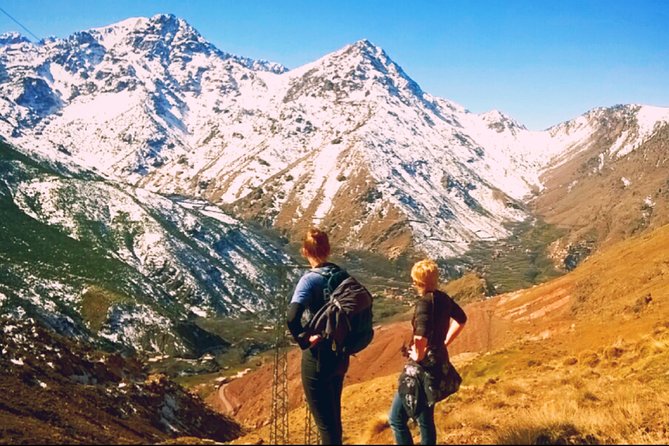
- Tizi Mzik Pass (2684m) and Toubkal views: You don’t just walk around—you climb to a real viewpoint.
- 100m-high waterfall stop: A major payoff day 1 that breaks up the climb.
- Juniper forest route to Tizi Oussem: Less “tour bus” and more shaded footpath.
- Basic guest house, real hot shower: Simple bedding, but comfort where it counts.
- Max 6 travelers: You’ll feel like part of the group, not a number.
Leaving Marrakech for the High Atlas in a Small Group
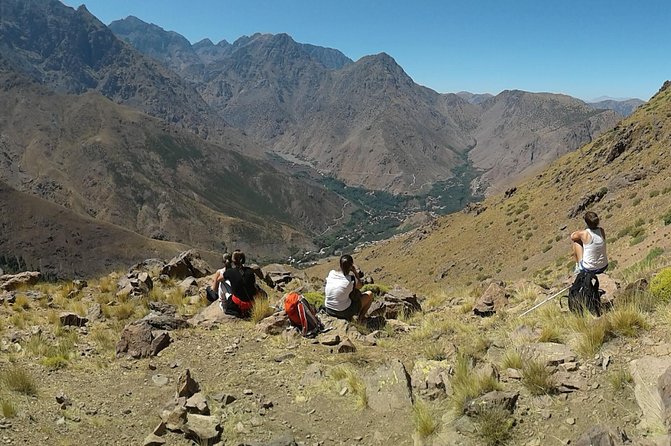
This is a practical way to get into the High Atlas without turning your trip into logistics homework. After breakfast in Marrakech, you’re collected from your accommodation and transferred toward the Imlil area, passing through the Ghighaya and Asni valleys along the way. It’s long enough to feel like a true escape, but not so long that you’re exhausted before the first steps on the trail.
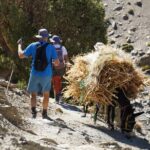
The small-group size—up to 6 travelers—changes the whole vibe. You’re not competing with a crowd for a photo spot, and the guide can actually watch your pace. If you like asking questions while you walk, this is the kind of group that makes it easy. One of the best parts is the support system: a mountain guide leads the hike, and a muleteer handles the mule that carries your food and luggage. You still carry your personal items, but the heavy stuff isn’t on your back.
You’ll also appreciate the all-in idea of it. Meals, mint tea and coffee, equipment, and transit are included. That means you’re not doing the mental math every time you stop: snacks, refills, rentals, and “how are we handling this?” moments. The value is in reducing friction so you actually get two good days on foot.
You can also read our reviews of more tours and experiences in Marrakech.

Day 1 in Detail: Imlil Valley Climb, Tizi Mzik Pass, and the Waterfall Reward
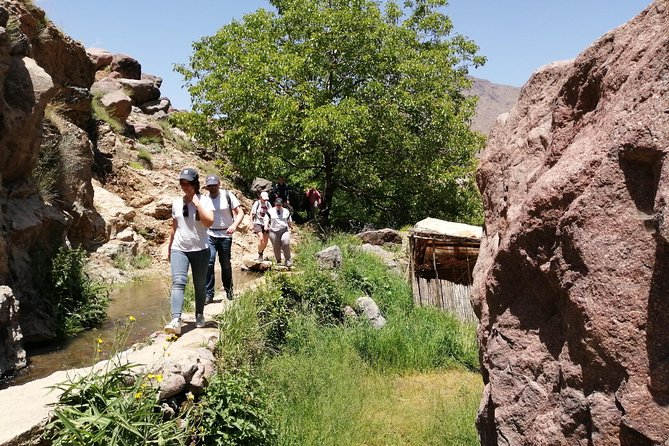
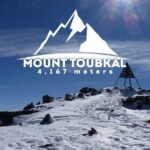
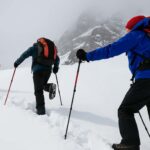
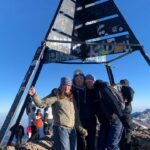
Day 1 starts with a simple but satisfying climb. You’ll begin your hike near the Imlil area after meeting your guide and muleteer. The route rises to Tizi Mzik Pass (2684m), and the payoff starts before you even reach the top: you get big views over the Imlil Valley and toward Mount Toubkal, the highest peak in North Africa.
This is the kind of climb that feels manageable because it’s paced for hikers who are actually going uphill. You’re moving steadily, then pausing long enough to take in the view. The pass is a real landmark, not just a “we walked uphill for a bit” moment. If you’re here for mountains that look like mountains, this section delivers.
After the pass, you continue toward Tamsoulte for the standout waterfall stop. You’ll visit what’s described as the region’s highest waterfalls, around 100 meters high. It’s a break from the constant uphill rhythm and a good moment to reset—waterfalls have a way of making the effort feel worth it.
From there, day 1 transitions into a descent through Azzaden Valley, with a walk through a juniper forest to reach Tizi Oussem, where you spend the night. That shift—from exposed views to cooler, tree-lined walking—helps your legs. It’s also where you start seeing more of the daily life side of the villages rather than only the dramatic viewpoints.
Practical reality check: paths can be narrow and at times the drops are steep, so you’ll want boots with grip and a steady pace. If you’re used to city walking shoes, swap them for something sturdier before you go.
Day 2 in Detail: Berber Villages, Forest Footpaths, and River Views Back to Marrakech
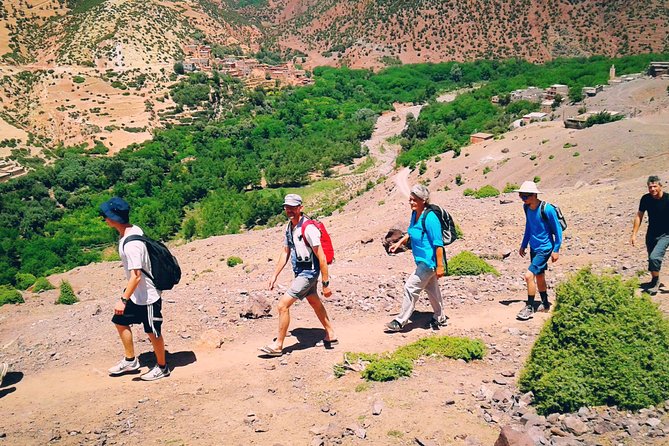
Day 2 begins with breakfast at the guest house in Tizi Oussem. Then you head out again with that classic Atlas rhythm: walk, stop, look around, repeat. This day is more about scenery moving through valleys than about one huge “climb to the summit” moment.
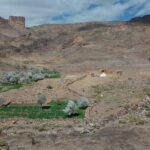
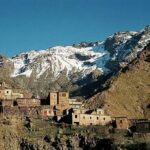
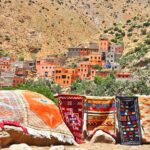
You’ll enjoy time with mountain views over a colorful valley and the feel of typical Berber villages along the way. The route runs through villages and forests, and you’ll pass by rivers too. It’s the kind of hiking where you stop for photos, but you also notice details—how people live in the valleys, how the path follows the terrain, and how the land shapes the settlement patterns.
There’s also a relaxed moment built into the morning: the plan includes enjoying the view and taking time to sit outside. That matters because by day 2 your body is already learning the pace. If you treat the morning like a quick warm-up instead of a “race to the finish,” you’ll enjoy the day more.
As for the end of the trek, you return to Marrakech after the walking is done. You’ll be picked up from the mountain day experience and brought back to where you started in the Marrakech area.
Guides, Food, and Mule Support That Make It Work
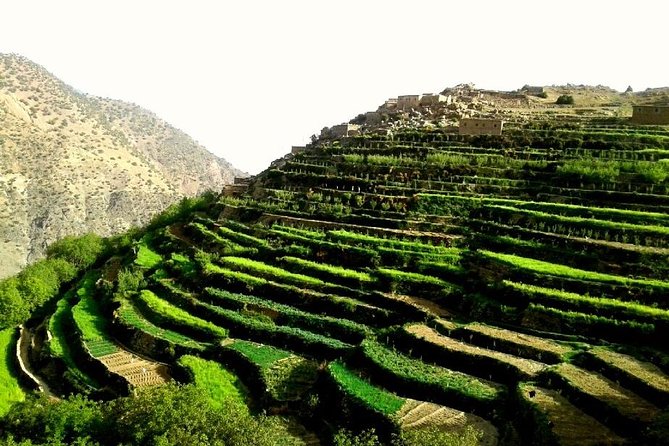
The best version of a mountain hike is the one where you don’t spend half the time worrying about what comes next. This tour does that with a solid team approach: you hike with a local guide plus a muleteer, and you get included meals through both days. That support shows up in small ways—like your lunch and dinner not being an afterthought, and your pace not being dictated by carrying luggage.
The food is more than “something to eat.” Guides prepare meals with regional comfort in mind, including one standout dish referenced as lamb tagine that really impressed people. You’ll also get mint tea and coffee during the trek—simple, familiar breaks that keep you hydrated and grounded.
The guide experience itself is one of the major strengths. Different guide names come up—Rashid, Ibrahim, Mohammed, Nassim, Abdulrahman, and Houssain—and they all point to the same idea: you’ll be walking with someone who’s used to the trails and willing to talk. Rashid is described as extremely friendly and funny, Houssain as supportive and easy to talk to, and Ibrahim as considerate with a lot of local context. Even if you’re not the talkative type, those personalities make the hike feel less like a workout and more like a day with a local guide who wants you comfortable.
Where You Sleep: Tizi Oussem Guest House Reality Check
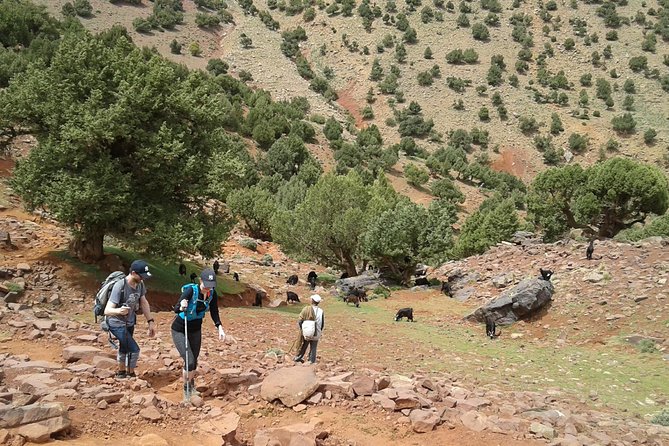
Overnighting in Tizi Oussem is part of the appeal and part of the tradeoff. This is not a lodge with modern hotel standards. The guest house is described as basic, and the bedding comes as mattresses and blankets.
The good news: hot shower is available. That single detail can make a huge difference after two days on foot. You’ll likely feel dusty, warm, and tired, and being able to wash off properly helps you sleep better.
Here’s the practical tip that can save your comfort: bring a sleeping bag liner (or your own sheet). People specifically recommended packing one because guest house bedding can be on the simpler side. It’s a small thing, and it turns an okay night into a night you don’t think about.
Also plan for the possibility that weather at altitude can be colder than you expect. One traveler noted it was sunny and felt like T-shirt weather, but that snowy conditions are possible at certain times. So treat this as a “layer up” hike, not a summer-only outing.

What to Pack: Shoes, Waterproofs, and the Weather Layer Plan
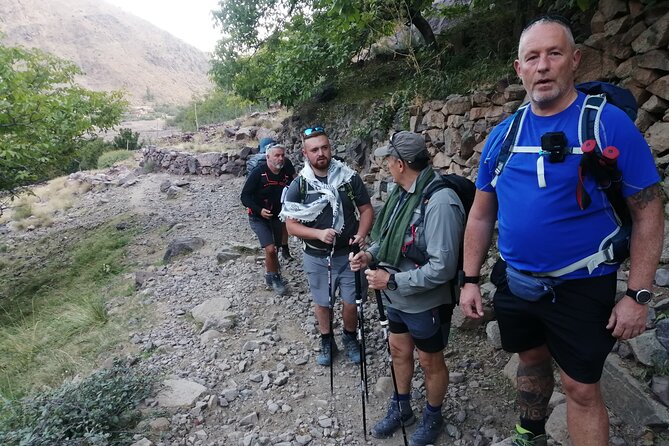
Footwear is not optional here. You need comfortable walking shoes, and waterproof ones are strongly required. Even if the day looks dry, mountain paths can be damp, and descents can splash you with wet ground. Add grip and ankle support, especially if you’re sensitive to narrow sections or steep drops.
Bring a rain layer and warm layers even if the forecast looks good. The route hits passes and valleys, and altitude can change the feel of the air quickly. A hat and sunglasses can help too, since you’ll spend time looking out over valleys.
For sleeping comfort, pack that liner/sheet. The trek includes mattresses and blankets, but adding your own barrier improves how clean and comfortable the bedding feels.
Hydration is mostly handled well because bottled water isn’t included, but there are water points you can refill during the trek. Still, you should carry a bottle or two and have a plan for how you’ll refill them.
Finally, keep an eye on your personal pace. The trek is marked as needing moderate physical fitness. If you can hike steadily for a few hours and handle uneven ground, you’re in the right range.
Price and Value: What You’re Really Paying For
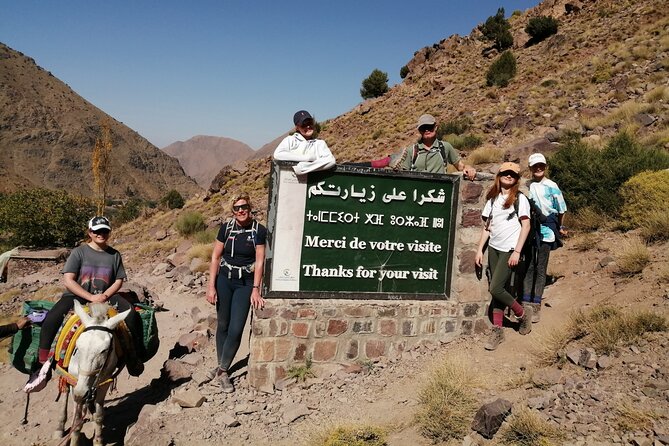
At $197.45 per person for two days, the price looks straightforward—until you break down what’s included. You’re not just buying a guide. You’re getting pickup and drop-off, ground transfer into the mountains, mule support for food and luggage, all meals, mint tea and coffee, accommodation in Tizi Oussem, and basic equipment.
That bundle matters because it reduces the “hidden” costs of doing this independently—transport to Imlil, guide fees, mule or porter options, meals during the hike, and where you sleep. Here, it’s all folded in. You’ll still have personal expenses, and bottled water isn’t included, but the core of the trek is handled.
One more value factor: the tour supports a small group size (max 6). That’s often where DIY efforts fall apart. Paying this amount buys you organization, safety-focused guidance, and a smoother experience overall.
People tend to book this kind of short Atlas trek around a month in advance on average (24 days). With limited group capacity, it’s smart to lock it in before you have last-minute decisions driving your schedule.
Should You Book This 2-Day Atlas Trek?
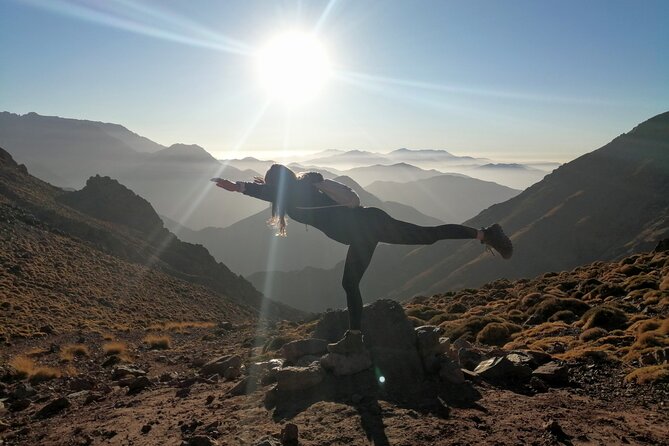
If you want a guided High Atlas hike with real village walking and mountain viewpoints—and you don’t want to stitch together transport, lodging, and meal planning—this is a strong pick. I like that it’s structured enough to feel safe and organized, yet flexible enough that the day doesn’t feel like a rigid factory line.
You should book if:
- you want big pass views like Tizi Mzik and a waterfall stop
- you like small-group pacing (up to 6)
- you’re okay with basic lodging as long as there’s a hot shower
- you’re traveling with moderate fitness and proper footwear
You might skip it if:
- you’re looking for a highly luxurious hotel-style stay in the mountains
- you struggle with steep, rocky, narrow paths
- you can’t layer for quick weather changes at altitude
FAQ
Is pickup from Marrakech included?
Yes. Your tour includes hotel pickup and drop-off in Marrakech, plus ground transfer toward the Imlil area.
How long is the trek?
It’s a 2-day experience with approximately 6 hours of hiking on day 1 and additional hiking on day 2.
What’s included in the price?
The tour includes ground transfer, mule support for food and luggage, all meals, mint tea and coffee, a local friendly guide, and accommodation in Tizi Oussem.
Is bottled water included?
No. Bottled water is not included, but there are points where you can get water during the trek.
What about dietary needs?
Vegetarian and vegan options are available.
What kind of accommodation is provided?
You’ll sleep in a basic guest house in Tizi Oussem. Mattress and blankets are provided, and there is a hot shower available.
How many people are in the group?
This trek is limited to a maximum of 6 travelers.
Do I need to bring special shoes?
Yes. Comfortable walking shoes and waterproof footwear are required, since parts of the route can be wet and uneven.
If you want, tell me your travel month and fitness level, and I’ll help you think through whether the weather and altitude will likely match your comfort.