REVIEW · KATHMANDU
Everest Base Camp Standard Trek
Book on Viator →Operated by Shepherd Holidays · Bookable on Viator
Everest starts with a dramatic runway jump. This trek lines up the famous Kathmandu to Lukla flight above the Himalaya, then the classic Khumbu route to Everest Base Camp, and I love the Lukla flight and the way a strong guide (Bhim is one name that comes up) keeps things organized and steady; the main drawback is the altitude and cold, especially the pre-dawn Kala Patthar push, so you’ll want solid fitness and a calm, patient mindset.
What I also like is that the package takes care of the logistics that usually bog people down: airport pickup in Kathmandu, a 3-star hotel with breakfast, and key paperwork and entry items like the Sagarmatha National Park fee and TIMS card. It’s built for you to focus on walking, resting, and taking in the views instead of chasing details on the ground.
In This Review
- Key things to know before you go
- From Kathmandu to Lukla: the flight that changes everything
- What to watch for
- Day 1 to Day 2: Cheplung and Phakding, then Namche climbs the right way
- Namche Bazaar rest day: acclimatization with real town life
- A good practical mindset
- Tengboche: rhododendron climbs and a monastery visit that feels big
- Dingboche and the second acclimatization day that matters
- Why you’ll be glad this exists
- Lobuche and the memorial stretch: human stories on a hard trail
- Gorak Shep to Everest Base Camp: thin air, navigation, and bright tents
- Kala Patthar morning: cold pre-dawn effort for 360-degree Everest
- Back down toward Namche and Lukla: the Dudh Koshi corridor
- Kathmandu wrap-up: hotel comfort, sightseeing, and a farewell dinner
- Price and value: what $2,000 covers (and why that matters at altitude)
- Where cost might surprise you
- The guide team factor: why Bhim, Bandhu, Ramesh, and Umesh keep showing up
- Season choice: expect weather to shape your day, not just your photos
- Who this trek is best for (and who should think twice)
- Should you book this Everest Base Camp trek?
- FAQ
- How long is the Everest Base Camp Standard Trek?
- What’s included in the tour price?
- Are international flights included?
- Are meals in Kathmandu included?
- What’s the policy if weather cancels the trek?
- Is it suitable for moderate fitness levels?
Key things to know before you go
- Lukla flight first: a short hop that sets your whole tone for the trek.
- Rest and acclimatization are real: Namche Bazaar and Dingboche aren’t just stopovers.
- Tengboche monastery visit: a major spiritual and scenic moment in the Khumbu.
- Everest Base Camp arrival: you reach it after a strenuous high-altitude day.
- Kala Patthar timing: pre-dawn conditions can be brutal, but the views are the payoff.
- Guide quality matters: the Everest experience is repeatedly tied to supportive, competent leaders like Bhim.
From Kathmandu to Lukla: the flight that changes everything
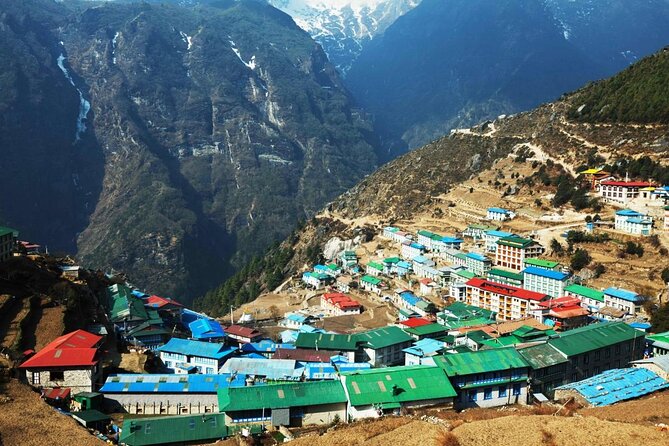
Most Everest Base Camp treks rise and fall on how smoothly the first day goes, and this one starts with the key move: a short flight from Kathmandu to Lukla. Even if you’ve watched videos, the real thing still feels unreal because you’re flying above high Himalayan peaks on a route that ends on a hillside setting around tall mountains.
Once you land, you meet your trekking crew and get practical right away. You’re not just dropped at the trailhead and left to figure things out. Packing and organizing with your team on the Lukla side helps you settle in with less stress.
Then comes the first walking day: a gradual descent toward Phakding after passing through Cheplung. You also get an early taste of what the Khumbu is about—big names of mountains and sacred geography. From Cheplung you get a glimpse of Mt. Khumbila, described here as sacred and never climbed, which adds meaning beyond the physical effort.
You can also read our reviews of more tours and experiences in Kathmandu.



What to watch for
This early phase is where you decide how you’ll manage your energy. The walk is described as a gradual descent into Phakding, which is often easier on the legs than an uphill start—but it still puts you at altitude and on uneven ground, so pace yourself.
Day 1 to Day 2: Cheplung and Phakding, then Namche climbs the right way
After Lukla, Phakding is your first overnight, and the route is built around river valleys and forest walking. You cross the Dudh Koshi River and move past villages like Chumoa before reaching Monjo, the entrance to Everest National Park. It’s a small detail, but crossing into the park area marks the shift from general hiking to your full Khumbu experience.
From there you walk through Jorsale and along the Dudh Koshi and Bhote Koshi rivers. One thing I like about this section is the mix of rhythm and effort: suspension bridges and river edges keep things interesting, while the steep ascent toward Namche Bazaar gives you a clear early training goal.
Namche is the heart of the Khumbu region. On a clear-weather day you can get views of Everest and Lhotse when you’re close enough. Even if you don’t get it on the way up, the timing matters, because Namche is also where your next major adjustment day happens.
Namche Bazaar rest day: acclimatization with real town life
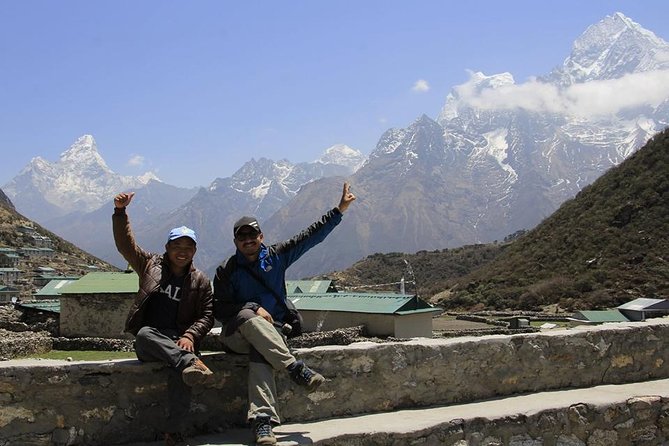
You get a full day in Namche Bazaar, and it’s not framed as a “skip day.” It’s a rest and relaxation day that still helps your body adapt. Namche is described as the main center for the Khumbu with government offices, ATMs, internet cafes, shops, restaurants, and a colorful market. That means you’re not stuck staring at walls. You’re in a working Sherpa town with bustle and convenience, at altitude.
You also have an optional hike to Khumjung village (12401 ft). This is the kind of outing that helps you acclimatize the practical way—go up a bit, move carefully, and come back. If the weather is friendly, this is also a good time to watch conditions, because the Everest area changes quickly.
A good practical mindset
If you’ve ever felt tempted to “force it” when you feel good, Namche is where you resist that urge. Rest days exist for a reason at this altitude, and taking them seriously usually pays off later at Kala Patthar.




Tengboche: rhododendron climbs and a monastery visit that feels big
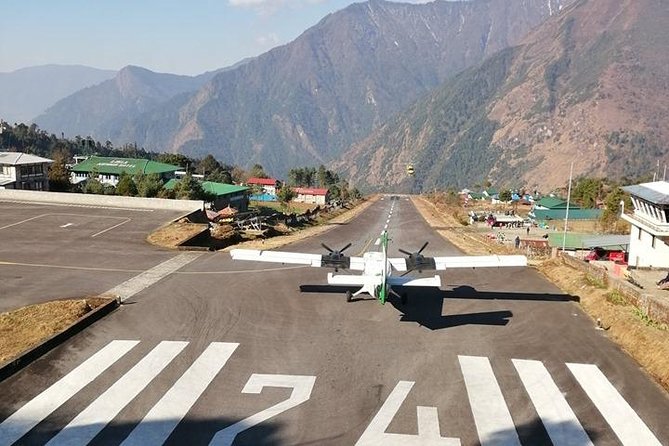
The trek’s scenery and mood shift as you head toward Tengboche. You descend toward the Dudh-Koshi River and then climb back up along rhododendron forests. The route description is loaded with peak names you’ll recognize: Everest, Lhotse, Nuptse, Ama Dablam, Thamserku, Kongde. Whether every one is visible each time depends on weather, but the idea is solid: you’re walking through a corridor that repeatedly offers wide views.
Tengboche is where the trek gets more than just hiking. You visit Tengboche monastery, described here as the largest monastery in the region, and you soak in views of Everest and Ama Dablam from the monastery area. For many people, this is the moment they remember they’re not just chasing a summit dream—they’re stepping into Sherpa spiritual space and mountain culture.
Dingboche and the second acclimatization day that matters
The route continues through the forests again (birch, conifers, rhododendrons), then pushes toward Imja Valley and the Lobuche River before reaching Dingboche. Dingboche is described as a village with fields enclosed by stone walls to protect crops from cold winds and grazing animals. That detail matters because it shows how people live here year-round, not just when trekkers pass through.
Then you get another full acclimatization day at Dingboche. You can do day hikes to Nagarjun Hill or Chukkhung Valley for views of Makalu, Lhotse, Chalotse, Tawache, and Ama Dablam. This is smart planning: you’re giving your body time to adjust while still moving enough to keep spirits up.
Why you’ll be glad this exists
A lot of treks want you to grind daily from day one. This one builds pauses on purpose. That’s a big reason why the later high-altitude days don’t feel like a random jump into the deep end.
Lobuche and the memorial stretch: human stories on a hard trail
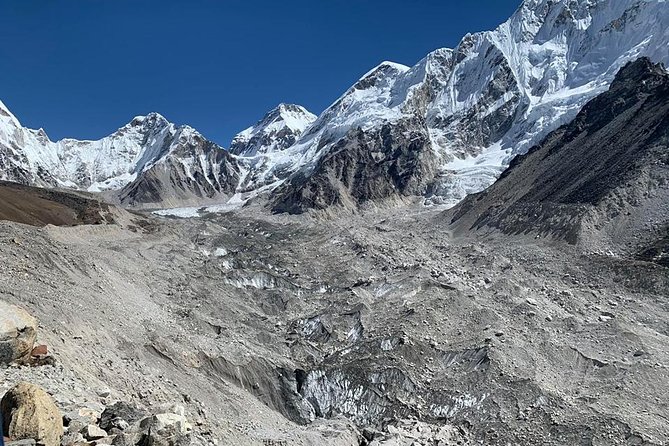
On the way to Lobuche, you climb toward Duglha at the end of the terminal moraine of the Khumbu. After that, the trail becomes steeper toward Chupki Lhara, where you’ll see memorial stones with prayer flags tied to the memory of Scott Fischer and Babu Chiri Sherpa, both described here as perishing on Everest-related missions.
From Chupki Lhara you continue along the Khumbu moraine. You face multiple big peaks in the process: Khumbutse, Lingtren, Pumori, and Mahalangur Himal. Then the trail eases as you follow the valley to Lobuche.
Even if you don’t consider yourself emotional on hikes, memorials like this have a way of slowing your steps. They’re also a reminder that Everest is serious, and that mountain respect is part of the experience.
Gorak Shep to Everest Base Camp: thin air, navigation, and bright tents
This is the part most people picture when they think of Everest Base Camp: the walk to Gorak Shep, then onward to Base Camp. You follow a trail toward Everest Base Camp through the once-vast Gorak Shep Lake area. Along the way you can also see Indian army mountaineers’ memorials.
One practical detail you’ll be glad you heard before you reach this zone: the path from here can be misleading, so following your lead Sherpa is key. Thin air makes everything harder—your pace slows, and even small mistakes take more effort to correct. You pass rocky dunes, moraine, and streams before reaching Everest Base Camp.
At Base Camp, you see mountaineers’ tents set against the gray surroundings. In some seasons, they’re especially bright, which makes the whole place feel vivid rather than bleak. From Base Camp you can view Nuptse, Khumbuste, and Pumori.
Then you return to Gorak Shep for the night. I like that this isn’t framed as one long, uninterrupted grind. You do the push, you reach the goal, and you still end the day with a place to recover.
Kala Patthar morning: cold pre-dawn effort for 360-degree Everest
If you only remember one part of this trek, make it the Kala Patthar day. The plan calls for an early morning departure from Pheriche in pre-dawn darkness, with cold temperatures described here around -10 to -14 C, plus the possibility of chilly winds.
You start moving while familiar peaks like Lingtren, Khumbutse, and Changtse tower to the east and Everest begins to show itself. Then the payoff: Kala Patthar brings 360-degree up-close views of Mount Everest.
This is also when the trekking becomes a mental sport. You’ll be cold, you’ll be tired, and you might feel like you’re walking through the same spot for a long time. But once you’re at the right viewpoint, you’ll understand why people plan their whole Everest dream around this ridge.
Afterward you return to Lobuche for the night, which is smart. You don’t pile on extra goals after the hardest scenic moment. You recover.
Back down toward Namche and Lukla: the Dudh Koshi corridor
The return route keeps things from getting too monotonous. From Pheriche toward the Dughlha road, you pass rhododendrons and juniper trees along stretches with prayer flags. You also cross suspension bridges over the Dudh Koshi River and pass through the Dudh Koshi gorge, descending rapidly through pine forests.
Wildlife sightings are noted in the plan: colorful pheasants and mountain goats might appear. You also reach Sansa, with views of Ama Dablam, Thamserku, and Nuptse. Then winding trails and forest walking bring you back to Namche Bazaar.
Day 11 is a steep descent toward Lukla. You’re told to walk cautiously because the rocky terrain can feel brutal with shaky legs. Suspension bridges cross fast-flowing Dudh Koshi and tributaries, which adds both excitement and a reason to keep your footing slow and deliberate.
Then it’s Lukla again. The legs need stretching time, and the short emotional shift hits—this is where the “I’m doing it” feeling turns into “it’s over soon,” even if you still have one flight day left.
Kathmandu wrap-up: hotel comfort, sightseeing, and a farewell dinner
After the trek, you catch an early morning flight back to Kathmandu from Lukla. That arrival gives you the clean reset you need: rest, possible souvenir shopping, and a chance to see more of the capital and historic areas of Nepal with your guides’ help.
A farewell dinner is included in the evening after you complete the journey. I like this kind of ending because it turns a long, silent walking effort into a shared moment with your trekking team. It’s not required, but it’s a nice finish line.
Price and value: what $2,000 covers (and why that matters at altitude)
At $2,000 per person, this Everest Base Camp Standard Trek isn’t the cheapest option out there. But it also covers several things that cost real money or cause real headaches on the ground.
You get:
- transport to and from Tribhuvan Airport in Kathmandu
- a 3-star hotel in Kathmandu with breakfast
- all trek transportation including flights to and from Lukla
- guided support with government-authorized, experienced guide and porters
- accommodation in mountain guest houses
- insurance plus meals (breakfast, lunch, and dinner) during the trek
- equipment support like a sleeping bag and warm layers, plus a first aid kit
- park and trekking paperwork items like Sagarmatha National Park entry fee and TIMS card
- maps and service charges/taxes
For altitude treks, the value isn’t just food and a bed. It’s the system: who handles routes, how you’re supported day-to-day, and whether you show up at key moments like Kala Patthar with a plan that doesn’t fall apart.
Where cost might surprise you
You still pay extra for things that aren’t included: meals in Kathmandu besides breakfast, shower and charging fees where they apply, and tips for guide and porter. Alcoholic drinks plus tea and coffee aren’t included either. Also, the package notes that costs from unexpected occurrences like illness or weather problems aren’t covered. That’s normal in this type of adventure, but it’s worth keeping in mind before you budget.
The guide team factor: why Bhim, Bandhu, Ramesh, and Umesh keep showing up
A pattern in the feedback you provided is that the guide experience makes a big difference. Names like Bhim show up tied to being funny, knowledgeable, and helpful, with the idea that he helps keep people feeling good throughout the trek. Other names—Bandhu, Ramesh, and Umesh—are also credited as nice, helpful, experienced, and kind.
I think that tracks with what you’ll feel on this route. When the cold hits, when the air gets thin, and when you’re tired of checking your steps, having a leader who stays calm and reads the day matters as much as the view.
Season choice: expect weather to shape your day, not just your photos
This trek depends on good weather. The plan states it explicitly: if the experience is canceled due to poor weather, you’ll be offered a different date or receive a full refund.
In late spring, there’s also a chance of lighter crowd pressure at key places. One guest specifically noted May had less crowding, which meant more choices for accommodations. That doesn’t guarantee anything for every year, but it gives you a useful angle: if you hate long lines and crowded routes, you’ll want to pick your timing carefully and build in flexibility.
Who this trek is best for (and who should think twice)
This trek is described for travelers with moderate physical fitness. That’s encouraging, but the elevation makes it serious. You’re walking high-altitude terrain, with a major early morning in cold conditions and strenuous sections like the push to Everest Base Camp through thin air.
If you’re comfortable with steep descents, rocky trails, and day hikes that challenge your lungs, you’ll likely enjoy this route a lot. If you’re dealing with low stamina, poor acclimatization habits, or a tendency to rush, you may find the experience stressful.
Best fit:
- people who want a classic Everest Base Camp route with built-in acclimatization days
- hikers who like guided pacing and careful navigation
- travelers who enjoy a mix of big mountain views and culture, including Tengboche monastery
Should you book this Everest Base Camp trek?
I’d book it if you want an organized, standards-based Everest journey where key altitude days are planned with rest and support, not improvised. The value is strongest if you appreciate what’s included: Lukla flights, a real Kathmandu hotel setup, guide and porter support, meals, equipment support, and the park paperwork.
I’d pause and ask more questions if you’re worried about cold weather mornings, if you’re unsure you can handle steep rocky descents, or if you’re counting on extra spending being minimal (Kathmandu meals beyond breakfast, tips, and charging/shower fees can add up). And because Everest runs on weather, I’d also be ready for changes if conditions aren’t right.
If you match that mindset—steady pace, respect for altitude, and flexibility—you’re in the right place.
FAQ
How long is the Everest Base Camp Standard Trek?
It runs for about 12 days.
What’s included in the tour price?
The tour includes airport pickup in Kathmandu, a 3-star hotel in Kathmandu with breakfast, all trek transport including flights to and from Lukla, mountain guest house accommodation, government-authorized guide and porters, insurance, meals during the trek, equipment like a sleeping bag and warm layers, a first aid kit, maps, Sagarmatha National Park entry fee, and a TIMS card. It also includes a farewell dinner in Kathmandu.
Are international flights included?
No. International airfare is not included.
Are meals in Kathmandu included?
Meals in Kathmandu are not included beyond breakfast.
What’s the policy if weather cancels the trek?
This experience requires good weather. If it’s canceled due to poor weather, you’ll be offered a different date or a full refund.
Is it suitable for moderate fitness levels?
Yes. The information provided says travelers should have a moderate physical fitness level. The route does include demanding high-altitude days, including an early-morning cold push to Kala Patthar.