REVIEW · POKHARA
Poon Hill Ghandruk Circuit Trek from Pokhara 4 Days
Book on Viator →Operated by Pokhara Adventure Nepal (PAN) · Bookable on Viator
Four days, two worlds, one unforgettable view. This Poon Hill Ghandruk circuit from Pokhara is built around Poon Hill sunrise and the chance to slow down in Ghandruk’s Gurung village culture. You’re not just walking for photos. You’re moving through real communities on well-known trekking trails.
What I like most is how the trek blends high-reward scenery with practical pacing. You’ll also travel with an experienced English-speaking trekking guide, and the trip is set up so you’re sleeping in teahouses instead of figuring it out on your own.
One consideration: Day 3 starts very early, and the hiking is still real walking for several hours each day. If you hate mornings or don’t like altitude walks, you’ll feel it.
In This Review
- Key highlights worth planning around
- Pokhara to the Annapurna “wow moment” in 4 days
- Day 1: Ulleri first, so the trail feels earned
- Day 2: Ulleri to Ghorepani and Banthali’s Magar community views
- Day 3: Poon Hill before dawn, then down to Ghandruk
- Day 4: Ghandruk downhill through rhododendron to Pokhara lakeside
- Guides, food, and teahouses: where quality shows up
- Price and logistics: is $265 actually good value?
- Who should book this trek, and who should think twice
- Small details that change your day-to-day
- Should you book this Poon Hill to Ghandruk circuit?
- FAQ
- Where does this trek start from in the Pokhara area?
- How long is the Poon Hill Ghandruk circuit trek?
- What’s the main viewpoint and elevation on this route?
- Do you get to see sunrise at Poon Hill?
- Do you stay in teahouses during the trek?
- Are trekking permits included?
- Is the trip private?
- What do I need to provide before booking?
- What isn’t included in the price?
Key highlights worth planning around
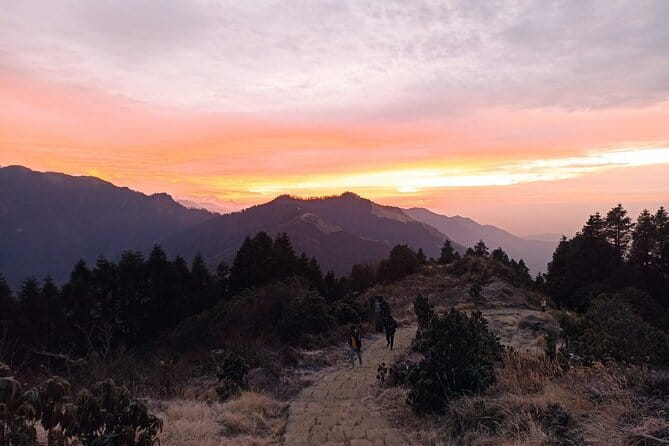
- Poon Hill sunrise timing: you’ll go before dawn so you don’t miss the main event.
- Ghandruk village stay: Gurung hospitality, stone houses, and village life after the big viewpoint.
- All teahouse lodging included: easier planning, and clean rooms and good food show up in the experiences I’m using.
- Permits handled for you: Annapurna Conservation Area permit and TIMS are included.
- English guidance that keeps you moving: guides like Prakash and Kabi are specifically praised for helpfulness.
- Private feel with a group setup: it’s a private trip, with only your group participating.
Pokhara to the Annapurna “wow moment” in 4 days
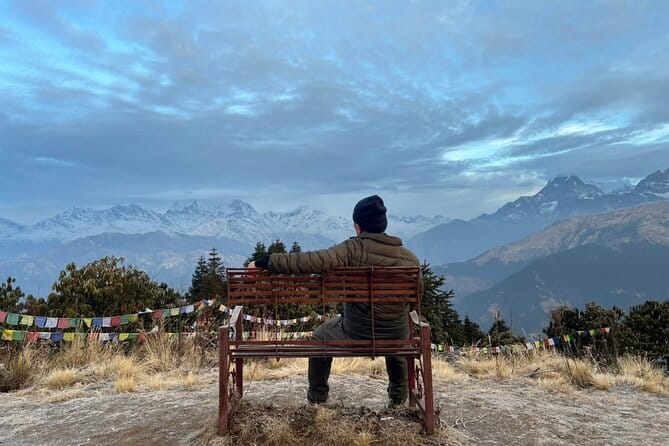
This is a classic short trek, the kind that gives you a Himalayan memory bank without needing a long vacation. You start from Pokhara, ride out toward the trailhead by shared bus, and then you walk a loop that connects key points around the Annapurna region.
The reason this route works so well is simple: you get a major viewpoint payoff on Day 3, then you get a cultural payoff on the way into Ghandruk. Poon Hill is the big headline, but Ghandruk is where you feel the Nepal part of Nepal—Gurung people, village rhythms, and the kind of warm welcome you remember later.
Also, I like that it’s designed to be doable for many fitness levels. The daily walking hours are moderate by trekking standards (around 6–7 hours on most days), and the trails are described as well-maintained along the way. That said, the early start and altitude make it a “respect the effort” trek, not a casual stroll.
You can also read our reviews of more tours and experiences in Pokhara.
Day 1: Ulleri first, so the trail feels earned
Day 1 is your on-ramp. You’ll start by getting to Nayapul (via local bus, about 1.5 hours), then you hike up to Ulleri (2,070m). Expect a long day on foot—roughly 7 hours—but it’s a practical length for settling into the rhythm.
Ulleri matters for two reasons. First, it’s a real trekking village, so you’re not jumping straight into altitude wilderness. Second, it helps you acclimate in a smart way: instead of doing everything at once, you climb gradually and let your body adjust.
You’ll also get the benefit of the route being set up for you: your guide helps keep timing reasonable, and you’re not wrestling with where to sleep or which turn to take.
A small plus from the on-the-ground experiences: people note things like clean rooms and good food during the trek. On Day 1, that comfort matters because you’ll likely be tired enough to appreciate a warm meal and a quiet night.
Day 2: Ulleri to Ghorepani and Banthali’s Magar community views
On Day 2 you trek from Ulleri to Ghorepani (about 6 hours). The day includes a pass through Banthali, a village associated with the Magar community, and that’s part of what makes this route feel more human than just scenic.
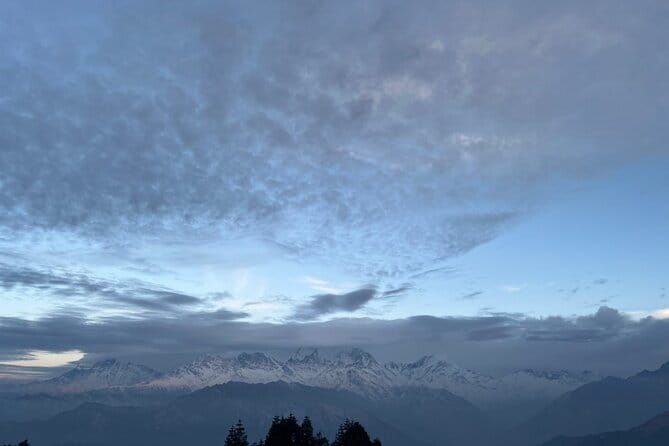
The itinerary also highlights views like Annapurna South and Himchuli along the way. Even if the skies shift, you’ll still notice the Annapurna region has a way of pulling your attention outward—peaks, valleys, and layers of ridgeline that keep changing as you walk.
Ghorepani is important because it sets you up for the next morning. You’ll be staying in a teahouse in the trekking village zone, which makes it easier to start early the next day. It’s also the day where you’ll likely be thinking about Poon Hill: sunrise is the main event, but the best sunrise photos depend on being ready and positioned before the crowds and weather roll in.
Practical take: this is a day for steady pace. If you go too fast up the earlier sections, you’ll feel it later. A guide helps here, not by “pushing,” but by pacing you so Day 3 doesn’t become a struggle.
Day 3: Poon Hill before dawn, then down to Ghandruk
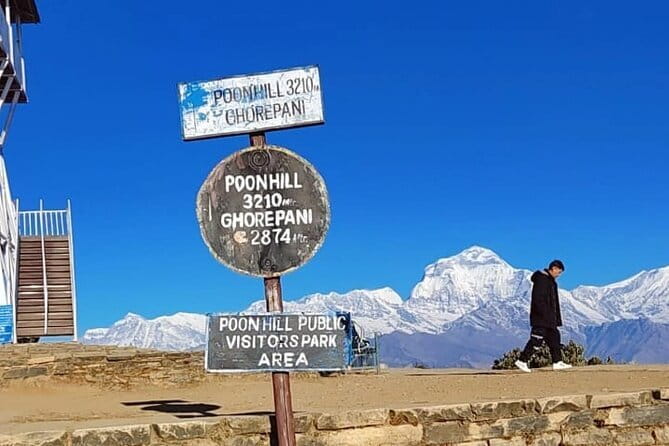
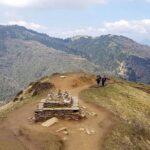
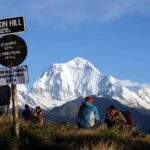
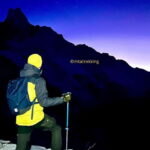
Day 3 is the reason people choose this trek. You start before dawn, hiking toward Poon Hill (3,210m) so you don’t miss the sunrise. The climb from the base to the top takes about 1 hour, which is short enough to manage, but steep enough that you’ll want to keep your breathing calm.
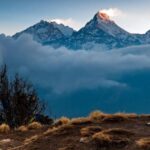
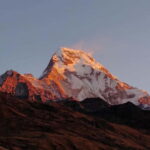
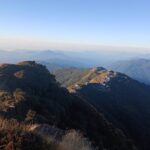
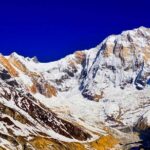
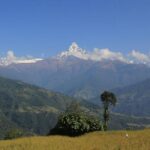
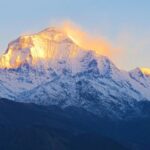
At the viewpoint, you’re in the wide-angle zone for some legendary peaks: the route specifically mentions Mt. Machapuchare (Fishtail), Annapurna I, and Dhaulagiri. This is a viewpoint day, but it’s still a walking day. You’ll arrive, take in the light change, then turn your attention to descending.
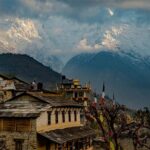
After breakfast time, you head down toward Ghandruk, a Gurung village known for hospitality. And this is where the trek shifts mood. Instead of chasing sunrise, you settle into village life: stone houses, local people, and a sense that you’ve arrived somewhere with a real home base.
From experiences I’m using, people often mention the comfort side of this transition—warm meals, and in some cases hot water at the teahouses. That matters after a cold early morning. If you’re sensitive to temperature, this is one of the days you’ll feel most grateful for basic comforts.
Day 4: Ghandruk downhill through rhododendron to Pokhara lakeside
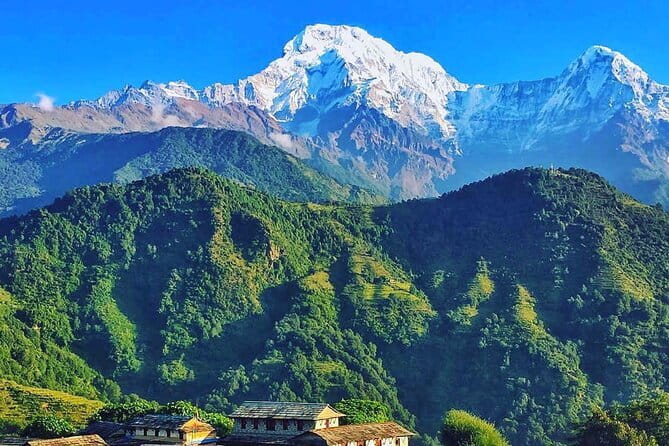
On Day 4 you finish the loop by hiking downhill from Ghandruk back toward Pokhara, aiming for the Pokhara lakeside area. This is about a 7-hour day and it’s all about letting your legs run the downhill rhythm.
The route description notes crossing rhododendron forest, which gives the final day a gentler feel compared with the steeper climbing days. Even if the views aren’t as dramatic as sunrise, the forest sections can break up the monotony and keep you focused on the path ahead.
This is also your “soft landing” day. You’ll be waving goodbye to big names you’ve been seeing along the way—Annapurna peaks, Dhaulagiri, and Fishtail—then ending back in Pokhara where you can sleep in comfort and re-center your trip.
If you get knee trouble on descents, I’d treat this day as the one to pace carefully. Downhill is often harder than uphill on your body even if it feels faster.
Guides, food, and teahouses: where quality shows up
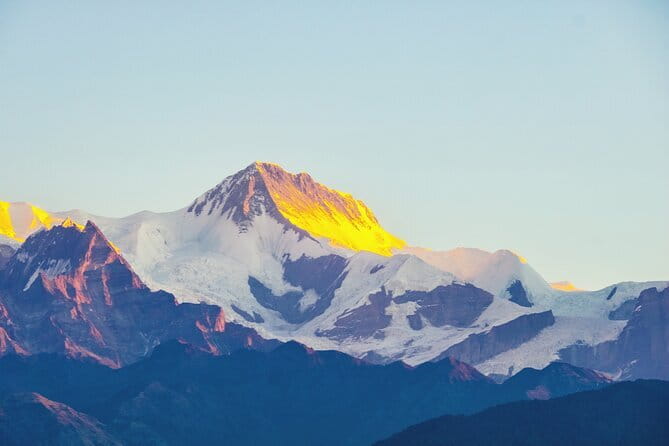
This trek runs on one big assumption: teahouse lodging will be good enough to keep you hiking with energy. In the experiences I’m drawing from, the standout pattern is consistency—helpful guides, clean rooms, and very good food.
Names that come up clearly include Prakash (often praised as the best guide) and Kabi (also praised for excellent arrangement). When you have an English-speaking guide who communicates well, it changes the trek. You waste less time worrying and more time actually walking and looking out.
Food quality is another major deal on short treks. Your appetite gets hungry quickly at altitude and after early mornings. People highlight meals as part of why they felt the trip was enjoyable, not just scenic.
Also keep in mind: hot water isn’t guaranteed in every trekking region, but it’s specifically mentioned as available in some cases. If hot showers matter to you, ask your guide what to expect at the teahouse you’ll use that night.
One more small comfort: since accommodation is included for the trek nights, you avoid decision fatigue. You don’t have to pick between places while tired and hungry. Your guide and team handle it.
Price and logistics: is $265 actually good value?
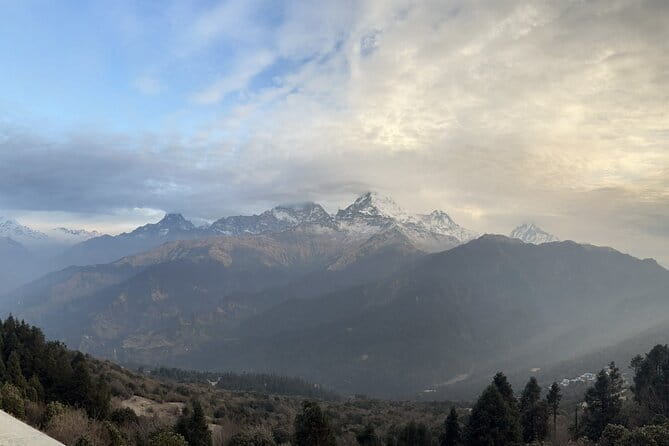
At $265 per person for about 4 days, the best way to judge value is not just the headline price. It’s what you’re getting for it.
Included items cover the big cost drivers:
- Hotel pickup and drop off
- All teahouse (lodge) accommodation during the trek
- Annapurna Conservation Area permit & TIMS
- An experienced English-speaking trekking guide
- Round trip transfer by sharing bus
- It’s a private trip for your group
When permits, transfers, and guide time are bundled, the trek becomes more predictable. This is especially helpful on a short itinerary where you don’t want to lose a day to logistics.
You do still need to budget for what’s not included: personal expenses and gratitude. That’s normal on trekking trips in Nepal, but it’s good to plan for it so you’re not surprised later.
One more practical note: the trip includes a mobile ticket in the setup. That usually means less hassle checking in day-to-day.
Overall, this is a fair price if you want a guided, permit-ready trek with sleeping and meals handled through teahouses.
Who should book this trek, and who should think twice
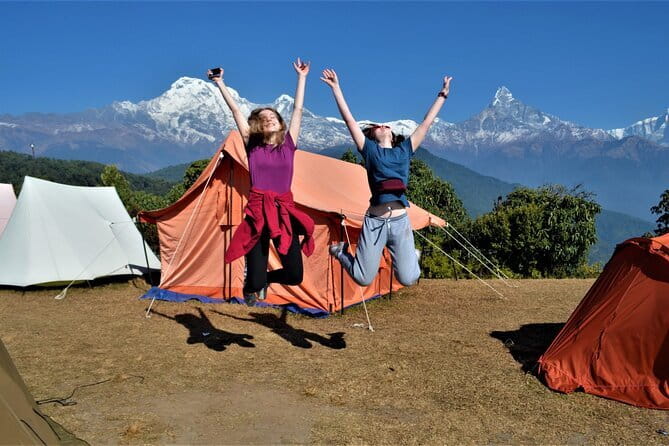
This trek fits well if you:
- Want a short, structured Annapurna experience with a real sunrise highlight
- Enjoy village atmosphere as much as mountain views
- Prefer guided navigation and permit handling
- Are traveling solo or as a small group and want a smoother experience
The route also says most travelers can participate, and the daily walking hours are in the moderate range (roughly 6–7 hours on key days). If you’re physically steady and can handle early mornings, you’ll likely do fine.
Think twice if:
- You strongly dislike starting before dawn
- You have knee issues or weak downhill endurance (Day 4 is a long descent day)
- You want a totally unstructured holiday with zero schedule pressure
This isn’t extreme, but it is still a mountain trek. You should go in with respect and you’ll get rewarded.
Small details that change your day-to-day
A few parts of the setup are worth paying attention to:
Permits and documentation. You’ll need to send a passport copy and a selfie photo before the trek so the permit can be issued. If you leave that to the last minute, you’ll risk delays.
Private trip meaning. It’s described as private, with only your group participating. That’s a comfort factor if you prefer a calmer experience instead of constant mixing.
Transfers. You’re not walking from Pokhara’s doorstep. You’ll do a round trip by sharing bus to reach and return from the trek area. That usually saves time and keeps costs reasonable.
Group discounts. The setup mentions group discounts, so if you’re traveling with friends, it may be worth checking how that applies for your exact group size.
Should you book this Poon Hill to Ghandruk circuit?
If you want a short Himalayan trek with a clear highlight and clear structure, I’d book it. The combination of Poon Hill sunrise views and a real stop in Ghandruk gives you both the mountain moment and the village memory. Add in permit coverage and an English-speaking guide, and it’s a smart way to do the Annapurna region without getting stuck on logistics.
I’d skip it only if early starts and several hours of daily walking don’t fit your style. Otherwise, this is the kind of trek that leaves you tired in a good way—then back in Pokhara, with stories that sound better every time you tell them.
FAQ
Where does this trek start from in the Pokhara area?
The trip includes hotel pickup and drop off in Pokhara, then a transfer by sharing bus to reach the trek starting point at Nayapul, where the hike begins.
How long is the Poon Hill Ghandruk circuit trek?
It runs for 4 days (approx.).
What’s the main viewpoint and elevation on this route?
The big viewpoint is Poon Hill, at 3,210m.
Do you get to see sunrise at Poon Hill?
Yes. The plan is to start before dawn and hike up so you don’t miss the sunrise from Poon Hill.
Do you stay in teahouses during the trek?
Yes. All teahouse (lodge) accommodation during the trek is included.
Are trekking permits included?
Yes. The tour includes the Annapurna Conservation Area permit and TIMS.
Is the trip private?
It’s listed as a private trip, with only your group participating.
What do I need to provide before booking?
You need to send a passport copy and a selfie photo prior to the trip so the trekking permit can be issued.
What isn’t included in the price?
The price does not include personal expenses and gratitude.