REVIEW · KATHMANDU
Everest Base Camp Luxury Lodge Trek
Book on Viator →Operated by Peregrine Treks and Tours · Bookable on Viator
Everest Base Camp, without the usual roughing-it. This luxury lodge trek gets you to Everest Base Camp and Kalapatthar with better comforts, smarter pacing, and big Himalayan moments that feel planned, not improvised.
I really like how much the trip handling is done for you in Kathmandu and on the trail. During planning, people credit Pradip Karki for calm, detailed coordination, and on the trek the experience is supported by an experienced guide (names I saw include Mukhiya and Nima Sherpa) plus a 2:1 porter ratio to carry your load.
The trade-off is the usual Everest reality: getting to Lukla can mean a long drive from Ramechhap in peak seasons, and flights can be replaced with a helicopter option for an extra USD 300. Add altitude, and you’ll want moderate fitness and a steady approach.
In This Review
- Key Highlights You’ll Feel Day to Day
- Why This Luxury Version of Everest Base Camp Works
- Kathmandu Warm-Up: UNESCO Sites Before You Head Up
- Ramechhap to Lukla: Flights, Timing, and the Altitude Reality Check
- Phakding to Namche: Hillary Suspension Bridge and Your First Big Views (Days 3-4)
- The Namche Flex Day: Sunrise Options and Khumjung Stops (Day 5)
- Tengboche Monastery Day: The Route Up Feels Real (Day 6)
- Dingboche Acclimatization: Alpine Forests and a Ridge Hike (Days 7-8)
- Lobuche and Thukla Pass: The Emotional Push (Day 9)
- Everest Base Camp Day: Khumbu Glacier and Icefall Views (Day 10)
- Kalapatthar Sunrise (Day 11) and the Return to Pheriche (Day 11)
- Days 12-13: Namche Again, Then Lukla, Then Your Mini Celebration
- Kathmandu Finish: Flight Back and a Farewell Dinner (Days 14-15)
- Price and What $3,840 Actually Buys
- Who This Luxury Lodge EBC Trek Suits Best
- Should You Book This Everest Base Camp Luxury Lodge Trek?
- FAQ
- How long is the Everest Base Camp Luxury Lodge Trek?
- Where does the trek start and end?
- Are airport pickups and drops included?
- Do I need my own permits and TIMS?
- What flights are included to start the trek?
- Is a helicopter option available?
- What kind of accommodation is included?
- Are meals included?
- What extra costs should I plan for?
- Can I cancel for a full refund?
Key Highlights You’ll Feel Day to Day
- Luxury lodge aim, not true camping: better shelter and meals while you still earn the altitude views.
- Kathmandu UNESCO warm-up first: Durbar Square areas, Pashupatinath, Swayambhunath, Boudhanath, all guided.
- Flight plan tied to season: Lukla starts, often from Ramechhap with a 5-hour transfer in peak months.
- Acclimatization built into the schedule: Namche, then extra time around Dingboche and a ridge hike.
- Kalapatthar sunrise: the classic long look at Everest-country angles.
- Your group gets the support system: guide, porters, permits, first-aid kit/medicine, and even a trekking bag and map.
Why This Luxury Version of Everest Base Camp Works
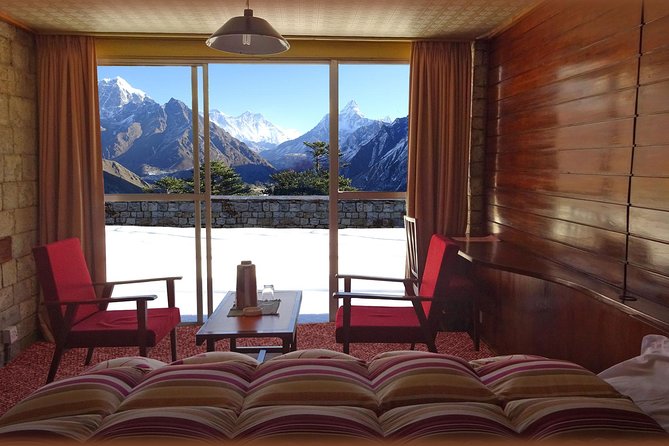
What I like about this experience is the mix of comfort and structure. You get enough lodge quality that you’re not constantly fighting the basics, but you’re still walking the real Khumbu trail—past the river, through villages, and up to the places most people only dream about.
The second big plus is the way the trip reduces decision fatigue. Your permits and TIMS are included, you have an English-speaking guide or language support by request, and porter coverage is built in (2:1). On a trek where altitude and tired legs can make planning feel impossible, that support matters.
Still, this isn’t a free-pass to ignore the mountains. You’re going up to high passes and spending multiple nights in altitude zones. The luxury part helps your recovery, but you still need to follow the pacing that comes with acclimatization days.
You can also read our reviews of more tours and experiences in Kathmandu.
Kathmandu Warm-Up: UNESCO Sites Before You Head Up
Your trek starts with a Kathmandu setup that’s actually useful. Day 1 is airport arrival handling, document collection, permits, and ticket arrangements. Then you get a welcome dinner and a guide intro so you know what to expect before you ever see Lukla.
Day 2 is a full day guided tour of UNESCO World Heritage sites. You’ll visit:
- Bhaktapur Durbar Square: a strong start because the town feels like old-world Nepal in stone, wood, and courtyards. The Palace of 55 Windows is a highlight if you like architectural details.
- Pashupatinath Temple: you’ll see the complex along the Bagmati River. The main temple area is off-limits to non-Hindus, but the compound itself gives plenty to look at, and you’ll understand why it’s such an important pilgrimage site.
- Boudhanath Stupa: one of the largest Buddhist stupas in the world. Prayer flags and small shops create a lively religious atmosphere.
This Kathmandu day is more than sightseeing. It’s a reset. You’re collecting your bearings, learning the cultural context, and getting your trip rhythm set before you jump into mountain logistics.
Ramechhap to Lukla: Flights, Timing, and the Altitude Reality Check
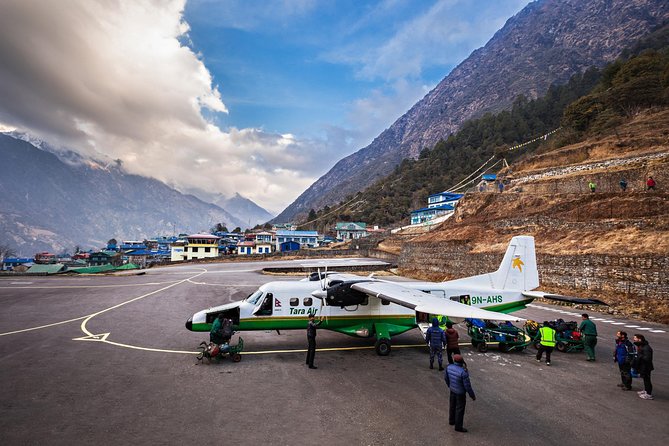
On Day 3, trekking begins with an early flight to Lukla, then walking toward Phakding. Here’s the practical detail you should plan around: in peak seasons (April, May, October, and November), flights to Lukla depart from Ramechhap, which is about a 5-hour drive from Kathmandu. Direct flights aren’t available during those months.
If you’re flexible and want a smoother start, the trip includes a helicopter option for an extra USD 300. That price is not small, but it can be worth it if you want to reduce travel stress before you’re dealing with altitude.
Once you’re moving, you’re not just climbing. You’re transitioning. Day 3 includes passing villages like Chaurikharkha and arriving at Phakding at around 2,652m. You’ll get your first big views, including Mt. Khumbila, a peak revered in the region.
A note I’d take seriously: the itinerary includes “moderate physical fitness” as a requirement. That’s the right word. This trek isn’t described as a casual stroll, but it’s also not a scramble-and-suffer-only route.
Phakding to Namche: Hillary Suspension Bridge and Your First Big Views (Days 3-4)
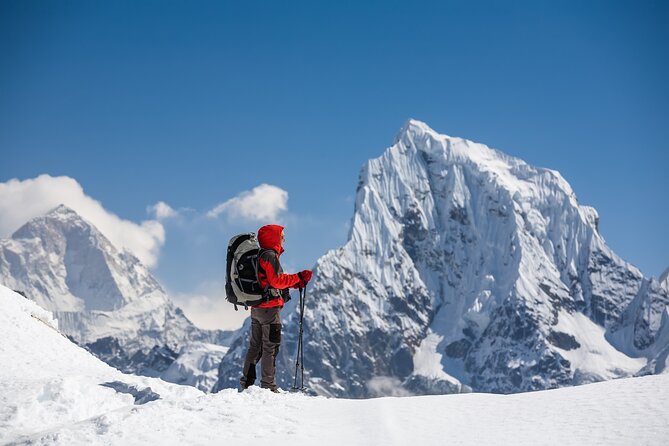
Day 4 is a trek toward Namche Bazaar with the usual mix of forest paths and river walking on the Dudh Koshi. You’ll cross the Hillary Suspension Bridge, which is one of those points where it suddenly feels like you’re in Everest-world.
This day targets two goals:
- Get you to Namche without rushing.
- Give you your first real sense of the Khumbu geography.
You also have a chance of wildlife sightings while entering Sagarmatha National Park, including animals like red panda (if you’re lucky), Himalayan bear, and Himalayan thar. You’re not going to control wildlife, but the timing and habitat mean you’re in the zone where it might happen.
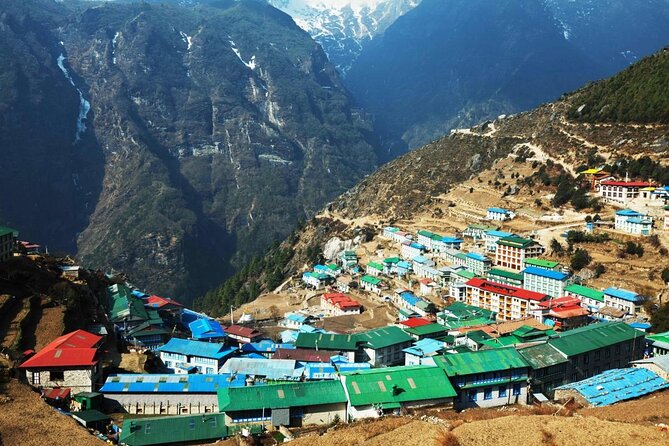
You’ll stay in Namche at Namche Hotel or a similar upscale option. This matters because Namche isn’t just a place to sleep—it’s the hub where you adjust your expectations. There are viewpoints, shops, and a feeling of altitude intensity.
The Namche Flex Day: Sunrise Options and Khumjung Stops (Day 5)
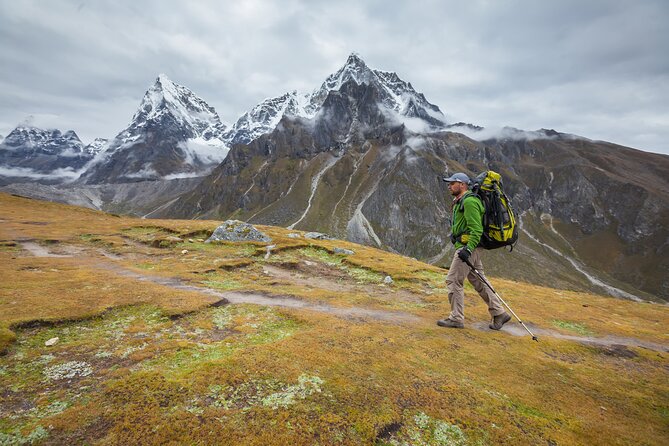
Day 5 is one of the smart “let your body catch up” days. You’ll keep walking light, with short hikes around Namche.
You can choose how you use this day:
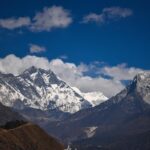
- A relaxed early sunrise stroll for panoramic views over iconic peaks like Mt. Everest, Lhotse, Ama Dablam, and Thamserku.
- Or a day hike to Khumjung village, including Edmund Hillary School and a monastery site that’s rumored to house a yeti scalp.
Then you sleep again in the region at Khumbu Lodge or similar. What I like about this day is that it doesn’t pretend acclimatization is only about exercise. It gives you a mental break too. And on Everest trips, mental calm is altitude support.
Tengboche Monastery Day: The Route Up Feels Real (Day 6)
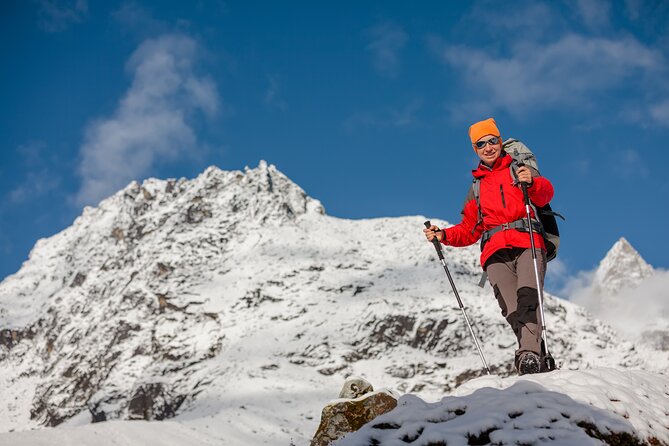
Day 6 is an uphill push through steeper terrain to Tengboche Monastery, described as the largest monastery in the Everest region.
Two practical things:
- You go at a steady pace to support your legs.
- Timing matters because the monastery typically opens around 3:00 PM, and the plan aims to arrive on time.
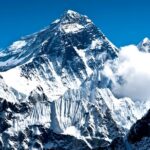
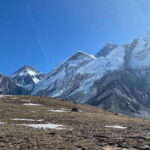
Tengboche is a classic Everest viewpoint stop. From here you get vistas of peaks such as Mt. Ama Dablam, Mt. Thamserku, and Mt. Khumbila. This is also where the trek starts to feel more sacred and less like a route. You’re in the zone where people slow down.
You’ll stay at Rivendell Lodge or similar upscale lodging. Luxury here is less about comfort-food luxury and more about not having to fight bad shelter after a hard day.
Dingboche Acclimatization: Alpine Forests and a Ridge Hike (Days 7-8)
Day 7 goes from forest paths through Sherpa villages like Debuche and Pangboche, with a stop to visit Pangboche Monastery. Then you cross the Imja and Lobuche rivers and arrive in Dingboche at about 4,360m.
Dingboche is known for agriculture at altitude: barley, potatoes, buckwheat fields, plus grazing animals. Seeing how people farm this high helps you understand the Khumbu isn’t only trekkers and peaks. It’s a living place.
You’ll spend the night at Good Luck Hotel.
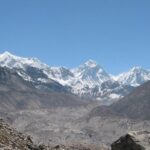
Day 8 is another acclimatization day. You hike up to a ridge behind Dingboche for wide views over Mt. Lhotse, Mt. Makalu, Mt. Cho Oyu, Cholatse, Taboche, and more. Then you slowly return to Dingboche to rest.
This “walk high, sleep low” style is one of the best altitude habits. The ridge hike lets you earn views while keeping your overnight in the same altitude area.
Lobuche and Thukla Pass: The Emotional Push (Day 9)
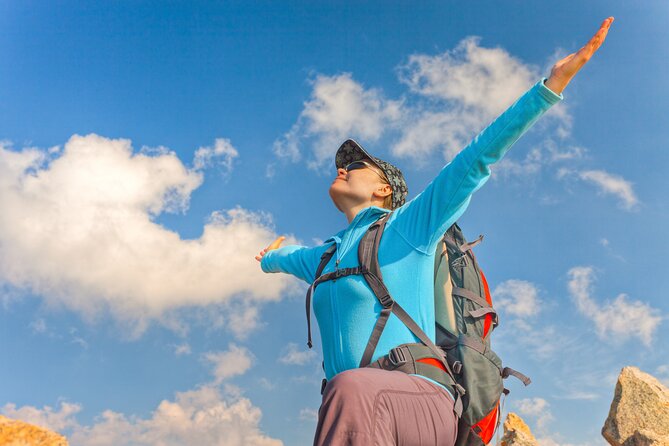
Day 9 is more challenging. You climb gently toward Pheriche valley, then to Thukla pass. Along the way you stop for lunch at Thukla.
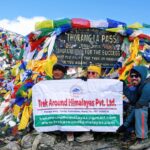
The pass includes memorial stupas honoring climbers and trekkers who lost their lives pursuing Everest. It’s the sort of moment where the mountains feel bigger than your own effort.
After the pass, you continue to Lobuche for the night, staying at New EBC Lodge or similar.
This is one of the days where I’d watch your pace carefully. A “luxury” lodge doesn’t stop altitude from happening. It just means you get a better chance to sleep well after you work.
Everest Base Camp Day: Khumbu Glacier and Icefall Views (Day 10)
Day 10 is a major day. You walk from Lobuche to Gorakshep, then shift into day-hike mode toward Everest Base Camp.
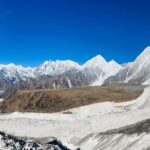
You’ll pass the top of the Khumbu Glacier and get your first view of the Khumbu Icefall. Even if you’ve seen photos, the scale and shape of ice features are different in person. It’s one of those visuals that makes you understand why this is a mountain full of risk and engineering.
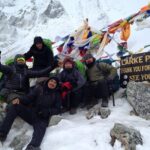
You arrive at the foot of Mt. Everest at around 5,364m. The plan includes a steady pace to help prevent Acute Mountain Sickness from rapid altitude gain.
You’ll spend the day with local lunch (as the route specifies), and then you settle for the night near the Gorakshep area.
Kalapatthar Sunrise (Day 11) and the Return to Pheriche (Day 11)
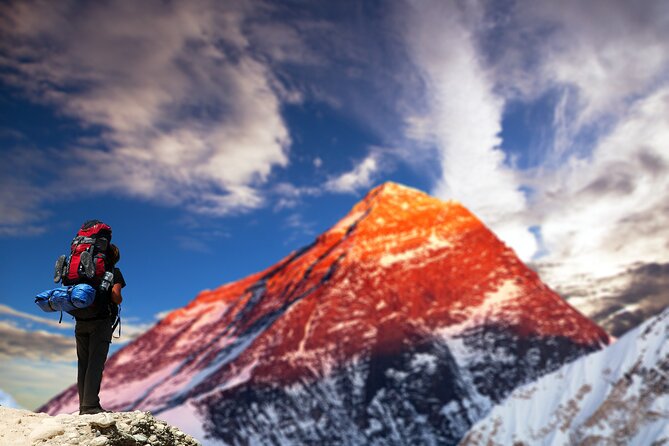
This trek’s big “look at Everest from the angle you came for” moment is on Day 11. You wake early for sunrise at Kalapatthar.
The route is described as a moderately steep trail with a comfortable pace. After sunrise, you head back toward Gorakshep for lunch, then descend gradually to Pheriche for the night.
What I like about this structure is that you’re not just climbing for climbing’s sake. You’re aligning your effort with sunrise timing, which also helps you manage energy. If you’re prone to rushing on the mountain, this day can become a lesson in patience.
Days 12-13: Namche Again, Then Lukla, Then Your Mini Celebration
Day 12 is your descent day to Namche Bazaar, following rhododendron, juniper, and pine forests, crossing the Dudh Koshi River again. Wildlife sightings are mentioned as possible—mountain goats and pheasants are specifically named in the plan.
You end at Namche for the night and get a chance to celebrate with your group. You’ll stay at Khumbu Lodge or similar.
Day 13 is a return walk to Lukla along the familiar trail, including Hillary Suspension Bridge and Sherpa villages and monasteries. Once you reach Lukla, you’ll have a mini party and your final night in the Everest region.
These two days are emotional for a different reason than Base Camp. You feel it when the routine changes. The return is usually quieter, and that’s when you start thinking about the people you shared the route with and the choices you made to get here.
Kathmandu Finish: Flight Back and a Farewell Dinner (Days 14-15)
Day 14 brings your flight from Lukla Airstrip back to Kathmandu. Once you land, you have time to explore at your own pace, with your guide available for support and short day trips or souvenir shopping.
Then you share a farewell dinner, where you can give feedback and swap stories.
Day 15 is your final airport escort to Tribhuvan International Airport, after staff checks your flight details.
One last detail I appreciate here: the trek comes with an achievement certificate and a trekking map and gear items like a t-shirt, plus a trekking bag/duffel bag that you keep. It’s not just a photo moment. It’s a souvenir package that helps you remember the effort.
Price and What $3,840 Actually Buys
At $3,840 per person for about 15 days, this is not a budget Everest trek. You’re paying for:
- Three nights in Kathmandu at The Everest Hotel
- Air-conditioned private vehicle pickup/drop and Kathmandu transportation
- Full day guided Kathmandu tour at UNESCO sites
- A guide who’s English-speaking or language-matched
- Best available lodges during trekking
- Meals in standard restaurants as per your choice during the trek (breakfast, lunch, dinner are included across multiple days)
- Permits and TIMS included
- Porter support in a 2:1 ratio
- Kathmandu (Ramechhap)–Lukla–Kathmandu flights
You can feel the value in the “stress reduction” categories: permits, guides, lodging standards, and porter support. Those are the pieces that usually turn a dream trek into a logistical headache.
What’s not included is where you should budget attention:
- Nepal entry visa fee (you get visa on arrival)
- International airfare and airport tax
- Alcohol, drinks, hot water, and hot/cold showers
- Travel insurance (essential, and it should cover emergency evacuation up to trekking above 5,500m)
- Personal expenses and camera battery charging
- Tips for staff and driver
- Personal trekking gear
If you like having a plan and you want your mountain time to stay focused on walking and views, this price makes more sense than it first appears.
Who This Luxury Lodge EBC Trek Suits Best
This trip fits you if you want Everest Base Camp with a comfort upgrade and organized guidance. It also helps if you like flexibility during acclimatization—like the choices around sunrise in Namche or the ridge hike from Dingboche.
It likely fits less well if you:
- Want the cheapest possible trek
- Are allergic to any altitude challenge (this route includes steep uphill work and a pass day)
- Expect unlimited hot showers and a full-on “resort” experience in the mountains (hot water and showers aren’t included)
One more clue from real-world planning: people in mixed-age groups (including an average age around mid-50s in one case) did full and shortened versions. That suggests the company can support variations, but you should still confirm what version you’re doing.
Should You Book This Everest Base Camp Luxury Lodge Trek?
I’d book it if your priority is a guided, luxury-leaning EBC experience with the right support pieces already handled: lodging standards, permits, flights to Lukla, porter ratio, and a clear acclimatization schedule. The Kathmandu UNESCO start also makes the trip feel like a complete Nepal introduction, not just an Everest shuffle.
I’d think twice if you’re cost-sensitive, or if you know you’ll struggle with flight logistics tied to Lukla in peak season. The Ramechhap transfer and the possible helicopter add-on are real considerations, and altitude is still altitude even with good lodges.
If you do decide to go, prep smart: pack for cold, move at the planned pace, and don’t treat sunrise days like speed trials. Everest rewards calm effort.
FAQ
How long is the Everest Base Camp Luxury Lodge Trek?
The duration is listed as 15 days (approx.).
Where does the trek start and end?
It starts in Kathmandu, Nepal, and returns to Kathmandu. The plan includes flights between Kathmandu (Ramechhap) and Lukla, then back again.
Are airport pickups and drops included?
Yes. Airport pickups and drops are included in a fully air-conditioned private vehicle.
Do I need my own permits and TIMS?
No. Necessary permits and TIMS are included.
What flights are included to start the trek?
The plan includes Kathmandu (Ramechhap) – Lukla – Kathmandu (Ramechhap) flights. In peak seasons (April, May, October, and November), flights to Lukla depart from Ramechhap.
Is a helicopter option available?
Yes, helicopter services are offered for an additional USD 300.
What kind of accommodation is included?
You get 3 nights in Kathmandu at The Everest Hotel, then good lodges during the trek. Specific lodge names are mentioned (like Sherpa Shangrila Resort in Phakding, Namche Hotel in Namche, and Rivendell Lodge near Tengboche) with similar options where noted.
Are meals included?
Yes. All meals in standard restaurants as per your choice during the trek are included, and seasonal fruits are also provided during the trek.
What extra costs should I plan for?
Not included: Nepal entry visa fee, international airfare/airport tax, city tour entry fees (where applicable), alcoholic and other drinks, hot water and hot/cold showers, personal expenses, personal trekking gears, tips for staff, and travel insurance.
Can I cancel for a full refund?
You can cancel up to 6 days in advance of the experience for a full refund.