REVIEW · KATHMANDU
Everest Chola Pass Trek-17 Days
Book on Viator →Operated by Himalayan Adventure Treks and Tours Pvt Ltd · Bookable on Viator
A high pass, then the big mountain payoff. This 17-day Everest Chola Pass Trek runs a classic Everest corridor but swaps in the Gokyo side and the dramatic Chola Pass crossing. You’ll also hit Kala Patthar for close-up Everest views, plus the quieter Sherpa villages along the way.
What I really like here is how the route builds altitude step-by-step, starting with Namche acclimatization and then moving up toward Gokyo and the glacier zone. I also like the people side: the trip includes an experienced guide and porter support, and past trekkers praised specific guides like Ang Pemba and the agency founder’s hands-on help with airport transfers and paperwork.
One drawback to consider: this trek is not a gentle stroll. You’ll be walking at high elevations in cold conditions, and lodge space can sometimes feel tight in peak season, so room quality can vary.
In This Review
- Key things that make this trek worth your time
- Why the Everest Chola Pass route feels different
- Price and what you’re really buying for $2,100
- Arrival in Kathmandu: your trek actually starts here
- Lukla flights and the first trail days: build rhythm fast
- Namche acclimatization: the day that saves you later
- From Dhole to Machhermo: scenery gets colder and steeper
- Gokyo Lakes and Gokyo Ri: the payoff for passing over water and stone
- Thagnag and the approach to Cho/Chola Pass
- Chola Pass (Cho La): the day you remember for years
- Lobuche and the glacier zone: cold becomes the real boss
- Everest Base Camp and Gorakshep: the foothills moment
- Kala Patthar and Pangboche: close-up Everest without the stampede vibe
- Lukla and Kathmandu: your legs get a break, but not your memories
- Who this trek suits best (and who should think twice)
- Should you book the Everest Chola Pass Trek (17 days)?
- FAQ
- What is the duration of the Everest Chola Pass Trek?
- Where does the tour start and end?
- Is pickup and airport transfer included?
- Does the price include the Lukla flights?
- Are meals included during the trek?
- Are permits and national park fees included?
- Do I need to bring my own guide or porter?
- Is there a vegetarian option?
- What fitness level do I need?
- Is there a cancellation window for a refund?
Key things that make this trek worth your time
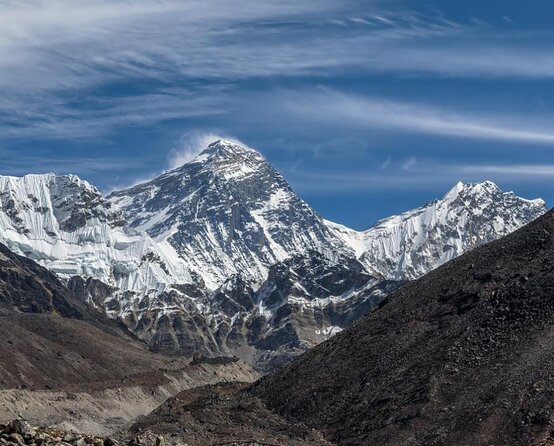
- Chola Pass crossing at 5,368m: tough day, huge payoff, big photo angles
- Gokyo Ri (5,360m): big summit-style views without going all the way to Everest Base Camp fatigue first
- Kala Patthar for close Everest views: one of the best ways to see Everest towering overhead
- Full Everest Base Camp visit from Gorakshep: you get the “foothills of the world’s highest mountain” feeling
- Guide + porter structure (1 porter for 2 clients): helps you stay focused on trekking, not logistics
- Airport and flight coordination: included transfers and flights via Lukla make the plan feel less stressful
Why the Everest Chola Pass route feels different
Most Everest itineraries feel like you’re on one main line from Lukla to Base Camp. This one keeps that spine, but it changes the scenery by threading in Gokyo Valley and then routing over Chola Pass before you go back toward Everest Base Camp.
That matters because you get different kinds of mountain drama. Days around Namche and the Dudh Koshi corridor give you forests, riverside trekking, and Sherpa town life. Then the Gokyo side shifts toward wider glacial views and the turquoise look of the lakes. After that, Chola Pass adds a real “we crossed the mountain wall” feeling before you descend toward Dzongla and keep going.
You can also read our reviews of more tours and experiences in Kathmandu.



Price and what you’re really buying for $2,100
At $2,100 per person, the value is strongest if you want an organized, high-effort trek where the heavy lifting is taken care of. This price includes Kathmandu hotel nights, meals during trekking, the Lukla flights, permits/fees (TIMS and Khumbu Valley fees), and a guide plus a porter for shared load support.
You’re also getting planning that’s important in Nepal. The trek includes travel and rescue arrangements and basic medical supplies (first aid kit available). It also includes a duffle bag that’s returned after the trek, plus Kathmandu airport transfers by private vehicle.
What you should double-check before you commit: international airfare and Nepal visa are not included. Also, any extra mountain days due to weather or flight delays would be on you, as would trip insurance and personal expenses like phone calls, battery recharging, hot showers, and bottled or boiled water.
Arrival in Kathmandu: your trek actually starts here
Day 1 is straightforward: you land at Tribhuvan International Airport, meet a company representative, and transfer to a Kathmandu hotel. You’ll also have time to meet the other trek members in the evening.
This part seems small, but it’s practical. Kathmandu night one lets you handle paperwork and get your gear sorted before the airstrip world of Lukla. Past trekkers specifically praised the agency’s help with the paperwork side and the punctual airport transfers, which is exactly what you want when your first real altitude day is about 24 hours away.
If you’re arriving early or later than planned, you may face an extra hotel day that isn’t included—so build in buffer time around your travel dates if you can.
Lukla flights and the first trail days: build rhythm fast
The trek starts with a scenic flight to Lukla, described as under 40 minutes, with views over mountains, forests, and river valleys. After landing, you hike to Phakding for 3–4 hours, then continue toward Namche through the Dudh Koshi riverside corridor.
Why this early segment matters: it’s your body’s “warm-up to the schedule.” The trail is described as pleasant, with pine, oak, and rhododendron along the way. You’re not just walking. You’re learning how your legs feel with pack weight and altitude creeping in.
Day 3 takes you to Namche Bazaar, and you pass Monjo, the entrance area of Sagarmatha National Park. Seeing that boundary is a neat reminder that you’re trekking in one of Nepal’s major protected zones, not just “scenery.”
Namche acclimatization: the day that saves you later
Day 4 is your acclimatization day in Namche. You do a hike to Hotel Everest View for panoramic views of the Khumbu region, while also exploring the local community and their day-to-day life.
This is not a rest day in the lazy sense. It’s structured movement so your body can adapt. You’re at elevation, and the whole plan depends on you absorbing altitude gradually before going higher.
If you’re the kind of traveler who tends to power through every day, treat this day differently. Keep your pace easy, drink water steadily, and pay attention to how your breathing changes. You’ll thank yourself on the later passes and glacier sections.




From Dhole to Machhermo: scenery gets colder and steeper
After Namche, the trek shifts toward Dhole, then continues to Machhermo. Day 5 is the move up to Dhole, where the plan suggests you can explore the area after arriving. Day 6 brings a longer ascent toward Machhermo, reaching around 4,470m.
The itinerary notes glaciated areas and mountain views that feel close. That “close” feeling is real in the Himalaya. Peaks rise fast, and the air can feel thinner in a way that changes your walking rhythm quickly.
This is also where weather can turn more serious. You’re higher, and you’re farther from the comfortable rhythm of bigger villages. If you pack layers like you mean it, this section will feel less punishing.
Gokyo Lakes and Gokyo Ri: the payoff for passing over water and stone
Day 7 takes you to Gokyo Lake at about 4,470m. The trek route goes through rocky ascent to reach the lake. The big highlight is the description of crystal-clear lakes and mountain reflections. Even if you’ve seen lake views before, the Everest region version tends to feel sharper and more dramatic because of the surrounding ice.
Day 8 is the climb of Gokyo Ri to about 5,360m. From the top, you’re looking at Everest and a long list of peaks like Makalu and Cho Oyu, plus other named summits visible from the viewpoint.
This day is one of the most “worth it” segments of the whole itinerary because it gives you a summit-view feeling without needing to go all the way into Everest Base Camp exhaustion first. You also get a full-day excursion around Gokyo Valley, then an overnight stay at Gokyo lakeside.
Practical tip: start early on steep morning climbs, and don’t over-celebrate at the first view. On big days like this, the best light and views often come after you’ve pushed for a bit.
Thagnag and the approach to Cho/Chola Pass
Day 9 moves to Thagnag from Gokyo Valley, with travel through snowfields and views of peaks. The plan calls out challenges, and that’s the point: the route is building you toward higher, colder terrain where footing matters.
This is where your trekking technique starts to matter more than raw speed. Short steps, steady breathing, and staying focused on the trail line is what keeps you moving smoothly.
Chola Pass (Cho La): the day you remember for years
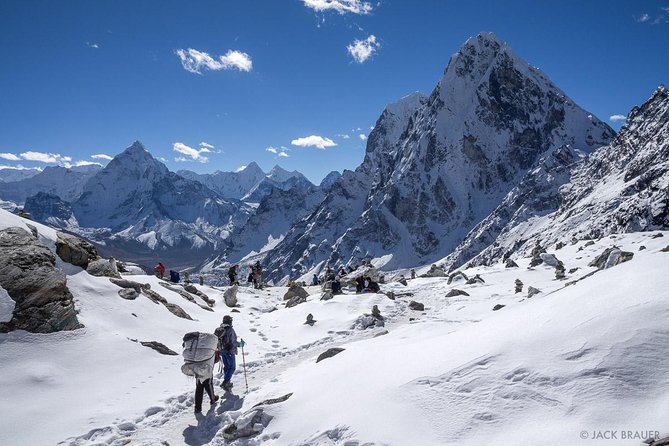
Day 10 is the “most important day” of the trek, with climbing up to Chola Pass (5,368m) and then descending to Dzongla. The views listed from the pass are extensive: Mt. Everest, Ama Dablam, Cho Oyu, Lhotse, Nuptse, Makalu, and more.
That kind of named-peak view is not just for bragging rights. It means the vantage is wide and high enough that you can actually connect the geography in your mind. Everest isn’t just a distant icon anymore.
After reaching Dzongla, the itinerary suggests exploring the area in the evening. You’re still high, so keep your energy for the night. Cold can creep in fast after a major pass day.
Lobuche and the glacier zone: cold becomes the real boss
Day 11 continues from Dzongla toward the Khumbu Glacier area. You’ll see views of Tawache and Cholaste, and the itinerary flags extreme cold in Lobuche Village.
This part matters because it changes what “difficult” means. Earlier days were about altitude and trail effort. Here, cold and wind can slow you down even if you feel strong.
Keep your core warm, protect your fingers and toes, and avoid getting too damp. On glacier-edge days, small discomforts can turn into bigger problems if you ignore them.
Everest Base Camp and Gorakshep: the foothills moment
Day 12 moves from Lobuche to Gorakshep and then to Everest Base Camp. The plan notes the Base Camp as the point where mountaineers work to summit, and the experience is described as hard to put into words.
You’ll also do the reverse: trek back down to Gorakshep for an overnight stay. That matters because you’re not just going up. You’re managing effort after reaching the “big target,” and Base Camp days can feel emotionally intense.
This is also where a good guide earns their fee. The itinerary is structured, and having an experienced person helps you keep the day moving at a safe pace without skipping the important moments.
Kala Patthar and Pangboche: close-up Everest without the stampede vibe
Day 13 is the trek to Kalapatthar. The itinerary emphasizes huge views of mountains and glaciers and specifically calls out a close-up view of Everest, Ama Dablam, and Pumori. Then you continue to a smaller settlement of Pangboche and can explore Pangboche village.
This is a great pairing. Kala Patthar gives you the dramatic, close-in view. Pangboche gives you a calmer village end to the day, so you can recover and shift from “peak hunting” into “Sherpa village life.”
Day 14 heads back to Namche Bazaar from Pangboche. The itinerary notes that the mountains can feel like they’re watching you the whole way. You also get wifi available in Namche, which can be a sanity check if you need to upload photos or just message home.
Lukla and Kathmandu: your legs get a break, but not your memories
Day 15 returns through a strenuous walk on sandy paths toward Lukla and includes time to explore Lukla Bazaar and shop local items. Day 16 flies back to Kathmandu in the morning and includes transfers to your hotel and free time to explore.
The evening farewell dinner is included at an authentic Nepalese restaurant with cultural performance. It’s a fitting wrap after days of mountain focus. It’s also a good moment to thank your team—your guide and porter—because you’ll have worked as a unit for almost two weeks.
One more practical thing: Lukla days can be tight. The itinerary is scheduled, but mountain weather can change flight timing. Pack patience as well as layers.
Who this trek suits best (and who should think twice)
This trek is best if you’re in strong shape and comfortable with long days at altitude. The plan explicitly says travelers should have a strong physical fitness level, and the itinerary includes multiple high passes and cold glacier-adjacent trekking.
You’ll probably love it most if you want the full Everest experience without only doing the single-line Everest Base Camp route. The Gokyo + Chola Pass + Kala Patthar combination is ideal for travelers who like variety: lakes, ridgelines, passes, and close-up summit views.
Think twice if you’re easily discouraged by cold, steep footing, or high-altitude breathing. And if you’re the type who demands perfect comfort in every lodge night, consider that room quality can vary in busy seasons.
Should you book the Everest Chola Pass Trek (17 days)?
I’d book this trek if your priority is a real Everest-area circuit that includes Chola Pass, Gokyo Ri, and Kala Patthar rather than just a straight Base Camp walk. The included guide/porter support, flights, permits, and meal plan make it feel “managed,” which matters when you’re juggling high altitude.
I’d also book it if you value service quality. The reviews mention strong help with airport pickup and transfers, paperwork support, and a personalized guide experience (including praise for Ang Pemba). That’s the kind of reassurance you want in a place where weather and logistics can shift.
I’d pause before booking if $2,100 feels tight after adding visa, international flights, insurance, and potential extra nights caused by weather delays. This is the Everest region. Some uncertainty comes with the territory.
If you want an organized, high-reward Everest trek and you’re ready for serious altitude effort, this one looks like a strong choice.
FAQ
What is the duration of the Everest Chola Pass Trek?
The trek is listed as about 17 days.
Where does the tour start and end?
It starts at Tribhuvan Airport in Kathmandu, Nepal. The activity ends back at the meeting point.
Is pickup and airport transfer included?
Yes. The package includes pickup from the airport and transfer to your Kathmandu hotel by private vehicle, and you’ll also get an airport transfer on the last day.
Does the price include the Lukla flights?
Yes. Kathmandu to Lukla and Kathmandu/Ramachap to Lukla flights are included, as described in the tour details.
Are meals included during the trek?
Yes. Lunch, dinner, and breakfast during the trekking period are included (with specified counts). Meals in Kathmandu are not included.
Are permits and national park fees included?
Yes. The tour includes the TIMS permit and Khumbu Valley fees.
Do I need to bring my own guide or porter?
No. The package includes an experienced guide and porter service (listed as 1 porter for 2 clients).
Is there a vegetarian option?
Yes. Vegetarian options are available if you advise the provider at booking.
What fitness level do I need?
The tour notes that travelers should have a strong physical fitness level.
Is there a cancellation window for a refund?
Yes. Free cancellation is allowed up to 24 hours in advance for a full refund. Cancellation within 24 hours does not receive a refund.