REVIEW · MARRAKECH
3-Day Shared Tour to Merzouga: Sahara Magic & Camel Trek
Book on Viator →Operated by Sahara cruiser · Bookable on Viator
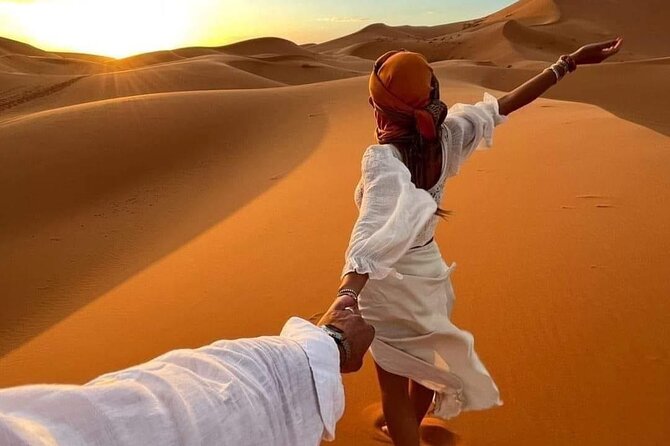
Orange sand waits at the end. This shared 3-day route strings together High Atlas Pass panoramas and Ait Benhaddou UNESCO kasbahs with a real Sahara camel trek, so you don’t have to stitch plans together on your own. The trade-off is time in the vehicle: it’s a full-on road trip with an early start.
I also like the way the desert night is handled: you’ll sleep in a traditional Berber camp experience under a star-filled sky, with dinners included and breakfasts covered on the last two days. And from what you can learn about how the trip is run, guides such as Moha or Mohamed, plus drivers like Houssine or Isham, tend to keep things friendly and moving.
One more thing to consider: the tour requires good weather, so if conditions are poor you may be offered a different date or a refund. If you’re the type who hates last-minute changes, plan with that in mind.
In This Review
- Key points to know before you go
- High Atlas to Tizi n’Tichka Pass: the start that makes the trip
- Ait Benhaddou and the Dades Valley: kasbahs you can walk into
- Todra Gorge inside the canyon: the short walk that leaves an impact
- Erg Chebbi camel trek and Berber camp: the classic Sahara night
- Food and comfort: what’s included, and what you’ll buy
- Price and logistics: what you’re really paying for at $127.96
- Who this 3-day Merzouga tour fits best
- Quick practical tips before you book
- Should you book this Sahara Magic and Camel Trek tour?
- FAQ
- How long is the 3-day shared tour from Marrakech to Merzouga?
- What is the price per person?
- Does the tour include pickup in Marrakech?
- What time does the tour depart from Marrakech?
- What meals are included?
- Are bottled water and alcohol included?
- Are tickets and admissions covered?
- How big is the group?
- What happens if the weather is poor?
- What is the cancellation window?
Key points to know before you go
- High Atlas by road via Tizi n’Tichka Pass: big views early, before the pace shifts toward kasbahs and gorges.
- Ait Benhaddou UNESCO time: about 2 hours at the earthen fortress village, plus movie-town vibes.
- Todra Gorge walk: a short but focused inside-the-canyon stretch, then an old village visit.
- Erg Chebbi camel trek + Berber camp night: the classic Sahara moment, with dinner included and a starlit sky.
- Small shared group (max 18): easier for questions and photo stops than huge coach tours.
High Atlas to Tizi n’Tichka Pass: the start that makes the trip
Your morning begins in Marrakech, with pickup offered and the activity starting between 7:00 AM and 7:30 AM. This early timing matters. You’re trying to beat traffic, and you’re also trying to get into the mountains while the light is still good for viewing from the road.
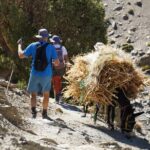
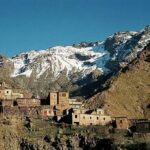
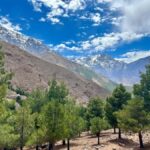
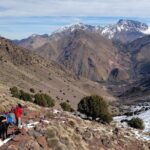
The first major highlight is the crossing of the High Atlas Mountains via Tizi n’Tichka Pass. You’ll travel winding roads that reveal rugged peaks and terraced hillsides, plus Berber villages built into the slopes. There’s a stop that lasts about 20 minutes, with an admission ticket included, so you can stretch your legs and actually look instead of just passing by through the window.
What I like about this opening day segment is the rhythm. It’s not only driving; it’s driving with timed breaks and a viewpoint purpose. That means fewer moments of, okay, what exactly am I supposed to be seeing here?
You can also read our reviews of more tours and experiences in Marrakech.
Ait Benhaddou and the Dades Valley: kasbahs you can walk into
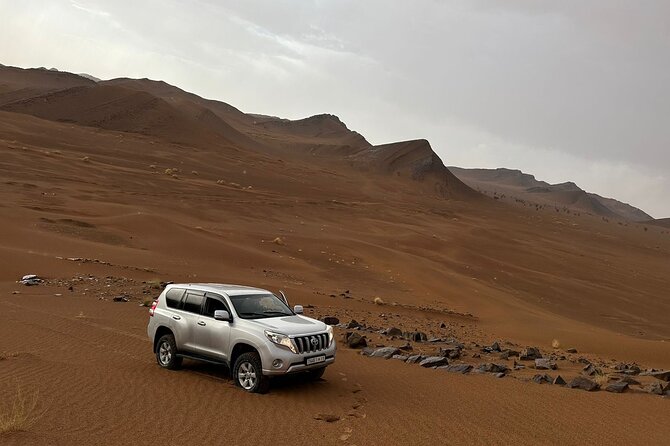
After descending from the High Atlas, you’ll hit Ait Ben Haddou. This is a UNESCO World Heritage site, famous for its earthen kasbahs—fortified village structures that look like they’ve been holding their breath for centuries. You also get a solid block of time here: about 2 hours. It’s not just a quick photo stop.
This stop has a practical advantage too. Ait Benhaddou is the kind of place where a couple of hours feels right. You can wander alleys, pause for wide angles, and still have time to linger when something catches your eye.
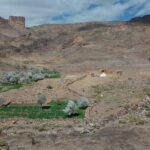
Then you continue onward into the Dades Valley, often nicknamed the Valley of a Thousand Kasbahs. Here, the vibe changes from fortress-village stillness to dramatic rock formations and a mix of villages and oases along the river. Even if you don’t go inside every structure, you’re getting a sense of why this corridor has drawn people and stories for so long.
One drawback of this portion: the day can feel like a sequence of scenery hits rather than slow sightseeing. If you love deep, unhurried museum-style pacing, a shared 3-day format will feel a bit compressed. Still, you’re seeing the big names without having to arrange separate transport between regions.
Todra Gorge inside the canyon: the short walk that leaves an impact
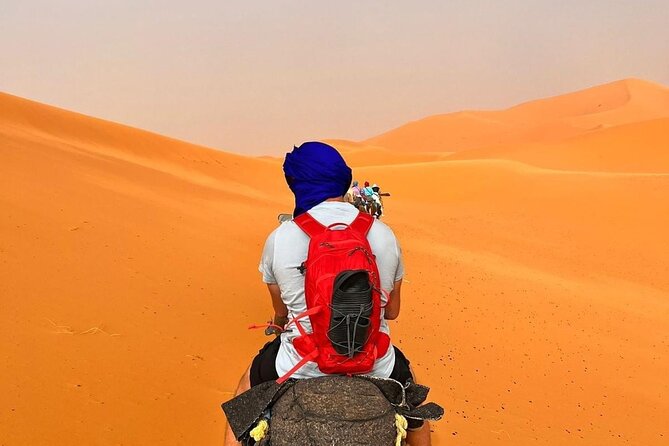
Day two moves from mountains and kasbahs toward more desert-forward terrain. First up is Todra Gorge. You’ll go through the Todgha Gorge area where towering limestone cliffs form a natural canyon corridor.
You get about 30 minutes here, and the important part is that you’ll have time for a walk inside the gorge, plus a visit to an old village. That combo works well because it keeps the moment from becoming only scenic. The gorge is the dramatic backdrop; the village stop adds a human scale.
A quick note on expectations: 30 minutes is not long. So plan to move with purpose—this is a photo-and-walk window, not a full hike. If you’re a slow photographer, you’ll still have time, just keep your attention on the best sections rather than wandering every side path.
Erg Chebbi camel trek and Berber camp: the classic Sahara night
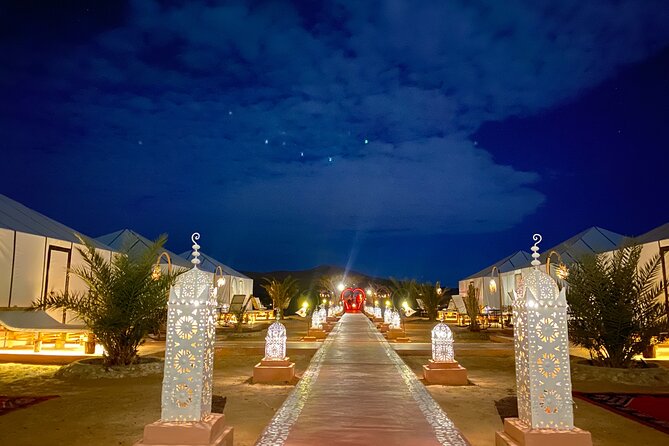
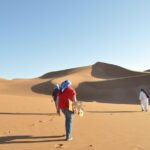
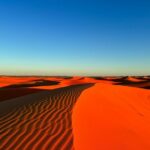
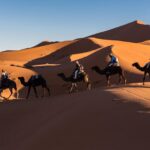
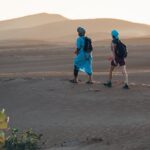
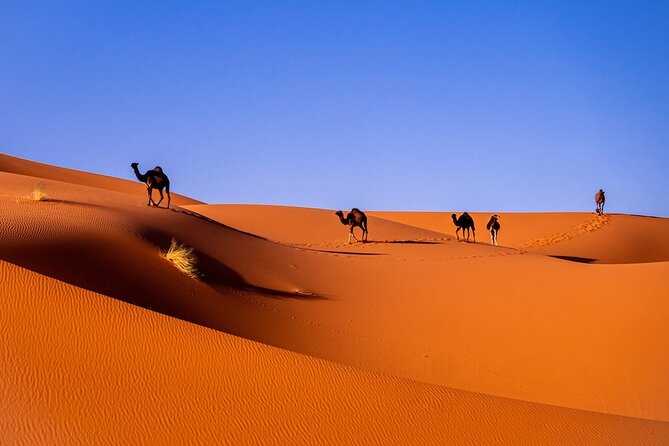
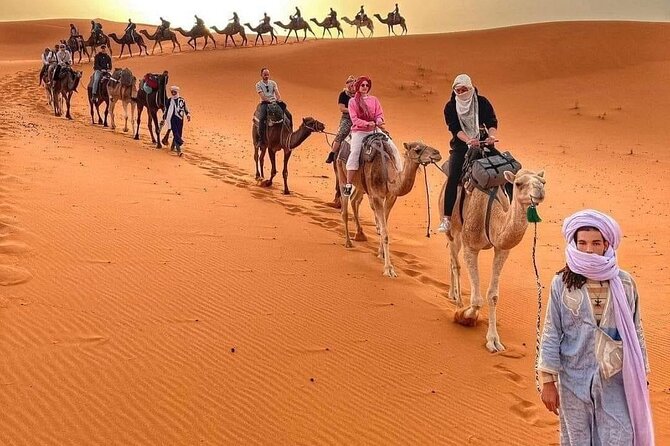
This is the main event: Merzouga, the gateway to Erg Chebbi dunes. You switch to camels for the trek into the desert, and the day stretches long—about 9 hours in the Merzouga desert segment.
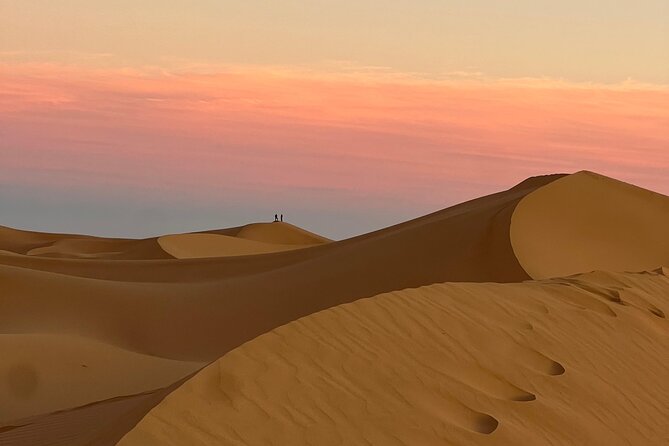
The camel trek is why this tour exists in the first place. It’s the moment when the Sahara stops being an idea and becomes an actual physical place around you—dunes rising and changing shape as you move. The good news is that you don’t have to plan the camels, arrange guides, or worry about timing. It’s handed to you as part of the shared schedule.
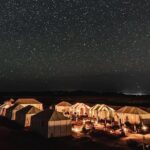
Once you reach the camp, you spend the night in a traditional Berber camp with the star-filled sky experience. Dinner is included, and you can expect that the night’s setup is built to keep things simple and comfortable rather than complicated. This is also where small moments start to matter: settling in, enjoying quiet before the next day’s drive, and soaking in the fact that you’re actually in a desert, not just looking at one.
If you’re comparing tours, this one is the “do it” version. A shorter desert tour may reduce driving time, but you also lose some of the build-up and the extra cultural stops. Here, you get a fuller story arc: mountains → kasbahs → gorge → dunes.
Food and comfort: what’s included, and what you’ll buy
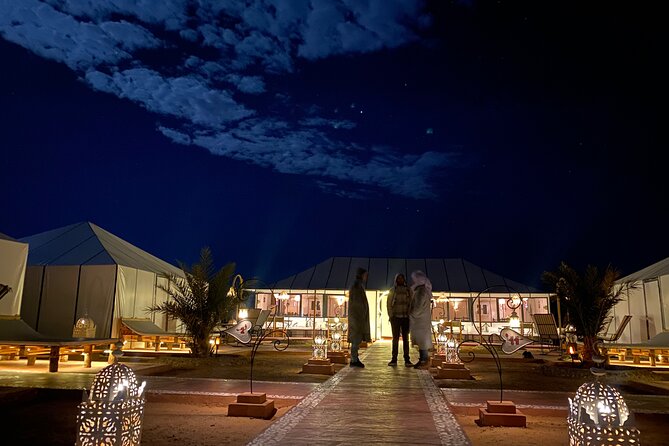
Food is part of the value. The trip includes breakfast for the second and third days and includes dinner (2). You’re not stuck trying to locate meals at the end of a long drive.
You also have an air-conditioned vehicle, which is a big deal when you’re spending multiple hours on the road. In Morocco, summer heat can make comfort worth paying for, even if you don’t think about it before you go.
Two items are not included: bottled water and alcoholic beverages. This is the kind of detail that quietly affects your budget, especially on desert days. If you know you’ll drink more than the average person, plan to buy water when you can.
Price and logistics: what you’re really paying for at $127.96
At $127.96 per person, this is built to be good value for a 3-day package. You’re paying for more than transportation. You’re also paying for:
- A shared setup capped at 18 travelers
- Air-conditioned group transport
- Included meals (breakfast on two days and two dinners)
- The key sightseeing entries (including a ticketed stop early in the mountains and included admission for Todra Gorge)
- The camel + desert camp portion
Where the price can feel like a bargain is when you total up what you’d normally handle separately: getting out to Merzouga from Marrakech, finding reliable guides, securing the desert camp night, and coordinating the camel trek. Even if you only do the big-ticket pieces, it adds up quickly.
Where the price might surprise you is in the extras. If you want bottled water in bulk or alcohol, you’ll pay those costs yourself. This isn’t a deal-breaker, just don’t assume you’re covered for everything.
Who this 3-day Merzouga tour fits best
This shared tour is a great fit if you want:
- A focused desert experience without planning headaches
- A mix of famous sights (Ait Benhaddou) and real natural stops (Todra Gorge)
- A group size that’s not overwhelming (max 18)
It’s less ideal if you:
- Get cranky after long car days
- Want maximum free time in each stop
- Are extremely sensitive to weather changes (the tour requires good weather)
One thing I appreciate from the way this kind of trip tends to run: the guides often make the difference. You may meet guides such as Moha or Mohamed, and drivers including Houssine or Isham—and the trip experience can feel smoother when someone explains what you’re seeing and helps you time photo stops. It’s also nice when someone helps you manage the practical stuff on the road, especially when the schedule is busy.
Quick practical tips before you book
- Bring money for bottled water (not included).
- Skip alcohol expectations; alcoholic beverages aren’t included.
- Expect an early start from Marrakech around 7:00–7:30 AM.
- Plan for a long travel day toward Merzouga; this isn’t a slow weekend.
- Since the tour requires good weather, keep one backup day in your mind if your schedule is tight.
Should you book this Sahara Magic and Camel Trek tour?
I’d book this if you want a classic Morocco route that hits the High Atlas, UNESCO kasbah country, and the Erg Chebbi dunes in one clean package—especially at a price that’s hard to beat when meals and key inclusions are counted in.
Skip it if you’re the type who needs lots of downtime, hates early mornings, or wants a strictly independent plan with no weather-linked changes. For everyone else, this is the kind of trip that gives you the big sights without the logistical clutter.
If you’re ready for a packed but well-structured 3 days, this one is a strong pick.
FAQ
How long is the 3-day shared tour from Marrakech to Merzouga?
It runs for about 3 days.
What is the price per person?
The price is $127.96 per person.
Does the tour include pickup in Marrakech?
Yes, pickup is offered and the tour starts in Marrakesh.
What time does the tour depart from Marrakech?
Departure is scheduled between 7:00 AM and 7:30 AM, Monday through Sunday.
What meals are included?
Breakfast is included for two days (the second and third day) and dinner is included twice.
Are bottled water and alcohol included?
No. Bottled water and alcoholic beverages are not included.
Are tickets and admissions covered?
Some admissions are included, including a ticketed stop in the Atlas area and admission included for the Todra Gorge stop.
How big is the group?
The shared group has a maximum of 18 travelers.
What happens if the weather is poor?
The experience requires good weather. If it’s canceled due to poor weather, you’ll be offered a different date or a full refund.
What is the cancellation window?
You can cancel up to 24 hours in advance for a full refund. If you cancel less than 24 hours before the start time, the amount paid is not refunded.