REVIEW · SAPA
Mount Fansipan 2 Days Trek – Roof of Indochina
Book on Viator →Operated by Trekking Tour Sapa · Bookable on Viator
Two days, one big summit. This Fansipan trek from Sapa chases the Roof of Indochina with a route that changes fast—plants, altitude, and even the feel of the air.
I love that the climb reads like a living science lesson: cardamom at the lower passes, then giant old pine and yellow bamboo as you gain height. I also like the small-group setup (max 15) paired with porter support, which keeps the day from turning into a solo suffering contest.
One consideration: summit views depend heavily on weather. If clouds move in, the top can feel more like a cold white hallway than a movie-poster panorama, so go in ready for the hike first, views second.
In This Review
- Quick hits before you go
- Why Fansipan feels like the real Roof of Indochina
- Price and what you’re actually getting for $185
- Getting to Sapa and the start point without stress
- Day 1: Sapa to Tram Ton Pass and the cardamom zone
- Day 1 reality check: what can slow you down
- Day 2: Breakfast, the last stage to Fansipan Peak, and back by mid-afternoon
- Summit expectations: aim for the experience, not just the view
- Guides and porter support: how this trek stays doable
- What to pack (and what you can leave at home)
- Is this trek for you?
- Should you book Mount Fansipan 2 Days Trek – Roof of Indochina?
- FAQ
- How long is the Mount Fansipan 2 Days Trek?
- How much does the trek cost?
- Where do I meet the tour on arrival in Sapa?
- What time does the tour start?
- Is a guide included, and do they speak English?
- Is park entrance included?
- Are meals included?
- Do I get porter support?
- Are gloves and water included?
- What if the weather is bad?
Quick hits before you go
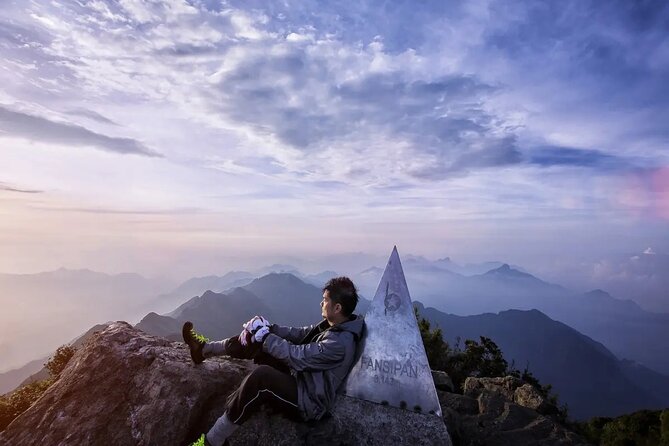
- Pre-dawn start for the summit with breakfast around 6–6:30 AM, then the last push up to Fansipan Peak
- Real altitude changes on the trail from pine and yellow bamboo to dwarf bamboo near the top
- Hoang Lien nature reserve protections with a chance to spot mountain goats and langur monkeys
- Porter service included (3 trekkers share 1 porter) plus gloves per person
- Meals and essentials covered: dinner, breakfast, and 2 lunches, plus 1 big bottle of water per person
- A headlight can be clutch since day 2 starts while it’s still dark
Why Fansipan feels like the real Roof of Indochina
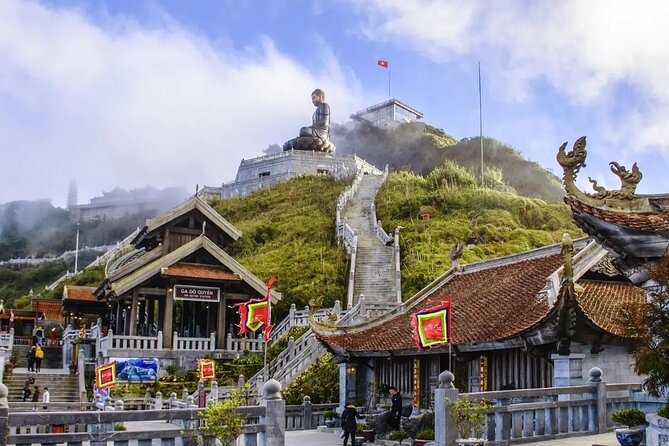
Fansipan is the mountain that people point to when they want Vietnam to feel bigger than the usual. At this elevation, your body notices the change even when the trail is well-paced. You’re also walking through Hoang Lien Son’s protected ecosystem, so the experience isn’t just about elevation gain—it’s about seeing how life adapts at each step.
What makes this trek especially satisfying is how the environment shifts as you go higher. Lower stretches give you a glimpse of cardamom plants and how people in the area use them. Then, as you climb toward the higher reaches, giant centuries-old pine trees and expanses of yellow bamboo come into view. Near the summit area, the vegetation transitions again, including dwarf bamboo close to the top.
You also get a good chance at wildlife spotting. The nature reserve supports impressive biodiversity, and the route is known for potential sightings like mountain goats and langur monkeys—though, of course, you can’t force animals to show up on schedule. Even when you don’t see wildlife, the plant changes alone keep the walk interesting.
Price and what you’re actually getting for $185
At $185 per person, this trek isn’t just paying for a guide to lead you up a mountain. The value comes from what’s included around the trek itself:
- Park entrance fee for Hoang Lien National Park
- Local English-speaking guide
- Transport between Sapa and Tram Ton Pass
- Porter service (3 trekkers share 1 porter)
- Meals: dinner, breakfast, and 2 lunches
- Supplies: 1 big bottle of water per person and gloves per person
- Fansipan summiting certificate
That “support layer” matters. When you have porters handling shared loads, you’re more likely to keep a steady rhythm. And when dinner/breakfast/lunch are handled, you spend less time figuring out logistics and more time focusing on the hike.
What’s not included is also clear, so you won’t get surprised: tips for the guide/porter/driver, personal travel insurance, and extra drinks. There’s also an optional return by cable car, but it’s not included in this package.
If you want the most value, go with a mindset of show up and walk. You’ll still need to bring your personal gear, but a lot of the “make the trek work” items are covered.
Getting to Sapa and the start point without stress
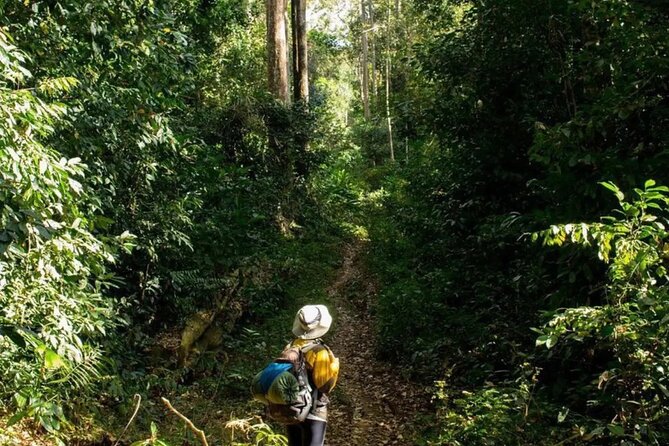
This trip starts in Sapa, meeting at Sapa Church (or your hotel). The instructions say meet at 8:30 AM, while the listed start time shows 9:00 AM—either way, plan to arrive early enough to find the group, use the bathroom, and get your bags sorted. Being early also helps if you’re adjusting to the cooler mountain air.
Your guide handles the intro and then you’re moving toward the higher starting point via vehicle. This matters because Fansipan isn’t a casual walk from town. The day needs those transfers so the hiking hours are spent where the trail actually counts.
Group size is capped at 15 travelers. That’s large enough for a lively atmosphere, but small enough that your guide can keep an eye on pace and footing. You’ll also have a more personal feel with your guide than you would on a big coach-style hike.
Day 1: Sapa to Tram Ton Pass and the cardamom zone
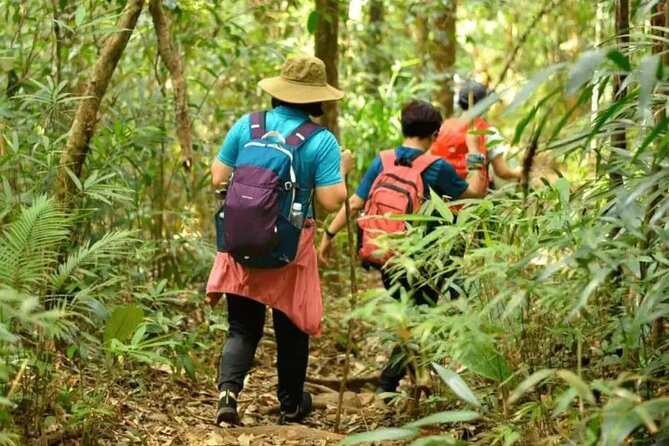
Day 1 is where the trek sets your expectations. You begin by heading from Sapa up to Tram Ton point, then start hiking at altitude where the vegetation begins to change even before your legs get totally serious.
A highlight built into the route is the stop around the Tram Ton Pass area, where you can observe and learn about cardamom plants and their local uses. This isn’t just a photo stop. The benefit is that it gives context for what you’re seeing. Instead of passing plants like they’re scenery, you understand how people in the region relate to them.
As you trek up toward about 2,200m, you get a picnic lunch for about an hour. That rest period is more than a break—it’s a chance to reset posture, hydrate, and let your body adjust to the cooler air and thinner feel. If you tend to burn out early, day 1 lunch timing helps you pace the next day instead of paying for it at the summit push.
By the end of day 1, you’ll be positioned for the early start of the summit day, with the team continuing the climb plan at a level that’s described as challenging, but supported.
Day 1 reality check: what can slow you down
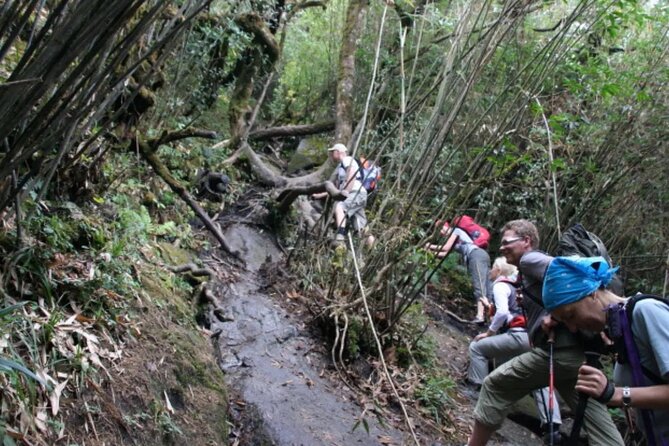
Day 1 is often described as the easier opener compared to summit day, but it’s still a hike at elevation. You should treat it as training for day 2, not a stroll.
The terrain can also get muddy in wet months. One practical tip from people who’ve done Sapa treks in wetter seasons: expect the path to turn slippery. If you’re hiking in months like August, wear footwear with grip, and skip sandals or anything you won’t mind getting muddy.
Also, even though gloves are provided, you’ll still want warm layers for the cooler, higher sections. Night and early morning can feel a lot colder in the mountains, even when daytime seems mild.
Day 2: Breakfast, the last stage to Fansipan Peak, and back by mid-afternoon
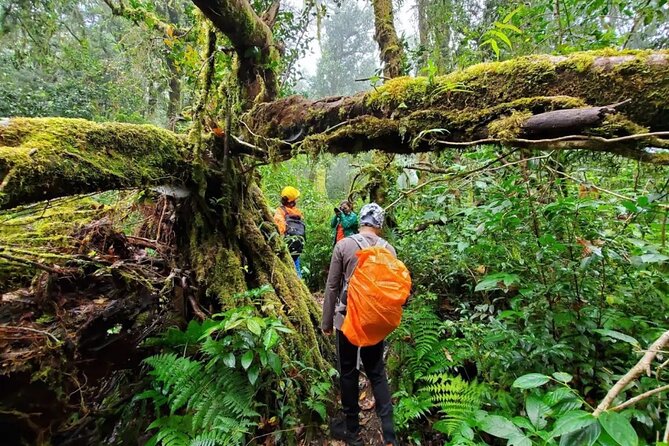
Day 2 is the business day. You’ll have breakfast together at around 6–6:30 AM, then you’re heading into the final stretch toward Fansipan Peak.
The trek notes that after about 1.5 hours you’ll reach Fansipan Peak, with time to enjoy the morning at the summit. This is where your preparation pays off: you’re arriving at the top when the light and temperature are often at their most trek-friendly, and before you’re exhausted enough that the experience becomes purely about survival.
Then you come back down. Around 3 PM, you’ll arrive at Tram Ton Pass, where a driver is waiting to take you back to Sapa Town. The tour ends at about 15:30, so you’re not stuck in transit all evening.
That timing is a real advantage if you have other things planned in Sapa the same day, like dinner, a warm shower, or grabbing supplies before nightfall.
Summit expectations: aim for the experience, not just the view
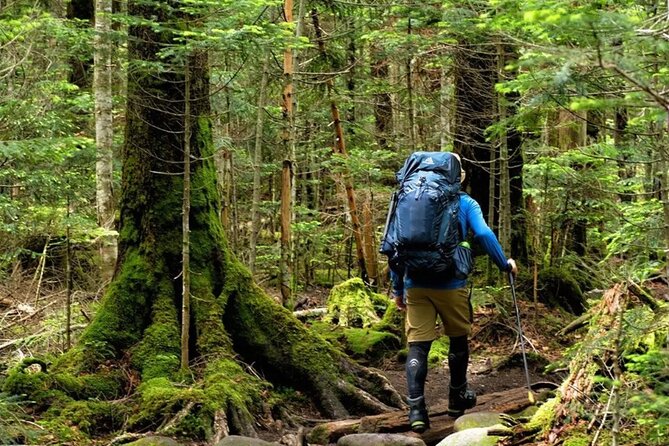
The package is built around reaching the peak, but it’s also honest about one key variable: you need good weather for the best outcome. Clouds can happen, and even when they do, you can still get plenty out of the hike itself.
When visibility is reduced, the “win” becomes subtle: the effort, the changing vegetation you earned step-by-step, and the feeling of having successfully climbed one of the region’s biggest mountains. And if weather clears, you’ll enjoy the reward you came for—just don’t assume it’s guaranteed.
For early starts, bring a headlamp (or at least plan to have light). People specifically recommend a headlight because day 2 begins while it’s still dark. Even if the guide sets the pace and route, having your own light makes you faster getting your bearings and less dependent on others.
Guides and porter support: how this trek stays doable
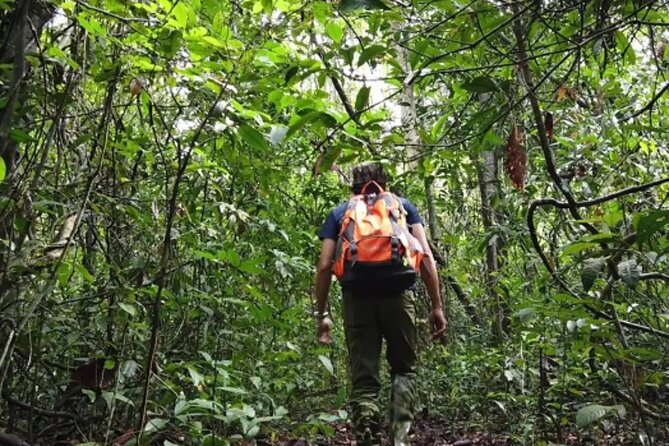
A huge part of why this trek works for many people is the support system. You hike with a local English-speaking guide, and you also get porter service with a clear sharing plan: 3 people share 1 porter.
What that means in plain terms: your group isn’t carrying everything like you’re staging a wilderness expedition. It helps you keep your energy for the climbs that matter. And it reduces the stress of managing heavy packs in cool, possibly slippery conditions.
You also get a guide who explains what you’re seeing. In the feedback for this trek, guides are praised for being patient and knowledgeable, and for pointing out details along the route. Names that come up include Pao, Chu, Zhu, and Phung. Expect plant-focused stories on day 1 and a steady push on day 2.
Tip from the ground: if you’re the type who asks questions, this is a good trek for it. The vegetation and altitude changes create natural “teachable moments,” like cardamom uses at the lower passes and the dwarf bamboo character near the summit zone.
What to pack (and what you can leave at home)
The trek includes several essentials—gloves, water, meals, and park entry—so your packing list can stay focused on comfort and safety.
Bring:
- Sturdy hiking shoes with good grip (especially if paths are muddy)
- Warm layers for cold mornings and summit air
- A headlight for day 2, since the start is still dark
- A light rain layer if weather shifts
You can likely leave behind:
- Anything you’d normally need to pay for inside the program (park fee, guide, transport to Tram Ton, and the main meals are handled)
Also remember: extra drinks aren’t included. The tour includes water (1 big bottle per person), but you’ll want to plan ahead for anything beyond that.
Is this trek for you?
This climb is a challenge, and it expects moderate physical fitness. That usually means you should be comfortable walking for hours on uneven ground at altitude.
You’ll love it most if:
- You want a goal with a clear reward: summiting Fansipan Peak
- You enjoy nature details, not just exertion
- You like guided pacing with support (porters + an English-speaking guide)
- You prefer small-group travel (max 15)
You might hesitate if:
- You’re extremely view-dependent and dislike uncertain weather
- You’re not comfortable with early mornings and hiking in the dark
- You don’t want to handle cold mountain conditions (even with support)
Should you book Mount Fansipan 2 Days Trek – Roof of Indochina?
I’d book it if you want a structured, supported climb that includes the key “logistics headaches” (transport, park entry, meals, porters) while still feeling authentic and outdoorsy. The mix of plant changes by altitude, possible wildlife sightings, and a summit push timed for morning makes it more than a box-check hike.
I’d think twice if your plan can’t handle weather changes, or if you’re hoping for a guaranteed clear panorama. The hike itself still delivers, but you can’t control clouds.
If you’re fit enough for a moderate challenge and you pack smart for cold and early starts, this is a strong value way to reach the Roof of Indochina without trying to DIY the hardest parts.
FAQ
How long is the Mount Fansipan 2 Days Trek?
The tour lasts about 2 days.
How much does the trek cost?
It costs $185.00 per person.
Where do I meet the tour on arrival in Sapa?
You meet at Sapa Church, or the guide may pick you up from your hotel.
What time does the tour start?
The meeting is listed around 8:30 AM in Sapa, with the start time marked as 9:00 AM.
Is a guide included, and do they speak English?
Yes. A local English-speaking guide is included.
Is park entrance included?
Yes. The Hoang Lien National Park entrance fee is included.
Are meals included?
Yes. Dinner and breakfast are included, along with lunch (2).
Do I get porter support?
Yes. Porter service is included, with 3 people sharing 1 porter.
Are gloves and water included?
Gloves are included per person, and 1 big bottle of water per person is included.
What if the weather is bad?
This experience requires good weather. If it’s canceled due to poor weather, you’ll be offered a different date or a full refund.