REVIEW · KATHMANDU
Langtang valley trek
Book on Viator →Operated by Nature Explore Trekking Pvt Ltd · Bookable on Viator
Langtang starts with a long ride and a big payoff. This private 8-day trek north of Kathmandu mixes Tamang and Buddhist village life with rhododendron and bamboo forest walking, then finishes with big mountain views from high viewpoints like Kyanjing Ri. I also like that the team staffs the trip with experienced guides, with names like Deepak and Chhabin showing up in past journeys, plus practical help for real-world issues like altitude discomfort.
The main thing to consider is effort and altitude. You’ll be climbing day after day to Kyanging Gumpa and up toward 4700m, and the drive components are long (hours each way). This trek is listed for people with moderate fitness, so if you’re recovering from injuries or hate steep trails, it may feel like a grind.
In This Review
- Key Things That Make This Langtang Trek Worth Your Time
- From Tribhuvan Airport to Syabrubesi: The Setup Matters
- Syabrubesi to Lama Hotel (2400m): First Footprints in Langtang Country
- Lama Hotel to Langtang Villages (3400m): Culture and Mountain Scale
- Kyanging Gumpa (around 3700m): Your High-Route Anchor
- Kyanjing Ri Viewpoint (4700m): The Big Reward Day
- The Return to Syabrubesi (1400m): Tired Legs, Clear Head
- Back to Kathmandu: A Long Drive and a Clean Finish
- Price and Value: What $660 Actually Buys You
- Guides, Safety, and the Kind of Help You Want in the Mountains
- Best Months for Langtang Valley: Timing Is Part of the Trek
- Packing Smarts: What You Bring vs. What You’re Given
- Who This Trek Suits (and Who Might Want a Different Plan)
- Should You Book This Langtang Valley Trek?
- FAQ
- What time does the trek start and where do we meet?
- How long is the drive from Kathmandu to Syabrubesi?
- What are the main trekking altitude points?
- Is this a private trek and will we be with other groups?
- What’s included in the $660 price?
- What’s the cancellation policy?
Key Things That Make This Langtang Trek Worth Your Time
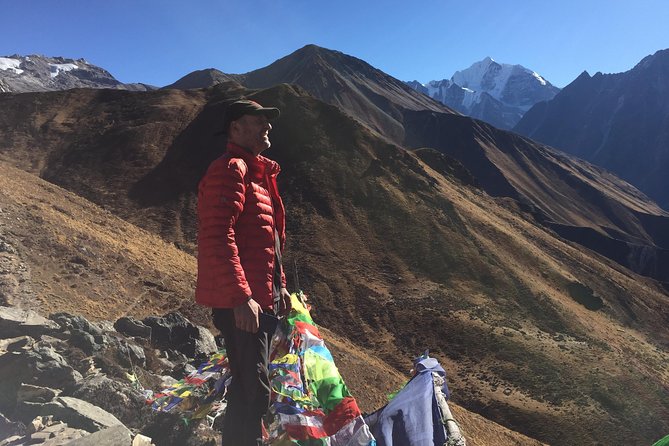
- Private transport + door-to-trail timing: you’re collected from Kathmandu and driven to Syabrubesi, so you start hiking with less guesswork
- Meals every trekking day: breakfast, lunch, and dinner on trek make the days easier to manage
- A day hike to Kyanjing Ri (4700m): the “why we came” moment for the views
- Kyanging Gumpa as a major stop: a focused final area before the viewpoint hike and return
- Culture you can actually see: Tamang, Gurung, and Buddhist festival life (Dumji, Losar, Dashain, Tihar) shows up in the villages you pass
- Support team built in: professional guide plus a supporting porter to carry what you shouldn’t
From Tribhuvan Airport to Syabrubesi: The Setup Matters
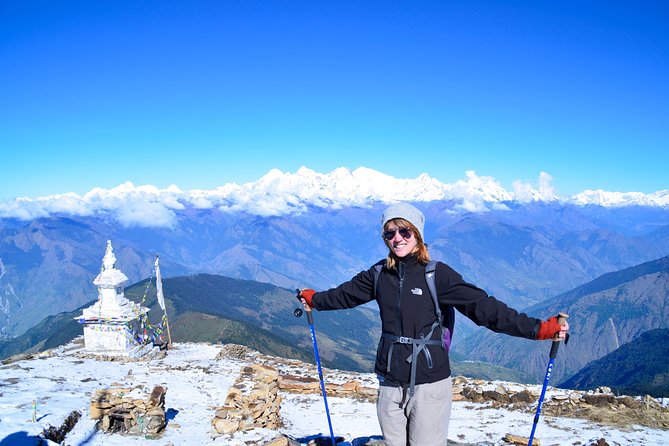
Most trekking disasters begin before the first step, with poor timing. Here, the plan is straightforward: you meet at Tribhuvan Airport (start time listed as 8:00 am), then you transfer to your Kathmandu hotel. After that, you drive to Syabrubesi for about 7 hours. The altitude on arrival is listed around 1400m, which is low enough to get your legs moving again after the road, but high enough that you start feeling the mountains fast.
Why you’ll like this approach: the long drive is part of reaching the quieter north of Kathmandu. It’s also part of the value. You’re not spending your vacation “solving logistics.” You’re spending it walking.
Possible drawback: if you’re the type who hates long road days, this will be a stretch. It’s not a short transfer style trek.
You can also read our reviews of more tours and experiences in Kathmandu.
Syabrubesi to Lama Hotel (2400m): First Footprints in Langtang Country
Your first hiking day takes you from Syabrubesi to Lama Hotel in about 4 hours, reaching around 2400m. This is the day to find your rhythm: steady uphill, enough breathing room to settle in, and time to get used to the way the air thins as you climb.
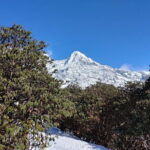
This segment is also a classic “transition day.” You’re leaving the road-adapted world and entering trail time. The trek’s broader theme is wilderness walking through rhododendrons and bamboo forests, and this early stretch is where that starts to feel real.
What to watch for: pace yourself. Even if the hours look manageable on paper, altitude can turn 4 hours into 6 if you rush.
Lama Hotel to Langtang Villages (3400m): Culture and Mountain Scale
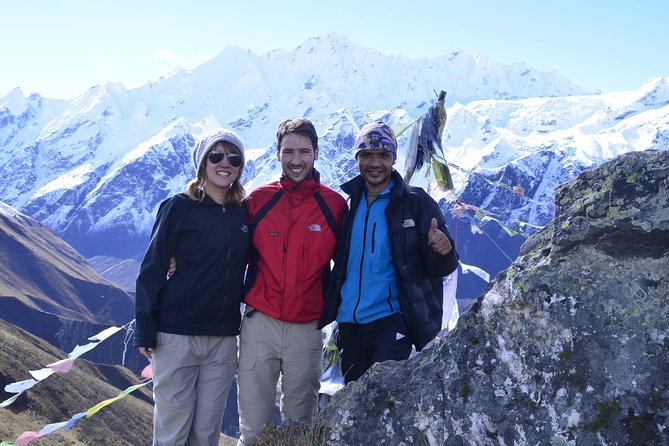
The next push is from Lama Hotel to Langtang villages, about 5 hours and climbing to around 3400m. This is one of the trek days where I’d expect you to feel the shift from “beautiful hike” to “this is a real place.”
Langtang Valley is described as being inhabited for 600 to 700 years by Tamang, Gurung, and Tibetan communities. That matters because you’re not just passing scenery. You’re walking through village life and Buddhist tradition. Even the festivals mentioned—Dumji, Losar, Dashain, and Tihar—aren’t just “Nepal facts.” They’re part of what makes trekking here feel less like a theme park and more like meeting a living culture.
Also, you’ll get your first strong sense of the mountains looming around you. Even if you don’t stand at the highest viewpoints yet, the altitude is enough that the peaks feel closer.
A practical note: because lunch and dinner are included on trek, you can keep your focus on walking instead of hunting meals along the way.
Kyanging Gumpa (around 3700m): Your High-Route Anchor
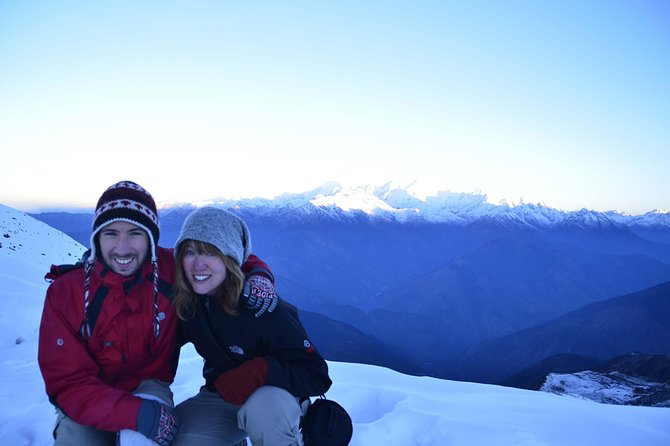
From Langtang villages, you continue to Kyanging Gumpa in about 3 hours, climbing to around 3700m. Compared to the earlier day, this day’s hiking time is shorter, which can be a smart setup before your high viewpoint day.
Kyanging Gumpa is listed as the last stop on this trek, so it acts like an anchor point. It’s a place where your day structure tightens: you’re higher, you’re closer to the sky, and everything feels more focused. If you’ve been hoping for a trek that turns into a series of purposeful stops rather than endless walking, this is where the plan starts to feel efficient.
You can expect: cold air, strong light, and the kind of stillness that makes you notice small things. One tip I’d take seriously from the field is simple: bring sunscreen. The sun can hit hard at altitude.
Kyanjing Ri Viewpoint (4700m): The Big Reward Day
Next is the day hike to Kyanjing Ri viewpoint at about 4700m, followed by trekking back toward Langtang. This is the physical and emotional payoff in the itinerary.
Why it’s worth centering this day:
- You’re going high enough for dramatic perspectives.
- You’re not going “just to walk.” You’re going for views that match the work.
- The route gives you a viewpoint day without requiring you to spend your whole trip stuck at extreme altitude.
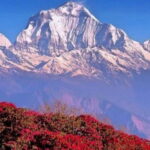
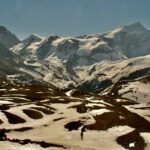
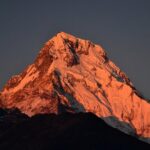
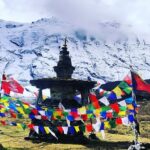
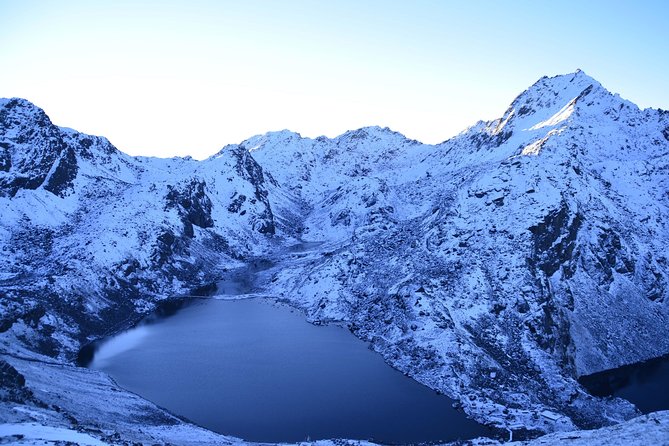
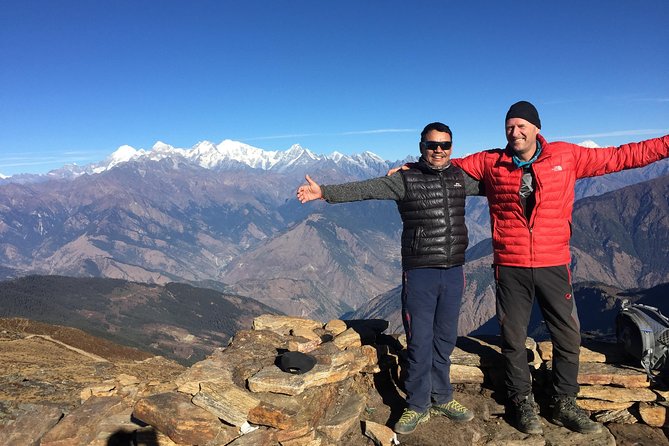
The panoramic payoff is specifically listed: you’ll get magnificent views of Langtang Lirung (7240m), Ganchempuhimal (7430m), Ganjala peak (6120m), Nyakhang (6160m), Yala peak (5740m), and the wider Ganesh Himal range. That’s a serious lineup of names, but the practical value is what those heights mean: your photos and your memory will have scale.
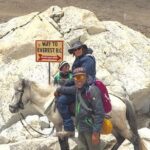
Altitude reality check: even with a shortish day-by-hours schedule, you should treat the climb seriously. Take breaks, sip water, and let your guide manage pace. Past experiences with this trekking team include help during altitude discomfort, which is exactly what you want from a guide when your body starts negotiating.
The Return to Syabrubesi (1400m): Tired Legs, Clear Head
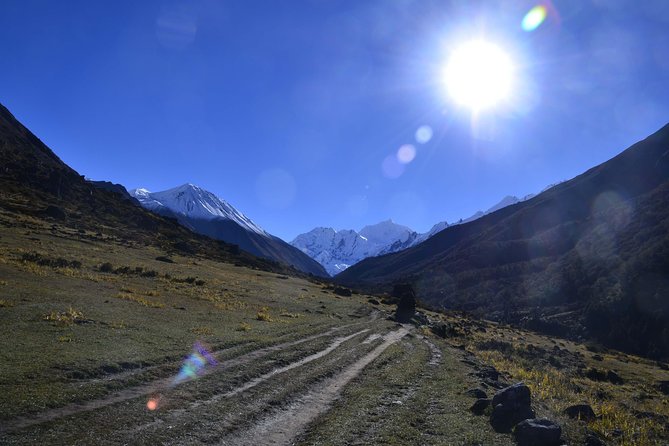
After the viewpoint day, the itinerary takes you back from the Langtang area to Syabrubesi in about 6 to 7 hours, dropping back to around 1400m. This is one of those “simple on paper, challenging on legs” days. Downhills wear you out even when you’re feeling better about altitude.
Still, the return is satisfying because the mountain pressure eases as you descend. The air changes. Breathing becomes easier. Your mind gets quieter.
By the end of this day, you’re done with the steepest altitude component and ready for the road home.
Back to Kathmandu: A Long Drive and a Clean Finish
You’ll drive from Syabrubesi back to Kathmandu for about 6 to 7 hours (listed altitude around 1300m). Your trek ends here, and then you’re scheduled for an airport drop the next day based on flight details.
If you’re the type who likes to keep the last day easy, this is good planning. You’re not scrambling to catch the flight while still lugging trekking fatigue.
Also, you’re not left waiting in limbo. The trip includes all trip necessary documents, and you have mobile ticketing support.
Price and Value: What $660 Actually Buys You
At $660 per person for the 8-day private experience, the value comes from what’s included during the hardest part: the trek days.
Included items that matter in real life:
- Private transportation (Kathmandu to Syabrubesi, and back)
- Breakfast, lunch, and dinner on trek (so you’re not thinking about food every day)
- Professional guide plus a supporting porter
- Accommodation during the trek
- Treated drinking water
- Fresh fruit every day after dinner
- First aid kit bag
- All fees and taxes
And the gear support is a bonus if you don’t already own trekking cold-weather clothing:
- T-shirt, down jacket, and duffel bag (listed as refundable after the trek)
The trip doesn’t include everything, and that’s normal:
- International airfare
- Trekking necessary equipment (you’ll need to bring what you’re expected to carry/use, or confirm what’s covered beyond the down jacket and duffel)
- Cold drinks
- Personal insurance
- Wi-Fi and laundry during the trek
- Extra snacks if you buy outside tea house provisions
- Tipping for staff
My take: $660 feels fair if you want a guided, supported trek without spending days coordinating transport, meals, documents, and daily carrying logistics. It’s a “remove friction” price.
Guides, Safety, and the Kind of Help You Want in the Mountains
You’re getting more than a person holding a map. This type of private trek is only good when the guide can handle the moment-to-moment needs: pace, weather, altitude stress, and simple problem solving.
The guide support style shows up clearly in past experiences with this operator. Guides such as Deepak are described as proactive about safety and responsive to requests. Another guide named Bharat appears in accounts for helping someone manage altitude sickness and recover. That’s not a small detail. It’s the difference between “walking a route” and “having support when your body needs adjustments.”
Also, the team is described as willing to accommodate mid-course changes for the group. That matters if you want the trek to fit you instead of forcing you to fit an itinerary.
Best Months for Langtang Valley: Timing Is Part of the Trek
The listed best times are February to May and September to November. That’s a wide window, and the practical takeaway is that you’re choosing seasons when weather is more dependable for a trek at higher altitudes.
If you’re flexible, you can pick a month inside those ranges based on your own schedule. If you’re not flexible, your month choice is your biggest “control knob” for comfort and conditions.
Packing Smarts: What You Bring vs. What You’re Given
This trek includes some gear, but not full kit. Here’s what the data supports:
- You receive a down jacket and a duffel bag (refundable after the trek) plus a t-shirt
- You get a first aid kit bag
- You have treated drinking water
But it does not include:
- Trekking necessary equipment
- Cold drinks
- Wi-Fi or laundry services on trek
So you should plan to bring the basics you need for walking, and confirm any equipment expectations with your operator before you fly. Don’t assume that trekking shoes, poles, or small essentials are automatically covered. The trip is built to support you, not replace your entire kit.
One “small” item that is worth your attention: sunscreen. High altitude plus strong sun is a common combo, and it’s specifically suggested as a helpful tip.
Who This Trek Suits (and Who Might Want a Different Plan)
This is a good fit if you:
- Want a private trek where your group moves with less coordination stress
- Are comfortable with several days of uphill trekking and at least one higher viewpoint day
- Have moderate fitness (that’s the stated requirement)
- Care about both nature walking and living village culture
This may not be ideal if you:
- Struggle with long drives (7 hours to start, plus 6–7 hours returning)
- Want a low-altitude, low-effort trek
- Have a history of serious altitude issues and can’t manage it with guidance and pacing (the route goes up to around 4700m)
Should You Book This Langtang Valley Trek?
I’d book it if your priority is a well-supported, private trek that blends village culture, forested walking, and a real viewpoint payoff at Kyanjing Ri. The included meals, guide and porter support, treated water, and gear help with the biggest day-to-day headaches.
I’d hesitate if you dislike long road days or if you’re not ready for altitude days that climb to 3700m and push higher toward 4700m. In that case, you might prefer a route that limits elevation gains more tightly.
If you do book, do one smart thing: ask the team what trekking equipment they expect you to bring, since the trip is not listed as including everything you might use on the trail.
FAQ
What time does the trek start and where do we meet?
You start at Tribhuvan Airport, Kathmandu, Nepal with a listed start time of 8:00 am. The plan also includes pickup offered before heading to Kathmandu logistics.
How long is the drive from Kathmandu to Syabrubesi?
The drive from Kathmandu to Syabrubesi is listed at about 7 hours.
What are the main trekking altitude points?
The trek climbs from about 1400m (Syabrubesi) up to roughly 2400m (Lama Hotel), 3400m (Langtang villages), 3700m (Kyanging Gumpa), and then up to about 4700m for the Kyanjing Ri viewpoint.
Is this a private trek and will we be with other groups?
Yes. It’s described as a private tour/activity, so only your group participates.
What’s included in the $660 price?
Included items are listed as private transportation, meals (breakfast/lunch/dinner) on trek, guide and supporting porter, accommodation, treated drinking water, fresh fruit after dinner, first aid kit bag, and additional trip documents. You’re also provided a T-shirt, down jacket, and duffel bag (refundable after the trek).
What’s the cancellation policy?
Free cancellation is available if you cancel at least 24 hours in advance for a full refund. If you cancel less than 24 hours before the experience start time, the amount paid is not refunded.