REVIEW · KATHMANDU
Everest base camp trek & Heli return
Book on Viator →Operated by Himalayan Mentor · Bookable on Viator
Everest Base Camp in a week is doable. This tight schedule is what makes it interesting: you trade a long round-trip trek for a Lukla start and then a helicopter return once you reach Gorakshep.
I like the built-in support here, especially the English-speaking guide team (Padam is one name that comes up) plus a small group size capped at 15. The main drawback is the altitude reality: with only one week, you need to be disciplined about pace and expect the hike to feel tougher than people imagine.
In This Review
- Key highlights that actually matter
- Kathmandu to Lukla: the fast-track start that sets your week
- Phakding to Namche Bazaar: acclimatization in the real world
- Namche to Tengboche: forests, prayer stones, and payoff views
- Tengboche to Dingboche: bridges, hamlets, and a longer day
- Dingboche to Lobuche: when big peaks start crowding the sky
- The Base Camp day: Gorakshep, Everest Base Camp, then back down
- Kala Patthar and the helicopter back: your final summit-style morning
- Meals, tea houses, and permits: what the package really covers
- Price and value: is $3,195 a good deal?
- The guide difference: why Padam and Kesh show up in the details
- Who this trek fits best (and who should think twice)
- Should you book this Everest Base Camp trek with heli return?
- FAQ
- Where do we meet, and what time does the trip start?
- How long is the Everest Base Camp trek and heli return?
- Is this a one-way trek with a helicopter?
- What flights are included in the package?
- What accommodations and meals are included?
- Are hotels in Kathmandu included before and after the trek?
- What trekking permits are covered?
- How many people are in a group?
- Can I get a refund or make changes if I cancel?
Key highlights that actually matter
- One-way trekking plan keeps the focus on getting to Base Camp, not doing double miles on the way back
- Helicopter return from Gorakshep saves serious time and fatigue at the end
- Tea house lodge nights mean you’re not hauling camping gear
- Guides with government licensing and English support help with route, pacing, and questions
- Small group (max 15) makes it easier to move as a unit without getting lost in the crowd
Kathmandu to Lukla: the fast-track start that sets your week
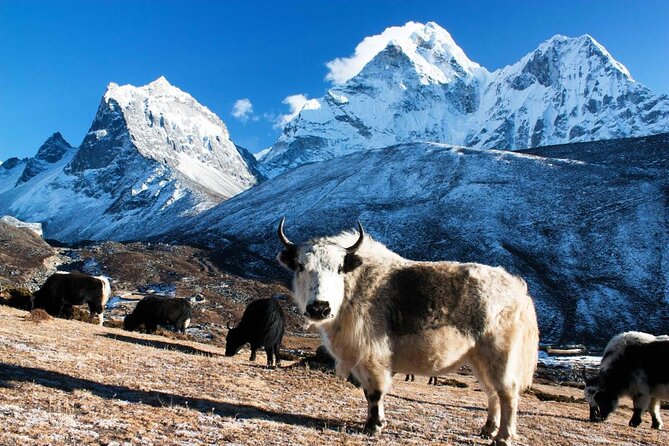
Day 1 begins with an early flight out of Kathmandu to Lukla, then a trek into the Phakding area (around 2,600m). This is a smart setup because it gets you into the mountains right away. You’re not spending your first day sightseeing or shuffling buses. You’re hiking, and you can start finding your rhythm.
The walk is listed at about 3 to 4 hours to Phakding. That might sound short, but it’s still working cardio early in the trip. I like that this day gives you an easy landing: once you reach Phakding, you’re set up for a tea house overnight with meals included. You’ll want to treat Day 1 like a warm-up, not a race.
Practical note: the included pickup happens for arrival and departure. The meeting point is TIA Domestic Terminal parking lot, and the start time is 5:15am. That early start is part of the deal, so plan your Kathmandu evening accordingly (and go easy on late-night plans).
You can also read our reviews of more tours and experiences in Kathmandu.
Phakding to Namche Bazaar: acclimatization in the real world
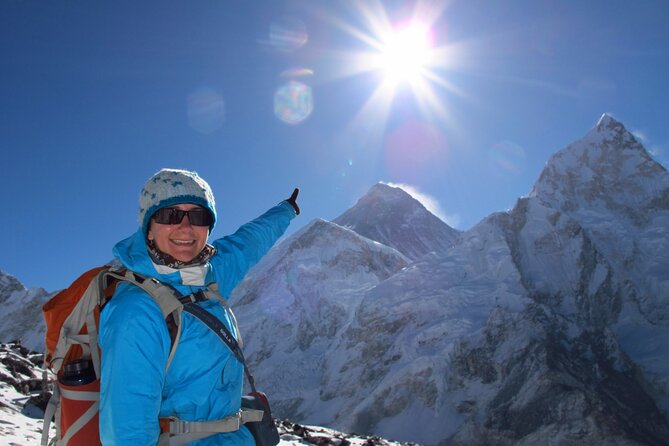
On Day 2, you trek from Phakding to Namche Bazaar (around 3,500m). The route takes about 4 to 5 hours, and there’s time to explore in the late afternoon once you arrive.
Namche is the classic altitude stepping stone. Even if you don’t love big-town atmosphere, it’s a useful place to pause. You’ll feel the change in air as you climb, and Day 2 is where you learn how your body reacts. A late-afternoon wander is not random free time; it’s a chance to breathe, orient yourself, and keep moving at a comfortable pace.
The program also keeps you well-fed: breakfast is included, and tea house lodging is part of the package. At this stage, simple priorities help: drink water when you can, eat carbs even if you don’t feel hungry, and don’t overspend energy trying to see everything.
Namche to Tengboche: forests, prayer stones, and payoff views
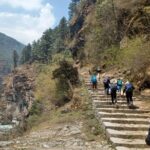
Day 3 climbs from Namche toward Tengboche (around 3,870m), with about 4 to 5 hours of hiking. The trail passes rhododendron forests and features Mani walls and Chortens, and the walk is described as offering panoramic Himalayan views.
I like this day because it’s both scenic and varied. Forest sections give you moments where you can focus on footing and breathing instead of constantly fighting uphill exposure. Then the views start to pull your attention outward. This is where the idea of Everest shifts from a distant symbol into a nearby reality.
Tengboche is also a good place to settle into mountain routines: keep your layers ready, watch your footing on uneven ground, and don’t ignore small discomforts. It’s tempting to push when the scenery looks unreal. Don’t. You want to reach the next days feeling steady, not wrecked.
Tengboche to Dingboche: bridges, hamlets, and a longer day
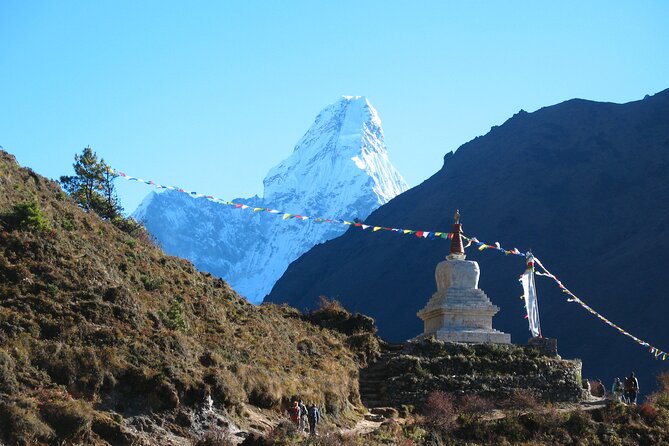
On Day 4, you go from the Tengboche area down through rhododendron forest to Deboche, cross a bridge over the Imja Khola, then continue ascending gradually via Pangboche and Somare village to Dingboche. The hiking time is listed at about 6 hours.
This day has a couple of advantages. First, the downhill portion helps your muscles reset before the longer climb starts. Second, you get a clear sense of how trekking works here: not one dramatic slope, but a sequence of climbs and transitions. That’s more realistic for your body, and it’s easier to pace when the trail keeps changing.
The bridge crossing is the kind of moment that sticks. Not just because it looks cool on a photo, but because the roar-underfoot detail is a reminder you’re moving through active terrain, not a calm hiking trail back home.
Dingboche to Lobuche: when big peaks start crowding the sky
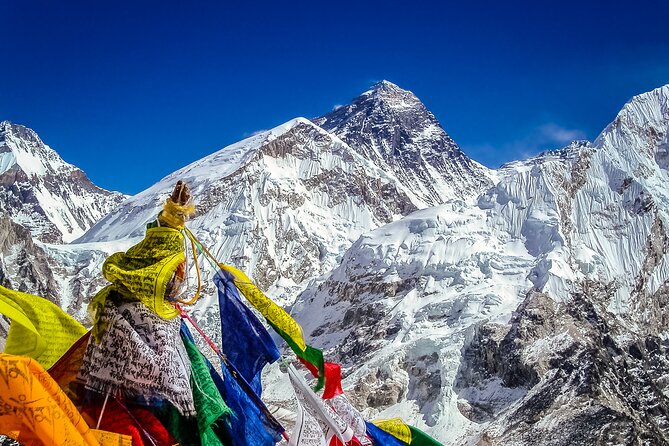
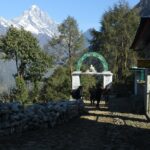
Day 5 takes you toward Lobuche with about 6 hours of walking. The route goes through the Dughla area, and the description highlights views of Ama-dablam, Lhotse, Phortse peak, and Cholatse along the way.
This is one of those days where the hike can feel both easier and harder. Easier, because you know you’re making progress toward Everest Base Camp. Harder, because the scenery is intense and it’s easy to burn extra energy reacting to it. I suggest you treat view stops like nutrition stops: short pause, take in what you can, then get moving again.
At these elevations, even a “normal” day can feel slow. That’s why Day 5 matters. It’s a rehearsal for how you’ll handle the final push without letting excitement turn into reckless pace.
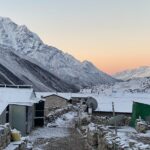
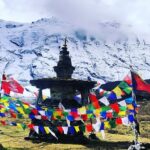
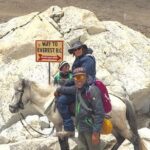
The Base Camp day: Gorakshep, Everest Base Camp, then back down
Day 6 is the key day. After breakfast, you trek to Everest Base Camp through Gorakshep. The day starts from the Lobuche side, and the total walking time is listed at about 7 hours.
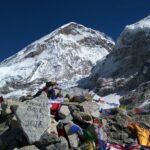
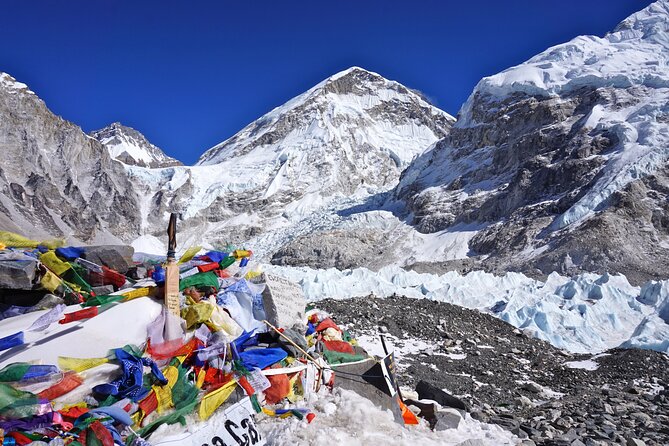
The plan is to reach Gorakshep first, have lunch there, then continue to Everest Base Camp (5,364m). After visiting Base Camp, you trek back to Gorakshep for overnight.
This is where the helicopter return plan earns its weight. Base Camp day is demanding, and you do not want to add extra hours at the end. A return to Gorakshep for sleep keeps you functional for the morning of Day 7.
Also, manage expectations on the Base Camp experience. At this altitude, you’re there in thin air and cold. Your senses are sharp, but your body works harder. I find it helps to think less about perfect photos and more about presence: steady steps, a calm visit, and staying warm after you arrive.
Kala Patthar and the helicopter back: your final summit-style morning
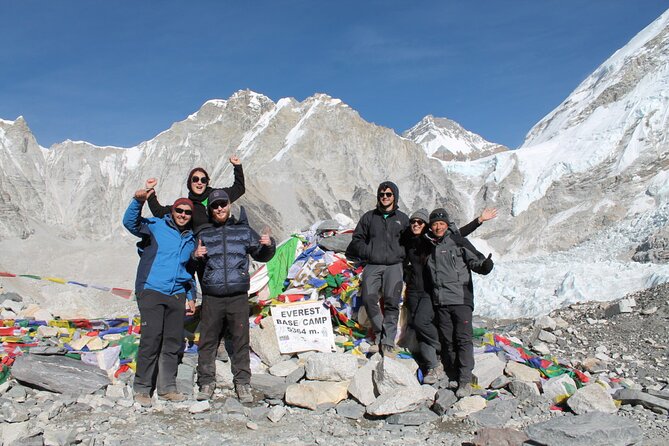
Day 7 starts early with a hike to Kala Patthar (around 5,545m), listed as about 2 hours, then you return to Gorakshep for breakfast. After that, you fly back to Kathmandu by helicopter.
This is a smart combination: you get the classic higher viewpoint morning (without a full summit attempt), then you trade the long descent for the helicopter ride from Gorakshep to Kathmandu. The flight is described as a sharing helicopter, and it ends back at the meeting point.
If you’re wondering whether Kala Patthar is worth the early start, this is the best part of the “heli return” concept. You get one last burst of big views, then you escape the days of sore legs and cold twilight trekking. It also means the trip stays within the one-week promise.
One more real-world note: the Himalayas can be unpredictable. Weather can affect flight timing, and the tour leadership is described as staying in contact and available if changes are needed. That matters because your week is short. Flexibility is part of the experience.
Meals, tea houses, and permits: what the package really covers
Here’s what’s included in the core experience:
- Airport transfers within the plan (pickup on arrival, drop for departure)
- Overnight accommodation at tea house lodges during the trek
- Necessary trekking permits and entrance fees
- Supporting staff: a trekking guide who is English-speaking and government licensed
- Kathmandu to Lukla flight ticket
- Gorakshep to Kathmandu helicopter flight
- Meals: breakfast (6), lunch (6), dinner (6)
That meal count matters more than you think. High-altitude trekking is not a place to be guessing where you’ll eat or what you’ll pay. The included food also means you can focus your cash on essentials like hot drinks, extra charging needs, or any gear you discover you forgot.
What’s not included is equally important:
- Kathmandu hotel before and after the trek
- Personal expenses like WiFi, battery charging, beverages, mineral water, and hot water shower
- Travel insurance and emergency evacuation cost
- Personal trekking gear
If you’re the kind of traveler who likes showers on principle, plan for extra costs at the lodge level. If you don’t charge electronics every day, you’ll save some money without sacrificing comfort.
Price and value: is $3,195 a good deal?
At $3,195 per person for about 7 days, this is not a budget option. But it’s also not just a normal trek. You’re paying for two expensive pieces that most classic Everest itineraries handle differently:
1) The Kathmandu to Lukla flight
2) The helicopter return from Gorakshep to Kathmandu
Those aren’t small add-ons. In practice, they change how you experience the trek. You’re not spending extra days hiking back down when your body is already tired. You’re also reducing time and exposure compared to itineraries that require long returns over the same passes.
The package also includes permits, tea house lodging, and a full meal schedule (breakfast/lunch/dinner counts are listed). That’s part of what makes the price feel more reasonable. You’re not constantly paying for each day’s basics.
So the value check comes down to this: if you want Everest Base Camp in a week with an easier ending, this format is the right match. If you want the cheapest route and you’re happy to hike both ways for more days, you might find alternatives elsewhere.
The guide difference: why Padam and Kesh show up in the details
I pay attention to guide quality on Everest treks because it’s not only about friendliness. It’s about decision-making. The program is supported by a government-licensed English-speaking guide, and specific names show up in the experience descriptions: Padam as a guide who answered questions and helped calm pre-flight anxiety, and Kesh as a responsive point of contact who communicated well and handled issues smoothly.
One detail that signals real value: there are examples of practical problem-solving, like finding essentials for someone who forgot gear. That’s the kind of thing that saves your trip from turning into a scramble.
Even if your hiking ability is solid, you still need calm logistics. On an Everest route, weather delays can happen, and having a team that stays in contact is worth its weight.
Who this trek fits best (and who should think twice)
This is built for people with moderate fitness who can hike days that run roughly 4 to 7 hours. If you’re consistent with walking at home and you can handle altitude, you’ll likely do fine with the schedule.
It may not be ideal if:
- You struggle with altitude quickly or get nervous when plans tighten
- You’re expecting a totally relaxed stroll
- You want your Kathmandu stay fully handled (it’s not included)
If you’re a motivated hiker who wants the Everest Base Camp goal without extending the trip for weeks, this is a very practical approach.
Should you book this Everest Base Camp trek with heli return?
If your priority is reaching Everest Base Camp quickly and then ending with helicopter return instead of extra trekking days, I think this is a strong choice. The included guide support, permits, and meal schedule make it feel like a complete package, not a scavenger hunt.
I’d book it if:
- You can handle early mornings and a fast itinerary
- You want the classic Everest route segments (Phakding, Namche, Tengboche, Dingboche, Lobuche) with a clear finish
- You’re okay paying for flight logistics and altitude time
I’d think twice if you need maximum acclimatization time or you’re worried about short planning windows. In that case, it may be smarter to choose a longer trek that gives your body more breathing room.
FAQ
Where do we meet, and what time does the trip start?
You meet at the TIA Domestic Terminal parking lot in Kathmandu, Nepal. The listed start time is 5:15am.
How long is the Everest Base Camp trek and heli return?
The duration is about 7 days (approx.).
Is this a one-way trek with a helicopter?
Yes. It’s described as a one-way trek plus a one-way chopper flight/heli return.
What flights are included in the package?
Kathmandu to Lukla is included. Also included is the helicopter flight from Gorakshep back to Kathmandu.
What accommodations and meals are included?
You get overnight accommodation at tea house lodges during the trek. Meals included are breakfast (6), lunch (6), and dinner (6).
Are hotels in Kathmandu included before and after the trek?
No. Hotel in Kathmandu before and after the trek is not included.
What trekking permits are covered?
The package includes necessary trekking permit and entrance fees.
How many people are in a group?
The maximum group size is 15 travelers.
Can I get a refund or make changes if I cancel?
No. The experience is non-refundable and cannot be changed for any reason.