REVIEW · MONTREUX
Montreux: Snowshoe Trek with Fondue and Wine
Book on GetYourGuide →Operated by Oul Adventure · Bookable on GetYourGuide
Snowshoeing above Montreux feels like a movie. The trek moves through snowy forests and sunny ridges with big Lake Geneva panoramas, and it ends with a warm break for fondue and local wine. You get a winter outing that feels both active and comfort-food cozy, all guided end to end.
I especially like the flexibility: you can choose a hike at moonlight, at sunset, or in bright midday sun, so the same area looks totally different. A small consideration: this is winter walking on snowshoes for several hours, and it’s not suitable for people with mobility impairments.
In This Review
- Key points worth knowing before you go
- Getting to the heights of Montreux (without stress)
- Snowshoes, forests, and those Lake Geneva ridge views
- Choosing your trek time: sunset, moonlight, or midday sun
- The warm break: fondue, local wine, and hot tea
- What the guides do to keep it smooth (and fun)
- The pace and timing: how 3 to 4 hours plays out
- Price and value: what you’re really paying for at $213
- Who should book this snowshoe trek (and who shouldn’t)
- Should you book Montreux snowshoe trek with fondue and wine?
- FAQ
- How long is the snowshoe trek?
- What’s included in the price?
- Where is the meeting point?
- What time options are available?
- What languages does the guide speak?
- Is this activity suitable for people with mobility impairments?
Key points worth knowing before you go
- Choose your lighting: sunset, moonlight, or midday sun changes the whole vibe.
- Everything for snowshoeing is provided: snowshoes, poles, and hot tea are part of the experience.
- Fondue and wine are baked in: you’re not scrambling for food after the walk.
- Routes can adapt to the weather: you may get a more rugged forest option if conditions aren’t ideal.
- Guides match the pace to you: one guide (Oul) can tailor the hike to your abilities and make it first-timer friendly.
- Expect a real winter workout: even if it’s not “hard,” you’ll be moving on snow and uneven footing.
Getting to the heights of Montreux (without stress)
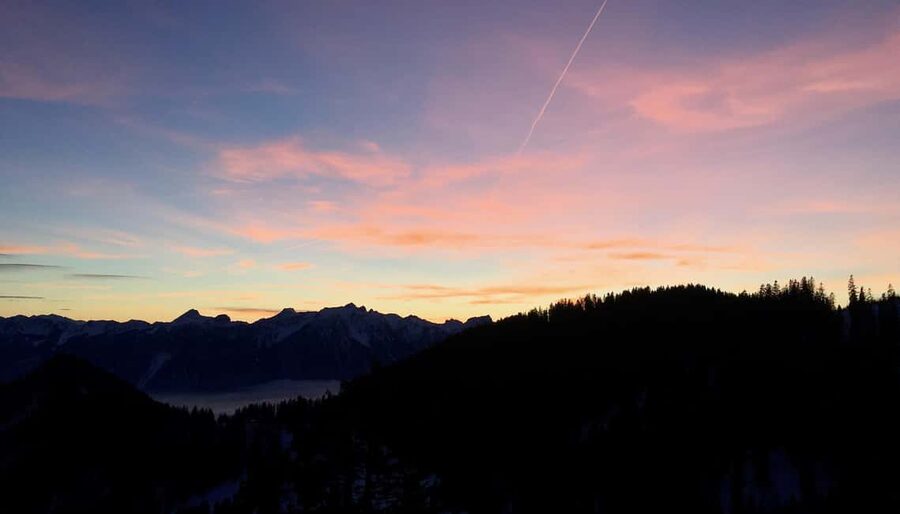
This outing is built around the classic Montreux access route: you start at P+R Gare Montreux, then take the rack railway upward. The meeting point is the departure of the rack railway from track 8, so arriving a little early helps you get oriented before the group forms.
Once you’re up in the heights, the day shifts from town convenience to winter silence. The walk starts after a short train segment, and you’ll also take a train hop back down at the end. Plan for about 3.5 hours overall, with the walk time including breaks and your dinner aperitif.
Snowshoes, forests, and those Lake Geneva ridge views
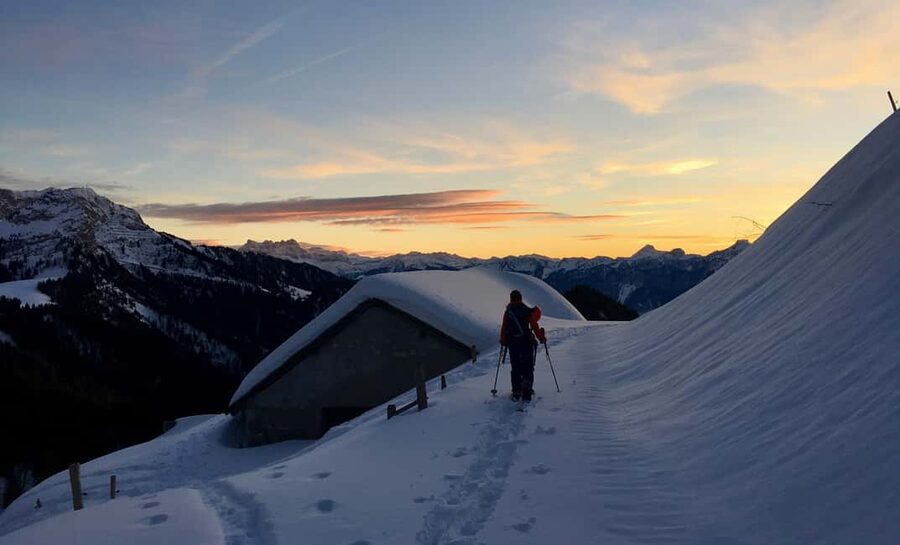
What makes this trek work is the contrast. You’re not stuck in one type of scenery. The route includes snowy forests—quiet, enclosed, and wonderfully still—and open ridges where the light hits differently and the views over Lake Geneva come through.
Because snowshoes are included, you don’t need to rent or figure out gear on your own. You’ll also get poles, which matter more than people think. Poles give you extra points of contact when the snow is firm, when you’re crossing uneven patches, or when you’re just trying to keep your balance while stopping and starting for breaks.
Dress like you’re going to stay warm even when you slow down. The activity is outdoors for hours, and the breaks (including hot tea) are there to warm you, not to do the warming for you. Bring warm clothing, hiking shoes suitable for winter, and winter sports gear if that’s part of how you normally dress for cold days.
Choosing your trek time: sunset, moonlight, or midday sun
One of the most fun parts is picking when you want to go. You can hike at sunset, under the moonlight, or during the midday sun. Each option changes what you feel while you’re walking.
- Sunset tends to turn the ridges into a golden viewing platform, so it’s a great choice if you want dramatic light without needing to be out very late.
- Moonlight is for the romantics and the curious. The winter night feel is part of the attraction—clear air, a hushed pace, and strong atmosphere as you move through the snow.
- Midday sun gives you the clearest visibility and the easiest walking conditions if you’re the type who wants to keep things bright and straightforward.
If you’re unsure, I’d think about your comfort with dark conditions. Moonlight can be magical, but it’s still a winter path on snowshoes, so choose what matches your confidence level.
The warm break: fondue, local wine, and hot tea
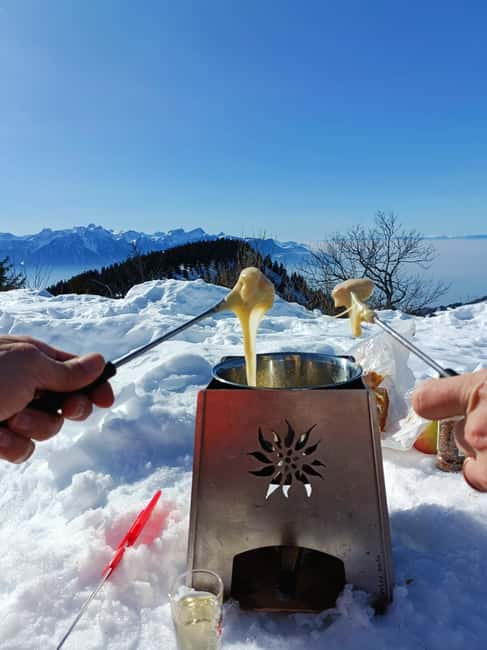
The meal isn’t an afterthought. It’s part of the flow of the trek, timed so you get a cozy reset when you’re already comfortably chilled. You’ll stop for a fondue meal, plus a glass of local wine, and hot tea. That combo is exactly what you want in the Swiss winter: something hearty, something warm, and something social.
One nice detail from the way the guides work: when the weather isn’t perfect, the plan can shift toward a more rugged, fairytale-like forest setting. In one case, Raoul arranged fondue inside a small snowy cabin in the middle of the forest, which made the break feel less like a stop and more like a destination.
That’s also why the “warm break” part matters. In winter, you’re never just walking for views. You’re also managing how cold you get, how your energy stays steady, and how the day feels overall.
What the guides do to keep it smooth (and fun)
This is one of those tours where the guide makes the difference between you feeling like you’re “surviving snow” and you actually enjoying the day. The experience is led in English, French, and Spanish, so you’re not stuck with vague instructions or awkward translation.
Two guide names come up often: Raoul and Oul. Raoul is described as flexible—if conditions change, he can steer the group toward a different forest-style route. Oul is praised for tailoring the hike to your abilities, which is a big deal if you’ve never used snowshoes before.
And yes, first-timers can have a rough start. One account includes an honest moment of falling over more times than you’d want to admit. But the tone stayed upbeat, with the guide balancing fun and practicality. That matters because it’s easy to feel embarrassed when you’re learning. Here, the vibe is about staying positive, getting your feet under you, and letting the day turn into play for a bit.
A good sign: you’re not just marched along. There’s time to chat, but also room for you and your partner to talk and enjoy your own pace—especially when the group is small.
The pace and timing: how 3 to 4 hours plays out
You should think of this as a half-day winter experience, not a quick walk. The trek is generally 3 to 4 hours including breaks and the dinner aperitif. That “including breaks” piece is key. You’re not expected to keep moving nonstop while also maintaining energy for snowshoe footing and a meal stop.
What this means for you in practice:
- Expect a rhythm: walk, pause, warm up, then continue.
- Build in patience if you’re new to snowshoes. Your first hour can feel slower while you find balance.
- Let the food stop help you reset, not just “pass time.” You’re there for both the hike and the cozy reward.
If you love photos, ridges in daylight and open views during sunset can give you the best chances. With moonlight departures, keep expectations realistic: the magic is more about atmosphere than crisp daylight detail.
Price and value: what you’re really paying for at $213
At about $213 per person, the price is not “cheap,” but it’s also not just you buying a meal with a hike attached. This cost covers several things that would otherwise take time and money to solve yourself in winter:
- Snowshoeing equipment (snowshoes and poles)
- Fondue
- A glass of local wine
- Hot tea
- A live guide in multiple languages
That matters because winter logistics are where time gets lost. You’re saving yourself the headache of rentals, figuring out routes, and hunting down someplace to eat that’s actually open and well-timed for your schedule.
One thing not covered is transportation to the starting point, so factor in how you’ll get yourself to P+R Gare Montreux and be at the rack railway track on time.
Who should book this snowshoe trek (and who shouldn’t)
I think this fits best if you want a guided winter experience that mixes active time outdoors with a real comfort reward. You’ll enjoy it if you:
- Want views over Lake Geneva from higher ground
- Like walking in snowy forests but also want ridge panoramas
- Appreciate a schedule that includes a warm meal stop
- Are curious about snowshoes, even if you’re a first-timer
It’s not suitable for people with mobility impairments, since the activity involves winter walking and balance on snowshoes. If you need maximum accessibility or minimal uneven surfaces, you should look for an option designed for that.
Should you book Montreux snowshoe trek with fondue and wine?
If you like winter walks that don’t end with you feeling cold and cranky, I’d book it. The combination is strong: equipment provided, a guided snowshoe trek with forest-and-ridge variety, and a warm, included meal that turns the day into something memorable instead of just another outdoor activity.
Before you decide, match the departure time to your own preferences. If you want light and easy visibility, go midday. If you want atmosphere and drama, choose sunset or moonlight. And bring real winter layers—this is outdoors-focused, even with that hot tea waiting for you.
If that sounds like your kind of day, this is an excellent way to experience Montreux’s snowy side without turning your trip into a logistics project.
FAQ
How long is the snowshoe trek?
The experience is about 3.5 hours, and the snowshoe outing generally lasts 3 to 4 hours including breaks and the dinner aperitif.
What’s included in the price?
Snowshoeing equipment (snowshoes and poles), fondue, a glass of local wine, and hot tea are included.
Where is the meeting point?
Meet at the departure of the rack railway from track 8.
What time options are available?
You can choose to hike at sunset, under the moonlight, or in the midday sun.
What languages does the guide speak?
The live tour guide offers English, French, and Spanish.
Is this activity suitable for people with mobility impairments?
No, it is not suitable for people with mobility impairments.