REVIEW · SA PA
Trekking Sapa 1 Day With Local Guide, Terraced Rice Fields
Book on GetYourGuide →Operated by Anh Tourist Hanoi Travel · Bookable on GetYourGuide
Mud meets mountains in one day.
This trek is interesting because you walk past the famous Sapa sights and into ethnic minority villages that feel more lived-in than staged. I also love how the route strings together Muong Hoa Valley scenery with rice terraces, a hanging bridge, and uphill views that rise fast. One consideration: if weather turns wet (and it can), you’ll be busy watching your footing in mud, so you won’t stop as often for relaxed posing.
In This Review
- Key points before you go
- Sapa in one day: rice terraces plus real village life
- The morning start in Sapa Town (and what to expect at 8:00–8:30)
- Cat Cat Village Road: first steps, first views, first reality check
- Into Muong Hoa Valley: terraces, buffalo, and Hoang Lien Son views
- Y Linh Ho village: learning how life connects to rice work
- Lao Chai: Black Hmong village vibes and a steady hiking pace
- Lunch with a Hmong family: fuel up and plan for weather mood
- Ta Van village and the Giay community: last cultural stop before the ride back
- The $24 value: what you’re actually paying for
- Fitness, altitude, and who should rethink this trek
- Guide support (and why Su matters on hard days)
- Village selling: how to handle it politely without losing the day
- Should you book this Sapa 1-day rice fields trek?
- FAQ
- How long is the trek and when does it end?
- How much walking is involved?
- What villages and ethnic groups do you visit?
- Is lunch included?
- What does the price include, and what’s not included?
- Can I cancel for a full refund?
Key points before you go
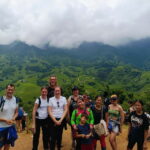
- Small-group pace (up to 10) with an English-speaking local guide
- 3 village visits tied to Hmong, Giay, and Red Dao communities
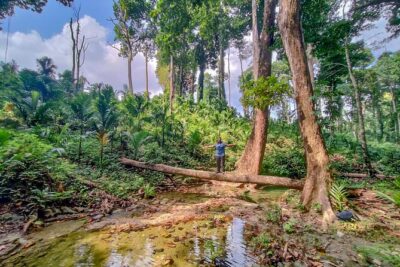
- Offside the main paths, including bamboo forest walking and a hanging bridge over Muong Hoa River
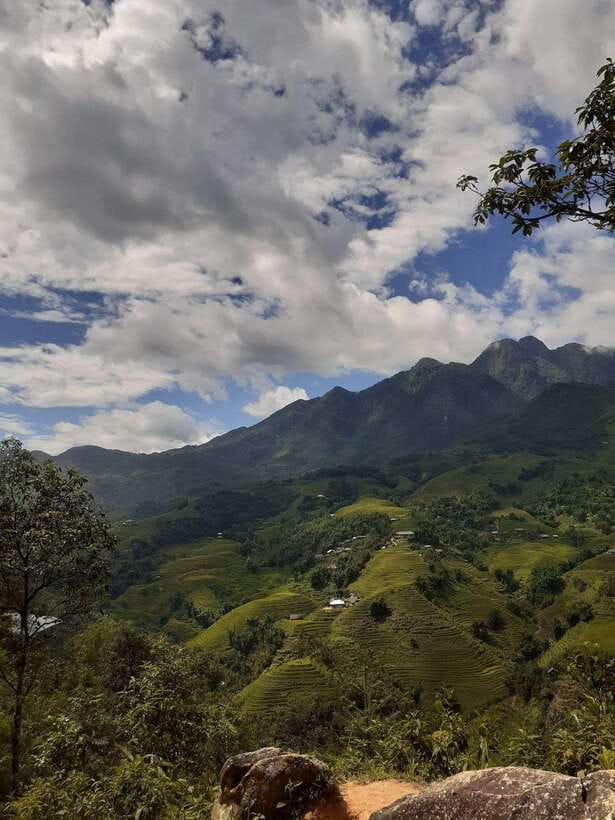
- Big rice-terrace views, plus chances to spot water buffalo
- Up to 1,800 m on the mountain trek, so plan for steep breathing
- Rain-mess reality: paths can turn sloppy, and village selling happens right when you arrive
Sapa in one day: rice terraces plus real village life
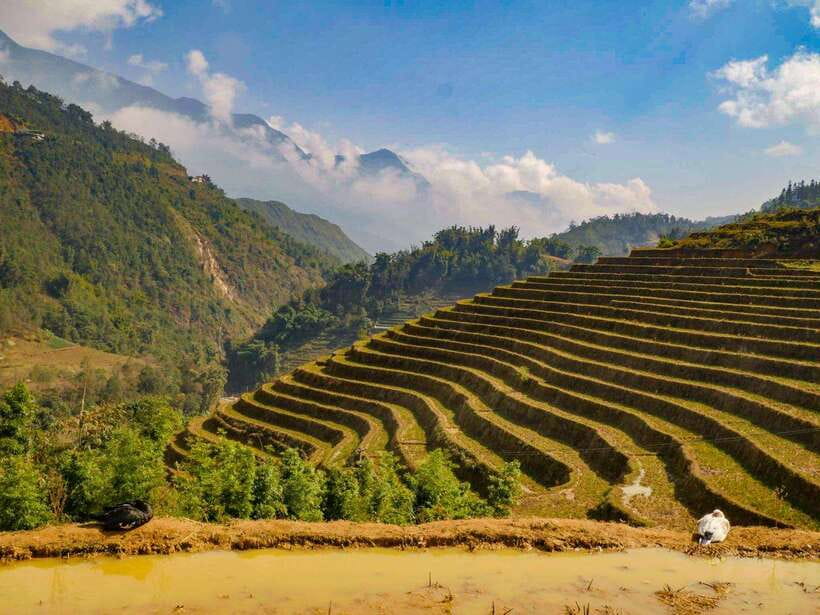
Sapa is famous for its terraced rice, but a day trek works best when it’s more than scenery chasing. This route is designed to do two things at once: you hike through the valleys and terraces, and you get context for what you’re seeing by meeting people in their communities.
The value here is the mix of walking time and cultural stops. You’ll hear how rice work fits into daily life, including Hmong techniques for things like building houses and working the fields. You’ll also learn about Hmong marriage traditions, which is a small window into how community ties shape routines in the mountains.
You’ll come away with more than photos. You’ll understand why the terraces matter, how the landscape is used year after year, and what it means to live where land is steep and every walkway has a purpose.
You can also read our reviews of more tours and experiences in Sa Pa.
The morning start in Sapa Town (and what to expect at 8:00–8:30)
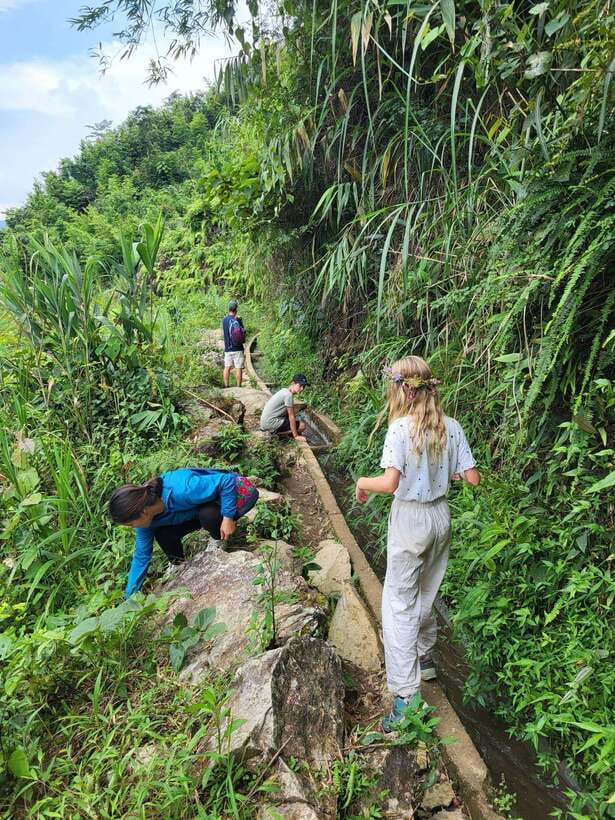
The day begins around 8:00–8:30 am. Your local guide meets you either at your hotel in central Sapa or in front of the main church, depending on where you’re staying. After a quick intro, the group heads off down the road toward the first village area.
This timing is smart for two reasons. First, earlier light helps rice terraces look crisp instead of flat. Second, you’re already walking before crowds fully settle around Sapa’s most photographed spots, so the trek feels more like moving through daily mountain routes.
Practical tip: bring a small layer you can zip up fast. The route climbs, and Sapa mornings can feel cool even if afternoons warm.
Cat Cat Village Road: first steps, first views, first reality check
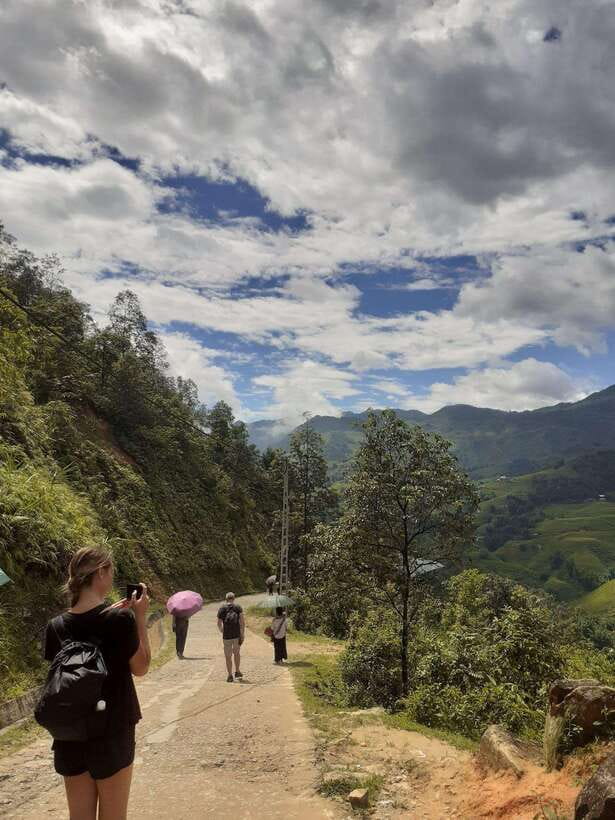
Your walk begins with a stretch toward Cat Cat area, described as a well-known village of the Hmong minority. This is the moment where the trek turns from “easy walk” into “mountain hiking.” You’re still close to the valley, but you start feeling that the route is built around ridges and slopes.
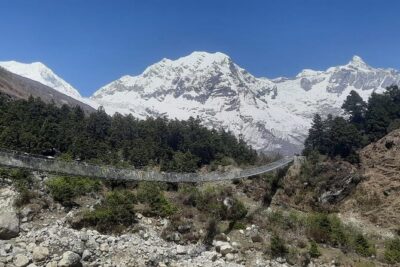
From here, you reach the hanging bridge over the Muong Hoa River. This is one of those spots where the landscape opens up and your camera gets a workout. The bridge also serves as a natural turning point: after it, you move uphill into the mountains and into a bamboo forest stretch.
What I like about this part of the route is the rhythm. You get a clear change of scenery—river crossing, then forest walking—so the day doesn’t feel like one long grind.
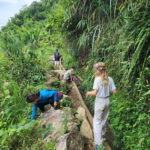
Possible drawback: if you’re not used to wet ground, the bridge approach and surrounding paths can be slippery. One review specifically pointed out how rain meant a lot of mud, and that you can’t always slow down to enjoy the view because you’re concentrating on staying balanced.
Into Muong Hoa Valley: terraces, buffalo, and Hoang Lien Son views
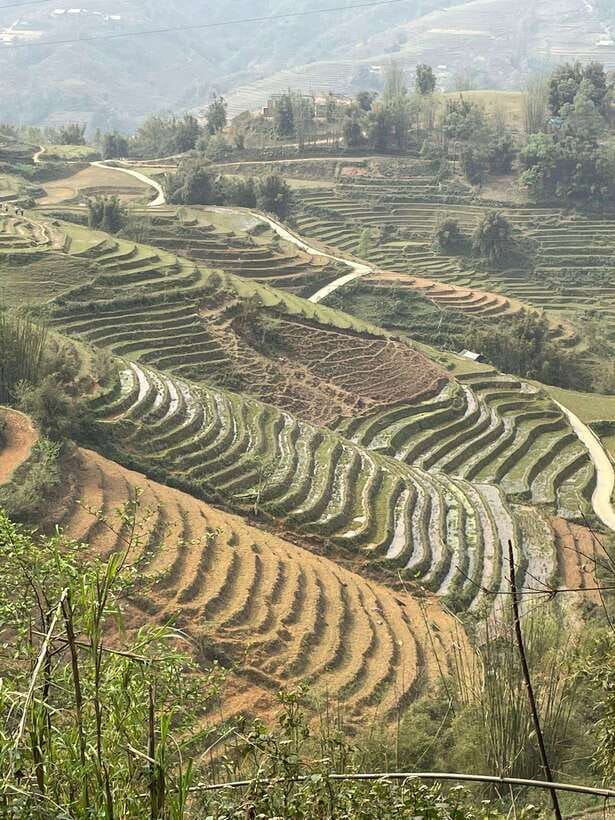
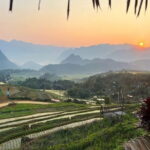
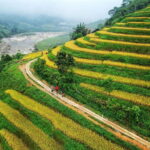
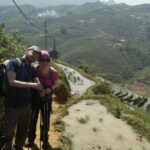
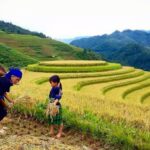
As you climb higher, the trek brings you toward some of the best-known terrace scenery in the region. You’ll have a chance to admire some of Vietnam’s most famous rice terraces, and you’ll also get mountain viewpoints up toward Hoang Lien Son Mountain.
This is where the trek becomes visually rewarding in a practical way. Rice terraces are not just pretty steps on a hill. They’re tied to water control, timing, and farming labor. When you’re walking along the terraces rather than viewing them from one angle, you can see how the fields stack and drain across elevations.
You’ll also see representative animals of the area, including water buffalo. Even if you only catch a brief view, it adds that “this landscape is working” feeling.
If you want the photos: pause when the guide stops, not when the group is moving. It saves energy and keeps the flow safe on uneven ground. If it’s raining, expect less hanging-around time and more steady walking.
Y Linh Ho village: learning how life connects to rice work
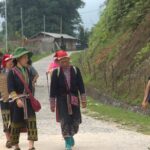
The route continues on to Y Linh Ho village, where you’ll connect what you’re walking on to how people farm and build in this terrain. This stop is part sightseeing, part conversation. You’ll learn about Hmong traditions and everyday labor, including rice field work and house building techniques.
This matters for two reasons. First, it gives meaning to what you’re seeing—terraces aren’t just land art; they’re infrastructure. Second, it helps you navigate the feeling of visiting someone’s home without turning it into a quick photo grab.
The walking between village areas also keeps you grounded in the geography. You’re constantly moving between valley lines and terrace levels, so the explanation makes more sense because you’re physically experiencing elevation change and water-driven farming layouts.

Lao Chai: Black Hmong village vibes and a steady hiking pace
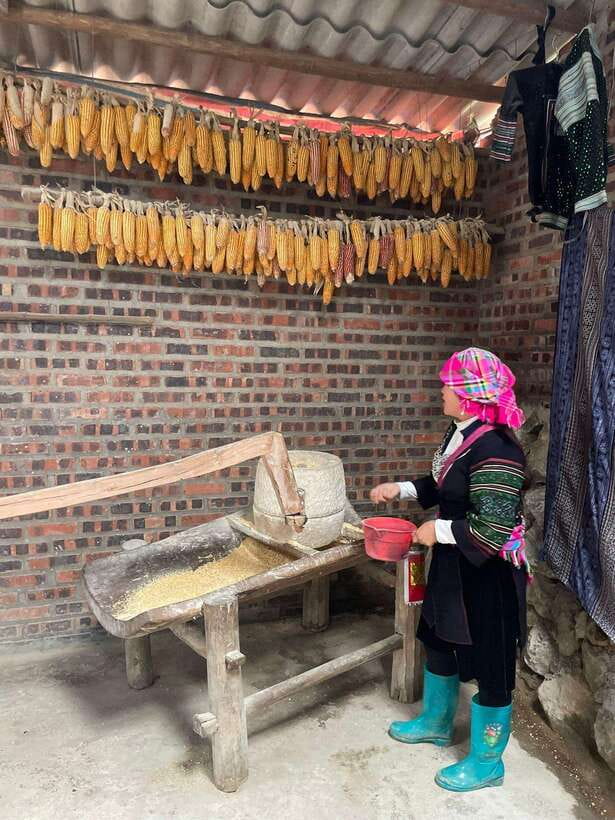
Next comes Lao Chai, described as a village of the Black Hmong community. This part of the day is built to keep the trek active after lunch, so you’re not just sightseeing in between climbs.
Lao Chai is also where the day can start to feel socially intense. One past experience highlighted that at each village arrival, people may approach you to sell handmade goods. That doesn’t mean the walk is unsafe, but it does mean you should go in with an open mind: expect hustle at the edges of community spaces.
My advice: decide ahead of time how you want to handle it. If you want to browse, smile and take your time. If you don’t, a calm no works fine. You’re there to learn and walk; you don’t need to buy anything to be respectful.
Lunch with a Hmong family: fuel up and plan for weather mood
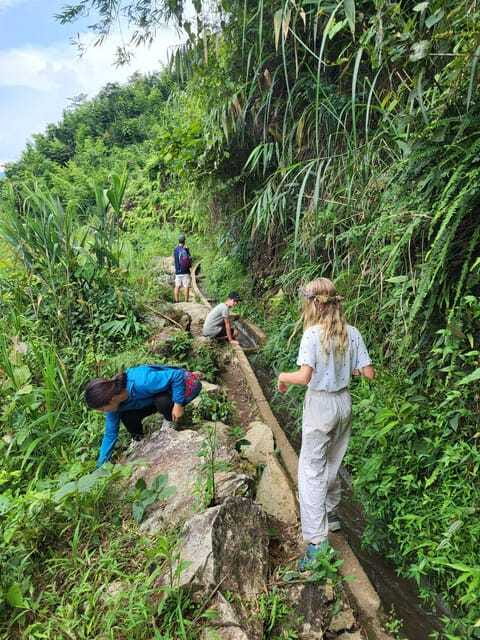
Lunch is served at a small traditional restaurant run by a local Hmong family. This is a good value moment in the day: you’re not left searching for food, and the meal is part of the cultural experience rather than an afterthought.
Because the tour includes one meal in the price, you can budget that cost without surprise. It’s also one of the few times in the day where you can fully reset—feet down, drink what you brought or what’s available, and warm up if the weather is damp.
Now the honest bit: if rain has hit, you’ll be returning to the reality that you’re hiking on wet trails. One review mentioned intense rainfall and how their guide and the women accompanying the group were extremely helpful—helpful enough that the rainy trek didn’t turn into a full disaster.
If you’re prone to getting cold, bring a light extra layer you can wear during breaks. It makes the rest of the afternoon feel easier.
Ta Van village and the Giay community: last cultural stop before the ride back
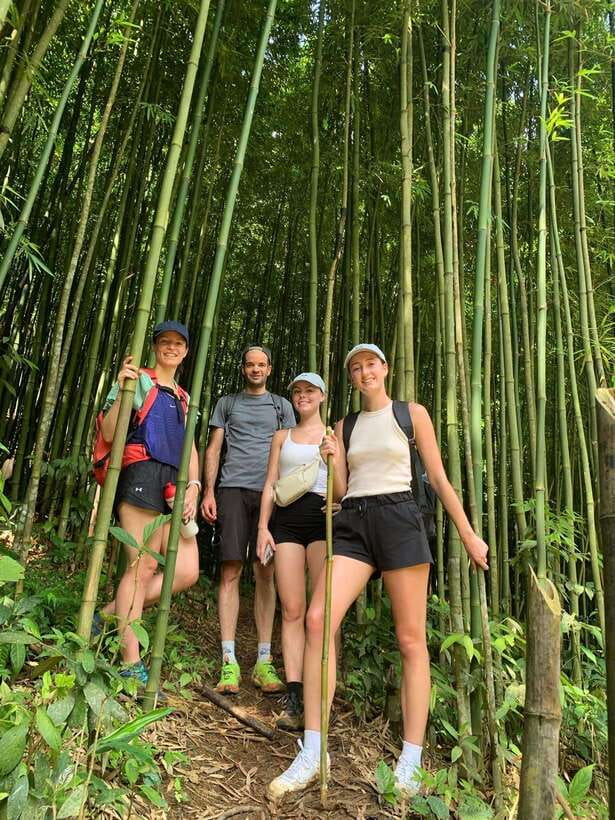
After Lao Chai, you’ll continue trekking to Ta Van village, where you meet the Giay minority community. This final village stop is where you’ll get more perspective on how the ethnic groups differ—not just in appearance, but in how their traditions connect to work and mountain life.
Before heading back, the day slows just enough to let you absorb what you’ve learned over the previous villages. If you’ve been paying attention, you’ll notice patterns: rice work ties the communities to seasons; elevation affects what’s practical; and culture shows up in routines and social customs.
Then you’re done. The tour ends around 14:30 in Sapa town, and you’ll have transport back by bus from Ta Van to Sapa.
This timing is useful if you want to leave Sapa that day. It also means you can still enjoy dinner in town rather than spending the whole day exhausted.
The $24 value: what you’re actually paying for
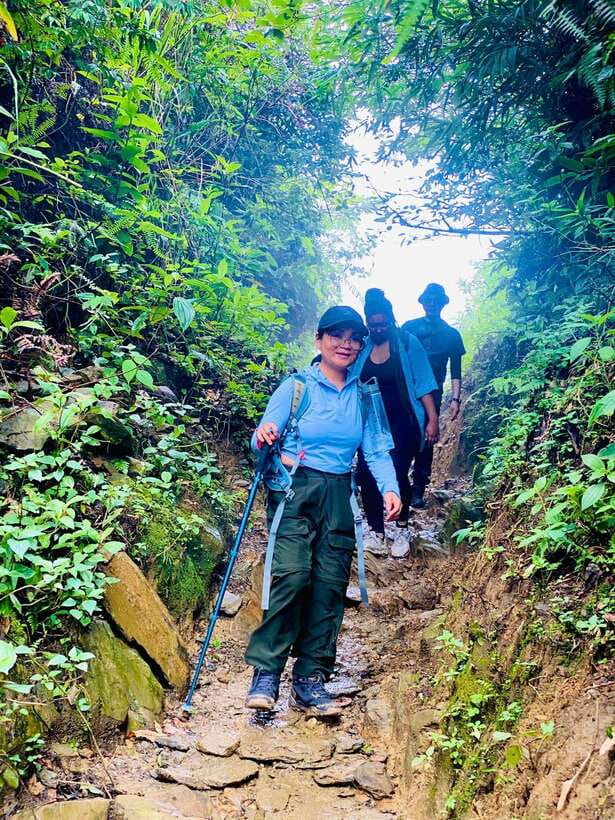
At $24 per person, this trek is priced as an affordable, structured day in a place that can otherwise turn pricey once you add guides and entry fees. Here’s what you get for the money:
- English-speaking guide
- All entrance fees
- One meal
- Bus back from Ta Van to Sapa town
What you don’t get is equally important: drinks, tips, and possible holiday surcharges. Also, tax is not included.
So where’s the real value? In the combination of time and organization. A day trek like this isn’t only about the walk. It includes meeting points, village access, guiding through the cultural explanations, and transport back after the final village stop. That’s hard to DIY safely in a short window, especially on wet paths.
If you’re comfortable negotiating and navigating on your own, you might save a few dollars. But if you want a guided route that hits the major villages and rice terrace areas without stress, this price is pretty fair.
Fitness, altitude, and who should rethink this trek
This is a 7-hour trek with about 13 km of walking, roughly 5 hours of trekking time. That’s a real hiking day, not a gentle stroll. You’ll also climb up to 1,800 m above sea level, and Sapa altitude can add strain fast.
The experience is clearly not for everyone. It’s listed as not suitable for:
- people with altitude sickness
- people with high blood pressure
- babies under 1 year
- people over 95 years
If you’ve ever had issues with altitude or your doctor told you to avoid strenuous climbs, take that seriously. The route climbs and includes uneven ground, so it’s not “pretty easy walking.”
If you’re healthy but not trail-fit, still consider it—just go slow and drink water. The guide sets the pace for the group size, and small groups (up to 10) make it easier to manage.
Guide support (and why Su matters on hard days)
One of the strongest parts of this trek is how supportive the group feels when conditions get rough. In a rainy experience, the guide Su and the women accompanying the group were described as very, very friendly and helpful enough to make it through the day safely.
That tells you something important. On a route that can include mud and long sloped walking, the guide isn’t just there to point at views. They help you navigate timing, village flow, and the practical reality of mountain footing.
Also, the guide’s job includes explaining what you’re seeing: Hmong marriage traditions, rice field work, house building techniques, and differences between ethnic groups. If you like learning as you walk, this is a good match.
Village selling: how to handle it politely without losing the day
Village visits in Sapa often come with people approaching you to sell handmade items. One review noted that at each village arrival, they were approached to buy self-made goods.
You’ll likely see the same kind of energy here. The best approach is simple:
- Be friendly, then set boundaries early if you’re not buying.
- Don’t feel pressured to stop for long.
- Remember you’re visiting homes and workspaces, not a market stall on demand.
If you do want to buy something, do it calmly and with cash ready. Small purchases can support families—just don’t let it turn the day into bargaining fatigue.
Should you book this Sapa 1-day rice fields trek?
Book it if you want a real walking route in Sapa that combines rice terraces, multiple ethnic villages, and practical guiding in one day. The $24 price feels good because the tour covers the guide, entrances, meal, and the bus back.
Skip it if you’re dealing with altitude concerns, high blood pressure, or you want a mostly flat, low-effort outing. Also skip if you hate mud and wet hiking. The terrain can get messy, and even the view moments can be secondary to staying stable on the ground.
If you’re the type who likes understanding how people live—why terraces exist, how farming works, and how traditions show up—this trek is a strong one-day plan. Just pack for wet weather, bring sensible shoes, and go in ready to walk, learn, and move on with the group.
FAQ
How long is the trek and when does it end?
The tour runs about 7 hours. It starts around 8:00–8:30 am and typically returns to Sapa town around 14:30.
How much walking is involved?
You’ll walk roughly 13 km (about 5 hours of trekking), with breaks and village time built into the day.
What villages and ethnic groups do you visit?
You visit three village areas connected to the Hmong, Giay, and Red Dao ethnic minorities, including Cat Cat Village, Y Linh Ho, Lao Chai, and Ta Van.
Is lunch included?
Yes. One meal is included, and lunch is served at a small traditional restaurant run by a local Hmong family. Drinks are not included.
What does the price include, and what’s not included?
Included: an English-speaking guide, all entrance fees, one meal, and bus transport from Ta Van back to Sapa town. Not included: tax, drinks, tips, and possible holiday surcharges.
Can I cancel for a full refund?
Yes. You can cancel up to 24 hours in advance for a full refund.