REVIEW · NAYA PUL
Pokhara: 3-Day Ghorepani, Poon Hill and Ghandruk Guided Trek
Book on GetYourGuide →Operated by Himalayan Nomad Treks Pvt. Ltd. · Bookable on GetYourGuide
That early-morning climb is worth it.
This short trek in the Annapurna region takes you from Pokhara into the Ghorepani hills, up to Poon Hill at 3,210m, and down to the Gurung village of Ghandruk—all with big mountain payoffs for a small time commitment. You’ll spend nights in simple tea-house style lodging, then do a final downhill walk back toward Nayapul and the drive to Lakeside.
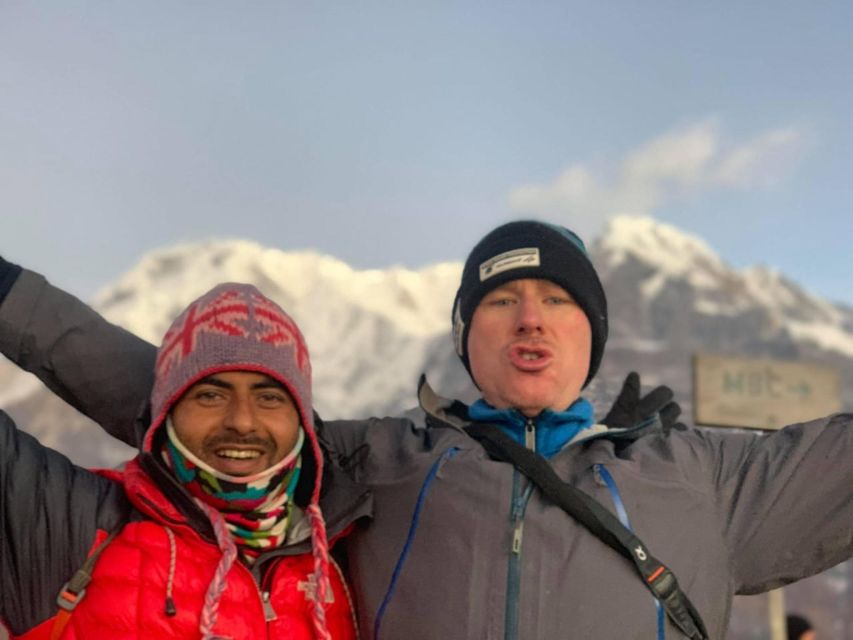
What I like most is the mix of things you actually feel on the trek: the relentless steps up through rhododendron forests, and the sunrise moment over the Annapurna range. I also like that the experience is guided by a licensed English-speaking guide; one guide named Helen stood out for being encouraging and practical, even when a partner got sick and the group needed to adjust.
The main drawback to plan for is comfort variability—especially on the second night in Ghandruk, where one lodge choice was a major disappointment. If you’re picky about rooms, you’ll want to ask what specific hotel is being used before you lock in.
In This Review
- Quick take: what makes this trek special
- Poon Hill sunrise at 3,210m: the moment you came for
- Day 1: Pokhara to Ghorepani via Nayapul, Tikhedhunga, Ulleri
- Day 2: Poon Hill climb, Annapurna views, and the steep drop to Ghandruk
- Day 3: Gurung village morning, monastery stops, and the walk back to Nayapul
- What the food and lodging feel like on a 3-day trek
- Guides, pace, and what to do when the trail gets tough
- Price and value: is $207 fair for this 3-day package?
- Who should book this trek, and who should skip it
- Should you book the Ghorepani, Poon Hill and Ghandruk trek?
- FAQ
- What’s the highest altitude on this trek?
- How long is the trek overall?
- Where do you sleep during the trek?
- Are meals included?
- Is a porter included?
- What’s included in the guide service?
- Is travel insurance included?
- Is this trek suitable for pregnant women?
Quick take: what makes this trek special
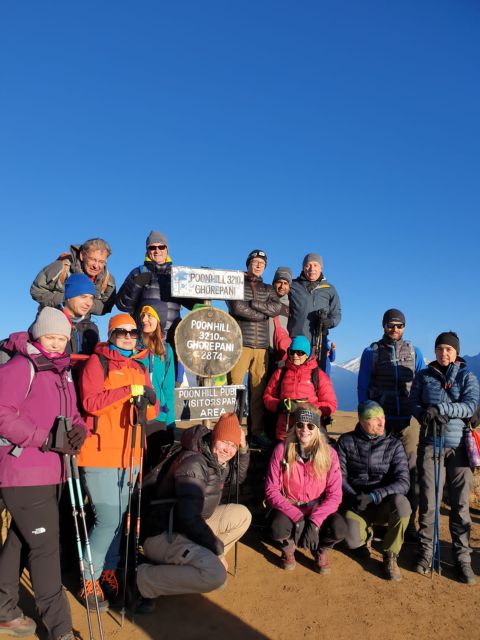
- Poon Hill sunrise at 3,210m with classic Annapurna-range views, even if the trail gets crowded
- Rhododendron forest hiking and a serious workout without needing technical climbing
- Ghandruk Gurung culture: stone houses, wood carvings, temples/monasteries, and traditional dress for photos
- Tea-house basics in Ghorepani that feel simple but part of the charm
- Lodge choice in Ghandruk matters more than you’d think for a 3-day trip
Poon Hill sunrise at 3,210m: the moment you came for
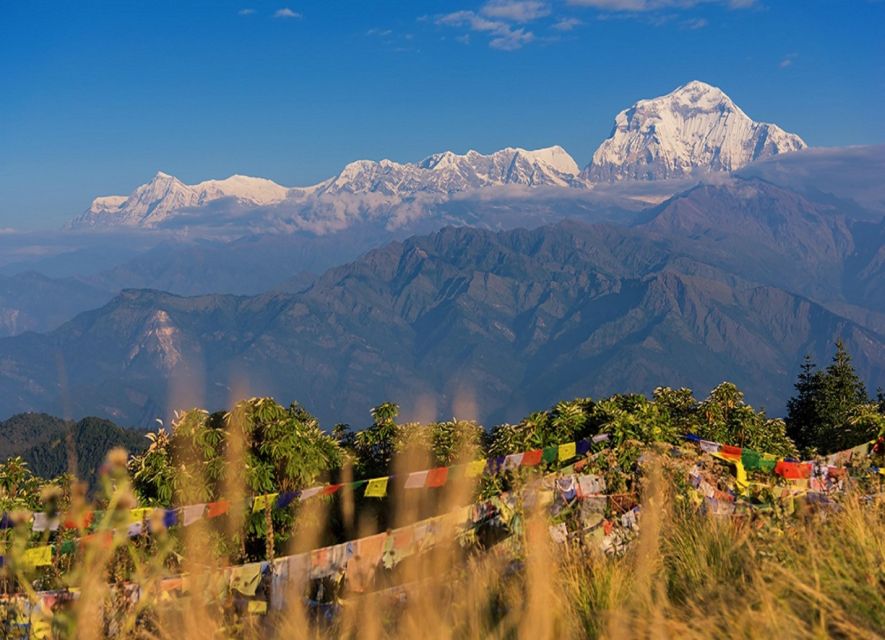
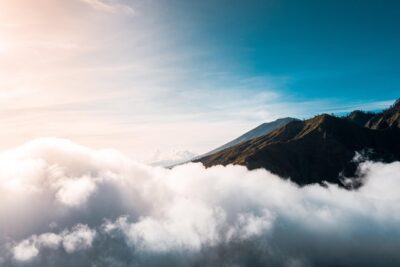
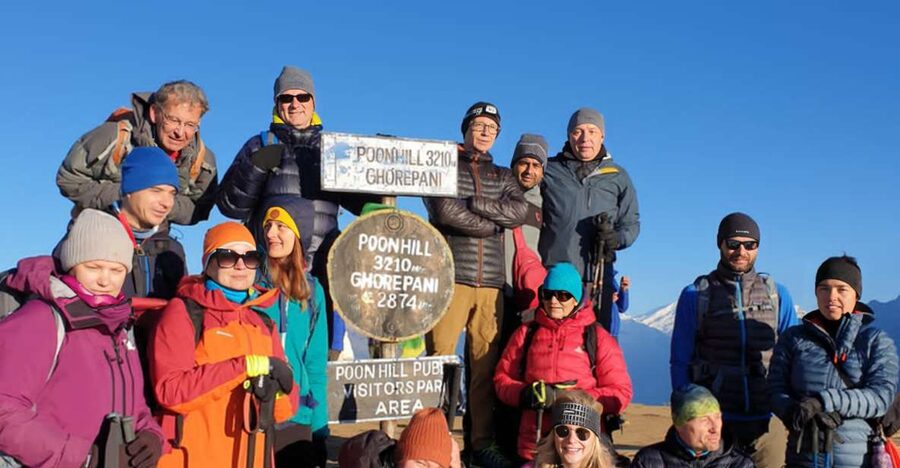
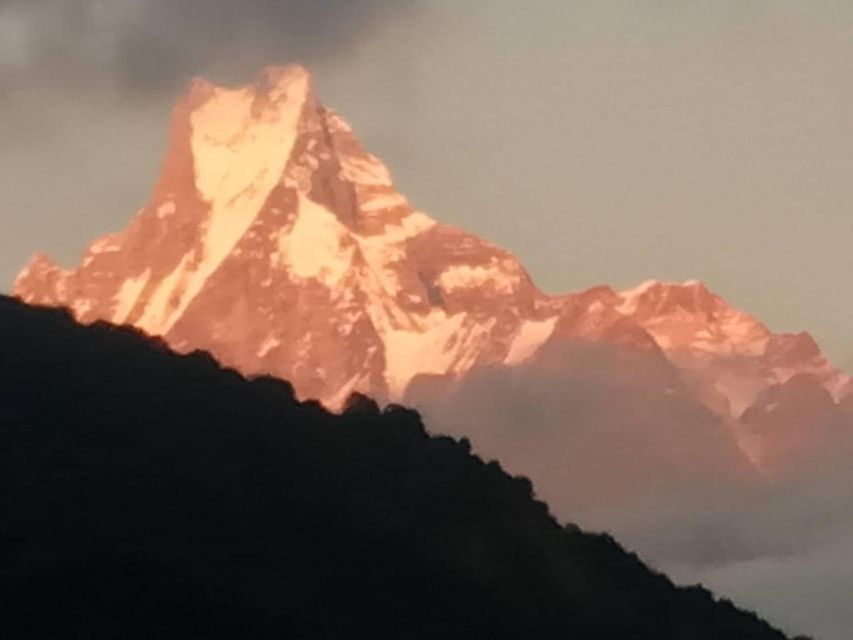
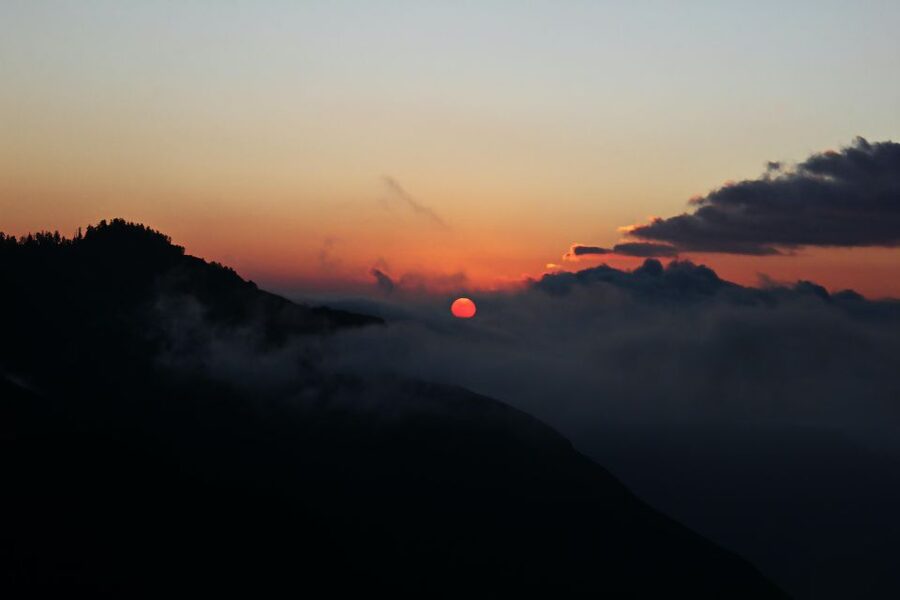
This trek is built around one target: the view from Poon Hill (3,210m) at sunrise. Even if you think you know what the Annapurnas look like from photos, the real thing lands differently—because the air is colder, the peaks sharpen, and the light changes fast. You’re not just looking out at mountains; you’re watching the sky turn the whole range into layers.
It’s also a “short but intense” elevation story. You don’t gain altitude for weeks like longer treks do. Instead, you get a steep climb and then a quick drop the next day. That’s why trekking poles, a steady pace, and sensible breathing help more than heroics.
One reality check: Poon Hill can be busy. Expect a crowded and sometimes noisy approach around sunrise, with people stacking along viewpoints to get photos. Your guide should help you time it and find a workable spot, but don’t count on a quiet, private moment.
You can also read our reviews of more tours and experiences in Naya Pul.
Day 1: Pokhara to Ghorepani via Nayapul, Tikhedhunga, Ulleri
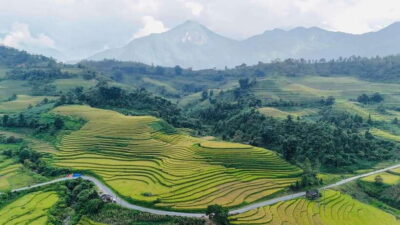
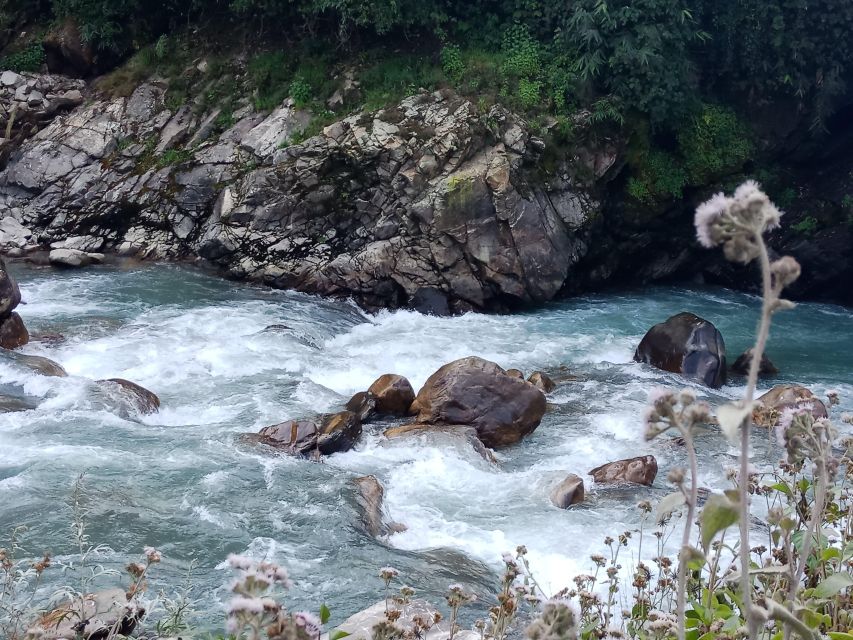
Day 1 is all about setting the trek in motion without wasting effort. You start with a scenic drive from Pokhara to Nayapul, then continue along the Modi Khola corridor through small villages and forested stretches. You’ll see a mix of green hills, river lines, and the kind of roadside life that makes the Annapurna region feel real rather than staged.
Then you switch gears. From Tikhedhunga (1,570m) you’ll be pushed uphill toward Ulleri (2,000m) by vehicle. That matters because your first real trekking day is about saving energy for the final grind up to Ghorepani (2,840m).
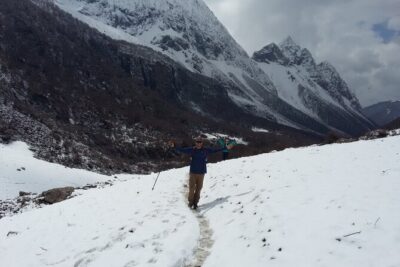
Finally, you trek into Ghorepani over about five hours, moving through rhododendron forests and steep village-to-village paths. The trail is stair-heavy, and your quads will feel it by day’s end. This is the part where being comfortable on inclines makes the trip more fun instead of painful.
Overnight: you sleep in a tea house in Ghorepani. Rooms are basic, warm layers help, and you’ll notice how quickly mountain nights cool down. This is part of the deal here—tea houses are simple by design, but they’re also the reason this trek feels intimate.
Practical tip from the “works in real life” category: plan on taking small rests. The goal is to keep moving steadily rather than sprinting for views and then stalling when your lungs catch up.
Day 2: Poon Hill climb, Annapurna views, and the steep drop to Ghandruk
Day 2 is the classic rhythm of this route: climb early for the sunrise, then descend hard.
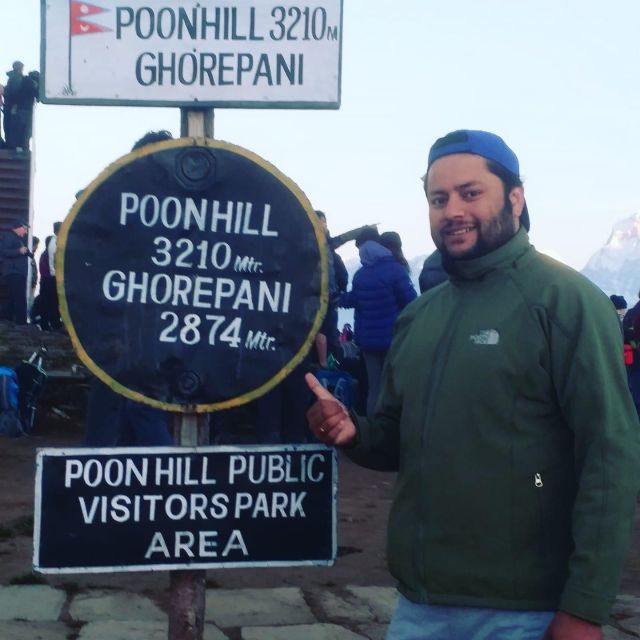
You’ll head to Poon Hill (3,210m) and work your way up to the viewpoint. This is where the sunrise payoff hits. The Annapurna range and surrounding peaks show up with clarity that feels almost unfair after the early effort. When it’s clear, the horizon can look like it’s drawn with a ruler.
After sunrise, you don’t linger too long—because your next task is a steep descent down toward Ghandruk (2,000m). This day’s hiking is longer in total time and includes a physically demanding drop, often through jungle-and-forest sections along the route via Tadapani.
The descent is where your knees earn their keep. A controlled downhill pace is key. Use poles if you have them. Shorten your stride. The mountain doesn’t care how determined you are.
Overnight: in Ghandruk, you’ll stay in a hotel. This is the part where you should pay attention before booking. One group experience included staying at a place called Hungry Eye, and it was described as extremely poor—broken/non-functional items, filthy bedding/rooms, and overall disappointment. Ghandruk itself has many nicer hotels, so comfort here can vary a lot.
If you’re planning this trek specifically for a “good night’s sleep,” I’d treat the Ghandruk hotel as a decision point. Ask what name you’ll get for your dates, and set expectations: even with a hotel, you’re still in a mountain village, so plumbing and bedding standards can differ from city life.
Day 3: Gurung village morning, monastery stops, and the walk back to Nayapul
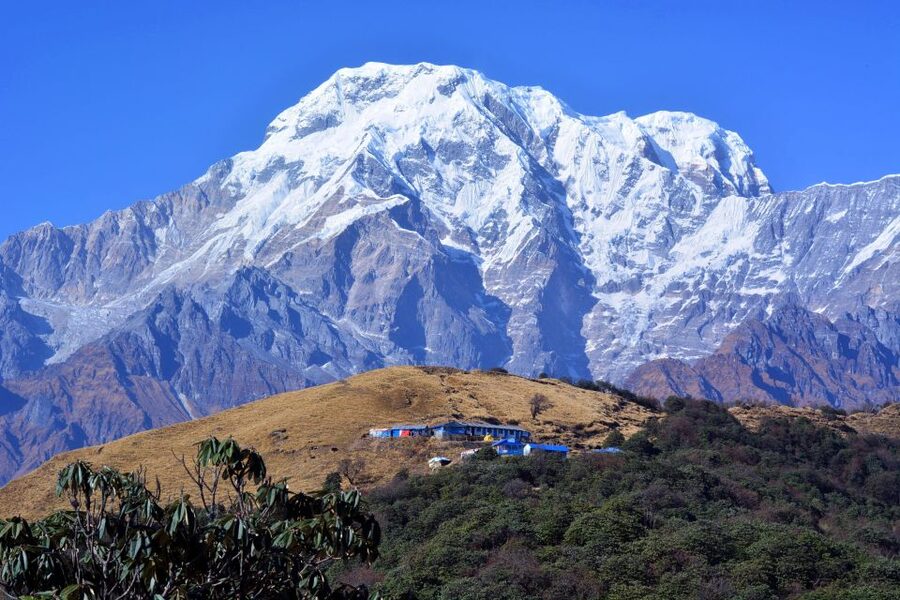
Day 3 starts with another early window, depending on your energy: you can hike to a viewpoint or use your hotel terrace in/above Ghandruk to catch sunrise again. This time the experience is quieter and more village-shaped than the Poon Hill rush.
Ghandruk is primarily home to the Gurung community, known for hospitality and a strong cultural identity. What you can do here is the slow, human part of the trek. You’ll explore traditional stone houses with intricate wood carvings, and you can visit ancient monasteries and temples. There’s also an opportunity to try on authentic Gurung traditional dress for photos, which is a fun way to make the culture feel personal rather than abstract.
After the village time, you hike down toward Nayapul along the Modi River corridor and then drive back to Pokhara’s Lakeside. The trail timing can be flexible in practice. One real-world note to keep in mind: even though the plan calls for a certain amount of trekking, the final segment can turn into more of a mix of footpaths and road walking depending on the exact pickup point and how the day runs.
Once you reach Pokhara, you’ll have that “finally, gravity works for me” feeling. The lakeside evening is also a good moment to reset your body, sort photos, and rethink the whole thing from the comfort of a warm meal.
What the food and lodging feel like on a 3-day trek
For a short trek, food matters more than you’d expect. You’re burning energy early and often, and you’ll want meals that are filling without being fussy.
During the trek, meals are included for the full package, typically breakfast, lunch, and dinner. Expect classic mountain basics like dal bhat (lentils and rice) and other straightforward options. Tea houses and village hotels usually don’t try to reinvent cuisine, which is good news when you’re tired and want calories you can count on.
Lodging is where the story splits into two parts:
1) Ghorepani tea houses: basic comforts, warm layers help, and don’t expect a modern hotel setup. That said, tea-house nights are often where the trek feels most real: simple rooms, limited power, and the whole village life happening around you.
2) Ghandruk hotels: better than tea houses in general, but not automatically comfortable. The biggest lesson here is to confirm the specific hotel name for your dates and don’t assume every booking category equals a consistently good room.
If you’re someone who needs consistent comfort, pack light, choose layers over bulk, and set a realistic standard for overnight stays in a mountain village.
Guides, pace, and what to do when the trail gets tough
This trek is private and guided by an authorized, licensed English-speaking guide (English and Hindi are listed). That matters because the route is popular around sunrise, and the hiking rhythm can surprise you on day 1 and the downhill on day 2.
A good guide does three practical things:
- Keeps you moving at a pace that matches your group
- Helps you handle the stairs without burning out
- Adjusts plans if someone isn’t feeling well
One standout example: a guide named Helen was described as caring and attentive when a partner got sick, and the team reorganized the trek so the descent could be easier. That kind of flexibility is worth its weight in sore legs.
Also, be honest about your fitness. The route is doable for walkers, including less experienced ones, but it’s harder than it sounds on paper. If you can walk uphill for a sustained time and you’re willing to take it slow, you’ll enjoy the views more and stress less.
Crowds are another factor. Sunrise routes can feel like a moving queue. Bring a headlamp (useful for early starts), and keep your expectations friendly: you’re there to see the mountains, not to have the trail to yourself.
Price and value: is $207 fair for this 3-day package?
At $207 per person for 3 days, this is priced like a value trek that concentrates costs where they matter: guided walking, permits, and transport around the trail. The package includes hotel pickup and drop-off, authorized licensed English-speaking guidance, and accommodation for two nights on the trek (tea house/lodge/hotel types) plus the last night in Pokhara at Hotel Orchid (tourist standard luxury).
It also includes a farewell Nepalese typical dinner in Lakeside Pokhara and all necessary trekking paperwork (including TIMS and permits). Meals are included during the trek for full package bookings, which is one of the biggest ways a “cheap” trek can actually save you money.
What you should treat as additional costs:
- Soft and hard drinks
- A porter (not included)
- Travel and rescue insurance
- Personal expenses like laundry or phone charging
- Bottle or boiled water and any shower-related costs you might encounter
So the value is strong if you want a guided, structured trek without having to plan permits, meals, and logistics yourself. It’s less of a bargain if you need to hire extra help, need private room upgrades, or would rather pay more to avoid any chance of a rough lodge night.
One more practical note: the trek timing and actual trekking hours can differ from the schedule because of pace, stops, and where the pickup point lands. That doesn’t automatically mean anything went wrong, but it’s good to plan your expectations like you would for any mountain walk.
Who should book this trek, and who should skip it
This is a good fit if you want:
- A short Himalayan hike with sunrise payoff
- Rhododendron forest walking and village-to-village scenery
- A culture stop in Ghandruk with Gurung community experiences
- A guided trek in an English-speaking setup (English/Hindi)
It’s also a realistic option if you’re not a hardcore hiker, as long as you’re prepared for stair steps and a steep descent. Bring trekking poles if you can. Your knees will send you a thank-you note later.
It’s not for everyone. The activity data says it’s not suitable for pregnant women. And if you know you struggle with steep downhill terrain, plan to go slowly and expect the last descents to feel more intense than the first climbs.
Should you book the Ghorepani, Poon Hill and Ghandruk trek?
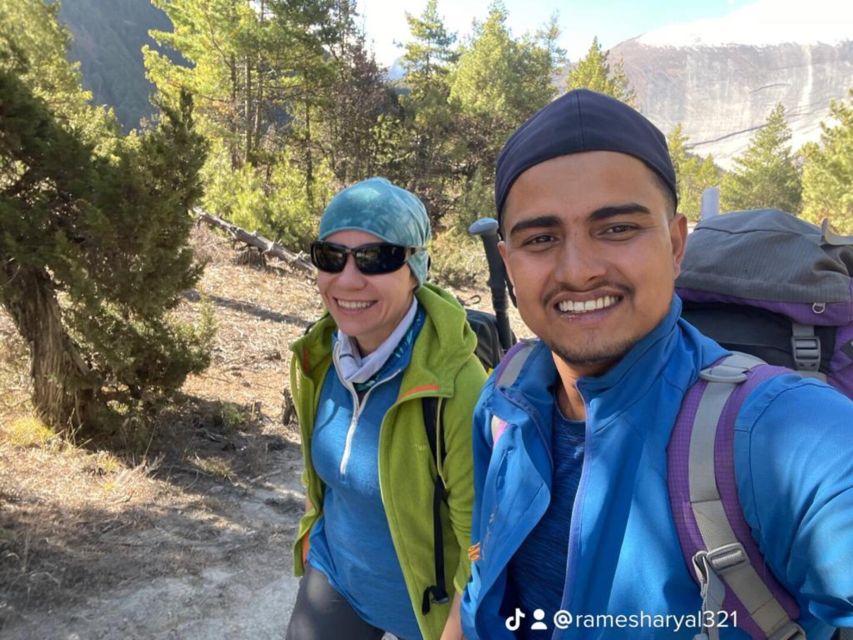
I’d book it if you’re chasing that Poon Hill sunrise view, you enjoy forests and villages, and you’re willing to accept mountain lodging as part of the experience. The combination of Ghorepani’s tea-house night, the big Annapurna panorama from Poon Hill, and the culture-focused morning in Ghandruk is exactly the kind of trip that hits both the “sights” and the “people” side.
I’d think twice if comfort is your top priority, because the Ghandruk hotel experience can vary a lot. Before you pay, ask for the exact hotel name you’ll get in Ghandruk and what level of room condition is expected. Then pack warm layers and a realistic mindset: this is a workout, and the payoff is the view, not the bedding.
FAQ
What’s the highest altitude on this trek?
The highest point is Poon Hill at 3,210m (10,531 ft).
How long is the trek overall?
It runs for 3 days total.
Where do you sleep during the trek?
You stay for two nights during the trek in tea houses/lodges/hotels, and the last night in Pokhara is at a tourist standard luxury hotel (Hotel Orchid).
Are meals included?
Meals are included for the full package, including breakfast, lunch, and dinner during the trek.
Is a porter included?
No. Porter service is not included.
What’s included in the guide service?
You get an authorized/licensed English-speaking guide for the trek (English and Hindi are listed).
Is travel insurance included?
No. Travel and rescue insurance is not included (the provider says they can assist if needed).
Is this trek suitable for pregnant women?
No, the activity is listed as not suitable for pregnant women.