REVIEW · KATHMANDU
Everest Base Camp Trekking
Book on Viator →Operated by himalayan sanctuary adventure private limited · Bookable on Viator
Everest calls, and your feet answer. This trek is famous, but what makes it really compelling is the steady, altitude-aware pacing plus the promise of sunrise from Kala Patthar over the Khumbu Glacier and peak wall.
I also like how the trip blends big-mountain trekking with meaningful Nepal moments on the ground, from Buddhist and Hindu landmarks in Kathmandu to Sherpa villages along the way.
The main consideration is effort. Even with generally well-graded paths, you’ll face high altitude and some tougher sections near the Khumbu glacier, and the Lukla flights are weather-dependent.
In This Review
- Key things I’d pin on a map before you go
- Everest Base Camp in 15 days: what you’re really buying
- Price and logistics: flights to Lukla, meals, permits, and your porter
- Kathmandu warm-up: Boudhanath, Pashupatinath, and Patan Durbar Square
- The Lukla start: flights, Phakding, and getting your legs working
- Through Namche and Tengboche: monasteries, views, and acclimatization that feels real
- Dingboche and Lobuche: acclimatization, high-altitude stamina, and the Base Camp approach
- Lobuche to Gorakshep and Everest Base Camp: the long day that earns its name
- Kala Patthar at sunrise (5,555 m): the hardest morning that stays with you
- The descent back to Namche and Lukla: keep your knees happy
- Safety, guide style, and how service shows up on weather days
- Who should book this trek (and who should pause)
- Should you book this Everest Base Camp trek?
- FAQ
- What’s included in the Everest Base Camp package price?
- What is not included?
- How many days is the trek?
- What are the highest points on the trek?
- Is this trek suitable for moderate fitness?
- How do the flights to and from Lukla work?
- What kind of accommodation do you stay in during the trek?
- Are Kathmandu sightseeing entrance fees included?
- Is cancellation free?
Key things I’d pin on a map before you go
- Private group experience with pickup and an English-speaking, government-licensed guide
- Teahouse comfort with full-board meals during the trek (breakfast, lunch, dinner)
- Acclimatization days that are built in, not tacked on as an afterthought
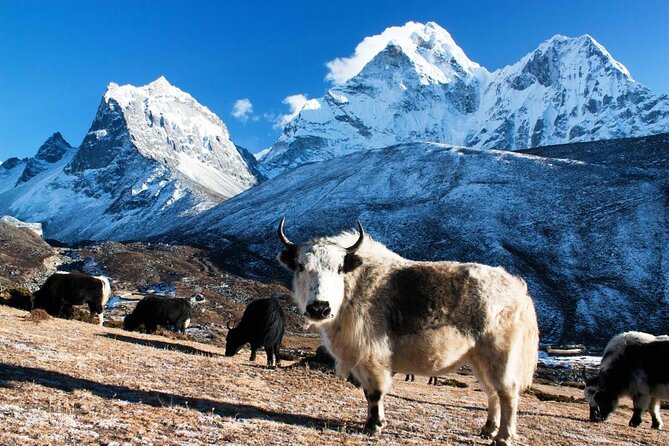
- Kala Patthar at sunrise timing (about a 3-hour climb to the top) for the classic “Everest wall” view
- Service that handles weather disruptions, including making arrangements when flights get delayed
- Porter support (2 trekkers: 1 porter) to help keep your load sensible
Everest Base Camp in 15 days: what you’re really buying
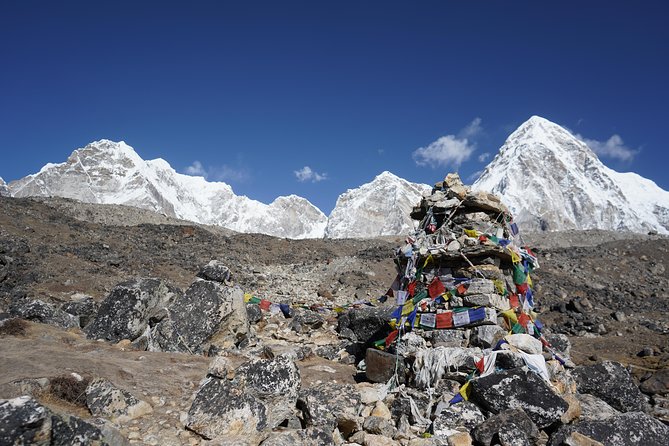
Everest Base Camp is the kind of goal that feels simple on paper. Then you realize it’s not just one place you walk to. It’s a progression of altitude, villages, monasteries, and long days that build toward one unforgettable morning at Kala Patthar.
What you’re paying for here is a guided, structured route that keeps you moving steadily and gives you time to adjust. You’re not just rushed from town to town. You’ll also get built-in acclimatization stops in Namche Bazaar and Dingboche, which matters because altitude doesn’t care how excited you feel.
And the pacing is designed for survival and enjoyment, not ego. You’ll cover plenty of ground, including a big push toward Everest Base Camp, but you’ll also get rest and gradual transitions. That combo is what turns this from a “bucket list stunt” into an actual trek you can remember clearly.
You can also read our reviews of more tours and experiences in Kathmandu.
Price and logistics: flights to Lukla, meals, permits, and your porter
The price is $1,625 per person for about 15 days, starting in Kathmandu. To judge value, look past the number and count what’s included: domestic flights Kathmandu–Lukla–Kathmandu, a licensed guide, teahouse accommodations during the trek, and most meals while you’re moving.
The included trek meals are a big deal. You get breakfast, lunch, and dinner during the trek, so you’re not searching menus every day at altitude. You also get a farewell dinner in the end stretch of the trip, which is a nice morale boost when you’ve earned your “we did it” moment.
Another practical value point: the trek includes permits and paperwork, including the TIMS and the national park permit. Permits can be a headache if you plan your own route, so having them handled saves time and stress.
You also get porter service on a ratio of 2 trekkers to 1 porter. That doesn’t remove every challenge, but it does make the climbs more manageable, especially on days when you’re walking many hours and your legs are already tired.
One more logistics point that’s not optional: the Lukla flights can be delayed or canceled due to weather. This operator specifically suggests adding 2 to 3 extra days at the end so you don’t have an international flight anxiety spiral.
Kathmandu warm-up: Boudhanath, Pashupatinath, and Patan Durbar Square
Before the mountains, you’ll get two nights in Kathmandu around the trekking start. That’s not just “waiting time.” It’s your chance to get your body into travel mode and learn the basics of the country you’re about to enter at higher altitude.
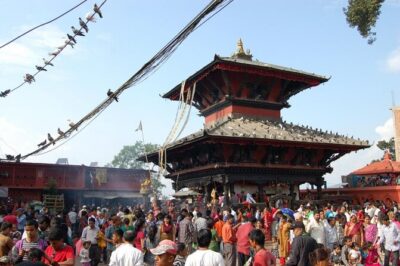
You’ll visit Boudhanath Stupa, a massive 36-meter stupa east of downtown Kathmandu that’s often linked to the local story of builders using dew during a drought. It’s one of those places where the details slow you down. Even if you’re not into religious architecture, you’ll notice how stupa design and prayer routines shape daily life here.
You’ll also visit Pashupatinath Temple, one of the most sacred Hindu shrines in the world. Ritual dips in the holy Bagmati River happen right by the temple area, and you’ll see why this is more than a tourist photo stop.
In the fuller sightseeing plan, you’ll also have time for Patan Durbar Square and Swayambhunath Stupa (Monkey Temple). Patan gives you palace courtyards and temples with an eye for stonework and bronze objects in the museum area. Swayambhu sits on a hill and you get both the stupa and the monkey-filled atmosphere from the same vantage.
If you like your trekking trips to feel grounded in culture, this Kathmandu block is a strong start. If you just want the fastest path to the trail, you might feel you’re spending a bit too much time in cities before the altitude hits.
The Lukla start: flights, Phakding, and getting your legs working
Day one sends you from the airport to a hotel in Thamel, with a pickup arranged by the local operator. Day three is where the trek really begins: you fly early to Lukla (2,804 m) and then walk to Phakding (2,610 m).
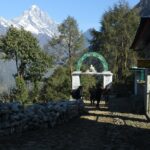
This first walking day is typically short and built for settling in. You pass through small villages like Cheplung, and you’ll get a magnificent view of Mt. Khumbila, described as sacred and never summited. It’s a reminder that the mountains you’re chasing for views are also living parts of local belief systems.
The Phakding stop is useful because it’s a gentle introduction to the rhythm of the Khumbu region: tea houses, uphill stretches, and quick changes in your breathing. You’re still relatively low compared to what’s coming next, but you should feel the effort.
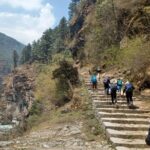
Then you move toward Namche Bazaar. That day includes crossings over the Dudh Koshi River and a long, steady climb that ends at Namche (3,441 m). Even though it’s “just walking,” it’s also altitude training in disguise: you learn to pace your breathing, not just your steps.
If you’re prone to going out too fast, Namche’s steep arrival is a good reality check. Save your energy. The rest of the trek will ask for it.
Through Namche and Tengboche: monasteries, views, and acclimatization that feels real
Namche Bazaar is one of those rare trekking towns that feels like a hub, not a camp stop. You’ll explore the area and then spend time in the Sagarmatha National Park region.
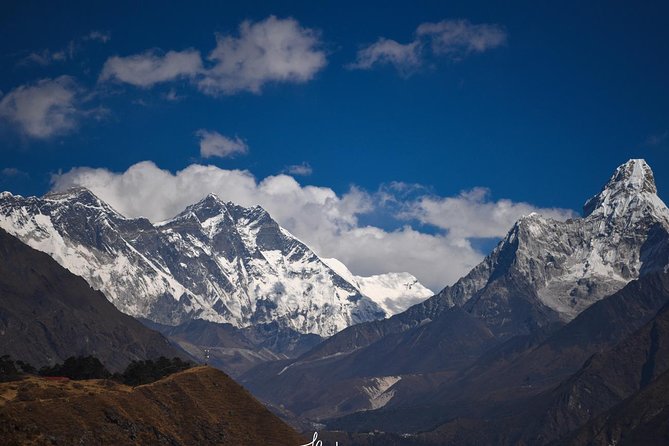
One day gives you sunrise views over major peaks such as Mt. Everest, Lhotse, Nuptse, Ama Dablam, Thamserku, and Kongde. Even if you’ve seen Everest photos before, the scale here hits differently. You’re not looking at a postcard. You’re watching a skyline that changes as clouds move.
You’ll also have an option for a day hike to Khumjung village if you’re feeling good. This is valuable because it keeps the choice flexible: you can rest hard if you need it, or add a short adventure when your altitude adapts.
Then you’ll trek to Tengboche (around 3,860 m) and visit Tengboche Monastery, which is described as the biggest monastery in the Everest region. The monastery timing matters: it opens at 3:00 pm, so arriving around then gives you a chance to observe a Buddhist religious ceremony. That’s one of those details you can’t plan for later. Timing is the whole point.
Tengboche is also where the views get even more dramatic. Your trekking day ends with a setting that feels like a lookout, with mountain panoramas near where people live, pray, and gather.
The only drawback here is emotional. It’s easy to get overexcited in Tengboche and start thinking you’re already near the finish line. You’re not. The higher altitude days still come.
Dingboche and Lobuche: acclimatization, high-altitude stamina, and the Base Camp approach
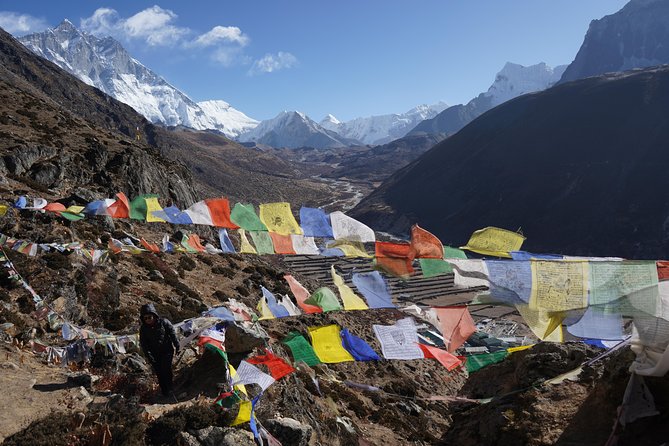
From Tengboche, the route moves to Dingboche (4,350 m) with stops that include Debuche and crossings like the Imja River, plus passes through Pangboche and its monastery. The walking shifts from “learning the route” to “working on altitude tolerance.”
You’ll then spend an acclimatization day in Dingboche. This is not optional sightseeing time. The plan includes a hike behind Dingboche for views of Lhotse, Makalu, and Cho Oyu. It’s the kind of move that helps your body learn at a higher level without going full-send toward the top too early.
After that, you move onward to Lobuche. This day stretches into about a 7-hour walk and includes the Dughla pass. The Lobuche area is where the trek starts feeling more serious. The air gets thinner, the terrain becomes more intense, and you start thinking about how you’ll handle a long push later toward Base Camp.
This is also where the “keep your head” mindset matters. You need to drink, eat, and stay warm. If you get cold, you’ll pay for it on the next bend. The trek is famous for big views, but it’s the small habits that keep you safe.
Lobuche to Gorakshep and Everest Base Camp: the long day that earns its name
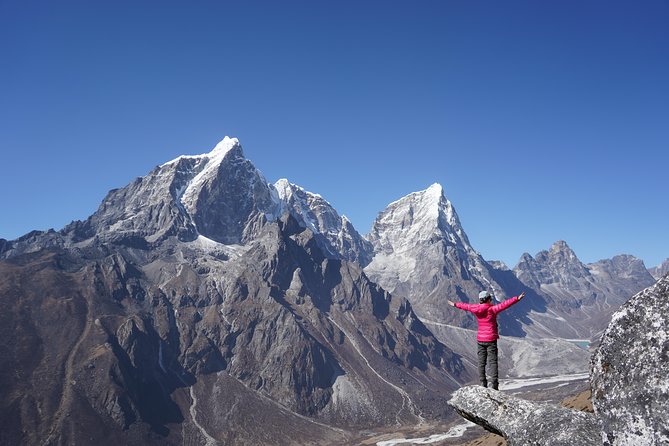
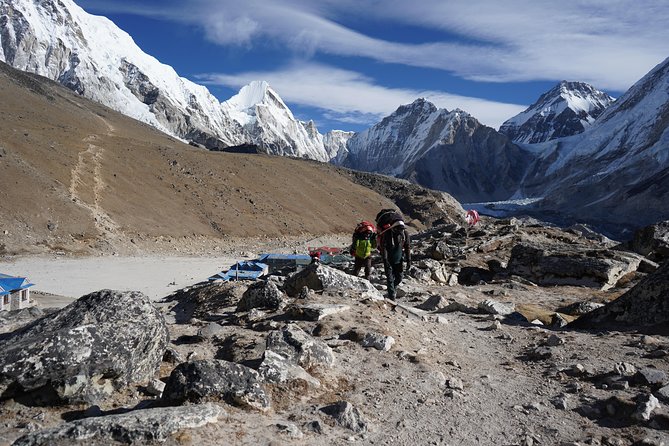
The big Base Camp day is a long one. You go from Lobuche up to Gorakshep, then check in, eat, and walk to Everest Base Camp (listed around 5,365 m). The trek to Gorakshep is described as nearly 12 hours and around 17 km, which means you’ll be on your feet for most of the day.
Then you add the Base Camp walk and the return to Gorakshep for the overnight. It’s a lot of time moving, which can be tough mentally if you think of Base Camp as a quick photo stop. Here, it’s a payoff after hours of steady walking.
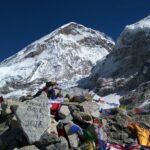
Once at Base Camp, you’ll be looking at the surrounding peak giants such as Nuptse, Khumbuste, and Pumori. And yes, it’s crowded with the reality of high mountains even if you’ve seen them before. This is the place where the trekking “story” turns into a real destination.
You’ll also sleep at Gorakshep, which is practical because it sets you up for the next day’s summit-style push at Kala Patthar. If you want the sunrise views people talk about, you’ll need rest more than you need extra snacks.
Kala Patthar at sunrise (5,555 m): the hardest morning that stays with you
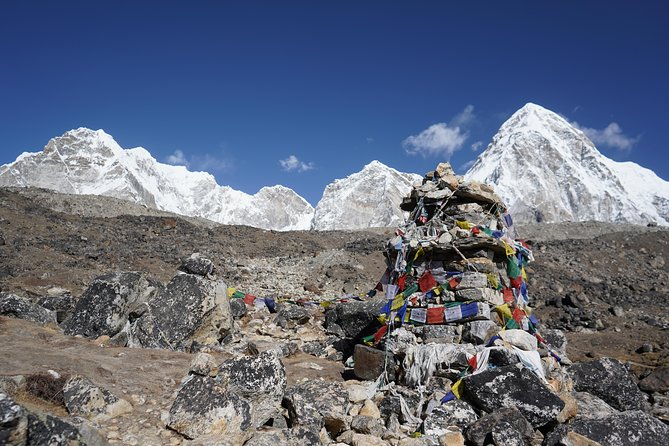
If you remember one day, make it this one.
You’ll wake early, head up to Kala Patthar at 5,555 m, and it’s described as about a 3-hour climb to the top. After time at the summit, you hike down to Pheriche for the night, passing through Gorakshep for lunch on the return.
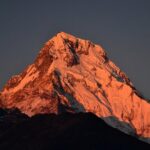
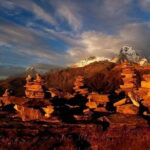
The payoff is the view: sunrise on snow-capped peaks above the Khumbu Glacier. This is the kind of sight that makes even experienced mountain hikers get quiet. You’re seeing Everest, but you’re also seeing how the whole region folds into layers of ridges and towers.
The climb is tough, and altitude fatigue can make each step feel heavier than it should. Your best strategy is steady breathing and slow movement. Don’t race others to the top. Treat it like a climb meant to conserve energy.
One practical note: this is a day where you can feel “I can do it” early on, then struggle near the middle. That’s normal. If you keep your pace smooth, you still get rewarded.
The descent back to Namche and Lukla: keep your knees happy
After the high points, the trek turns into a controlled descent. You head down through areas like Pangboche and Tengboche and continue to Namche Bazaar, arriving in the afternoon with an overnight at a guesthouse.
This return day is about using gravity without destroying your legs. A 7-hour descent is still tiring. Even if you feel relieved, your knees can get angry if you walk too fast.
Then the final trekking day brings you back to Lukla. The afternoon there is free, and the plan includes time to relax, enjoy a hot shower, and celebrate with your trek group in the evening with drinks and dancing at the end.
When you think about it, this matters. Most people finish Everest Base Camp emotionally, not just physically. Time in Lukla gives you space to process the climb and reflect on what you did.
The next step is flights back to Kathmandu. And because Lukla flights can be weather-sensitive, it’s smart to keep your schedule flexible and avoid tight international connections.
Safety, guide style, and how service shows up on weather days
You’re going to trust a guide with your day-by-day plan, altitude pacing, and safety decisions. This tour includes an experienced, English-speaking, government-licensed trekking guide, plus a porter setup and staff coverage for permits, insurance, equipment, domestic airfare, food, and accommodation.
What I like most is the operator’s focus on safety first. That’s the attitude you want in rural trekking zones where conditions change quickly. It also helps that the service includes real handling when flights get delayed. When weather disrupts Lukla plans, the operator can make arrangements so you’re not stuck guessing what happens next.
The trip is structured as a private activity, meaning you’re with your group rather than mixed with random strangers. That usually makes day pacing simpler and coordination smoother, especially for acclimatization and gear needs.
If you’re a first-time trekker, this kind of organized support is often the difference between enjoying the mountains and spending the trip stressed about logistics.
Who should book this trek (and who should pause)
This Everest Base Camp trek is listed as suitable for people with moderate physical fitness. That’s the right starting point, but understand what moderate means in real terms: you’ll be walking for many hours at altitude, with one major long day toward Base Camp and an early climb to Kala Patthar.
You’ll get a route that tries to be steady and well paced. But you should still be comfortable with the idea of heavy days, thin air, and some tougher terrain near the glacier approach.
This trek is best for you if:
- you want the classic Everest views, especially the Kala Patthar sunrise
- you enjoy structured acclimatization, not random “we’ll see how you feel” wandering
- you want teahouse life with included meals and a guide who manages the big picture
You might think twice if you’re looking for a low-effort vacation. This isn’t a stroll. It’s a serious altitude trek with real effort and real cold nights.
Also, pack your patience for weather. The plan is designed around flights from Lukla, and those can change.
Should you book this Everest Base Camp trek?
If you’re aiming for Everest Base Camp with a guided, meal-supported trek, good pacing, and the right acclimatization structure, this is a strong match. The value isn’t just the views. It’s the fact that flights, permits, guide leadership, porter help, and trek meals are built into the package, so you spend your energy on walking and adjusting, not scrambling.
I’d book if you feel good about putting in effort and following safety-focused guidance. I’d pause if you have a very tight flight schedule or you’re worried about altitude. Then add buffer time, and ask how they handle delays before you commit.
One last detail to notice: the closing note mentions Mardi Himal as well as Himalaya Sanctuary. That looks like a template slip in the text, not a change to your Everest plan. Still, it’s worth asking the operator to confirm the exact final-day wording with your booking.
FAQ
What’s included in the Everest Base Camp package price?
The package includes airport pickup and drop, a 3-star hotel in Kathmandu with breakfast, teahouse accommodation during the trek with breakfast, lunch, and dinner, a farewell dinner, domestic flights Kathmandu–Lukla–Kathmandu, Kathmandu Valley sightseeing by private vehicle, an experienced English-speaking government-licensed trekking guide, porter service (2 trekkers: 1 porter), and permits and government/local taxes.
What is not included?
Not included are alcoholic drinks, souvenir photos, Nepalese visa fees, excess baggage charges, extra night accommodation in Kathmandu if needed due to timing changes, lunch and evening meals in Kathmandu (or if you return early), entrance fees for sightseeing, travel and rescue insurance, phone calls, laundry, shower-related costs, bar bills, battery recharge, hot and cold drinks, extra porters, and tips for guide(s) and porter(s).
How many days is the trek?
It’s listed as about 15 days.
What are the highest points on the trek?
Kala Patthar is listed at 5,555 m, and Everest Base Camp is listed around 5,365 m.
Is this trek suitable for moderate fitness?
The trip notes say travelers should have a moderate physical fitness level.
How do the flights to and from Lukla work?
Domestic flights are included for Kathmandu–Lukla–Kathmandu. The tour also notes that flights can be delayed or canceled due to bad weather, and it recommends having 2 to 3 extra days at the end to reduce the risk of missed connections.
What kind of accommodation do you stay in during the trek?
You stay in teahouses during the trek. You also have guesthouse nights in places like Namche and Pheriche as described.
Are Kathmandu sightseeing entrance fees included?
Entrance fees for sightseeing are listed as not included.
Is cancellation free?
Yes. The policy states free cancellation, with a full refund if you cancel at least 24 hours before the experience’s start time.