REVIEW · POKHARA
6 Night 7 Days ABC Trek
Book on Viator →Operated by Swissa Adventure Travel & Treks · Bookable on Viator
ABC Trek is hard work that pays off. This 6-night route in the Annapurna Sanctuary puts you in the middle of giants, with views tied to peaks like Machhapuchchhre along the way.
What I like most is the way the itinerary builds height in stages. You start with a long but manageable walk, then you work up through Dobhan, Deurali, and MBC before heading to ABC at 4130 m. I also like the human side: guides such as Karna, Jaya, and Lila are described as calm, attentive, and flexible, with little touches like nightly fruit as an after-dinner snack.
One thing to think about: this trek is for people with moderate physical fitness. Some days are long, and altitude at higher stops can feel noticeable. Also, it depends on good weather, so you should be ready for a different date if skies don’t cooperate.
In This Review
- Key highlights worth knowing before you go
- Why Annapurna Sanctuary and its peak names matter (not just hype)
- Pokhara to Nayapul, then Ghandruk: Day 1 sets your pace
- Ghandruk to Chhomrong (2170 m): your first major village-to-mountain transition
- Dobhan, Deurali, and MBC (3700 m): where the trek starts asking questions
- Reaching ABC (4130 m): the day you came for
- Himalaya to Jhinu Danda (1780 m): big views, then relief
- Day 7: your return options from Jhinu Danda to Pokhara
- Guides, flexibility, and the private-group feel
- Price and logistics: what $580 really buys you
- Weather, pacing, and packing for this exact schedule
- Should you book the 6 Night 7 Days ABC Trek with Swissa Adventure Travel & Treks?
- FAQ
- How long is the ABC trek?
- Where do I start and end?
- What is the highest altitude on the route?
- Is this a private tour?
- What if weather is bad?
- What fitness level is needed?
Key highlights worth knowing before you go
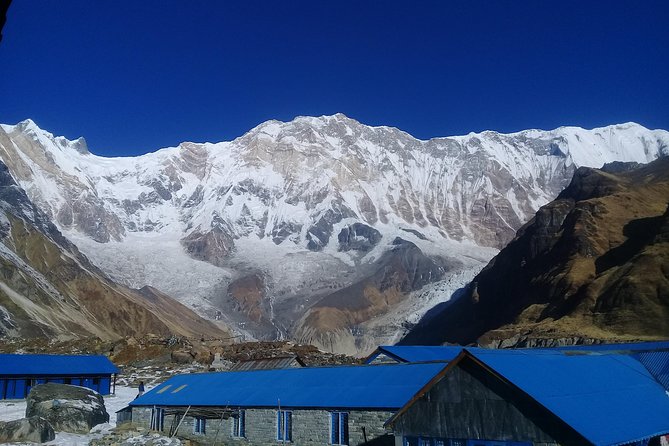
- Annapurna Sanctuary, one of the most famous trek corridors in the range, with big-peak views throughout
- A clear altitude progression: 2170 m to Dobhan (2600 m), Deurali/MBC (3700 m), then ABC (4130 m)
- Real village flavor on the route through Gurung and Magar communities
- Forest variety you actually walk through, from rhododendron to bamboo and alpine forest zones
- Your guide matters, and the guides tied to this experience are repeatedly praised for attentive support and flexible pacing
Why Annapurna Sanctuary and its peak names matter (not just hype)
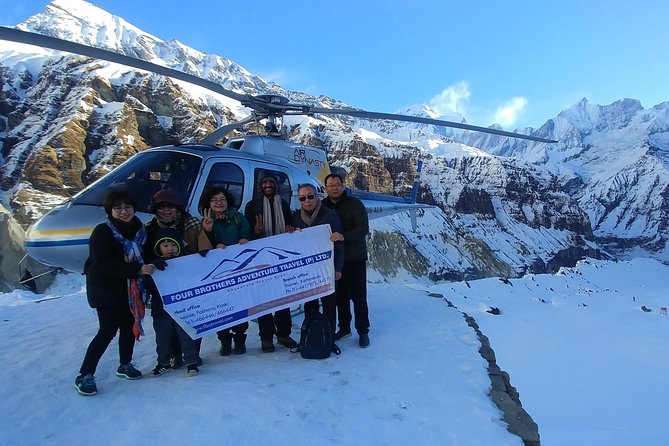
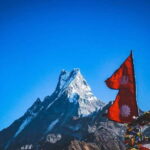
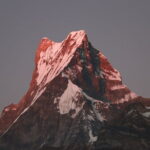
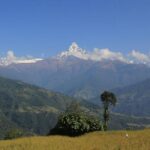
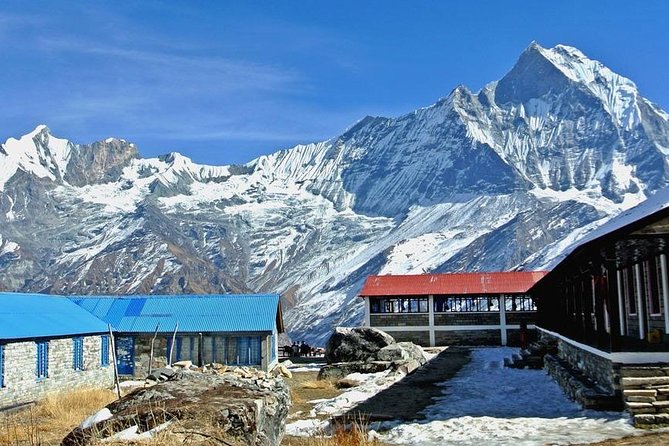
This is the classic ABC trek, aka the Annapurna Sanctuary Trek route, and it’s famous for a reason: the scenery is dominated by named peaks. Along the trek corridor you’re in range to see towering faces and ridgelines tied to Hiunchuli (6434 m), Annapurna South (7219 m), Annapurna I (8091 m), Gangapurna (7454 m), Annapurna III (7555 m), and Machhapuchchhre (6997 m)—the last one meaning fishtail.
Here’s the practical part: those names aren’t just trivia. They help you understand what you’re looking at when you’re tired and it’s easy to stare at the same slope for 40 minutes. A good guide can point out what peak you’re likely seeing from your current viewpoint, which turns the trek into a moving lesson instead of just effort.
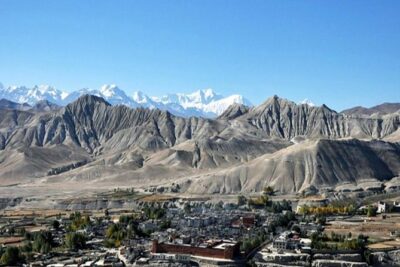
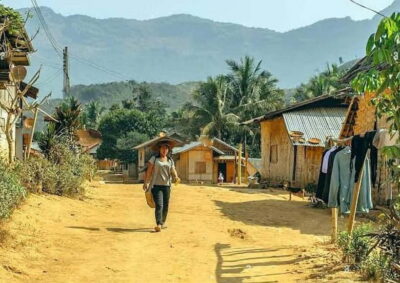
Another reason this route works is variety. You’re not only hiking uphill. You pass through Gurung and Magar villages, and you shift from lush rhododendron areas to bamboo and then toward more alpine forest feel as the altitude rises. That mix keeps the days from turning into one long grind.
If you like steady progress and you enjoy noticing details—stone walls, village rhythms, forest changes—this trek fits your style.
You can also read our reviews of more tours and experiences in Pokhara.
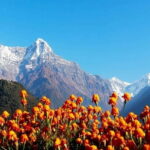
Pokhara to Nayapul, then Ghandruk: Day 1 sets your pace
Day 1 starts with a ~2-hour drive from Pokhara to Nayapul. That’s a helpful setup because it gets you out of city mode early without burning a full day before you even start climbing.
After the drive, your hike heads to Ghandruk, about a 5-hour walking day. Ghandruk is a big first-day checkpoint on this route because it’s far enough into the trek to feel real, but not so high that you’re immediately dealing with the hardest altitude.
What I like about this first day is the balance. You get:
- Enough hiking to settle into rhythm
- A clear destination to anchor the day
- Time to start paying attention to views and village scenery
What can trip people up is the first-day over-enthusiasm. When you leave the trailhead and the mountains look close, you might speed up. Don’t. Let your breathing guide you. Save your legs for the later days where the walking hours build and the air thins more.
Ghandruk to Chhomrong (2170 m): your first major village-to-mountain transition
Day 2 runs from Ghandruk to Chhomrong (listed at 2170 m) and takes about 4–5 hours. This is where the trek starts to feel like a true traverse through the Annapurna Himalayan range rather than just a scenic walk.
Chhomrong matters because it’s a transition point. You’ll leave behind the early rhythm and step into a zone where the route is more about sustained effort. The village scenery also tends to feel different here—more mountain-focused, with views that can make you stop more often.
A practical tip: plan your breaks. If you take short breaks too frequently, you can waste energy warming up and cooling down. If you skip breaks completely, you’ll suffer. The sweet spot is short pauses that help you drink water and reset your pace.
This day is also a good time to start your altitude habits. Even if you don’t feel high yet, your body is learning the new normal. Slow your steps and keep your posture relaxed. You’re building a routine for what comes next.
Dobhan, Deurali, and MBC (3700 m): where the trek starts asking questions
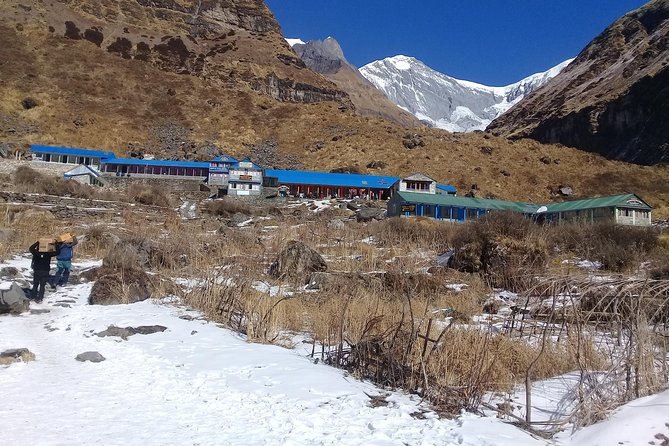
Day 3 goes from Chhomrong to Bambo to Dobhan, with Dobhan at 2600 m. It’s described as 4–5 hours to that higher stop. Then Day 4 pushes further: Dobhan to Deurali to MBC (3700 m) in about 5–6 hours walking.
This is the serious stretch. The names change, the altitude rises, and the air gets thinner enough that even a confident hiker starts checking their breathing.
Why this part of the trek is valuable: you’re not thrown from low country straight into the highest goal. The route stages your climb. You reach MBC at 3700 m before you go to ABC at 4130 m, which gives you time to settle into the climb and keep your energy for the final push.
A common mistake is treating MBC like a random stop. It’s not. Think of it like a checkpoint where you set yourself up for the summit-style feeling of the next day.
Also, keep an eye on how you feel rather than only how far you’ve walked. If you find your heart rate stays high on easy steps, that’s your cue to slow down and keep it steady. This trek is won by pacing, not bravery.
Reaching ABC (4130 m): the day you came for
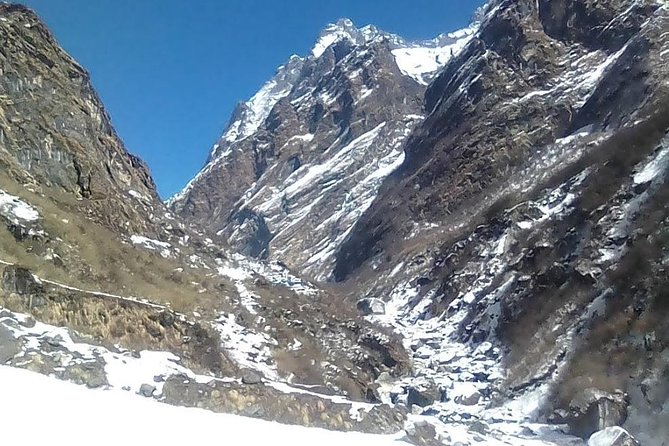
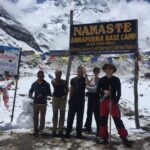
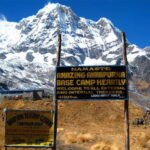
Day 5 is the headline: MBC to ABC (4130 m), with the itinerary also noting a return from ABC back to MBC, then continuing toward Deurali to Himalaya (2920 m).
That means you’re not only going up. You’re doing a round trip that still keeps your legs working after the thrill of arrival. This is a long-feeling day, even if each segment is logically planned.
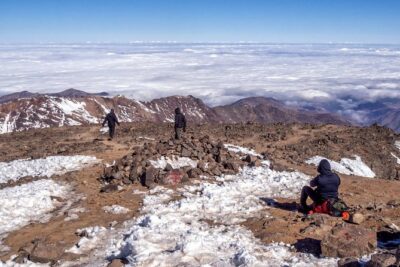
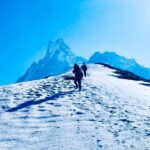
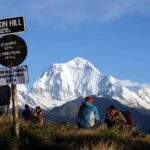
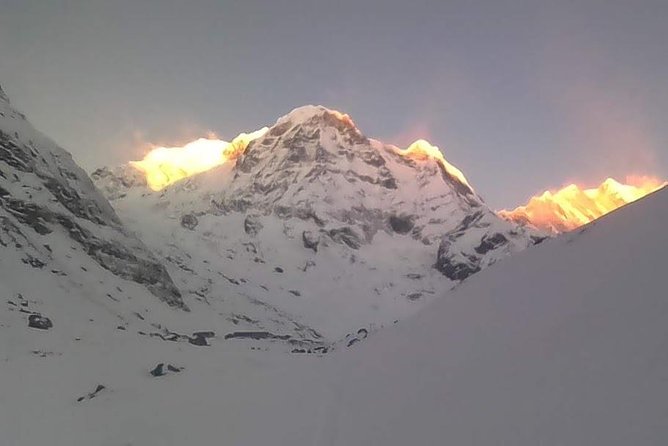
From a “what will I actually see” point of view, this is where the named peaks become real. ABC is positioned for panoramic views across the Annapurna massif. You’re in the right altitude zone to appreciate the scale of Annapurna I (8091 m) and the surrounding peaks listed on your route. When the weather cooperates, the whole area reads like a wall of mountains rather than a few distant shapes.
What I’d watch for: downhill fatigue. After being high, your legs can feel heavier on the return. Your best strategy is to keep your steps short and controlled, especially during the descent from ABC back toward MBC and then later down to Himalaya (2920 m).
This day is also emotionally satisfying because it closes the loop. You reach the destination, you return, and then you still get to move down—so you don’t end the trek feeling like you’re stuck at maximum altitude.
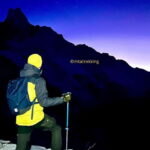
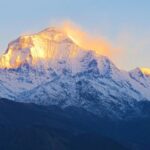
Himalaya to Jhinu Danda (1780 m): big views, then relief
Day 6 brings you from Himalaya to Chhomrong and then to Jhinu Danda (1780 m). The itinerary frames it as a longer moving day, but the payoff is clear: you’re descending to a much lower altitude than ABC.
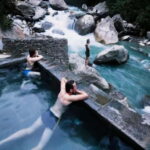
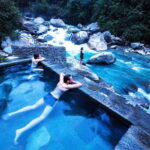
Jhinu Danda is where the trek shifts from mountain concentration to a more relaxed endgame. By the time you reach 1780 m, your body often feels like it can breathe normally again, even if your knees still want a polite apology.
Chhomrong appears again here, which is useful. You get to see how the route looks from a different angle as you head down. It also makes the day feel less like you’re repeating steps blindly and more like you’re completing a loop of the main trekking corridor.
Even on a descent day, don’t go too fast. Long downhills can be rough. Keep your weight centered, take careful steps, and use trekking poles if you have them.
Day 7: your return options from Jhinu Danda to Pokhara
Day 7 is a two-part kind of ending.
You’ll go from Jhinu Danda to Siwai, then drive back to Pokhara by zeep for about 4 hours. There’s also an alternate option: Jhinu Danda to Siwai by trek (about 5 hours), then drive 2 hours from Siwai to Nayapul and onward back to Pokhara.
This matters because you can match the last day to your energy and your weather. If you feel beat up, the drive option is a relief. If you want one last stretch of hiking and the trails feel manageable, the trekking option lets you finish with a bit more movement.
I also like that the trip ends back at the same meeting point. Starting and ending at Swissa Adventure Travel & Treks, Lakeside-6 in Pokhara keeps the logistics simple and reduces the chance of last-day surprises.
Guides, flexibility, and the private-group feel
This is a private experience. Only your group participates, which changes the tone on a trek. It means you’re not competing with strangers for pace, and you’re more likely to get real adjustments when someone needs a slower day or a shorter break.
Across the guides associated with this trek—Karna, Jaya, and Lila—the most praised traits are calm support and attentive check-ins. That shows up in small moments like carrying fruit up for the group and preparing it nightly as an after-dinner snack. Other descriptions highlight conversation, route confidence, patience on harder days, and flexibility in how the trek is planned.
Even if you don’t care about small comforts, the real value is decision-making in motion. A good guide can read the day: pacing, rest timing, and when to push versus when to conserve. That helps you finish feeling strong rather than just surviving.
The other practical advantage: the tour setup includes sherpa support tied to gear help before the trek. That kind of support can be a relief if you’re still sorting essentials when you arrive in Nepal.
Price and logistics: what $580 really buys you
The listed price is $580 for 6 nights / 7 days (approx.). On paper, that number can look either high or low depending on what you expect from an ABC trek.
Here’s what makes the value more understandable:
- You’re in a private group, which usually adds cost but saves time and stress
- The trek includes guiding and route management through a multi-day route with multiple altitude steps
- The location matters: starting and ending in Pokhara, with an operator at Lakeside-6, keeps the whole trip anchored in a real travel base rather than scattered meeting points
Also, your meeting point is specific: Swissa Adventure Travel & Treks, Nepal, Pokhara, Lakeside-6. It’s also described as near public transportation, which is handy the day you arrive or the evening before you depart.
One more note on the timing: the operator’s window is listed as 7:15 AM–7:45 PM, Monday through Sunday. That’s not the same as trek duration, but it does tell you the business runs on a real schedule, not just an always-on WhatsApp rumor.
If you want an ABC trek where the human piece is strong—guide attention, calm reassurance, and day-by-day flexibility—this price can feel fair. If you’re trying to run this trek ultra-budget with minimal guide support, you’ll likely find cheaper options elsewhere, but you may also lose some of that guidance quality.
Weather, pacing, and packing for this exact schedule
This trek requires good weather. That’s not a generic warning—it directly affects whether you’ll have mountain views during the ABC push. If conditions are poor, the experience may be offered on a different date or refunded.
Your pacing plan should match the itinerary structure:
- Day 1 and Day 2 are your rhythm builders
- Days 3 and 4 are your altitude work
- Day 5 is your destination day plus return plus further descent
- Day 6 is a reset day in altitude, not a free-for-all
- Day 7 is travel back to Pokhara, either by drive or a final hike segment
Packing-wise, the itinerary includes altitude up to 4130 m, plus cold-to-milder shifts as you descend to 1780 m by Day 6. Layers matter. Bring items that let you adjust when you’re climbing versus when you’re resting. Also, plan for dry days and damp moments on higher trails.
Finally, keep one simple rule: if you feel off, slow down and let the day come to you. This trek is long enough that a small pacing mistake early can turn into big fatigue later.
Should you book the 6 Night 7 Days ABC Trek with Swissa Adventure Travel & Treks?
I’d book this trek if you want the classic ABC experience with a private-group feel and you care about guide support. The route gives you the full Annapurna Sanctuary storyline: villages, forests, rising altitude, the ABC goal, then a controlled descent to Jhinu Danda. The emphasis on attentive guiding—seen in the way guides like Karna, Jaya, and Lila are described—adds real value on the days that feel hardest.
I would hesitate if you dislike uncertain weather plans or you’re not comfortable with moderate fitness demands over multiple long walking days. Also, if you need very predictable, low-stress days, remember Day 5 includes the ABC push and a return segment that keeps your schedule active.
If you match that vibe—patient hiker, scenery lover, and someone who appreciates good guidance—this is a strong ABC choice.
FAQ
How long is the ABC trek?
The trek runs for 7 days (about 6 nights), moving from Pokhara to the Annapurna Sanctuary route and back.
Where do I start and end?
You start and end at Swissa Adventure Travel & Treks, Nepal, Pokhara (Lakeside-6). The activity ends back at the same meeting point.
What is the highest altitude on the route?
The itinerary lists Annapurna Base Camp (ABC) at 4130 m.
Is this a private tour?
Yes. It’s listed as a private tour/activity, so only your group participates.
What if weather is bad?
The trek requires good weather. If it’s canceled due to poor weather, you’ll be offered a different date or a full refund.
What fitness level is needed?
You should have a moderate physical fitness level.