REVIEW · HA GIANG
Ha Giang (Vietnam), Trekking Full Day Tour
Book on Viator →Operated by Dragon Team Tour · Bookable on Viator
One day, and the garden life is right there. This Ha Giang trekking tour strings together forest paths, fruit gardens, and close-up views of daily farm life, so the countryside feels personal instead of staged. I especially liked the hands-on gardening with local ethnic families and the chance to learn and cook the region’s five-color sticky rice, then eat what you make.
Your main consideration is simple: you’re not just sightseeing. You’ll walk through outdoor areas and do real garden work, so bring sturdy shoes and expect a warm, active day.
In This Review
- Key things to know before you go
- Ha Giang Full-Day Trek: what makes it different
- Getting started at 8:30 and where you meet
- Forest paths and timber trees: seeing land use up close
- Fruit gardens and the variety of local crops
- Near the houses: corn fields, sweet potatoes, and daily life
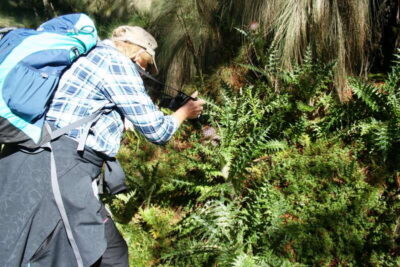
- Gardening with the locals: the hands-on part that sticks
- Cooking five-color sticky rice: learning and eating what you make
- Meals and the included overnight room
- Bicycle loan for free: add city time when you want it
- Price and value: why $49 can work here
- Who this Ha Giang tour suits best
- Quick booking checklist (so your day goes smoothly)
- Should you book this Ha Giang trekking and cooking day?
- FAQ
- How long is the Ha Giang trekking full-day tour?
- What time does the tour start, and where is the meeting point?
- What’s included in the price?
- Is transportation to and from Ha Giang included?
- How many travelers are on the tour?
- Can I borrow a bicycle during the experience?
Key things to know before you go
- Small-group size (up to 8 travelers) keeps the day friendly and easier to ask questions.
- Forest-to-fruit garden route gives you a quick sense of how timber, produce, and homes connect.
- Gardening with local families is the heart of the experience, not a photo-op.
- Five-color sticky rice cooking class ends with a meal you actually made.
- Bicycles are loaned for free if you want to add a little city time.
Ha Giang Full-Day Trek: what makes it different
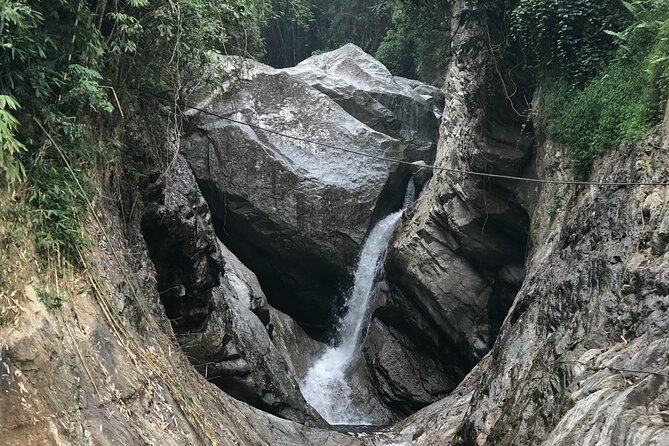
Ha Giang has a way of making people chase roads and overlooks. This tour takes a different angle. You’ll spend the day moving through working land: timber trees grown by locals, fruit gardens with familiar and unusual crops, and fields that sit right near the houses. The result is a day that feels grounded in real routines.
What I found most satisfying is the mix of settings. You get forest shade, then brighter fruit gardens, then the daily-life backdrop of corn and sweet potato fields. It’s not “one view” over and over. It’s a chain of places, each one teaching you something slightly new.
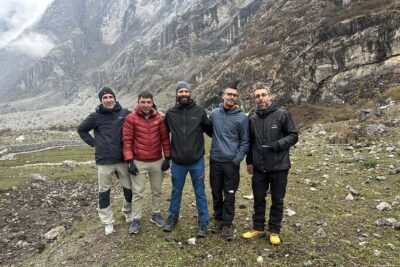
And because the group is capped at 8, the day doesn’t feel crowded. In recent trips, the vibe was welcoming and safe, with guides like Vangh and Beeng described as friendly and organized, and a driver like Duc noted for keeping everything steady. (Your exact guide and driver can vary, but you can reasonably expect that personal attention matters here.)
You can also read our reviews of more tours and experiences in Ha Giang.


Getting started at 8:30 and where you meet
You start at 8:30am at 91 Quyết Thắng, Ngọc Hà, Hà Giang, Vietnam. The tour ends back at the same meeting point, so you’re not dealing with complicated drop-offs.
Why this matters: meeting at one central spot reduces stress. In a day trek, small frictions add up. Clear start/end logistics let you focus on the land route and the people you’ll be working with.
You’ll also get a mobile ticket, which is usually easy on the day-of. If you’re the kind of traveler who likes to travel light, this is one less thing to manage.
Forest paths and timber trees: seeing land use up close
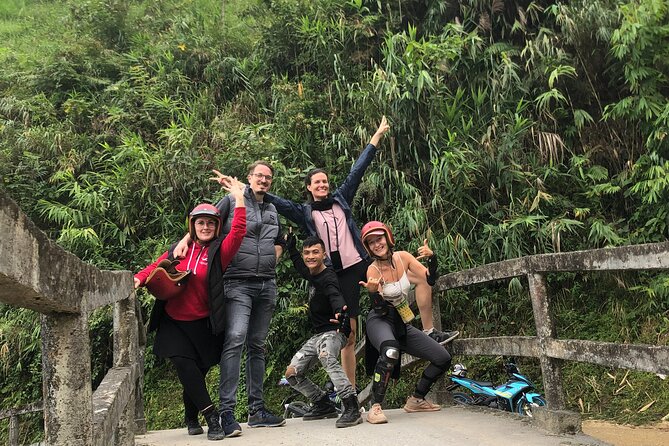
The day begins with a walk through the forest area where locals grow timber trees. This is one of those details that changes how you see the region. Instead of just thinking of “forest” as scenery, you start noticing how land is managed for livelihoods.
What you’ll likely notice on the ground is how the path and vegetation work together. Forest edges often feel cooler, and the shade can make the walking more comfortable, especially in the morning. It’s also a helpful mental warm-up: by the time you reach the fruit gardens, you already understand the tour isn’t random. It’s a sequence built around local production.
Practical tip: wear shoes with grip. Timber-growing areas can mean uneven soil, roots, and mixed footing. Even if the walking isn’t extreme, you’ll want confidence with every step.
Fruit gardens and the variety of local crops

Next comes the fruit garden circuit. You’ll pass through orchards and plots where you can see crops like guava, custard apple, banana, dragon fruit, jackfruit, plum, and more. It’s a fun mix because some fruits feel familiar and others feel like you’d only see them in a market.
More importantly, you’re not just looking. You’re walking in the same agricultural world locals rely on. Seeing plants growing on-site helps you understand what people actually eat, sell, or prepare for family use. It also makes the later cooking class feel earned, not random.
This part is also where the colors show up. Even when you’re not hunting photos, you’ll likely find yourself slowing down to really look at leaves, fruit shapes, and how plants are spaced. That’s the kind of “small learning” that turns a tour into a story you can tell later.
Near the houses: corn fields, sweet potatoes, and daily life
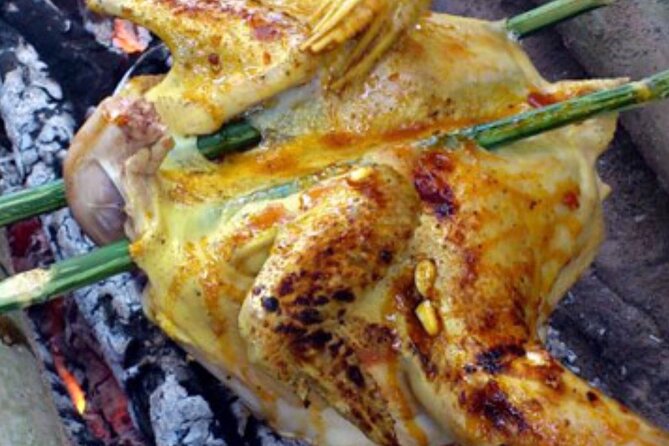
After the gardens, the route goes closer to homes. This is where the tour becomes more about people than plants. You’ll see corn fields and sweet potato fields, and you’ll get views into daily life as it happens around the houses.
I like this section because it’s honest and practical. There’s no need to guess what rural life looks like. The tour nudges you to pay attention to routine: where crops grow, how land sits around living spaces, and how families use their environment.
One drawback to keep in mind: the closeness to daily life means you should act politely and quietly. This isn’t a theme park. If someone is working, give them space. If you’re invited to interact, follow the guide’s cues and keep your attention on the moment, not on filming everything.

Gardening with the locals: the hands-on part that sticks
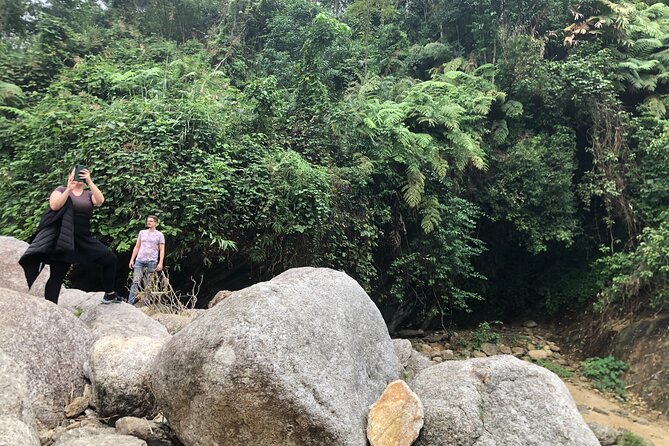
The tour includes working with locals in their garden. This is the signature activity, and it’s where you’ll likely feel the biggest shift from tourist mode to participant mode.
Why this matters: doing garden work makes the day memorable in a way that watching doesn’t. You learn the effort behind simple-looking produce. You also learn context faster, because you’re standing where the work happens.
How to approach it:
- Bring a flexible, good-attitude mindset. Some tasks may be more physical than you expect.
- Ask what you can do safely and respectfully.
- Don’t rush. The goal isn’t finishing work fast. It’s learning and helping.
In recent experiences, the hosts were described as kind and always there to help, which is exactly what you want when you’re trying something new. If you’re traveling solo, this kind of guided interaction can also be a nice way to connect with locals without awkwardness.
Cooking five-color sticky rice: learning and eating what you make
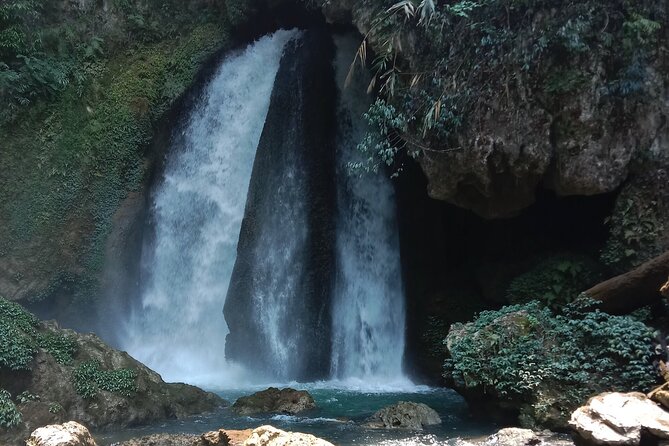
The day ends with a cooking class focused on five-color sticky rice. You’ll participate in the class, then eat the dish you prepare.
This is a strong choice for a tour like this because it bridges the whole day. Earlier, you saw fruit gardens and farm life. Then, you learn a cultural food that ties into how people think about ingredients, color, and tradition.
A detail worth highlighting: the tour includes lunch and also later meals (dinner and breakfast are listed among the included items). That means your day is planned around more than one meal, so you can stay focused on the experience instead of searching for food between stops.
Practical note: cooking sessions can mean a bit of time near hot or steamy areas. Wear clothes you’re okay getting a little dusty or warm. And if you have dietary needs, you’ll want to ask before the cooking starts, since the ingredients are part of the class format.
Meals and the included overnight room
Included meals list breakfast, lunch, and dinner, plus an overnight room. The overall duration is about 9 hours 30 minutes, so the overnight piece suggests the experience is more than just a simple leave-and-return day for everyone.
How I’d think about it as a traveler: plan for a full-day schedule that may carry into rest time after the main activities. In other words, don’t schedule a long travel day the same night unless your provider confirms the exact flow for your dates.
The value here is real. A $49 price with multiple meals handled is easier to justify than many sightseeing-only tours where you end up paying separately for lunch, drinks, and snacks.
Bicycle loan for free: add city time when you want it
One neat bonus: borrow bicycles for free to visit the city.
This is a smart add-on because it gives you choice. If your legs are tired after the farm work and walking, you can still get outside and do a little exploring at your own pace. If you feel energetic, bicycles let you stretch your time beyond the trekking route without booking another activity.
Practical tip: use the bike time for low-stress errands and short loops. This is not the moment to attempt anything risky or far-reaching. Keep it simple, enjoy the change of scenery, and then rest.
Price and value: why $49 can work here
At $49 per person, this tour is priced to be approachable. On its face, it’s “only” a full-day trek. But the value comes from the combination of what’s included and what you actually do:
- You get multiple meals (lunch plus dinner and breakfast listed).
- You get garden work and a cooking class rather than just walking viewpoints.
- The group size is small, up to 8 travelers, which usually means less waiting around.
- The provider includes an overnight room, which is a big cost saver if you’re staying in the area anyway.
Two trade-offs to consider:
- Bus tickets to Ha Giang and back are not included. You’ll need to arrange your own transportation timing before and after the tour.
- This is an outdoors-and-activity day. If your ideal travel day is mostly air-conditioned comfort, this won’t match that mood.
For the right traveler though, it’s strong value: you’re paying for interaction, not just transportation.
Who this Ha Giang tour suits best
This tour fits best if you like travel that feels like work in a good way. You’ll enjoy it more if you:
- want a smaller, more personal group experience
- enjoy meeting people and learning through doing
- like food culture, especially learning by cooking
- are comfortable walking and spending time outdoors
It’s also a good option for couples or solo travelers who want intimacy without having to book a private guide. In recent trips, the group size and welcoming atmosphere were called out as part of what made the experience special.
If you prefer untouched wildlife hikes with long dramatic viewpoints, you might find this tour’s focus more practical and local. But if you want to understand how Ha Giang families grow, cook, and live, that’s exactly where this shines.
Quick booking checklist (so your day goes smoothly)
Before you go, I’d think about these practical points:
- Wear sturdy shoes for uneven paths and garden tasks.
- Dress in breathable layers for sun and warm weather.
- Bring a reusable water bottle, even though bottled water is included.
- If you’re planning your arrival and departure, remember bus tickets aren’t included in either direction.
Also, since the end returns to the meeting point, you don’t have to scramble for the last link in the chain. Just plan your onward travel with a little buffer.
Should you book this Ha Giang trekking and cooking day?
I’d book this if you want a Ha Giang experience that’s more than scenery. The forest-to-fruit-garden route, the corn and sweet potato fields near homes, the real gardening work with local families, and the five-color sticky rice cooking class create a full story in one day.
I would hesitate only if you don’t want physical participation or you hate the idea of spending long stretches outdoors. Also, make sure your transportation plan covers getting to Ha Giang before the tour and leaving after the loop ends, since that part isn’t included.
If you want a small-group day that feels human and hands-on, this one is worth your time.
FAQ
How long is the Ha Giang trekking full-day tour?
It’s approximately 9 hours 30 minutes.
What time does the tour start, and where is the meeting point?
The start time is 8:30am. You meet at 91 Quyết Thắng, Ngọc Hà, Hà Giang, Vietnam, and the tour ends back at the same meeting point.
What’s included in the price?
Included items are breakfast, lunch, dinner, bottled water, an overnight room, and the activities described. The tour also uses a mobile ticket.
Is transportation to and from Ha Giang included?
No. Bus tickets to Ha Giang before the tour and leaving Ha Giang after the loop end are not included.
How many travelers are on the tour?
The tour has a maximum of 8 travelers.
Can I borrow a bicycle during the experience?
Yes. Bicycles are available to borrow for free to visit the city.