REVIEW · ANNAPURNA MASSIF
Pokhara: 2 & 3 Days Ghorepani Poon Hill Private Guided Trek
Book on GetYourGuide →Operated by Welcome Nepal Treks P.Ltd · Bookable on GetYourGuide
That first pre-dawn climb sets the tone for Nepal. You’re signing up for a 2–3 day Poon Hill trek with a sunrise hike, mountain-cottage sleeping, and private jeep transport from Pokhara. I also love how the route packs in classic Annapurna-region villages (Gurung culture included) without turning your vacation into a logistics project. One watch-out: the sunrise depends on clear skies, and the stairs can feel tougher than the word easy suggests.
A big part of the value here is the human layer. Guides like Dhanapati and Tanka go beyond route-finding with local context and thoughtful pace-checking, and Tanka even reportedly woke up at 2 a.m. to check weather before your sunrise plan. If you want a short trek where you still feel cared for, this one delivers.
The other practical consideration is altitude and timing. You’ll move from Ulleri around 2,070m up to Ghorepani at 2,860m, then reach Poon Hill at 3,210m, so plan for slower steps and early starts even if the distance is manageable.
In This Review
- Key Highlights You’ll Actually Remember
- Why This 2–3 Day Poon Hill Trek Hits So Hard
- Private Jeep Transfers From Pokhara: Less Waiting, More Trek Time
- Day 1: Pokhara to Ulleri (and the Big Stair Moment)
- Day 2 (2-Day Option): Ulleri to Ghorepani for a Cottage Night
- Day 2–3 (3-Day Option): Ulleri to Ghorepani at a Slower, Smoother Pace
- Sunrise at Poon Hill: How to Make the Pre-Dawn Work
- Bhara Shikhar Peak-Spotting: The Fun Part You Can Prepare For
- Ghorepani Meals and Mountain Lodges: Where the Trip Stays Comfortable
- What the Trek Feels Like: Easy, Short, and Still Not a Walk in the Park
- Price and Value: Is $118 Reasonable for What You Get?
- Who Should Book This Poon Hill Trek (and Who Might Skip It)
- Should You Book? My Quick Decision Guide
- FAQ
- How long is the Poon Hill trek?
- Where does the trek start from?
- Do I need to carry permits for the trek?
- What’s included for meals and where do I sleep?
- Is a guide included, and what language do they speak?
- What should I bring for the hike?
- Is the trek difficult?
- What’s the highest point you reach?
- Is this trek suitable for everyone?
Key Highlights You’ll Actually Remember
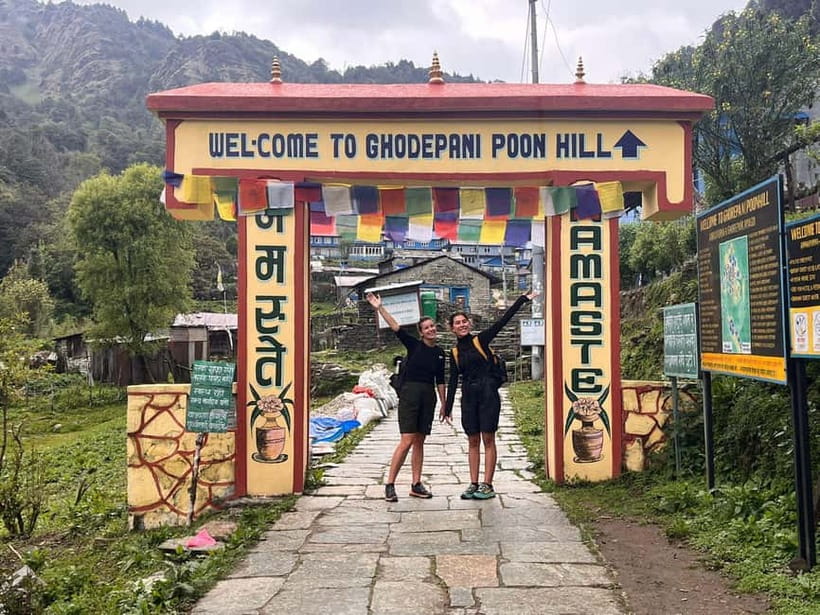
- Poon Hill sunrise views at about 3,210m with a big “peaks you can spot” payoff on clear mornings
- Short trek, real overnight in a mountain cottage with meals on the route
- Private jeep transfers that cut down hassle and help you start trekking earlier
- Ghorepani and Ulleri village feel, including Gurung culture in Ulleri
- Bhara Shikhar peak spotting on clear days, with references to 12 peaks visible
- Guides who adjust on the fly, including pace checks and extra photo help (and even weather checks)
Why This 2–3 Day Poon Hill Trek Hits So Hard
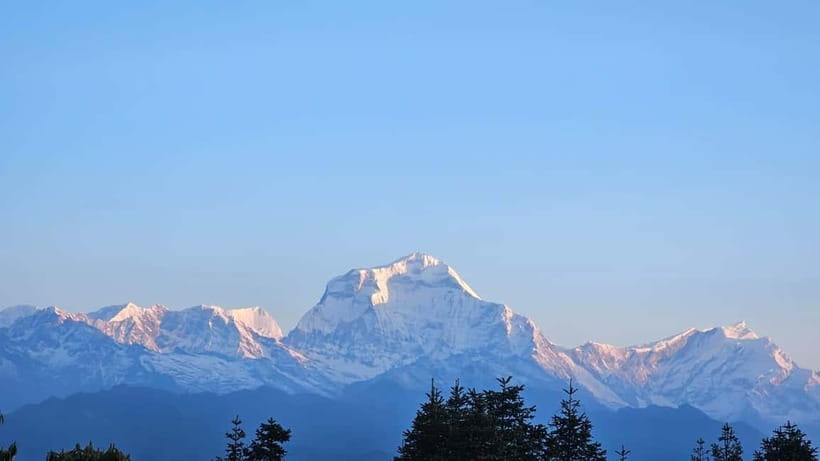
Poon Hill is famous for a reason. Even on a short schedule, you get that classic Himalaya moment: cold air, early headlamps, then color spreading across the peaks.
What makes this trek work is the structure. You’re not hiking for days just to “earn” the view. You reach the high viewpoint, enjoy sunrise, and then descend while the rest of your vacation life still feels intact.
The second reason I like this format is how it balances effort. The climb includes plenty of steps, but it’s spread out with village stops and set meal points, so you’re not constantly guessing what comes next.
And yes, guides matter here. Reviews repeatedly point to guides such as Tanka and Dhanapati for pacing, encouragement, and local knowledge. If you’re trekking on limited time, having someone who manages timing and route choices can make the whole thing feel smoother.
You can also read our reviews of more tours and experiences in Annapurna Massif.
Private Jeep Transfers From Pokhara: Less Waiting, More Trek Time
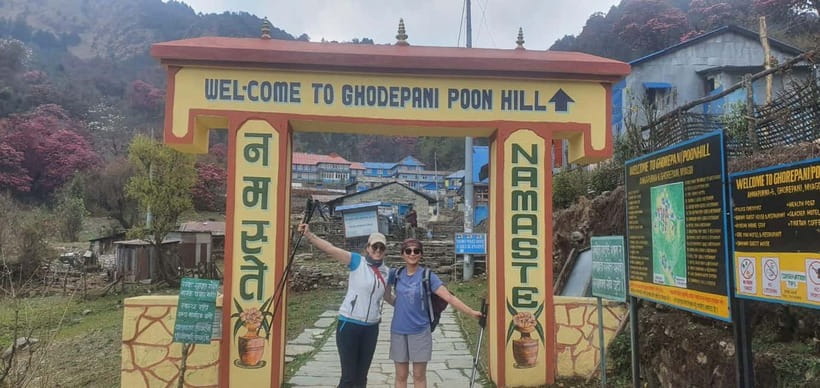
You start with transport, and it’s the kind that affects the whole day. You’ll be picked up in Pokhara and then travel to the trailhead area by private jeep.
One plan can be longer, depending on where you stop for viewpoint breaks and road conditions, and you should expect the drive to take roughly 2–4 hours to reach Upper Ulleari. Another plan includes a scenic Pokhara to Nayapul drive of about one hour, followed by the classic climb toward Ulleri.
Either way, this setup is practical. You’re not trying to stitch together buses, timetables, and trail connections while your legs are already warming up. You’re also less likely to waste half a day on transit and confusion.
There’s also a reality check. A bumpy ride is part of the experience, and one review mentioned a car that felt rough but was handled by a driver who knew the area. So: bring a calm face, hold your pack tight, and look out the window when you can.
Day 1: Pokhara to Ulleri (and the Big Stair Moment)
On the shorter version of the itinerary, day one begins with travel from Pokhara toward Nayapul, then into the trekking climb. You’ll move along a riverside route and through terraced fields before tackling the famous stone staircase up to Ulleri (2,070m).
Ulleri is more than just a stop. It’s a village with traditional Gurung culture, and that matters because it changes the feel of the trek from “walking to a viewpoint” into something more human. You’re likely to see everyday village life, local eateries, and the rhythm of a mountain community that’s used to hikers passing through.
What makes this day special is the way it sets your body up. Your first hours are a mix of gentle terrain and then a stair section that gets your heart rate up fast. If you arrive in Nepal with jet lag, the stairs can feel like they’ve been waiting for you.
A small tip from how people describe the trip: walking poles can be a big help. One review called out that even though the trek is labeled easy, the number of steps makes it harder work, especially if altitude is new to you.
Day 2 (2-Day Option): Ulleri to Ghorepani for a Cottage Night
The 2-day version keeps the pace focused. After breakfast, you start climbing toward Ghorepani (2,860m) through rhododendron forests and oak-covered hills.
This middle day is where you earn the sunrise. The trail gradually opens up views of the Annapurna and Dhaulagiri ranges as you gain elevation, and you finish the day in a mountain village where the air feels crisp and the surroundings do the talking.
You’ll typically reach Ghorepani in about five to six hours of trekking. Then you settle into a cottage, eat dinner, and recharge for an early wake-up.
Cottage nights are part of why this trek is worth doing. You’re not just rushing. You’re spending real time at a high village altitude where the evenings feel quiet and remote. If you’re hoping for a “short trek with the full mountain experience,” this is the part that delivers.
Day 2–3 (3-Day Option): Ulleri to Ghorepani at a Slower, Smoother Pace
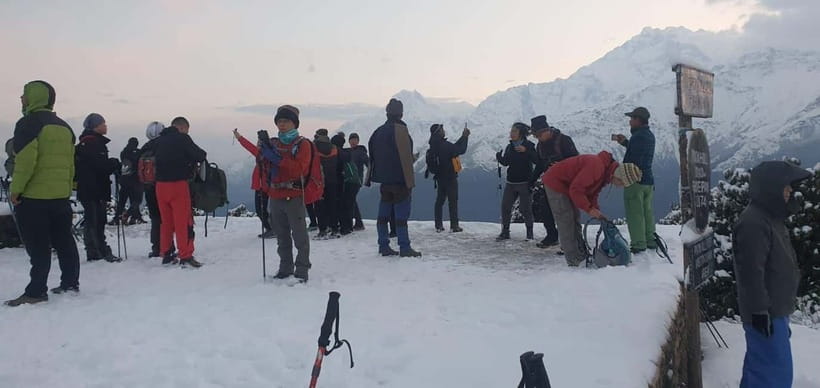
If you choose the longer schedule, the structure changes slightly. You’ll still trek from Ulleri to Ghorepani the same way, and you still spend the night around the same 2,860m elevation zone.
The added benefit is pacing. A longer itinerary gives you more time for the trail to “settle” into your day. Instead of feeling like you’re sprinting toward sunrise and sprinting back down, you get a little more cushion for photos, tea breaks, and stopping when your legs need a reset.
By late afternoon you’ll arrive at Ghorepani, then overnight in a lodge setting. From there, day three is your sunrise push and your longer descent later.
Sunrise at Poon Hill: How to Make the Pre-Dawn Work
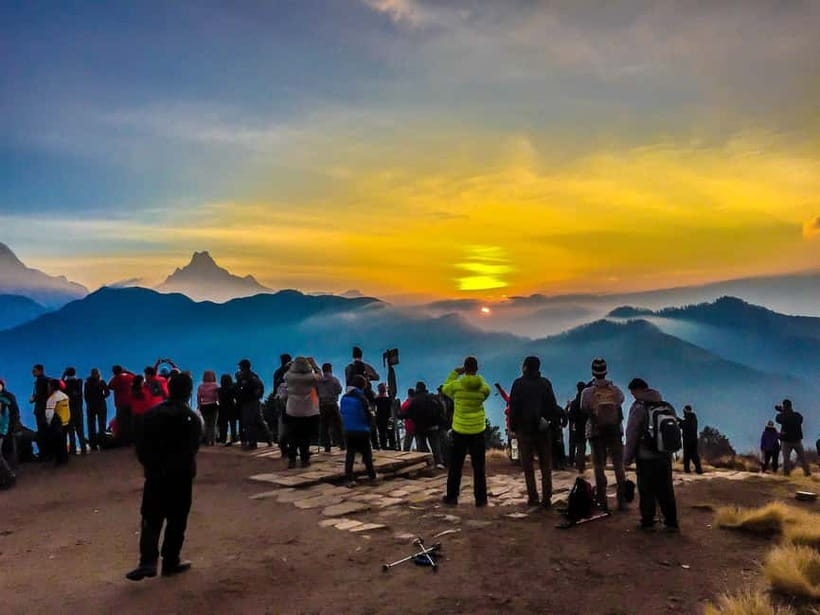
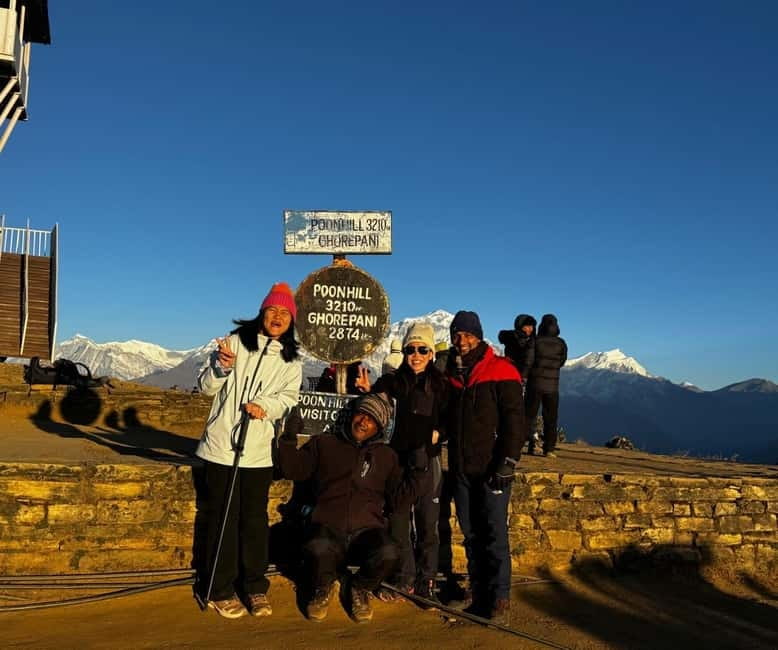
The main event is the early hike to Poon Hill (3,210m). On the 2-day version, the hike to the viewpoint is short but intense, around 45–60 minutes before sunrise.
On the 3-day version, the sunrise hike is longer, about two to three hours to reach Poon Hill. That difference matters because it changes how you handle energy. The shorter option can feel quick in a way that forces you to focus; the longer option lets you warm up more gradually.
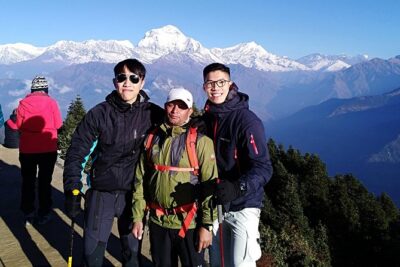
Either way, the payoff is the view. On clear mornings, you can see up to 32 peaks, including 12 peaks of the Bhara Shikhar. You’ll also get the classic highlight names people talk about: Annapurna, Dhaulagiri, and Machhapuchhre, often mentioned alongside the surrounding ridgelines.
Even if you don’t see every peak, the sunrise itself is still the point. Those colors and the way the light hits snow-covered peaks can turn a short trek into a memory that lasts longer than you expect.
A very practical note: you’ll return to camp for hot breakfast before heading down. That means your body isn’t left hanging. You’re not just hunting sunrise and then figuring out what to do next.
Bhara Shikhar Peak-Spotting: The Fun Part You Can Prepare For
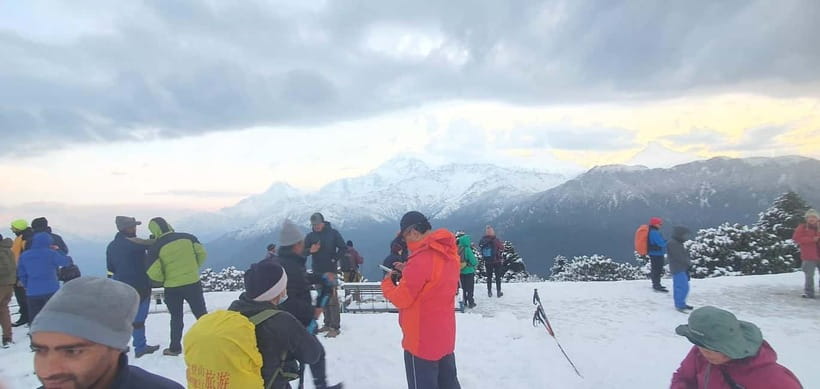
One of the fun details with this trek is the idea of spotting the Bhara Shikhar set of peaks. The information you’re given indicates that on clear days you can see 12 peaks tied to Bhara Shikhar.
If you’re the type who likes a challenge, treat it like a quick peak-spotting game. Your guide can help connect what you’re seeing to what the range offers. Several guides in past experiences are described as explaining mountains and geography, so don’t be shy about asking what you’re looking at.
Also, if the sky is hazy, you’ll still get a good experience. Sunrise mornings can shift minute to minute. Don’t plan your mood around perfect weather, because mountains don’t care about our schedules.
Ghorepani Meals and Mountain Lodges: Where the Trip Stays Comfortable
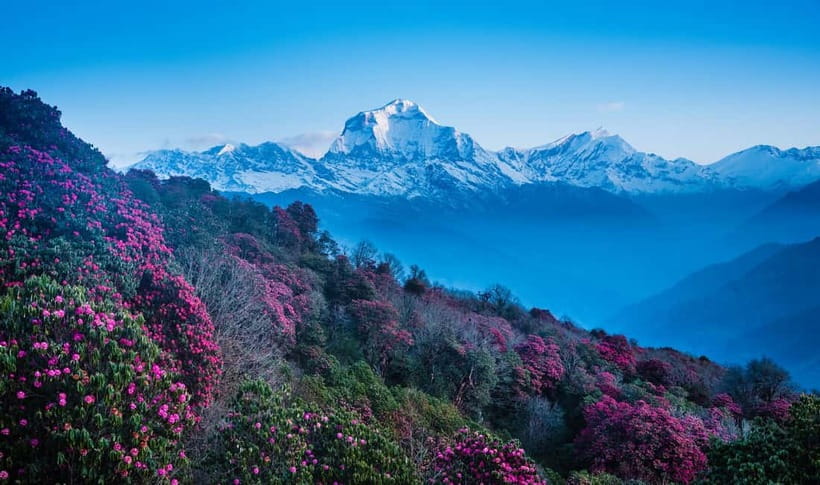
Food here isn’t just “fuel.” It’s part of the daily rhythm. You’ll have breakfast, lunch, and dinner during the trek, and you’ll likely have plenty of tea stops along the way as you pass lodges.
What I like about the setup is that meals happen naturally within the hiking day. That means you don’t need to negotiate schedules for food. You also don’t end up hiking while hungry because a plan didn’t include a realistic refuel point.
Accommodation is usually in a mountain cottage or lodge, depending on the version you choose. Reviews describe accommodations as clean and comfortable, including cases with attached bathrooms. Vegetarian options can be available too, which is a big practical win for many people.
Still, don’t expect hotel-style comforts. The setting is high and rural. What you’re paying for is the location and the experience, not luxury towels. Bring the right attitude and you’ll enjoy it more.
What the Trek Feels Like: Easy, Short, and Still Not a Walk in the Park
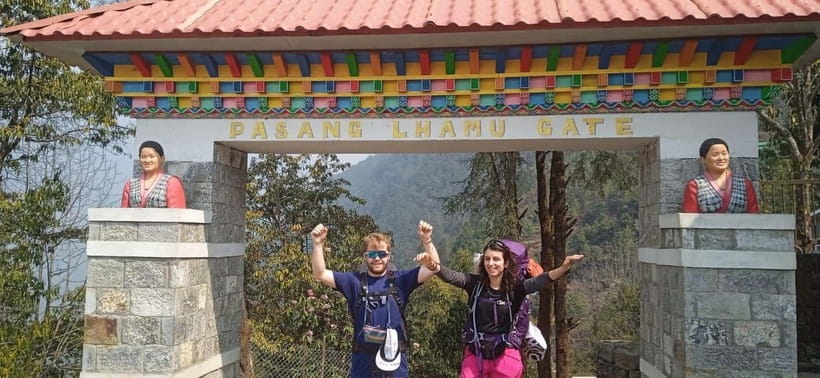
This trek is often described as easy and short, and the route is definitely built for limited-time schedules. But your body can still get a surprise.
One review called out that it was hard work due to a lot of stone steps, even though it was labeled easy. Another mentioned altitude making it harder, despite feeling fit.
So here’s how I’d frame it for you: this is a trek for people with normal hiking fitness who can tolerate stairs and early mornings. If you can walk briskly for 20–60 minutes at a time, take breaks, and keep moving, you’ll be in the right zone.
Your guide plays a real role. Guides like Tanka and Shiva are mentioned as adjusting pace to physical condition, which is huge if you’re not used to trekking or if your altitude tolerance is unknown.
If you have any heart or medical concerns, tell the guide ahead of time and be honest about your limits. One experience included a guide taking heart conditions seriously and adjusting speed accordingly. That kind of care can be the difference between a tough day and a good one.
Price and Value: Is $118 Reasonable for What You Get?
At $118 per person for a 2–3 day private guided experience, the value comes from the mix of services included.
You’re not only buying a route. You’re getting:
- Jeep transfer between Pokhara and the trail areas
- Meals during the trek (breakfast/lunch/dinner as included, depending on option)
- One night accommodation as part of the trek package
- Professional English-speaking guide
- Paperwork handled for trekking access, including TIMS and conservation entry permits
- Basic safety and practical gear support like a first-aid kit and water purification tablets
When people feel this trek is worth it, it’s usually because the logistics are handled and the guide adds meaning. Reviews highlighted guides who took photo help seriously and even did early weather checks. That kind of effort turns a basic sunrise hike into something more personal.
One cost note: hot/cold/alcoholic drinks are listed as not included. So plan to spend extra on hydration add-ons and snacks beyond what’s included. If you’re traveling with a tight budget, stick to water and the provided meals.
Also, porter support depends on the selected option (all-inclusive vs budget). If you want less carrying, look for the option that includes a porter.
Who Should Book This Poon Hill Trek (and Who Might Skip It)
This trek is a great match if you:
- Have limited time and want a short trek with an overnight
- Want Himalaya sunrise without a multi-week commitment
- Prefer a private guided experience with English support
- Like villages and culture, not only viewpoints
It’s also suitable for beginners with regular fitness, as long as you can handle stairs. One review said the hike was achievable for beginner hikers, and another said it was doable for people without tons of trekking experience.
You might consider skipping it if you have mobility impairments or you’re pregnant. Those are listed as not suitable for this activity.
Should You Book? My Quick Decision Guide
Book this trek if your priority is sunrise at Poon Hill plus a realistic, well-run route from Pokhara. The included guide, permits, meals, and jeep transport are the kind of “invisible help” that keeps the trip enjoyable instead of stressful.
Don’t book it if you hate early mornings or if you’re expecting a flat, leisurely walk. The steps and altitude can make it feel harder than the label easy suggests.
If you want the best odds for a view, plan for a flexible mindset. Clear skies are the dream, but the mountains are the boss. When you arrive, lean on your guide for timing and mountain explanations, and treat the hike as the start of the experience, not just the route to the top.
FAQ
How long is the Poon Hill trek?
The experience runs for 2 or 3 days, depending on the option you choose.
Where does the trek start from?
You’ll start from the Pokhara area with pickup in Pokhara and then travel by private jeep toward the trail region.
Do I need to carry permits for the trek?
No. The package includes handling of required paper work, including TIMS and conservation entry permits.
What’s included for meals and where do I sleep?
Meals are included during the trekking days (breakfast, lunch, and dinner), and you’ll have one night of accommodation in a mountain cottage/lodge setting.
Is a guide included, and what language do they speak?
Yes, you get a live tour guide who speaks English.
What should I bring for the hike?
Bring passport or ID card, comfortable shoes, hiking shoes, a daypack, water, and snacks.
Is the trek difficult?
It’s often described as an easy, short trek, but expect lots of steps and altitude effects. If you can hike steadily and take breaks, you’re likely a good fit.
What’s the highest point you reach?
You’ll hike to Poon Hill at about 3,210 meters.
Is this trek suitable for everyone?
No. It’s listed as not suitable for pregnant women and people with mobility impairments.