REVIEW · NAYA PUL
Pokhara: 5-Day Annapurna Base Camp Trek with Hot Spring
Book on GetYourGuide →Operated by Himalayan Nomad Treks Pvt. Ltd. · Bookable on GetYourGuide
Altitude hits fast, then the hot springs soothe. This Pokhara trek is interesting because it mixes a classic push to Annapurna Base Camp with a real-life recovery moment at Jhinu Dada Hot Springs. I love the chance to reach and sleep at the Base Camp amphitheater of peaks and glaciers. I also like that you end with a soak that turns the last hard miles into something restorative.
Do note the pace: this is a serious 5 days. One trekker (Ellie, UK) described it as amazing but intense, and mentioned off-season weather that made conditions tougher than expected, including navigating around four avalanche paths on the way down, with guide Kaji helping throughout.
In This Review
- Key points to know before you go
- Pokhara to Annapurna Base Camp: what this 5-day plan feels like
- Day 1: Lakeside Pokhara to Sinuwa (jeep + scenic highway + first trek)
- Day 2: Sinuwa to Deurali (forest climb with rhododendron vibes)
- Day 3: Deurali to Annapurna Base Camp at 4,130m
- Day 4: Annapurna Base Camp to Lower Sinuwa (the long descent)
- Day 5: Lower Sinuwa to Pokhara via Jhinu Dada Hot Springs
- Price and value: why this $150 trek may be a smart deal
- Guides and teamwork: the difference you’ll feel on-mountain
- Meals and the all-inclusive option you should understand
- Gear, luggage storage, and what you still must pack
- Fitness, weather, and safety reality checks
- Who should book this trek, and who should pass
- Should you book Himalayan Nomad Treks for this Annapurna Base Camp trek?
- FAQ
- What’s the starting point and ending point?
- How high do you go?
- How long are the daily trekking segments?
- Are trekking permits included?
- Do I get a guide?
- Are meals included?
- What trekking gear is provided?
- Can porters be arranged?
- Is travel and rescue insurance included?
- How does cancellation work?
Key points to know before you go
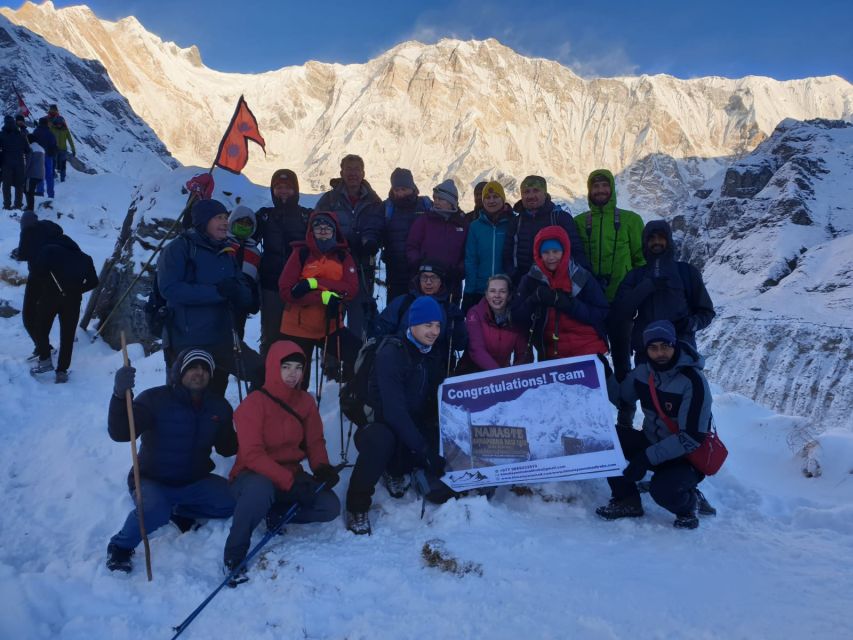
- Sleep at 4,130m: You reach Annapurna Base Camp (4130m) and spend the night there.
- A jeep + trek start saves time: Day 1 combines 3 hours by jeep and about 4 hours of hiking.
- Rhododendron forest day: Day 2 climbs through forest paths with rhododendron blooms.
- Big descent day 4: You’ll hike back down about 8 hours from Base Camp toward Lower Sinuwa.
- Hot springs close the loop: Jhinu Dada Hot Springs are on the route back toward Pokhara.
- Guides are part of the value: Licensed guides handle the trek rhythm, paperwork, and safety decisions.
Pokhara to Annapurna Base Camp: what this 5-day plan feels like
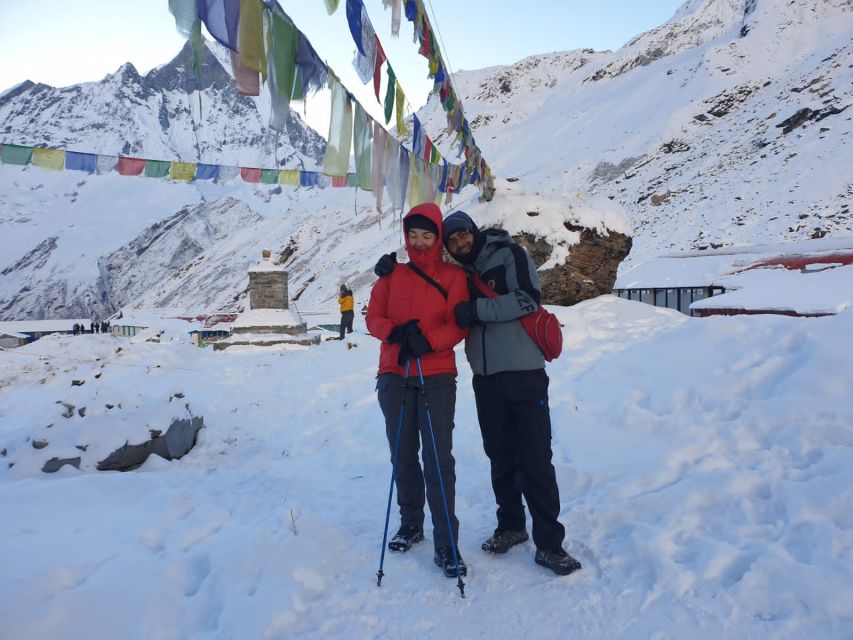
This is the kind of Annapurna trek that gives you a lot of payoff per day. You start in Pokhara, drive out along scenic roads, then walk higher each day until you’re living at high altitude for an overnight at Base Camp. The rhythm is simple: go up, reach the big goal, then come down and decompress in hot springs.
What makes it work well for many first-timers is that the plan is organized around real checkpoints—Sinuwa, Deurali, Annapurna Base Camp, Lower Sinuwa—so you always know where you are in the story. You’re also not stuck managing permits or paperwork on your own; the trek includes trekking permits and the TIMS (Trekkers’ Information Management System) fee(s), plus all the necessary paperwork.
The flip side: 5 days is not slow tourism. You’ll be hiking for long stretches (including 7 to 8 hour days). If you’re the type who wants a leisurely view-and-photo pace every day, you might feel rushed.
You can also read our reviews of more tours and experiences in Naya Pul.
Day 1: Lakeside Pokhara to Sinuwa (jeep + scenic highway + first trek)
Day 1 begins with an early start from Lakeside, Pokhara. You take a jeep for about 3 hours, then switch to trekking for about 4 hours up to Sinuwa (around 2,200m). This first day matters because it sets your altitude baseline while still giving you enough time to get your feet working before you sleep high.
A highlight here is the drive itself. You’ll use one of the best scenic highway routes with views of the Seti River, mountains, and lush paddy fields. It’s not just scenery either; it’s your first taste of the culture and hospitality you’ll see again along the trail.
You’ll end the day in Sinuwa. That overnight is useful because it gives you a real acclimatization step before the longer climb on Day 2. You’ll also likely appreciate the earlier “warm-up” after the drive, especially since tomorrow is the steepest build day on paper.
Day 2: Sinuwa to Deurali (forest climb with rhododendron vibes)
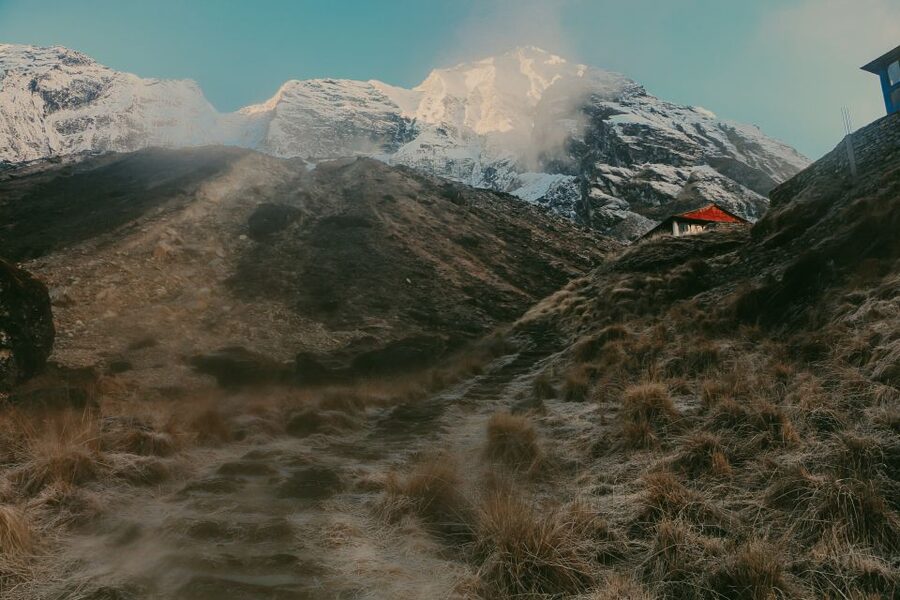
Day 2 is the long one: about 7 hours of trekking from Sinuwa up to Deurali (about 3,200m). The route takes you through forests and includes areas known for rhododendron blooms. Even if the flowers aren’t in full show when you go, the forest sections tend to break up the climb so it doesn’t feel like one unbroken grind.
This day is also where you’ll notice the altitude more. You’re climbing, but you’re not yet at Base Camp height, so it’s a good “middle” day to practice your hiking rhythm: steady steps, planned rests, and staying focused on breathing rather than speed.
A practical benefit of an organized guided trek shows up here. Your guide helps you pace the day so you’re not arriving at Deurali exhausted. And that matters, because Day 3 is where you make the big move to Annapurna Base Camp.
Day 3: Deurali to Annapurna Base Camp at 4,130m
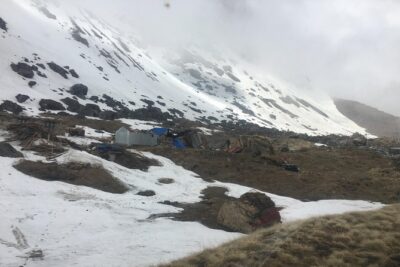
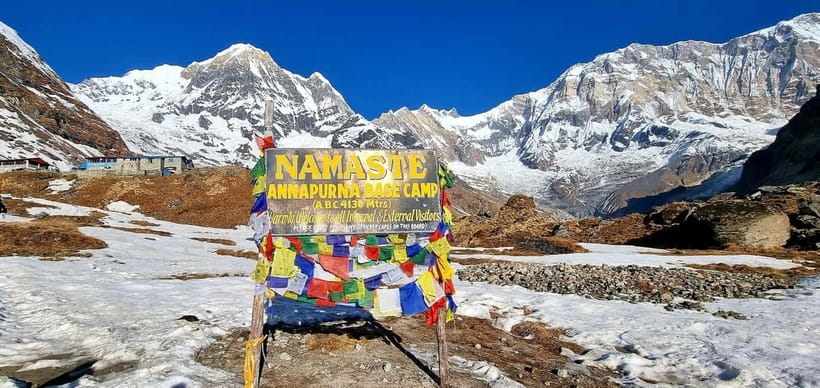
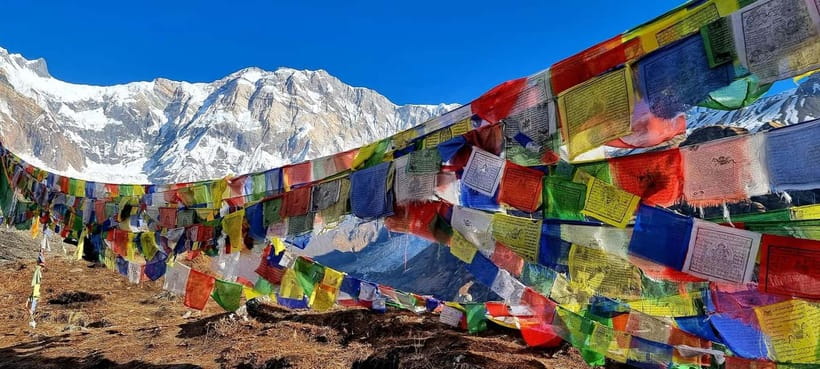
Day 3 is the headline. You trek about 5 hours from Deurali to Annapurna Base Camp (4,130m). This is the day where the work turns into awe. Expect towering peaks and glaciers around you, and that special feeling of arriving at a natural amphitheater of mountains.
The walk itself is often less about technical difficulty (based on what’s described) and more about altitude management and mental focus. At this height, even small delays can feel bigger. Plan to move calmly, not aggressively.
Once you reach Base Camp, you’ll spend the night at Annapurna Base Camp. That overnight is a major part of why this trek is so memorable. You get time for photos without rushing, and you also set yourself up for sunrise on the next day, when you’ll start descending after seeing the peaks come alive.
One small but important consideration: sleeping at Base Camp height usually isn’t about comfort—it’s about acclimatization and experience. You’ll want to use the provided gear effectively (more on that in the packing section).
Day 4: Annapurna Base Camp to Lower Sinuwa (the long descent)
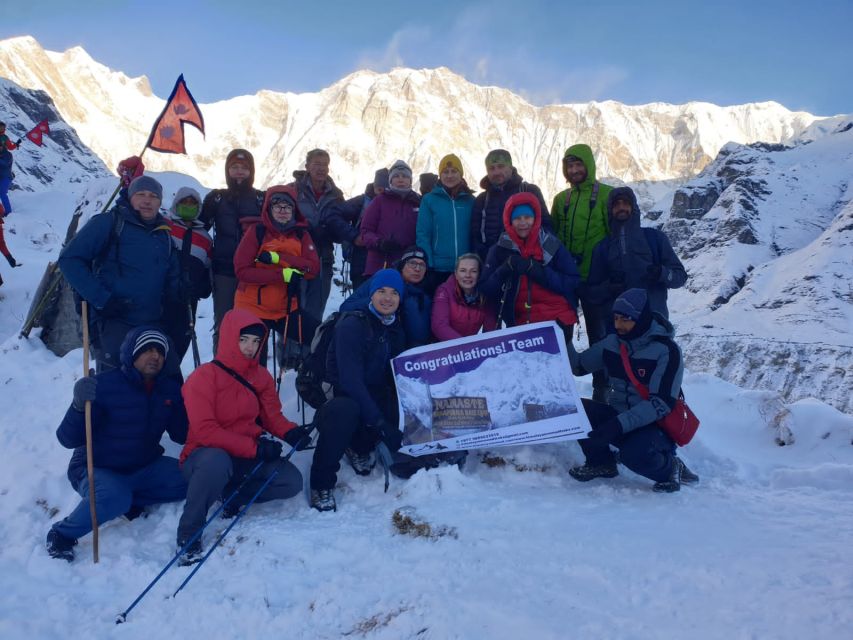
Day 4 is where many people feel it. You descend from Annapurna Base Camp down to Lower Sinuwa (about 2,200m) over roughly 8 hours of trekking. Before you start moving down, you’ll watch sunrise over the peaks, then follow the trail back through forests and calmer terrain.
This is the day that can feel like the longest in your body even if it’s not the highest altitude day. Descents put pressure on your knees and ankles. A guide’s job becomes extra valuable here, because downhill is where people rush, lose footing, or slow down from pain.
A real-world example from the trip feedback: Ellie (UK) said conditions in her off-season experience were tougher than hoped, including navigating around multiple avalanche paths during descent, and that guide Kaji helped them throughout. That’s not something you should assume will happen on your trek, but it’s a good reminder that mountain weather can change quickly and the guide’s decisions matter.
When you reach Lower Sinuwa, you’re set up for a more restful night after the long walk down. You’ll likely appreciate the return to a lower altitude zone before the hot-spring day.
Day 5: Lower Sinuwa to Pokhara via Jhinu Dada Hot Springs
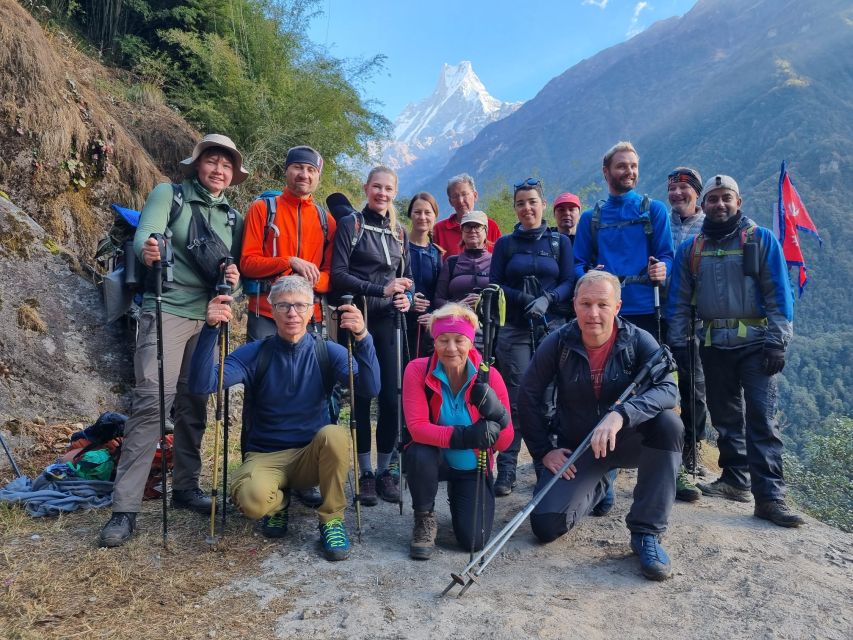
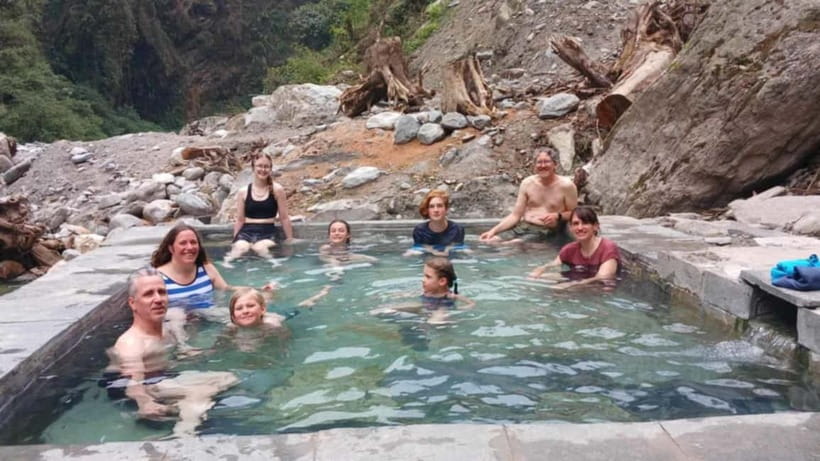
Day 5 combines hiking and a jeep ride back to civilization. You trek about 4 hours from Lower Sinuwa to Jhinu Dada, then take a jeep for about 3 hours to Lakeside, Pokhara.
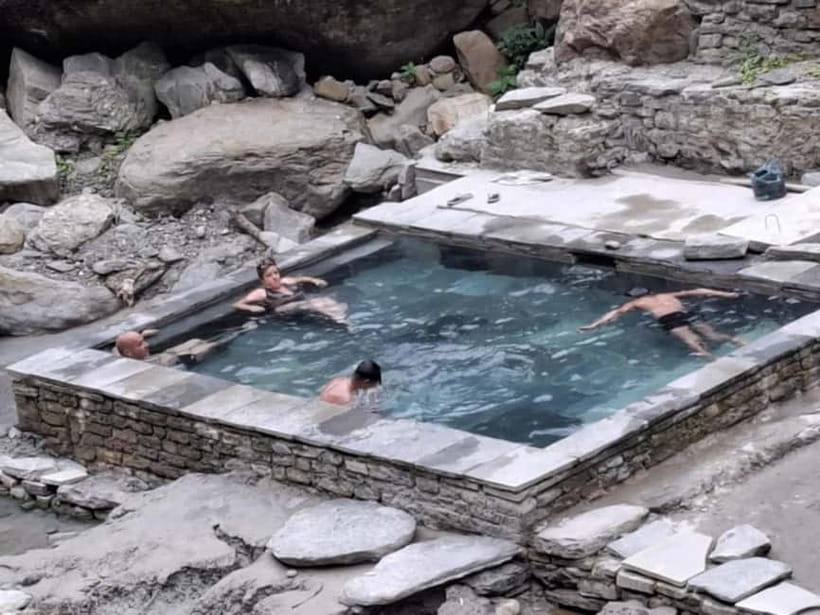
The star here is the natural hot springs at Jhinu Dada. This is the part that turns a trekking itinerary into a full experience. After days of walking and descending, soaking your legs and feet can feel like a reset button—especially if you’ve been dealing with aches from the 8-hour descent on Day 4.
Then you continue back to Pokhara and finish the trek around Lakeside. It’s a good ending point because Lakeside is easy to navigate and close to meals, rest, and a proper shower afterward.
Price and value: why this $150 trek may be a smart deal
At $150 per person for 5 days, the price sounds like a bargain—especially for an Annapurna Base Camp trek where guides, permits, and logistics add up quickly. Here’s what you’re actually getting that makes it feel like value:
- Licensed English-speaking guide and staff costs are included.
- Trekking permits and TIMS paperwork are covered.
- Private accommodation during the trek is included.
- Trekking gear is included: trekking poles, sleeping bag, and a duffduel bag.
- Hotel pickup and drop-off plus deluxe transportation is included as per the itinerary.
It’s also helpful that it’s a private group, so you’re not fighting for pace decisions with lots of strangers.
Where value can shrink: anything that’s optional or personal. The trek does not include soft and hard drinks, porters (though you can arrange one for an extra cost), travel and rescue insurance, or personal expenses like phone calls, laundry, battery recharge, bottle or boiled water, and similar items. Also, you might need an extra night in Pokhara if your travel timing doesn’t perfectly match the trek schedule.
So I’d think of the $150 as covering the “core trek machine”: guide, paperwork, lodging, and gear. You’re still responsible for comfort extras and safety coverage.
Guides and teamwork: the difference you’ll feel on-mountain
For me, the guide is where a trek becomes smooth or stressful. This tour includes an authorized licensed English-speaking guide, and language options include English, Hindi, and Nepali.
Two names came up in different experiences. Ana (Spain) singled out guide Jeet as funny, attentive, respectful, and constantly checking that everyone was rested and doing okay. That kind of care matters more than people think, especially on longer days and during descent.
Ellie (UK) mentioned guide Kaji helped them throughout a tougher-than-expected off-season situation that involved navigating over four avalanche paths on the way down. Again, you can’t plan for every mountain twist, but a good guide helps you react well when things change.
What I’d take from both stories: don’t treat the guide like a ticket holder. Ask questions. Follow pacing advice. Use them to help you manage energy, hydration, and altitude decisions.
Meals and the all-inclusive option you should understand
The tour offers two meal approaches. You can choose a standard option that lets you buy meals along the way, or an enhanced option where the trek includes meals.
In the All Inclusive Full Package, meals (breakfast, lunch, dinner) are included during the trek. If you choose the other option, budget for food costs on the trail.
My practical advice: on a trek this demanding, meals are more than nutrition. They’re part of your schedule. When meals are handled, you spend less time thinking about what’s open, what’s available, and how much time you’ll lose hunting food.
If you choose standard and buy as you go, just keep an eye on timing so you’re not too hungry during a long climb. That’s when energy management starts to slip.
Gear, luggage storage, and what you still must pack
The trek includes trekking poles, a sleeping bag, and a duffle bag, plus luggage storage facility. That’s a big help because it lowers the number of items you have to carry around Pokhara before and after the trek.
But you still need your own personal trekking setup. The included list of what to bring focuses on essentials like:
- passport or ID card
- hiking shoes
- daypack
- jacket and change of clothes
- hat, sunglasses, sunscreen
- socks and comfortable clothes
- camera if you’re planning to capture glacier and peak views
- cash for personal expenses
One more practical note: plan for water needs and personal items like phone use, extra toiletries, and any comfort costs. The tour explicitly lists personal expenses (including battery recharge, shower-related costs, and bottled or boiled water) as not included.
Fitness, weather, and safety reality checks
This trek is not a casual hike. The itinerary includes long trekking days: about 7 hours on Day 2 and about 8 hours on Day 4, plus the Base Camp push on Day 3.
Weather is another variable you can’t ignore. One trekker in February said off-season conditions were worse than expected. That same experience included snow/ice concerns and challenging descent conditions, including avalanche paths, with guide Kaji handling the situation.
So here’s how I’d plan:
- If you’re not comfortable with long hikes, snow, or ice, this may be a stretch.
- Consider choosing a longer trek duration if you want more margin (because 5 days can feel intense).
- Listen closely to your guide about conditions on the trail and adjust your expectations if weather turns.
Also, the tour recommends bringing travel and rescue insurance. That’s not a vibe; it’s basic risk management in high terrain.
Who should book this trek, and who should pass
This 5-day Annapurna Base Camp trek from Pokhara is best for you if:
- you want the classic Base Camp goal and the added hot springs payoff
- you’re okay with long trekking days and some altitude challenge
- you value permits handled, a licensed guide, and included trekking gear
I’d consider passing or switching to a gentler schedule if:
- you dislike long hikes and prefer shorter days
- you’re uncomfortable with snow/ice conditions that can happen outside peak season
- you want a highly relaxed walking pace every day
Should you book Himalayan Nomad Treks for this Annapurna Base Camp trek?
If you’re aiming to tick off Annapurna Base Camp in a tight 5-day window and you like the idea of ending with hot-spring recovery, this can be a strong choice—especially at the stated price and with guide + permits + gear handled. The private setup and licensed English-speaking guidance add real value on tough days.
My one decision tip: be honest about how you handle long hiking days and mountain weather. If you’re flexible, listen to the guide, and go in ready for effort, you’ll probably love the whole arc—climb, Base Camp night, sunrise, descent, and then that soak at Jhinu Dada.
FAQ
What’s the starting point and ending point?
The trek starts in Lakeside, Pokhara and ends back at Lakeside, Pokhara after the trek and hot springs stop.
How high do you go?
You reach Annapurna Base Camp at about 4,130m.
How long are the daily trekking segments?
The itinerary includes roughly 4 hours trekking on Day 1, 7 hours on Day 2, 5 hours on Day 3, 8 hours on Day 4, and 4 hours on Day 5 (plus jeep time on Days 1 and 5).
Are trekking permits included?
Yes. Trekking permits and the necessary paperwork, including TIMS fee(s), are included.
Do I get a guide?
Yes. You get an authorized licensed English-speaking guide (English, Hindi, Nepali are available).
Are meals included?
Meals are included only in the All Inclusive Full Package option. A standard option lets you purchase meals along the way.
What trekking gear is provided?
The tour includes trekking poles, a sleeping bag, and a duffle bag.
Can porters be arranged?
Porters are not included, but they can be arranged on request for an additional cost.
Is travel and rescue insurance included?
No. The tour recommends you purchase travel and rescue insurance for this activity.
How does cancellation work?
There is free cancellation up to 24 hours in advance for a full refund.